- 0
- 873 words
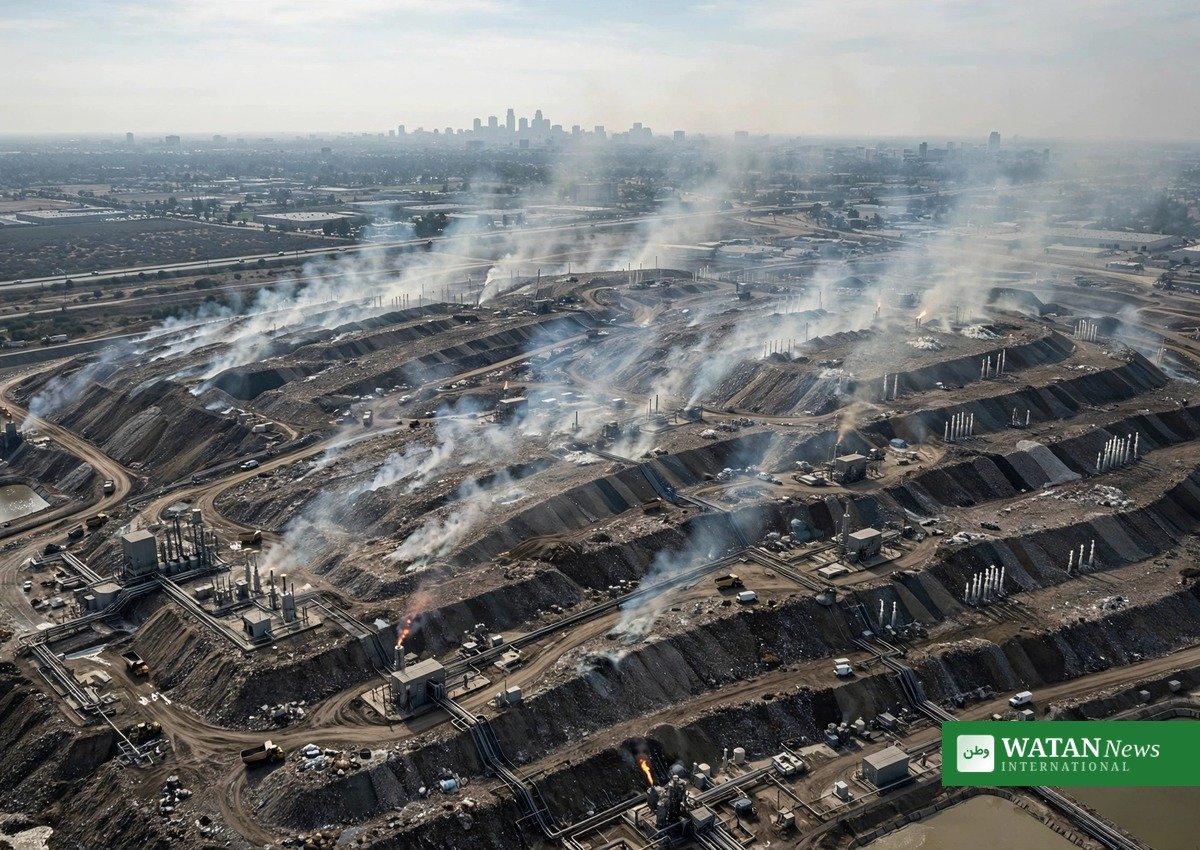
Landfills in Türkiye, the host of next month’s UN climate summit COP31, are producing some of the worst methane mega-leaks identified anywhere in the world, according to an exclusive investigation published by The Guardian on 5 October 2026. The findings land at an awkward moment for the COP31 presidency, which has placed methane cuts and waste management at the very top of the summit agenda.
FAKTA
- Source: Exclusive investigation by The Guardian, published 5 October 2026, analysed by UCLA’s Stop Methane project.
- Method: Satellite data from Carbon Mapper covering January 2025 to June 2026; Türkiye’s 10 highest average-emitting waste sites identified.
- Worst site: Silivri landfill on Istanbul’s outskirts — 7.4 tonnes of methane an hour, equal to about 1.5 million gas-guzzling SUVs.
- Second site: Şile landfill, Istanbul — about 4 tonnes an hour, equal to about 800,000 SUVs.
- COP31: Antalya, 9–20 November 2026; presidency puts zero waste and methane reduction first on its action agenda.
- The catch: Türkiye has not signed the Global Methane Pledge; its environment ministry declined to comment.
What the COP31 methane leaks investigation found
Researchers from the University of California, Los Angeles (UCLA), used satellite observations from Carbon Mapper, a nonprofit that tracks greenhouse gases, to identify Türkiye’s 10 waste sites with the highest average measured methane emissions. The analysis covered satellite passes from January 2025 to June 2026.
“Many of these sites have mind-bogglingly large methane emission rates, even in a global context,” said Cara Horowitz, who leads the UCLA Stop Methane project and is executive director of the Emmett Institute on Climate Change and the Environment. “These are huge leaks, some of the largest single manmade sources of methane emissions in the world,” she added.
The 10 super-emitting sites stretch from İzmir in the west, through Ankara in the centre, to Antalya in the south — the very city that will host COP31 next month.
The worst sites: Silivri and Şile
Silivri: 7.4 tonnes an hour
The Silivri landfill on Istanbul’s outskirts topped the list, averaging 7.4 tonnes of methane an hour during the study period. The site, operated by the Istanbul municipality, handles 10,000 tonnes of waste daily, making it Türkiye’s largest landfill. The planet-warming impact of this single leak is equivalent to 1.5 million gas-guzzling SUVs running their engines.
Şile: 4 tonnes an hour
A second landfill in Istanbul’s Şile district emitted about 4 tonnes of methane an hour during satellite observations — roughly the climate impact of 800,000 SUVs.
Residents have smelled it for years
People living near the Silivri site have complained about the stench for years, according to the investigation. “The smell is not subtle. It suffocates you,” said Kemalettin Özenç, a resident of the village of Yolçatı near the landfill. Villagers have petitioned the forestries ministry and posted outraged reviews about the smell on the dump’s online listings.
An awkward moment for the COP31 presidency
The revelations arrive just weeks before COP31 opens in Antalya on 9 November. Türkiye’s environment minister Murat Kurum, the COP31 president-designate, has written to the 196 nations due to attend the summit, saying: “Reducing methane emissions is among the fastest and most effective strategies for slowing near-term temperature rise. The waste sector therefore represents a critical opportunity for delivering immediate climate benefits.”
Zero waste and methane reduction are the highest priority on the presidency’s action agenda. First Lady Emine Erdoğan — honorary president of Türkiye’s Zero Waste Foundation and chair of the UN Advisory Board on Zero Waste — has campaigned globally for methane cuts, and President Recep Tayyip Erdoğan said in June that waste management was a priority.
Yet Türkiye has not joined the Global Methane Pledge, whose 159 participating countries support a collective goal of reducing global methane emissions by at least 30 percent from 2020 levels by 2030.
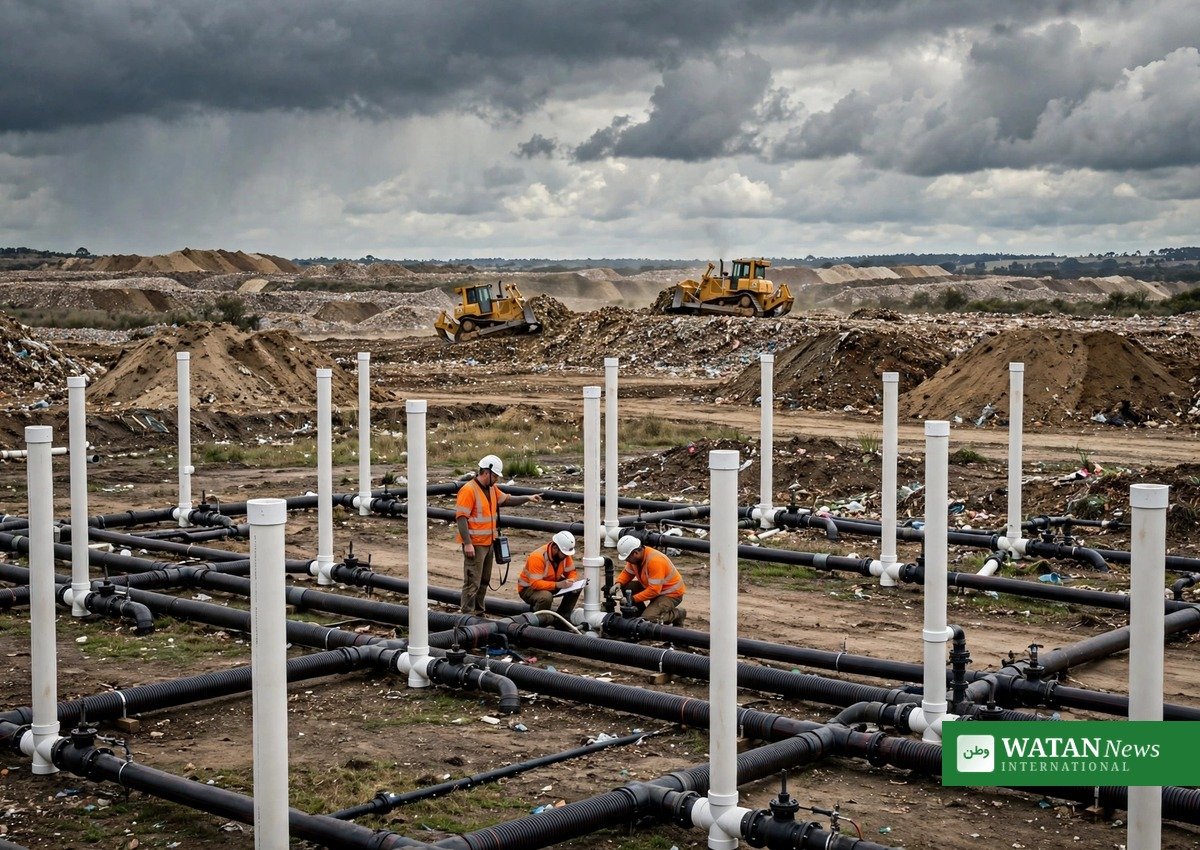
When contacted by The Guardian about the methane super-emitters, Türkiye’s environment ministry declined to comment. The Istanbul municipality also declined to answer questions about the emissions at Silivri and refused permission to photograph the site. Facility staff told the newspaper the emissions came from uncovered waste areas and said methane capture for energy generation was ongoing, with improvements since the 1990s.
Why methane matters
Methane emissions cause about a quarter of all global heating, and scientists have warned of a “scary” surge in atmospheric methane since 2007. But cutting methane is often relatively easy and has a rapid impact, because the gas is naturally removed from the atmosphere far faster than carbon dioxide. Some experts call methane cuts the climate “emergency brake” — which is why the COP31 presidency has made them a centrepiece of the Antalya summit.
For more on the COP31 agenda taking shape in Antalya, read our earlier coverage: COP31 in Antalya: Finance, Fossil-Fuel Roadmap and Belém Action Mechanism Take Shape on Negotiation Agenda.
Conclusion
The Guardian’s satellite-based investigation puts the COP31 host country in an uncomfortable spotlight: the nation championing global methane cuts has some of the world’s worst landfill methane leaks at home. Whether the Antalya summit produces binding commitments on waste-sector methane — and whether Türkiye itself takes stronger action on its super-emitting landfills — will be a key test of the presidency’s credibility when negotiators arrive in November.
Author

usman2344913@gmail.com
Related Posts
Alberta udvider genbrugssystemet: Fase 2 af producentansvar giver 1,4 mio. husstande flere genbrugsmaterialer
- 0
- 696 words
Fase 2 af Albertas program for producentansvar trådte i kraft 1. oktober 2026 og tilføjer glasbeholdere, skumpakninger, fleksibel plast, aerosolbeholdere og lamineret...
Read out all
البرٹا میں ری سائیکلنگ کی بڑی توسیع: چودہ لاکھ گھرانوں کے لیے نئے مواد کی ری سائیکلنگ
البرٹا میں پیدا کنندگان کی ذمہ داری کے نظام کا دوسرا مرحلہ یکم اکتوبر 2026 سے نافذ ہو گیا ہے، جس کے...
Read out all
Alberta Launches Phase 2 of Recycling Overhaul: 1.4 Million Households Get Expanded Curbside Recycling
- 0
- 724 words
Phase 2 of Alberta's extended producer responsibility program took effect on 1 October 2026, adding glass containers, foam packaging, flexible plastics, aerosol...
Read out allTrump Proposes Tax-Free Diesel Ahead of Midterms
- 0
- 875 words
President Donald Trump has signed an executive order aimed at reducing fuel costs by easing restrictions on tax-free red-dyed diesel. The move...
Read out all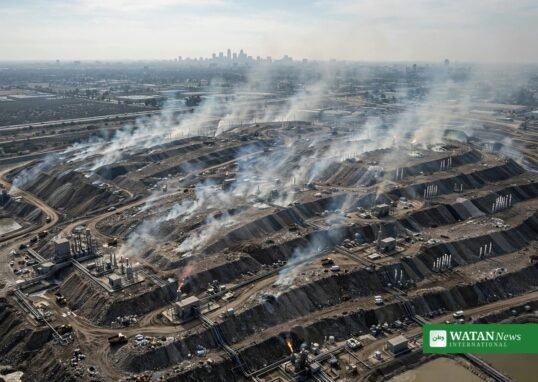
Guardian-afsløring: COP31-værten Tyrkiets lossepladser blandt verdens værste metan-megakilder
- 0
- 866 words
En Guardian-undersøgelse har afsløret, at lossepladser i COP31-værtslandet Tyrkiet udleder nogle af verdens værste metan-megakilder – Silivri ved Istanbul udleder i gennemsnit...
Read out all
گارجیئن کی تحقیق: کاپ31 میزبان ترکیہ کے کوڑے کے ڈھیر دنیا کے بدترین میتھین اخراج میں شامل
گارجیئن کی تحقیق میں انکشاف ہوا ہے کہ کاپ31 کی میزبان ترکیہ کے کوڑے کے ڈھیر دنیا کے بدترین میتھین اخراج میں...
Read out all