- 0
- 1,331 word
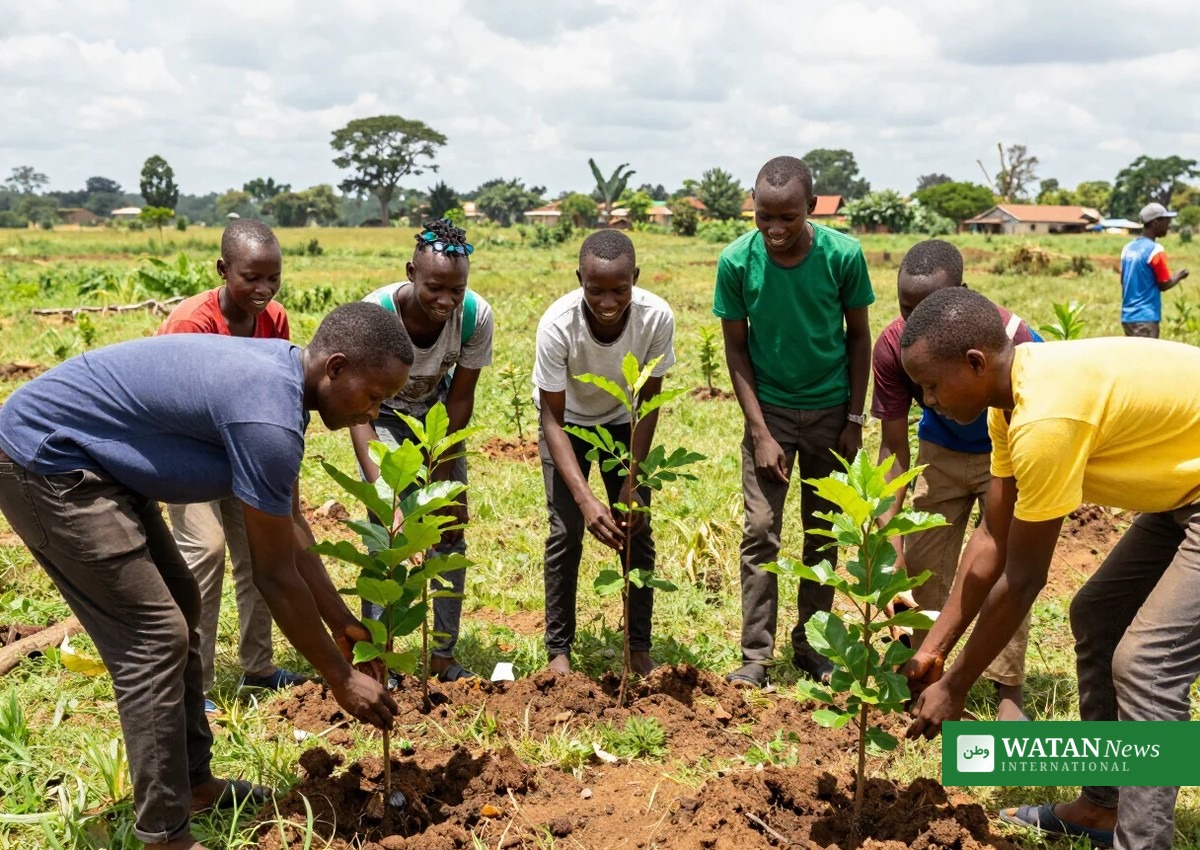
New York — WWF and Amano So have named the 24 emerging leaders selected for the 2027 cohort of the WWF-Amano Fellowship, a nine-month leadership programme for young people aged 21 to 30 who are already driving conservation and climate action in their own communities across Africa. The announcement was made on 25 November 2026.
The fellowship, now in its third cohort, pairs young activists, community leaders, founders, educators, scientists and technologists with seasoned mentors, helping them grow, connect with peers and scale locally led solutions for nature and people.
Who the 24 fellows are
The 24 fellows come from 10 countries: Cameroon, the Central African Republic, the Democratic Republic of the Congo, Gabon, Madagascar, Tanzania, Tunisia, Uganda, Zambia and Zimbabwe. They were chosen from 56 nominees put forward between August and October 2026 by 10 WWF country offices across Africa. Six more candidates were placed on a reserve list for future cohorts.
Women make up 63 percent of the new cohort, up from 55 percent in 2026. More than seven in 10 fellows — 71 percent — live in or work directly with rural and local communities, and more than half founded or lead the initiatives they represent. The fellows work across conservation, climate action, food systems and environmental governance.
Four fellows already leading change
WWF highlighted four of the 24 fellows as examples of young people who did not wait for permission to start:
Goi Joseph, Uganda
Goi Joseph co-founded Kiryandongo Video Advocate, which trains refugees and Ugandans living around the Kiryandongo settlement to film the problems facing their communities and screen the films for the people who can fix them. One of the group’s films led to new water points across the settlement. Since December 2023, the group has won direct funding from the Government of Uganda, the United Nations, the Lutheran World Federation, the Norwegian Refugee Council and STEPS South Africa.
Emelda Kachana, Zambia
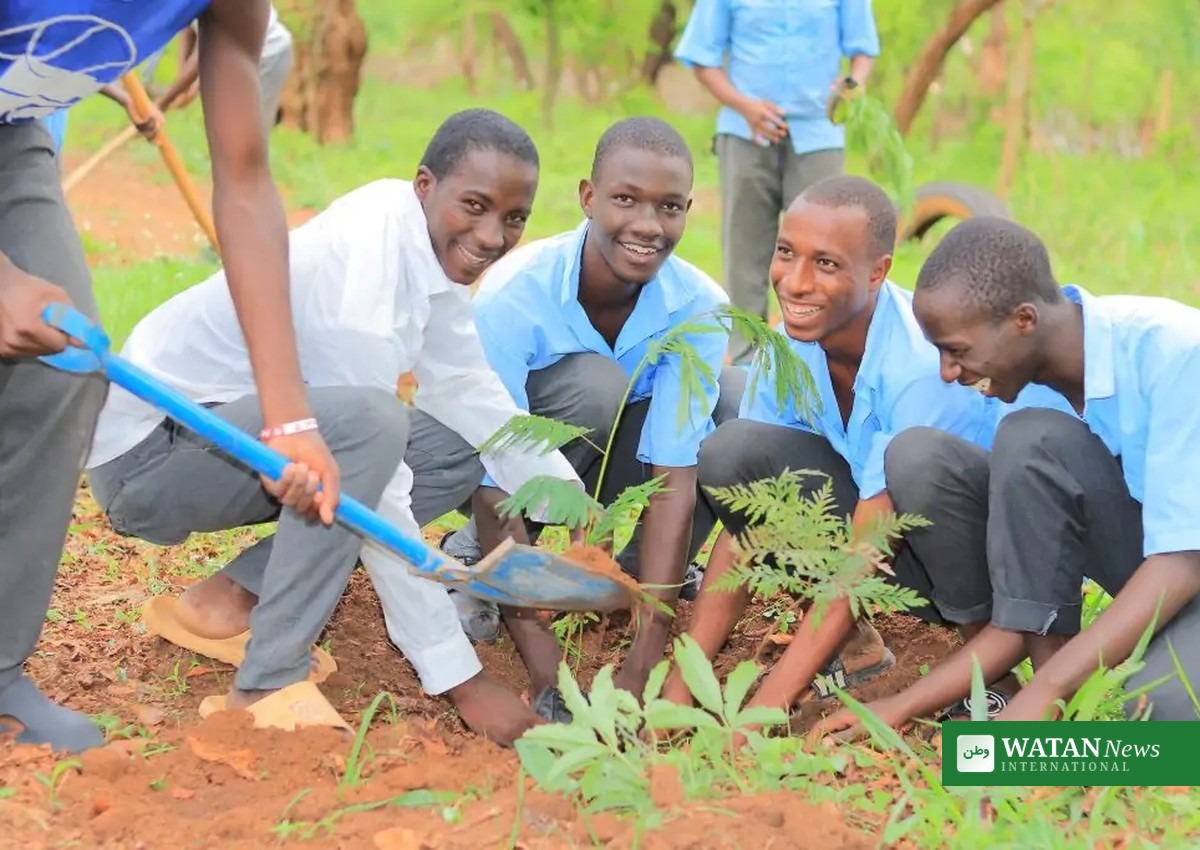
Emelda Kachana, youth coordinator of the Matoya Multipurpose Cooperative in Nsongwe in southern Zambia, leads young people in bringing a dried-up river back to life. By replanting riverbanks, building small dams and clearing silt from the riverbed, the cooperative is reversing deforestation driven by charcoal production, with a 5,000-tree planting drive in 2026. She draws volunteers in by pairing restoration days with traditional dance.
Plamedi Ntoto Mbodo, DR Congo
Plamedi Ntoto Mbodo founded Kasavards Agroforest on the edge of the Luki Biosphere Reserve in the Democratic Republic of the Congo, where he grew up, to give farming families a living that keeps the forest standing. His 11-person team supports 150 beekeepers and smallholders across the Mayombe, tracking each farm’s progress with digital field data.
Hiba Ben Aribi, Tunisia
Hiba Ben Aribi, a biologist and farmer on the island of Djerba, is restoring her family’s land and native wildlife habitat through regenerative agriculture. She works with elderly farmers to adapt generations of practice to a changing climate.
What the nine-month programme offers
Each fellow sets two or three objectives for the year and pursues them with one-on-one coaching, tracked on the Amano platform. Every month, fellows meet in guided Mentor Huts — small, carefully chosen circles that pair senior leaders with emerging ones — and join an Expert Speaker Series. Through these sessions and practitioner-led workshops, fellows build skills including scaling local initiatives through fundraising and partnerships, influencing without authority, leading across cultures, decision-making under uncertainty, harnessing artificial intelligence for personal and organisational productivity, and building personal and organisational resilience. They also take part in candid conversations with senior executives and top leaders across government, the corporate sector and multilateral institutions.
Orientation and onboarding take place in January 2027, and the programme begins in the first week of February 2027.
“Every leader I admire can name the person who found them early and opened a door. For the majority of young people today, that moment still comes down to sheer luck and chance,” said Brighton Kaoma, founder and chief executive officer of Amano So. “We are not building another program. We are building infrastructure that turns that moment from luck into design — for these 24 fellows and the millions of young leaders who will follow.”
Carol Hariklia Monoyios, executive director of strategic partnerships and global resource mobilisation at WWF International, said the fellowship reflects WWF’s commitment to investing in the leadership, agency and potential of young people who are already driving positive change for people and nature. She said WWF director general Kirsten Schuijt championed the vision when the programme was relaunched.
Why it matters after COP31
The announcement comes days after COP31 closed in Antalya on 22 November without a final deal, while young delegates at the conference demanded decision-making power rather than token representation. The fellowship is one concrete answer to that demand: a pipeline that turns young community leaders into negotiators, founders and public voices.
The need is stark. WWF’s Living Planet Report 2026 records a 73 percent average decline in monitored wildlife populations between 1970 and 2022, and the United Nations International Fund for Agricultural Development warns that rural youth are likely to be disproportionately affected by climate change.
The fellowship’s record so far suggests the model works. Within six months, 80 percent of the 2026 cohort reported a new role, new funding, a launched initiative or an invitation to lead. Previous fellows have spoken at the United Nations Climate Conferences, Climate Week NYC and WWF International convenings. In Uganda’s Rwenzori Mountains, 2026 fellow Mathew Mbusa secured funding to build a coffee value-addition centre that lets local growers capture more of the value of their harvest. The network has grown to 11 countries across Africa and Asia since the first cohort, and alumni of the 2025 cohort sat on the selection panels for 2027.
Young people are taking the same path in other places too. In India, young people in Meghalaya handed their state government a 15-point climate agenda, while new grants are backing youth-led climate and health projects across Africa.
Key facts
- 24 fellows selected for the 2027 cohort from 56 nominees put forward by 10 WWF country offices; 6 more on a reserve list.
- 10 countries: Cameroon, Central African Republic, DR Congo, Gabon, Madagascar, Tanzania, Tunisia, Uganda, Zambia, Zimbabwe.
- 63 percent of the cohort are women, up from 55 percent in 2026; 71 percent live or work with rural and local communities.
- Ages 21–30; nine-month programme; orientation January 2027, start first week of February 2027.
- 80 percent of the 2026 cohort reported a new role, funding, initiative or leadership invitation within six months.
- 73 percent average decline in monitored wildlife populations between 1970 and 2022 (WWF Living Planet Report 2026).
Frequently asked questions
What is the WWF-Amano Fellowship?
It is a nine-month leadership development programme run by WWF International with Amano So for emerging conservation and climate leaders aged 21 to 30. Fellows receive one-on-one coaching, monthly Mentor Hut sessions with senior leaders, expert talks and practical workshops, while continuing their own community work.
Who was selected for the 2027 cohort?
24 young leaders from 10 African countries — Cameroon, the Central African Republic, DR Congo, Gabon, Madagascar, Tanzania, Tunisia, Uganda, Zambia and Zimbabwe. Women make up 63 percent of the cohort, and 71 percent of the fellows live in or work directly with rural and local communities.
How were the fellows chosen?
Between August and October 2026, 10 WWF country offices across Africa put forward 56 nominees. Candidates were interviewed in October and November, and the 24 selected fellows were announced on 25 November 2026. Six more candidates were placed on a reserve list.
What do fellows do during the nine months?
Each fellow sets two or three objectives and works towards them with a coach, monthly Mentor Hut meetings, an Expert Speaker Series and workshops on fundraising, partnerships, leadership and using artificial intelligence. Orientation takes place in January 2027 and the programme begins in the first week of February 2027.
What have past fellows achieved?
Within six months, 80 percent of the 2026 cohort reported a new role, new funding, a launched initiative or an invitation to lead. Previous fellows have spoken at United Nations Climate Conferences and Climate Week NYC, and 2026 fellow Mathew Mbusa secured funding for a coffee value-addition centre in Uganda’s Rwenzori Mountains.
The 2027 fellows now join a lifelong alumni community that stretches across cohorts, countries and disciplines — and many of them, WWF says, will return to shape the cohorts that follow.
Author

usmanch0013@gmail.com
Related Posts
ڈبلیو ڈبلیو ایف اور امانو نے 2027 کی فیلوشپ کے لیے افریقہ کے 24 نوجوان رہنماؤں کا انتخاب کر لیا
ڈبلیو ڈبلیو ایف اور امانو نے افریقہ کے 10 ممالک سے 24 نوجوان رہنماؤں کو 2027 کی فیلوشپ کے لیے منتخب کیا...
Read out all
WWF og Amano So udnævner 24 unge ledere til 2027-fellowship i Afrika
- 0
- 1,342 word
WWF og Amano So har udnævnt 24 unge ledere fra 10 afrikanske lande til WWF-Amano Fellowship 2027, et ni måneder langt program...
Read out all
Heathrow tilbyder flyselskaber 81 millioner pund til grønnere brændstof i 2027
- 0
- 975 words
Flyselskaberne har indtil kl. 17.00 britisk tid i dag, den 27. november 2026, til at tilmelde sig Heathrows incitament for bæredygtigt flybrændstof...
Read out all
ہیتھرو نے 2027 میں سبز ایندھن کے لیے ہوائی کمپنیوں کو 81 ملین پاؤنڈ کی پیشکش کر دی، آج آخری تاریخ
ہوائی کمپنیوں کے پاس ہیتھرو کی 2027 کے لیے 81.24 ملین پاؤنڈ کی پائیدار ہوا بازی ایندھن کی مراعاتی اسکیم میں شامل...
Read out all
Heathrow Offers Airlines £81 Million for Greener Fuel in 2027 as Sign-Up Deadline Hits Today
- 0
- 930 words
Airlines have until 5pm UK time today, 27 November 2026, to sign up for Heathrow's £81.24 million sustainable aviation fuel incentive for...
Read out all
QTS planter 50 træer i Irving som start på 5.000 træer i North Texas
- 0
- 818 words
QTS Data Centers, Texas Trees Foundation og City of Irving har plantet 50 træer i Lanotte-Spurlock Park og sat gang i et...
Read out all