
- 0
- 999 words
Thirty Zimbabwean enterprises that turn waste into products have joined the second cohort of the AfriCircular Innovators Programme, a regional initiative that backs African entrepreneurs building businesses from discarded materials. The cohort opened with its first workshop in Harare, bringing founders, industry leaders and development partners together to discuss how small circular businesses find buyers, secure finance and grow.
The programme is funded by the African Development Bank Group’s Africa Circular Economy Facility (ACEF), with technical assistance from the African Circular Economy Alliance (ACEA). Elisa Luotonen of ACEF welcomed participants at the opening workshop, where entrepreneurs discussed what it takes to grow a circular business in Zimbabwe, from finding buyers to securing finance.
From waste to products
The 30 enterprises work across six sectors, and their ideas show how much value sits in material that would otherwise be thrown away. In food systems, Alzanael Private Limited dries beef, goat and chicken biltong and mixed fruit in off-grid solar greenhouse dryers at rural collection points, cutting post-harvest losses and fossil fuel use. Ecoverse Zero rewards households for separating food waste, feeds it to black soldier flies and sells the resulting protein feed for fish farming, poultry and livestock. Fruitrus in Bulawayo processes overripe and blemished fruit into ready-to-drink beverages instead of letting it rot.
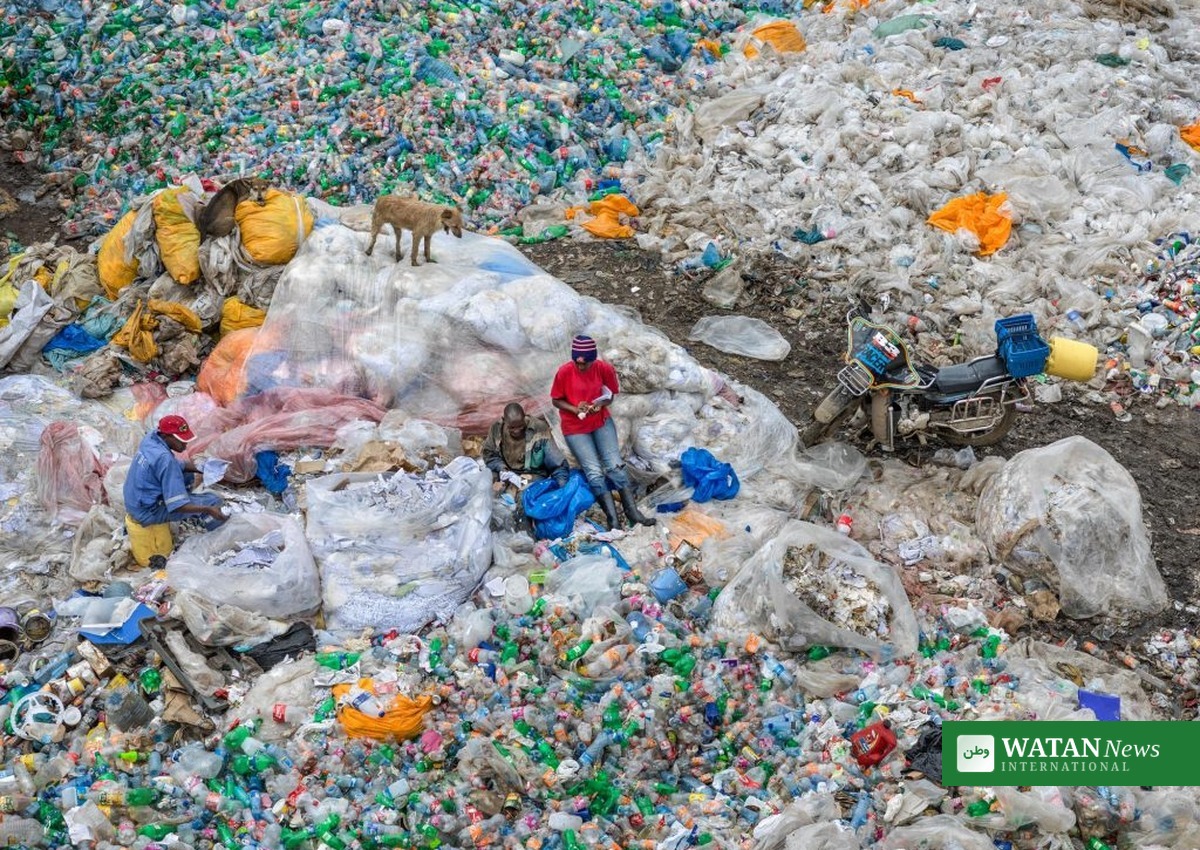
In plastics and packaging, Plant Stage, a youth-led nursery in Bulawayo, collects one-litre bottles from shopping centres and beer gardens and hand-cuts them into nursery pots that last two seasons or more. Zambezi Eco Sprouts turns discarded plastic bottles into solar-powered vertical aeroponic towers that grow vegetables where space is limited. SilkPET, in Bindura, turns discarded PET bottles into a cotton-like recycled fibre for fashion textiles, furniture and insulation panels.
Tyres, textiles and clean energy
The built environment is represented by Vulca Technologies, which collects scrap car tyres from dumpsites, garages and roadsides and recycles them into interlocking rubber paving bricks for walkways, driveways and school playgrounds. In fashion and textiles, Craftastics Zimbabwe, a women-led social enterprise in Harare, turns tailors’ offcuts into rugs, bags, jewellery and décor, and takes products back for recycling. Prendy Menstrual Health Toolkits makes reusable washable sanitary pads and panty liners that last up to five years, replacing single-use products.
Bioenergy runs through the cohort as well. Ona Natural Oils in Gwanda cold-presses marula, baobab and ruredzo into skin and hair oils with more than 400 rural women harvesters; the press cake becomes goat feed and plant residues become fuel briquettes. Phos Bio Gas installs biodigesters that turn food and farm waste into biogas for cooking and lighting, with the slurry used as fertiliser.
FAKTA
- What: 30 Zimbabwean enterprises joined cohort 2 of the AfriCircular Innovators Programme; the first workshop opened in Harare on 25 November 2026.
- Who runs it: Funded by the African Development Bank’s Africa Circular Economy Facility (ACEF); technical assistance from the African Circular Economy Alliance (ACEA).
- Scale: Cohort 2 selects 120 ventures, 30 each from Zimbabwe, Angola, Benin and São Tomé and Príncipe; 40 progress to intensive support and 12 receive mini-grants of 10,000 euros each, 120,000 euros in total.
- Focus: ACEA’s “Five Big Bets”: packaging, the built environment, electronics, fashion and textiles, and food systems. Nineteen of the 30 Zimbabwean enterprises carry a food-systems tag.
- Why it matters: Micro, small and medium-sized enterprises make up 80% of businesses on the continent, and growing demand for circular products can create skilled jobs for young people in repair, processing and manufacturing.
A programme that grows across Africa
Cohort 2 builds on the first AfriCircular Innovators Programme, run in 2024–2025, which supported 30 circular start-ups in three countries. The second cohort expands into four countries — Zimbabwe, Angola, Benin and São Tomé and Príncipe — and deepens the support on offer: tailored coaching to refine business models, connect with buyers and prepare for investment.
The wider picture is moving in the same direction. The African Circular Economy Alliance, established in 2016, now brings together 23 member countries and 22 partners, and its National Circular Economy Roadmaps programme entered a second phase in August 2026, with eight more African countries linking circular-economy planning to industrial policy, jobs and investment. A day before the Harare workshop, Kenya launched its National Circular Economy Strategy and Implementation Plan for 2027–2032. Read how the EU’s ban on plastic waste exports to non-OECD countries is pushing recyclable material to stay and be processed closer to home.
Conclusion
For the founders in Harare, the test is whether coaching turns workshop-scale loops into products that buyers pay for and investors fund. If it does, Zimbabwe’s 30 enterprises will show that waste is not only a pollution problem to manage, but a raw material for jobs, incomes and cleaner cities — and a model other African countries can follow. See also how zero waste cities took centre stage at COP31.
Frequently asked questions
What is the AfriCircular Innovators Programme?
It is a regional initiative funded by the African Development Bank’s Africa Circular Economy Facility, with technical assistance from the African Circular Economy Alliance, that supports African entrepreneurs building commercially viable businesses from waste, reuse, repair and resource recovery.
How many enterprises joined the Zimbabwe cohort?
Thirty Zimbabwean enterprises joined the second cohort, which opened with a workshop in Harare. Cohort 2 selects 120 ventures in total, 30 each from Zimbabwe, Angola, Benin and São Tomé and Príncipe.
What support do the selected entrepreneurs receive?
Tailored coaching to refine business models, connect with buyers and prepare for investment. Forty ventures progress to an intensive capacity-building phase, and 12 of them, three per country, each receive a 10,000-euro mini-grant, 120,000 euros in total.
Which sectors does the programme target?
The programme targets the African Circular Economy Alliance’s “Five Big Bets”: packaging, the built environment, electronics, fashion and textiles, and food systems. In Zimbabwe, 19 of the 30 enterprises carry a food-systems tag.
Why does the circular economy matter for African jobs?
Micro, small and medium-sized enterprises make up 80% of businesses on the continent, according to the alliance, and growing demand for circular products can create skilled jobs for young people in repair, processing and manufacturing, while cutting waste and pollution.
Author

usmanch0013@gmail.com
Related Posts

Indiens GREEN Olympiad vinder MBRKA 2026 for miljøundervisning
- 0
- 1,021 word
Indiens GREEN Olympiad har vundet organisationskategorien ved den niende Mohammed bin Rashid Al Maktoum Knowledge Award (MBRKA), offentliggjort den 25. november 2026...
Read out all
بھارت کے گرین اولمپیاڈ نے ماحولیاتی تعلیم کے فروغ پر ایم بی آر کے اے 2026 جیت لیا
بھارت کے گرین اولمپیاڈ نے محمد بن راشد المکتوم نالج ایوارڈ (ایم بی آر کے اے) کے نویں ایڈیشن میں تنظیموں کے...
Read out all
India’s GREEN Olympiad Wins MBRKA 2026 for Advancing Environmental Education
- 0
- 1,009 word
India's GREEN Olympiad has won the Organizations category at the ninth Mohammed bin Rashid Al Maktoum Knowledge Award (MBRKA), announced on 25...
Read out all
Macy’s Thanksgiving Day Parade Postponed to Saturday in First-Ever Weather Delay
- 0
- 514 words
The 100th Macy's Thanksgiving Day Parade has been postponed to Saturday, November 28, after a powerful nor'easter forced the first weather delay...
Read out all
SJ EuroNight vender tilbage: Nattoget Stockholm–Berlin kører igen fra 13. december
- 0
- 988 words
SJ og RDC Deutschland genstarter i fællesskab nattoget Stockholm–Berlin den 13. december 2026 og bringer SJ EuroNight-navnet tilbage på ruten gennem Danmark...
Read out all
ایس جے یورونائٹ کی واپسی: اسٹاک ہوم–برلن نائٹ ٹرین 13 دسمبر سے دوبارہ چلے گی
ایس جے اور آر ڈی سی ڈوئچ لینڈ 13 دسمبر 2026 سے مشترکہ طور پر اسٹاک ہوم–برلن نائٹ ٹرین دوبارہ چلائیں گی،...
Read out all