- 0
- 1,675 word
Brazil’s first direct televised showdown between President Luiz Inácio Lula da Silva and Senator Flávio Bolsonaro has brought the October 25 runoff into its decisive week, and the Brazil presidential runoff debate unfolded against mass rallies, tight polling, and a row over social-media fairness. In Washington, the same week saw US President Donald Trump sign an executive order waiving major new sanctions on Russia, telling Congress the pause was in the national interest, while Ukrainian President Volodymyr Zelenskyy called the move unfortunate.
FAKTA
- The Brazil presidential runoff debate in São Paulo is the first head-to-head televised debate of the runoff between Lula and Flávio Bolsonaro; it aired on broadcaster Band at 8 p.m. (2300 GMT).
- The runoff vote is on October 25, 2026; polls show a close race, with Bolsonaro holding a slight advantage after finishing nearly 2 percentage points ahead of Lula in the October 4 first round.
- About 33 million voters stayed home in the first round — roughly one in five eligible voters — and both campaigns are targeting them in the final week.
- On October 16, President Trump signed an executive order waiving key duties and sanctions under the Lindsey O. Graham Sanctioning Russia and Iran Act of 2026, certifying to Congress that the waiver is in the national interest.
- President Zelenskyy, appearing on NBC’s Meet the Press, called the US decision unfortunate and said it encourages Russia to keep attacking.
First head-to-head of the runoff
Both candidates had skipped the final televised debate of the first round, when Lula and Bolsonaro each pulled out at the last minute, making the runoff encounter the first time the two have faced each other on live television this campaign. Reuters reported that the debate was scheduled for São Paulo and broadcast by Band, with a start time of 8 p.m. local time (2300 GMT).
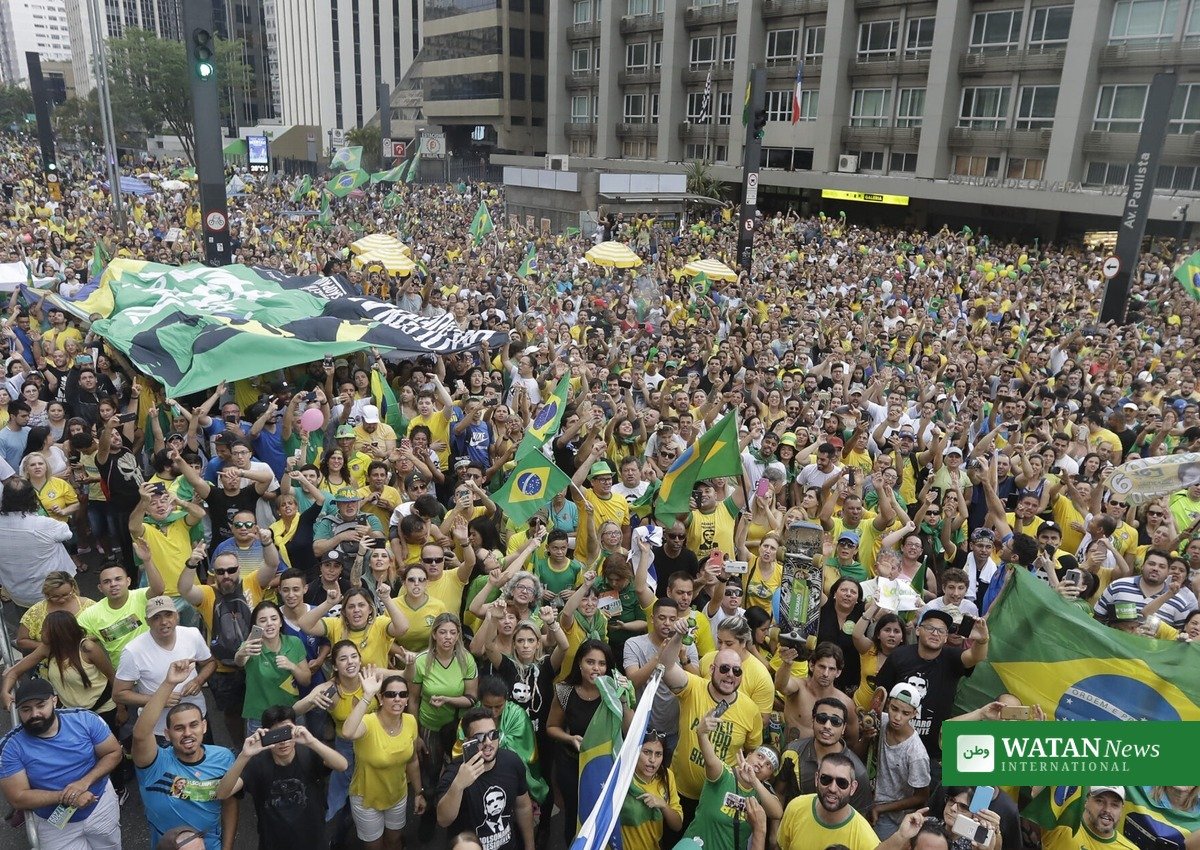
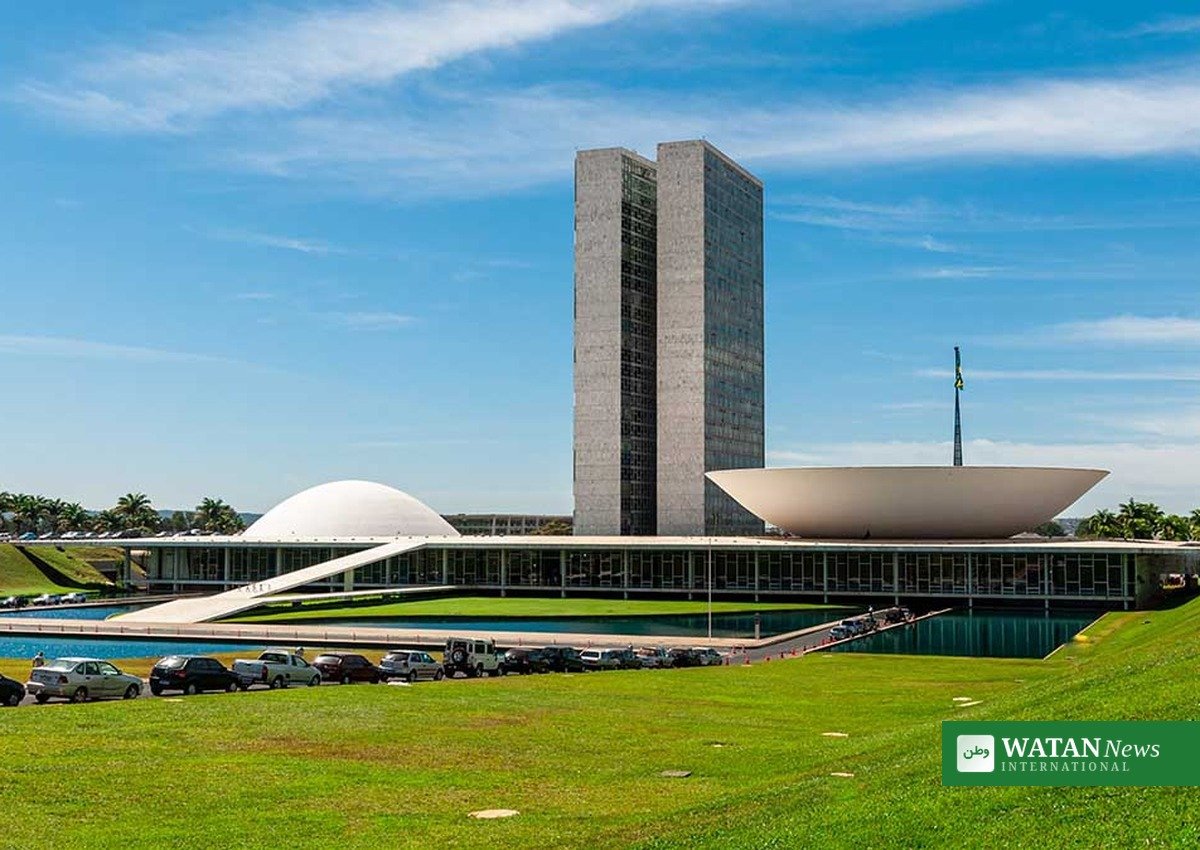
The debate caps a weekend in which supporters of both camps filled the streets. Pro-Bolsonaro crowds wearing Brazil’s national colors of yellow, green, and blue packed Paulista Avenue in São Paulo’s financial center, where the candidate appeared on a float before giving an address. In Brasília, Lula supporters dressed in red, the color of his Workers’ Party, gathered around the plaza of government buildings, while students backing the president held protests against Bolsonaro in Rio de Janeiro.
Polls show the October 25 runoff remains close. Bolsonaro carries a slight advantage into the final week after finishing nearly two percentage points ahead of Lula in the election’s first round on October 4. Both campaigns are now courting the estimated 33 million voters — about one in five eligible Brazilians — who did not vote in the first round, a bloc analysts say could decide the outcome.
Why the Brazil presidential runoff debate matters
Televised presidential debates were once a hallmark of Brazilian democracy after the end of the country’s 21-year military dictatorship in 1985, but they have lost relevance in recent cycles as leading candidates increasingly chose to stay away. The Brazil presidential runoff debate reverses that trend at the most consequential moment of the race: the October 25 vote decides Brazil’s political direction for the next four years.
With polls showing a narrow gap, campaign strategists on both sides describe the final week as a contest for the undecided and the disengaged. The debate gives voters a direct comparison between an incumbent president and an opposition senator, and both campaigns framed the weekend rallies as proof of momentum.
The social-media dispute
A dispute over whether Meta’s platforms treated the two candidates equally added tension to the final days of campaigning. Lula’s coalition said his Instagram account and posts had been restricted. According to Folha de S.Paulo, internal Meta messages acknowledged those restrictions and said the platform had recommended Bolsonaro’s profile and WhatsApp channel to users. The report has not been independently verified by Watan News, and both campaigns continue to dispute the claims.
The 33 million who stayed home
Electoral data shows about 33 million eligible voters did not cast ballots in the first round. Both camps have made appeals to first-time and absentee voters central to their closing arguments, and analysts say turnout operations in São Paulo, Minas Gerais, and Rio de Janeiro could prove decisive.
Trump waives Russia sanctions, citing national interest
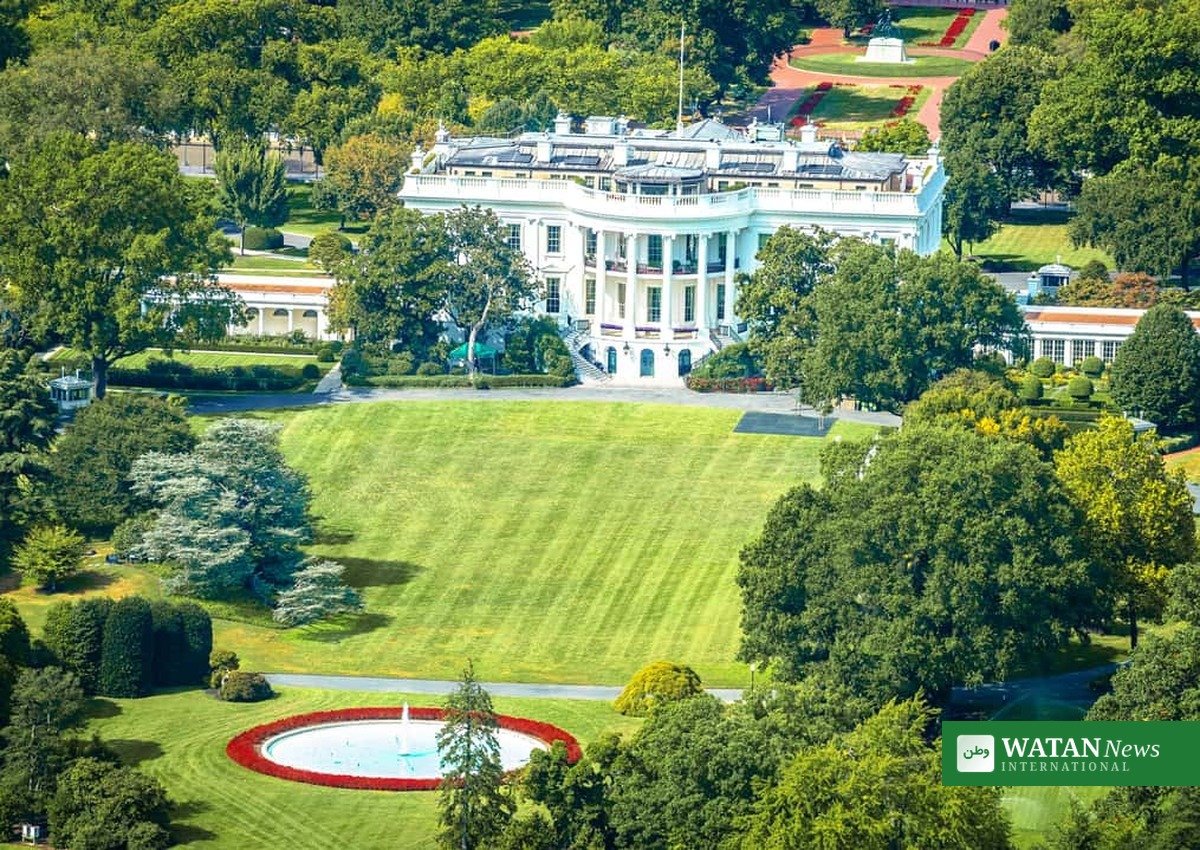
On October 16, President Donald Trump signed an executive order waiving many of the sanctions, restrictions, and duties that were due to take effect under the Lindsey O. Graham Sanctioning Russia and Iran Act of 2026, legislation Trump had signed into law in mid-September. In the order, released by the White House on Friday, Trump wrote: “I have submitted to the Congress a certification that the issuance of such a waiver at this time is in the national interests of the United States.”
The Graham Act, whose primary backer in Congress was the late Senator Lindsey Graham, would have imposed tariffs of up to 100 percent within 30 days on goods from the five largest importers of Russian crude oil or gas, and authorized duties of up to 500 percent on goods imported from Russia itself. The order waives those provisions; existing sanctions on Russia under earlier executive orders remain in place, and the diesel embargo was lifted as part of a separate supply agreement under which Moscow is to deliver more than 300,000 tonnes of diesel fuel, with further shipments in November and beyond.
Zelenskyy’s reaction
President Zelenskyy, appearing on NBC’s Meet the Press on Sunday, called the decision unfortunate. He warned that easing pressure on Moscow encourages Russia to continue its assault, writing on social media that “the decision to undo all of this, to block all of it, seems wrong to me,” adding that it “only fuels their satisfaction and their desire to keep killing people.”
The administration’s defense
US Treasury Secretary Scott Bessent defended the decision on the same program, saying “no one has been tougher” on Russian sanctions than President Trump and arguing that “no sanctions were lifted on Friday,” since only the diesel embargo was lifted and a 60-day review period applies. Bessent also pointed to European moves, noting that the United Kingdom waived its own embargo on diesel and jet fuel made with Russian crude in May.
The waiver has drawn criticism from both parties in Congress. Senator Thom Tillis of North Carolina called the decision “beyond irresponsible,” saying it was “unconscionable” for the administration to ease pressure on Russia. The Graham Act passed the House with a majority of Republicans and 58 Democrats, reflecting broad bipartisan backing for Ukraine in Congress.
| Brazil runoff snapshot | Luiz Inácio Lula da Silva | Flávio Bolsonaro |
|---|---|---|
| Role in the race | Incumbent president; Workers’ Party (PT) | Opposition senator; right-wing challenger |
| First round, October 4 | Finished nearly 2 percentage points behind | Finished nearly 2 percentage points ahead |
| Runoff polling | Trailing slightly in a close race | Holding a slight advantage |
| Weekend rallies | Red-clad supporters in Brasília; student protests in Rio | Yellow-green-blue crowds on Paulista Avenue, São Paulo |
Conclusion: two decisions, one week
The final week of Brazil’s campaign and the sanctions decision in Washington are distinct events, but both turn on the same question: who decides what happens next. In Brazil, the answer rests with voters on October 25, including the 33 million who sat out the first round. In Washington, the administration says the waiver serves the national interest and keeps fuel prices down, while Ukraine’s president and critics in Congress say it relieves pressure on Moscow at a critical moment. The Brazil presidential runoff debate gave voters their clearest direct comparison of the two candidates; the policy fight over sanctions will play out in the weeks that follow.
Related Articles
- Flávio Bolsonaro Reverses Course, Backs End to Brazil’s Six-Day Workweek Before Senate Vote
- Trump Waives Russia Sanctions Under Graham Act Days Before Tariffs Take Effect
- Zelenskyy Floats Ukraine-US-Russia Meeting at G20 Summit in Miami
Frequently Asked Questions
When is the Brazil presidential runoff?
The runoff vote is scheduled for October 25, 2026. The first round took place on October 4, and the winner of the runoff sets Brazil’s direction for the next four years.
Who is debating in the Brazil presidential runoff debate?
Incumbent President Luiz Inácio Lula da Silva of the Workers’ Party and opposition Senator Flávio Bolsonaro. The São Paulo debate on broadcaster Band was their first head-to-head televised debate of the runoff campaign.
Who leads the polls ahead of the runoff?
Polls show a close race, with Bolsonaro holding a slight advantage after finishing nearly two percentage points ahead of Lula in the first round on October 4.
Why did both candidates skip the first-round debate?
The last televised debate of the first round was canceled at the last minute after Lula and Bolsonaro both pulled out. Leading candidates have increasingly stayed away from debates in recent Brazilian elections.
What is the dispute about Meta’s platforms?
Lula’s coalition said his Instagram account and posts were restricted, while Folha de S.Paulo reported internal Meta messages acknowledging restrictions and saying the platform recommended Bolsonaro’s profile and WhatsApp channel. The claims are disputed and have not been independently verified by Watan News.
What did Trump order on Russia sanctions?
On October 16, President Trump signed an executive order waiving key sanctions, restrictions, and duties under the Lindsey O. Graham Sanctioning Russia and Iran Act of 2026 — including up to 500 percent duties on Russian goods and up to 100 percent tariffs on the top five importers of Russian oil or gas — certifying to Congress that the waiver is in the national interest.
How did Zelenskyy respond to the sanctions waiver?
Appearing on NBC’s Meet the Press, President Zelenskyy called the decision unfortunate, warning that it encourages Russia to continue its attacks. He said undoing the sanctions “seems wrong” and helps only the Russians.
Author

usman2344913@gmail.com
Related Posts
Macron Vows Accountability in National Address as France Reels From Deadly Riots
- 0
- 756 words
Emmanuel Macron's televised national address vowed accountability after deadly rioting across France left two dead, over 2,000 detained and 600+ police officers...
Read out all
Fighting Between Yemen’s Government Forces and Houthis Intensifies as Egypt Pledges Support to Saudi Arabia
- 0
- 1,805 word
The Yemen Houthi fighting escalation deepened over the weekend as Yemen’s internationally recognised government and Houthi forces battled across several fronts, reporting...
Read out all
France Cost-of-Living Protests Turn Violent: 1,800 Arrested as Pope Leo Leaves Hospital After Cancer Surgery
- 0
- 1,603 word
France’s cost-of-living protests escalated dramatically on Saturday, October 17, as nationwide demonstrations against rising living costs degenerated into looting, arson and street...
Read out all
Fires Engulf St. Petersburg Oil Terminal as Ukraine Launches Overnight Drone Offensive on Russia
- 0
- 2,133 words
One of the largest Ukraine Russia drone strikes waves of the war hit Russia overnight from October 17 to 18, 2026, setting...
Read out all
Sally Rooney Books Pulled From UK Shelves After Publisher Halts Supply Over Palestine Action Royalty Row
- 0
- 1,409 word
The Irish novelist Sally Rooney has agreed with her publisher, Faber, to withdraw all of her books from sale in the United...
Read out all
Tech Stocks AI Debt Selloff Hits Wall Street as Waymo Heads to Canada, Oil Nears $110
- 0
- 1,884 word
The tech stocks AI debt selloff deepened on Wall Street this week as investors dumped artificial intelligence and technology shares over growing...
Read out all