- 0
- 2,133 words
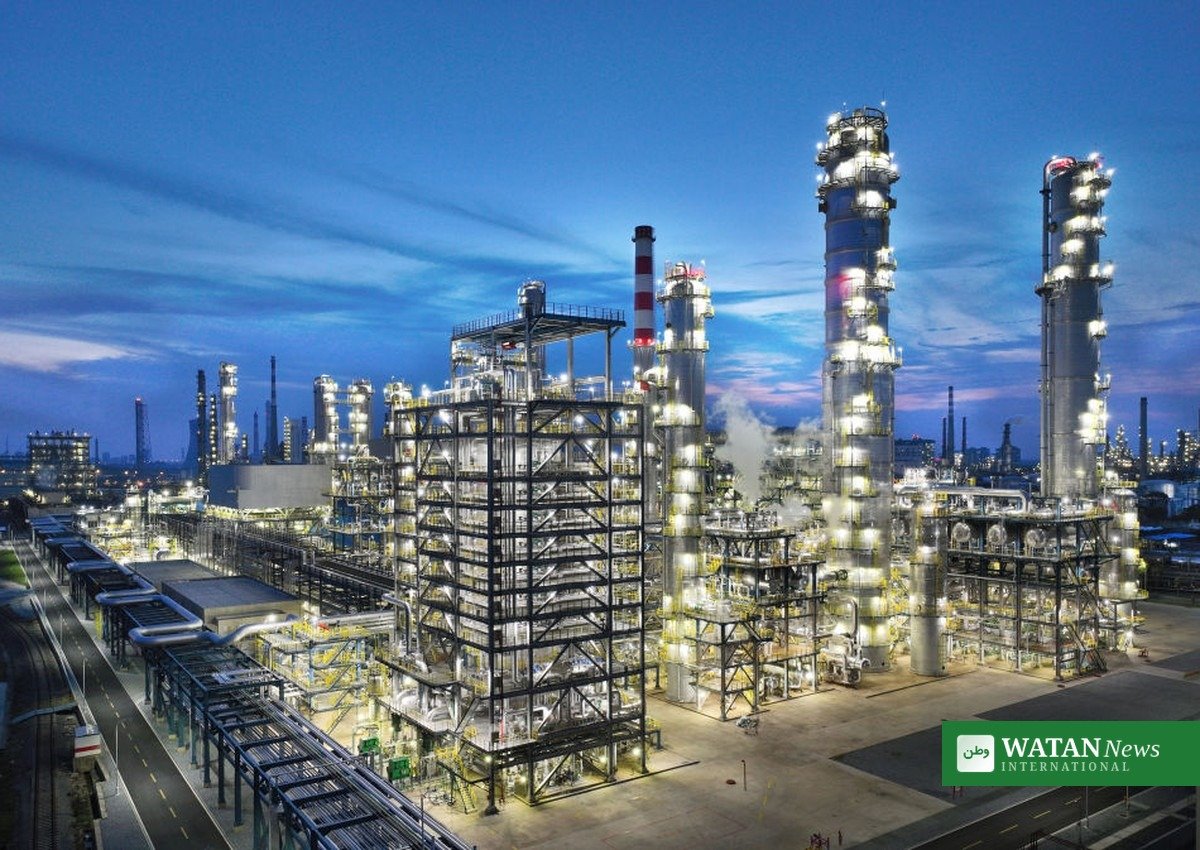
One of the largest Ukraine Russia drone strikes waves of the war hit Russia overnight from October 17 to 18, 2026, setting the Petersburg Oil Terminal and the Ruchi oil depot in St. Petersburg ablaze, with fires also reported at an Ozon logistics facility and a VK data centre, according to Russian officials and the companies involved. Russia’s Defence Ministry said its forces destroyed 1,015 Ukrainian drones during the night — a figure that has not been independently verified, and Ukraine has not publicly commented on the operation.
FAKTA
- When: Overnight, October 17–18, 2026, in St. Petersburg and the surrounding Leningrad region.
- Reported damage: Fires at the Petersburg Oil Terminal, the Ruchi oil depot and warehouses in the Kolpino district, per St. Petersburg Governor Alexander Beglov; Ozon confirmed a fire at its logistics centre; VK said its data centre in the Leningrad region was attacked but its services kept running.
- Casualties: One person killed and five injured in St. Petersburg, according to Governor Beglov; Reuters reported a broader toll of one dead and 15 injured across the city and region. Twelve apartment buildings and two houses were damaged.
- Russia’s claim: 1,015 drones destroyed between 20:00 on October 17 and 08:00 on October 18, across 15 regions, Crimea and the Black Sea (Defence Ministry); 144 of them over the Leningrad region (Governor Alexander Drozdenko). These are official Russian figures and have not been independently verified.
- Disruption: Pulkovo Airport briefly suspended operations, around 15 flights were cancelled, and two transformer substations in Yanino were knocked out, affecting roughly 20,000 residents, per regional officials and media reports.
- Context: The offensive followed Russia’s own massive overnight assault on Ukraine’s energy grid on October 16–17, an announced — but disputed — energy ceasefire, and a US decision to waive new sanctions on Russia.
Ukraine Russia drone strikes: overnight damage in St. Petersburg
Governor Alexander Beglov reported on the morning of October 18 that emergency crews were still fighting fires at the Petersburg Oil Terminal and the city’s Ruchi oil depot, with industrial warehouses in the Kolpino district also burning, according to reports by Interfax and Kommersant relaying his morning statement.
The disruption extended beyond oil storage. Russian retailer Ozon confirmed that its logistics centre had been hit and caught fire, while technology company VK acknowledged an attack on its data centre in the Leningrad region but said its services remained available, although some users reported problems. Ukrainian drone maker Fire Point said the military had struck the VK facility, according to reports.
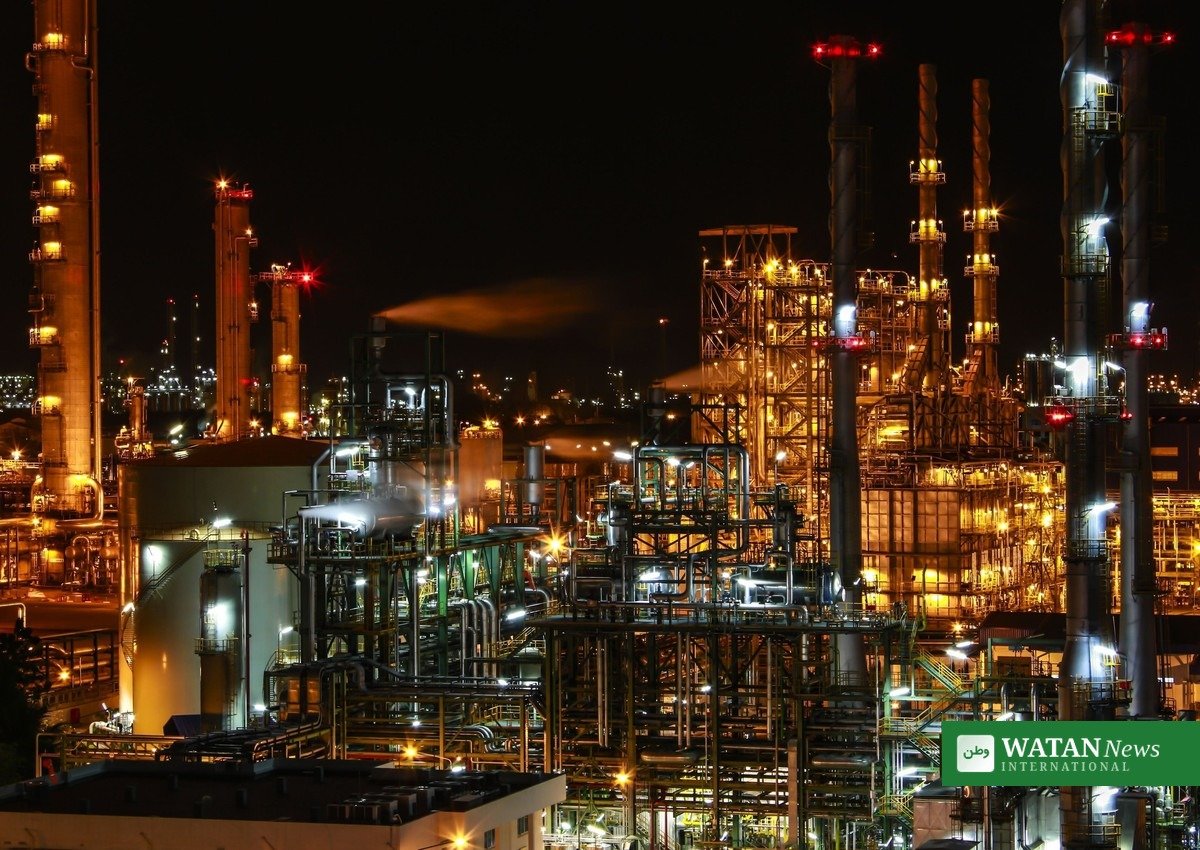
In the Leningrad region, Governor Alexander Drozdenko said two transformer substations in Yanino were out of service, affecting roughly 20,000 people, according to reporting by Euronews and ABC. Residents in several districts of St. Petersburg reported partial blackouts, though officials gave no full count. Fontanka reported that Pulkovo Airport closed around 02:03 and 15 flights had been cancelled by 07:17, and that a terrorism case had been opened.
Russia’s air-defence claims
Russia’s Defence Ministry said on October 18 that its forces had destroyed 1,015 Ukrainian drones between 20:00 on October 17 and 08:00 on October 18, across 15 Russian regions, Crimea and the Black Sea. Governor Drozdenko separately claimed that 144 drones had been downed over the Leningrad region. Both figures are official Russian claims and have not been independently verified. Ukraine’s military had not officially commented on the operation at the time of reporting.
Russia’s assault on Ukraine’s power grid the night before
The night of October 16–17 brought one of Russia’s largest attacks of the war on Ukraine’s energy system, according to Ukrainian officials. Ukraine’s air force said Russia launched 332 drones — including 31 jet-powered models — along with four Kalibr cruise missiles, Iskander-M and KN-23 ballistic missiles, and Kh-22/32 cruise missiles. Ukrainian air defences said they shot down or suppressed 293 aerial targets, including all four Kalibr missiles and 289 drones, with impacts recorded at 22 locations.
President Volodymyr Zelenskyy called the barrage “one of [Russia’s] largest attacks on Ukraine’s energy sector,” saying that more than 15 critical power generation and transmission facilities were targeted across the country. The worst-hit areas, he said, included Lutsk, Rivne, Zhytomyr and Vinnytsia, with energy facilities in the Kharkiv, Kyiv and Dnipropetrovsk regions also hit.
Civilian casualty tallies from the night varied between same-day accounts: one put deaths at seven and injuries at about 90, while another reported at least eight killed and around 60 injured. More than one million people experienced electricity outages, according to reports published after the strikes. In a separate incident the same weekend, two Russian attacks on the southern city of Zaporizhzhia killed a woman and wounded at least two other people, including a six-year-old girl, local officials said.
Two nights, two offensives: the figures side by side
Both sides’ accounts are given below as reported; figures from both militaries have not been independently verified.
| Night | October 16–17: Russia strikes Ukraine | October 17–18: Ukraine strikes Russia |
|---|---|---|
| Drones launched / claimed | 332 drones (incl. 31 jet-powered) plus missiles, per Ukraine’s air force | 1,015 drones destroyed, per Russia’s Defence Ministry (unverified) |
| Reported intercepted | 293 aerial targets downed or suppressed (Ukraine) | 144 downed over Leningrad region (Drozdenko); airport and power disrupted |
| Infrastructure hit | 15+ power generation and transmission facilities (Zelenskyy) | Petersburg Oil Terminal, Ruchi depot, Ozon logistics centre, VK data centre |
| Reported casualties | 7–8 killed, 60–90 injured, >1 million without power | 1 killed, 5–15 injured; 12 apartment buildings damaged |
Energy ceasefire unravels
The escalation came one week after US President Donald Trump announced on social media on October 11 that an energy ceasefire between Russia and Ukraine was in effect immediately, claiming both sides had agreed. The announcement contained no publicly disclosed terms, and Moscow never confirmed an agreement. Zelenskyy told Axios at the time that the announcement was “news for me,” while adding that Ukraine was ready to refrain from striking Russian energy infrastructure if Russia did the same.
A White House official later told Axios that the proposal only covered attacks on oil refineries — described as “refinery for refinery” — rather than wider energy infrastructure, and that Russia was still considering it, contradicting Trump’s claim that both sides had already agreed. Hours after Trump’s announcement, Russian drones hit a power plant in Kharkiv, according to Zelenskyy. Speaking to reporters on October 12, Trump insisted the truce was in place: “They agreed. You know why? Because I said, ‘You agree’ — that’s why.”
Ukraine later confirmed it had resumed strikes on Russian oil infrastructure after a three-day pause. Writing on X on October 18, Zelenskyy said Russia had attacked Ukraine’s energy, oil and gas sectors 76 times since Trump’s ceasefire announcement, adding: “America should see that Russia is not taking any reciprocal steps in response to sanctions relief or agreements.”

US sanctions waived days before deadline
On October 16, Trump signed an executive order waiving most of the new sanctions, restrictions and duties in the Lindsey O. Graham Sanctioning Russia and Iran Act — legislation he had signed on September 18, named after the late Senator Lindsey Graham — just days before the measures were due to take effect on October 18. Trump certified to Congress that the waiver was “in the national interests of the United States,” as the act’s waiver provision requires. The White House said enforcing the sanctions now would impede US efforts to negotiate a peace agreement between Russia and Ukraine, Axios reported, while sanctions imposed under earlier executive orders remain in place.
The order set a tariff framework of up to 500% on Russian goods and 100% on the top five importers of Russian crude oil, while simultaneously waiving those same measures. It drew criticism from Republican lawmakers: Senator Thom Tillis called the move “beyond irresponsible,” Senator John Cornyn wrote that “Lindsey would be appalled,” and Senator Richard Blumenthal, who helped draft the law, accused Trump of turning his back on Congress and European allies. Representative Thomas Massie, who had voted against the bill, praised the waiver.
Zelenskyy called the decision “unfortunate” but avoided directly criticising Trump. “A decision was unfortunately made in America to completely disregard the Lindsey Graham Act, which was supposed to impose truly effective pressure on Russia to bring this war to an end,” he wrote, adding that he feared the lifting of sanctions would continue and that “the diesel deal is just the first step.” In a Meet the Press interview, Zelenskyy said the waived sanctions were “strengthening Putin’s war against us,” according to NBC. Trump told reporters at a Florida fundraiser on October 17 that the decision was a good one for the United States and the world. The waiver followed a US deal with Russia to import Russian diesel in an effort to lower fuel prices — a deal that followed days of US pressure on Ukraine to halt its attacks on Russian refineries, which Trump blames for rising diesel costs.
Starlink speed limits complicate Ukraine’s drone defence
A parallel dispute centres on Starlink. On October 14, SpaceX introduced a speed restriction overnight on Starshield — the military-grade satellite service used by Ukrainian forces — without warning, according to Serhii Beskrestnov, a technology adviser to Zelenskyy. Ukrainian officials said terminals mounted on moving equipment began losing connection at speeds around 160 km/h (100 mph), disrupting strike drones, interceptor drones and some front-line communications and logistics.
On October 16, Zelenskyy said the movement-speed limit had been lowered to 70 km/h and that the restriction was impairing some interceptions of Russian jet-powered Shahed drones, as well as drone deliveries of supplies to military positions. Connections at speeds up to 160 km/h were later partly restored, though a wider cap remained, Ukrainian officials said. Elon Musk has said Starshield is controlled by the US government, with operating limits set by the military and ultimately the president. Trump said he had not restricted Ukraine’s access to Starlink. Beskrestnov said Ukraine was negotiating with SpaceX and the Pentagon to lift the remaining caps.
Conclusion
The October 17–18 offensive marks a sharp intensification of the energy and infrastructure war between Ukraine and Russia, with both sides now trading large-scale strikes on each other’s fuel, power and commercial systems. Diplomatic efforts — Trump’s October 11 energy-ceasefire announcement, the waived US sanctions and the Russian diesel deal — have so far failed to slow the fighting, and both capitals say the other side is violating the terms it never formally accepted. With winter approaching and more than 15 Ukrainian energy facilities struck in a single night, the coming weeks will test whether either side’s air defences — and the diplomacy around them — can hold.
Related Articles
- Ukraine Launches One of War’s Largest Drone Attacks, Setting St. Petersburg Oil Terminal Ablaze
- Trump’s Energy Ceasefire Between Russia and Ukraine Strained as Strikes Continue and Sanctions Are Waived
- Zelenskyy Floats Ukraine-US-Russia Meeting at G20 Summit in Miami
- Russia Extends Drone Attacks Deeper Into Western Ukraine, Expert Warns
Frequently Asked Questions
How many drones did Ukraine launch at Russia on October 17–18?
There is no independently verified count of how many drones were launched. Russia’s Defence Ministry said its forces destroyed 1,015 Ukrainian drones between 20:00 on October 17 and 08:00 on October 18, and the Leningrad region’s governor claimed 144 were downed over his region. Both are official Russian figures. Ukraine’s military had not publicly commented on the operation at the time of reporting.
What was damaged in St. Petersburg?
Fires were reported at the Petersburg Oil Terminal, the Ruchi oil depot and warehouses in the Kolpino district, according to Governor Alexander Beglov. Ozon confirmed a fire at its logistics centre, and VK said its data centre in the Leningrad region was attacked, though it said services kept running. Two transformer substations in Yanino were knocked out, affecting about 20,000 residents.
What did Russia do the night before?
Overnight October 16–17, Russia launched 332 drones — including 31 jet-powered models — plus cruise and ballistic missiles at Ukraine, according to Ukraine’s air force. President Zelenskyy said more than 15 critical power generation and transmission facilities were targeted, calling it one of Russia’s largest attacks on Ukraine’s energy sector.
Is there an energy ceasefire between Russia and Ukraine?
US President Donald Trump announced on October 11 that an energy ceasefire was in effect immediately, but the announcement had no published terms, Moscow never confirmed it, and Zelenskyy said he learned of it from the news. Strikes on energy infrastructure continued on both sides afterwards.
What happened to the US sanctions on Russia?
On October 16, Trump signed an executive order waiving most of the new sanctions in the Lindsey O. Graham Sanctioning Russia and Iran Act, days before they were due to take effect. He certified to Congress that the waiver served the US national interest. The move drew criticism from Republican and Democratic lawmakers alike, while Zelenskyy called it “unfortunate.”
What is the Starlink dispute about?
On October 14, SpaceX introduced speed limits on Starshield — the military-grade satellite service used by Ukrainian forces — without warning, according to Ukrainian officials. They say the caps disrupt the control of interceptor drones and some front-line logistics. Elon Musk has said Starshield is controlled by the US government, which sets its operating limits; service has been partly restored while negotiations continue.
Author

usman2344913@gmail.com
Related Posts

Fighting Between Yemen’s Government Forces and Houthis Intensifies as Egypt Pledges Support to Saudi Arabia
- 0
- 1,805 word
The Yemen Houthi fighting escalation deepened over the weekend as Yemen’s internationally recognised government and Houthi forces battled across several fronts, reporting...
Read out all
France Cost-of-Living Protests Turn Violent: 1,800 Arrested as Pope Leo Leaves Hospital After Cancer Surgery
- 0
- 1,603 word
France’s cost-of-living protests escalated dramatically on Saturday, October 17, as nationwide demonstrations against rising living costs degenerated into looting, arson and street...
Read out all
Sally Rooney Books Pulled From UK Shelves After Publisher Halts Supply Over Palestine Action Royalty Row
- 0
- 1,409 word
The Irish novelist Sally Rooney has agreed with her publisher, Faber, to withdraw all of her books from sale in the United...
Read out all
Tech Stocks AI Debt Selloff Hits Wall Street as Waymo Heads to Canada, Oil Nears $110
- 0
- 1,884 word
The tech stocks AI debt selloff deepened on Wall Street this week as investors dumped artificial intelligence and technology shares over growing...
Read out all
Lula and Flávio Bolsonaro Face Off in Brazil’s First Runoff Debate as Trump Pauses Russia Sanctions
- 0
- 1,675 word
Brazil’s first direct televised showdown between President Luiz Inácio Lula da Silva and Senator Flávio Bolsonaro has brought the October 25 runoff...
Read out all
EITB’s ‘Bizi Natura’ Wins Basque Environmental Communication Award 2026
- 0
- 957 words
The Basque Association of Journalists and the Basque College of Journalists have announced that EITB’s wildlife programme “Bizi Natura” is the winner...
Read out all