- 0
- 1,603 word
France’s cost-of-living protests escalated dramatically on Saturday, October 17, as nationwide demonstrations against rising living costs degenerated into looting, arson and street clashes that left parts of several cities devastated. On the same day, Pope Leo XIV was discharged from Rome’s Gemelli Hospital, four days after surgeons removed the lower lobe of his right lung and confirmed a diagnosis of lung cancer.
FAKTA
- France cost-of-living protests on October 17 drew more than 550,000 demonstrators nationwide, according to the Interior Ministry, with organisers estimating up to 800,000.
- Between 1,200 and 1,800 people were arrested across France, and around 150 police officers were injured, official tallies reported.
- Limoges’ historic town hall, a building more than 140 years old, was largely destroyed by a deliberately set fire; Lyon’s tourist office was also set ablaze.
- President Emmanuel Macron said those responsible would be prosecuted and punished; Prime Minister Sébastien Lecornu condemned arson and looting.
- Pope Leo XIV left Rome’s Gemelli Hospital on October 17 after successful lung surgery; his November trip to Uruguay, Argentina and Peru remains on the schedule.
France cost-of-living protests turn violent across the country
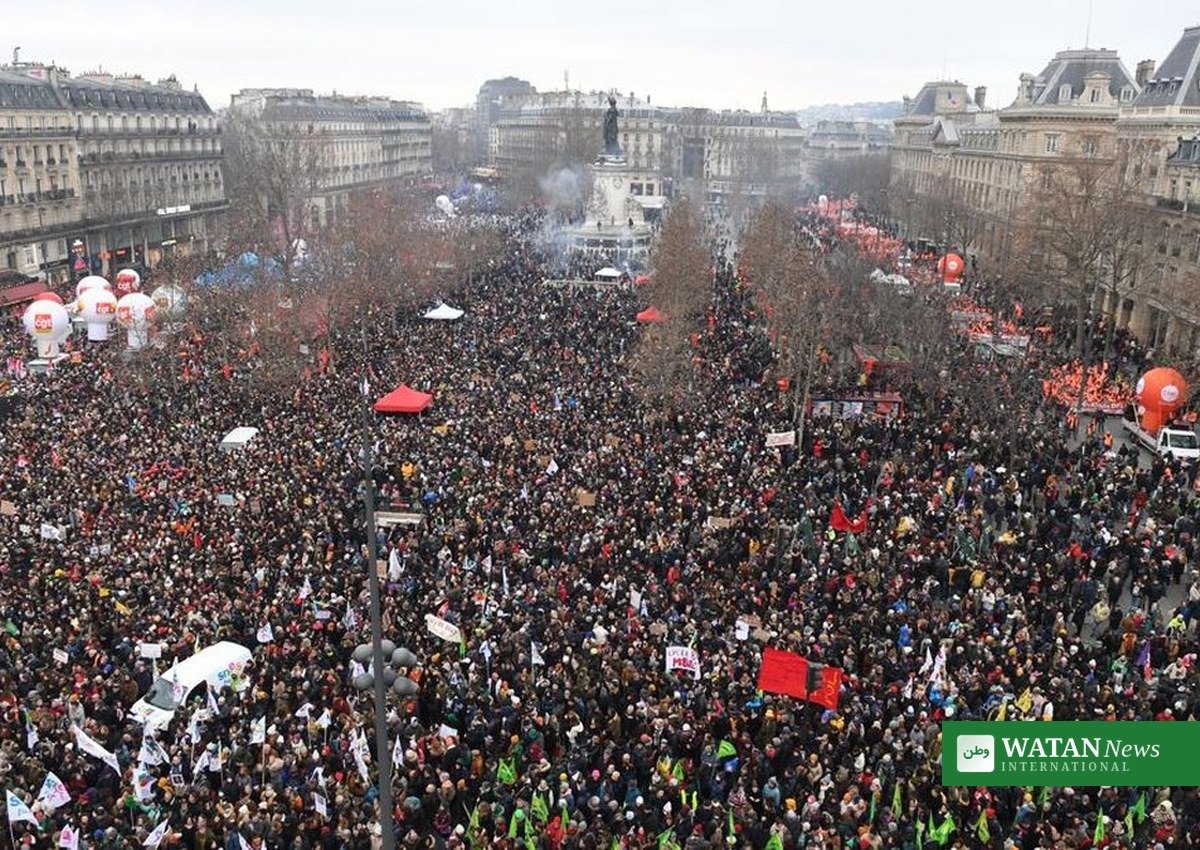
Hundreds of thousands of people took to the streets across France on Saturday, October 17, for what had been billed as a nationwide mobilisation over rising living costs, falling purchasing power and strained public services. The marches followed weeks of student-led demonstrations and were joined by trade unions, the Yellow Vests movement and sections of the left.
According to the Interior Ministry, more than 550,000 people participated in demonstrations nationwide. The CGT union, which took part in the mobilisation, estimated the turnout at about 800,000. While the majority of marches remained peaceful, violence erupted on the sidelines in Paris and in numerous other cities, where masked groups attacked shops, torched vehicles and confronted police.
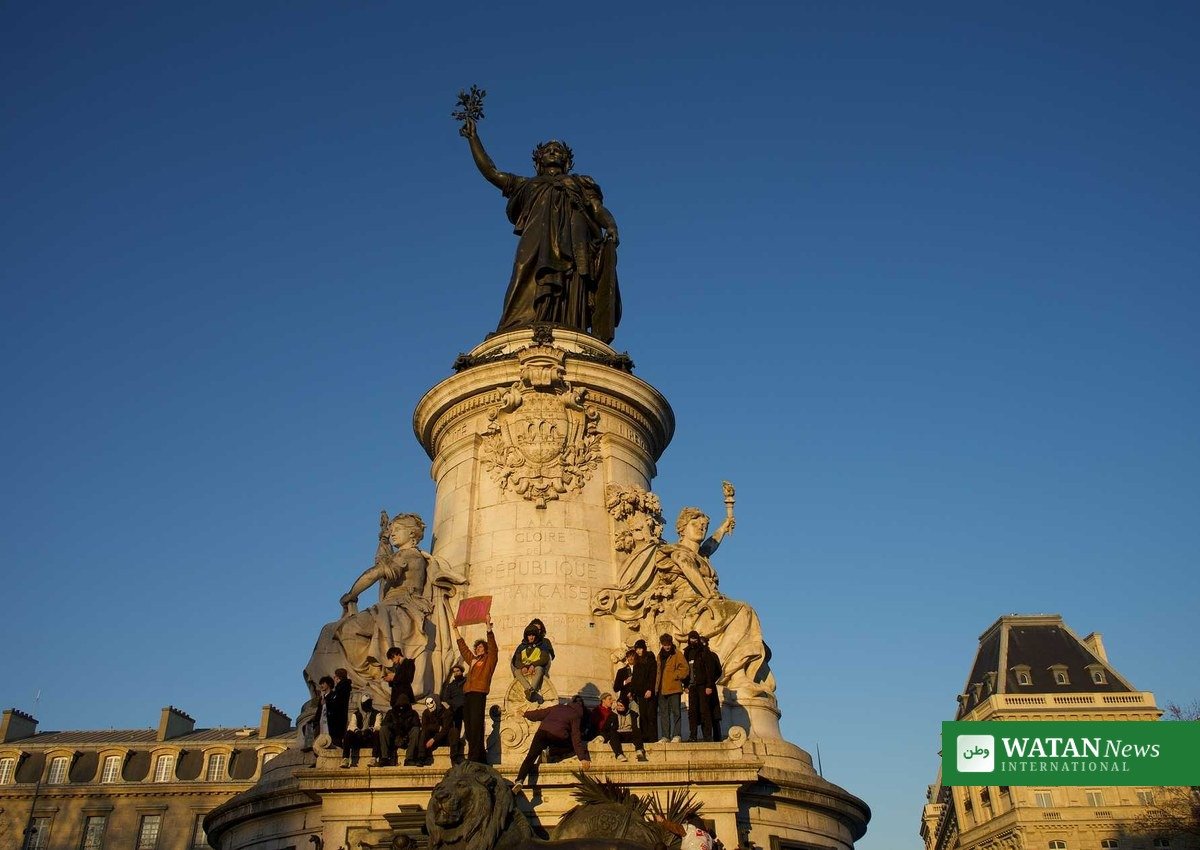
In Paris, AFP reporters saw organised groups of masked young men disconnecting security cameras before smashing shop windows near Place de la République. Cars were torched at the Canal Saint-Martin, and looted furniture was thrown onto fires. Paris Mayor Emmanuel Grégoire said whole streets in the capital had been devastated.
Damage spreads beyond the capital
The unrest extended far beyond Paris. In Limoges, a fire deliberately set by masked individuals largely destroyed the historic town hall, a landmark more than 140 years old, with the bell tower collapsing as the ground floor burned. Municipal buildings in Marseille and Lille were vandalised and broken into, while protesters set fire to Lyon’s tourist office. Shops — including supermarkets, pharmacies, luxury boutiques and electronics stores — were looted in Marseille, Nice, Nantes, Bordeaux, Limoges, Lille, Toulouse and Strasbourg, according to AFP reports.
Police responded with tear gas and water cannon as demonstrators threw stones, fireworks and other projectiles at security personnel. In Saint-Étienne, a 17-year-old boy lost his hand after being struck by a crowd-control grenade. Interior Minister Laurent Nuñez said there had been a “clear desire” to target public buildings in many cities, while the Prime Minister accused far-left militants and opportunistic looters of driving the destruction.
European neighbours also on edge
The discontent spilled across borders. In Brussels, several hundred mostly young demonstrators clashed with police; officers used tear gas and water cannon, and a car was overturned, according to a Reuters witness. The unrest followed weeks of student protests over university registration fees. Belgian Interior Minister Bernard Quintin said “what is unfolding in Brussels is no longer mere protest.” Police also used water cannon in Liège. Large cost-of-living demonstrations were also reported in Portugal and Italy, where clashes near Milan’s Piazza del Duomo led to dozens of detentions.
Official response
President Emmanuel Macron wrote on X: “There is no place for violence in the Republic. Those who broke, attacked and looted will be brought to justice and punished. To the law enforcement authorities, who enable the right to protest, I express the nation’s support. We will stand united against those who sow chaos.”
Prime Minister Sébastien Lecornu, who visited police deployed in central Paris, said late on Saturday that about 1,200 people had been arrested and 150 police officers injured. On Sunday, the Interior Minister put the arrest total at about 1,800. Lecornu said: “Peaceful demonstrations have their rightful place in our Republic. Arson, looting, and attacks have no place whatsoever.” The government has activated an interministerial crisis cell and opened judicial investigations.
| Figure | Interior Ministry / police | Organisers / other tallies |
|---|---|---|
| Demonstrators nationwide | About 550,000 | About 800,000 (CGT union) |
| Arrests across France | About 1,800 (Sunday figure) | 855 in Paris alone, a record (Paris police) |
| Security personnel injured | At least 150 police officers | Over 500 across services (aggregate reports) |
Pope Leo XIV discharged after lung cancer surgery
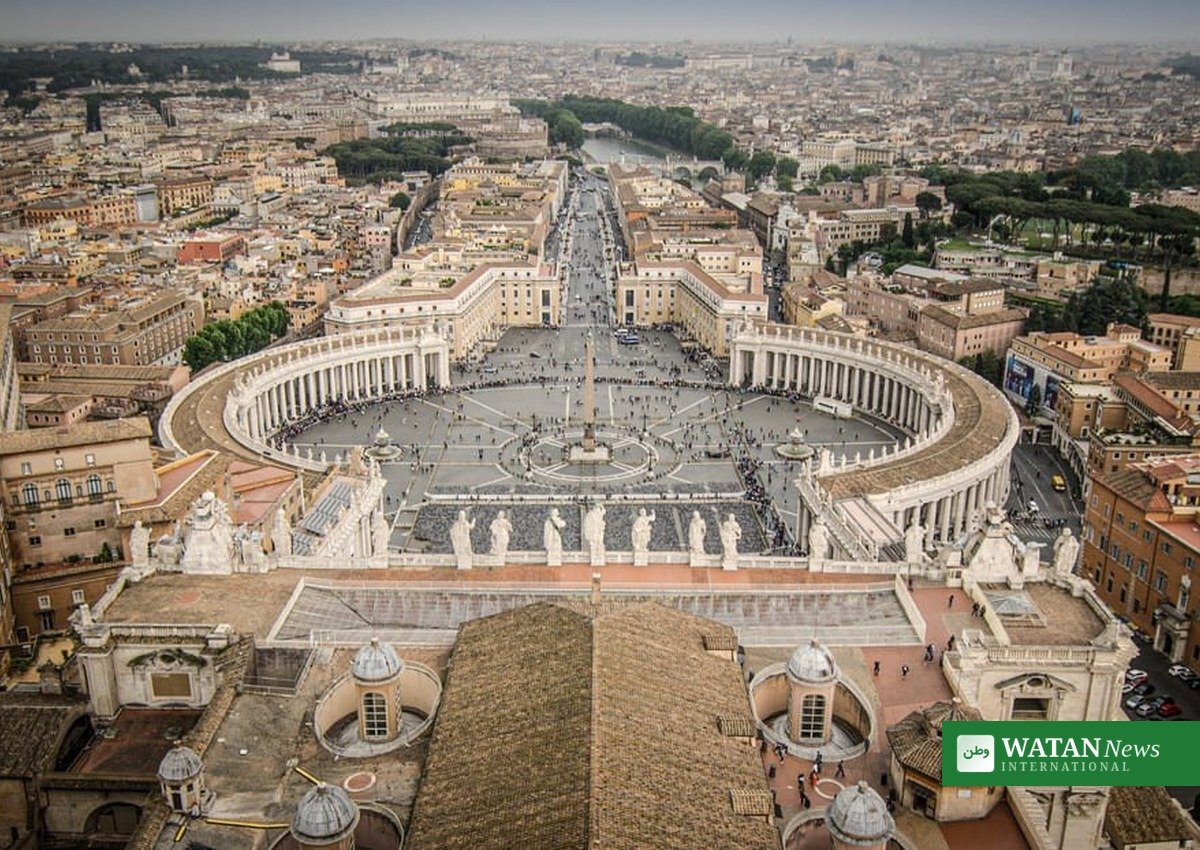
Pope Leo XIV left Rome’s Agostino Gemelli Hospital on Saturday, October 17, four days after surgeons removed the lower lobe of his right lung and confirmed that he has lung cancer. The 71-year-old pontiff waved to well-wishers as he was driven back to the Vatican, telling a reporter he was feeling “much better,” according to the Associated Press.
The Vatican’s Press Office said doctors Luigi Carbone and Stefano Margaritora assessed the Pope on Saturday morning with blood tests and a chest X-ray, concluding that his clinical condition allowed for discharge. The operation, performed on Tuesday, October 13, removed a small lung nodule that tissue examination confirmed as lung adenocarcinoma, a common form of lung cancer. The Vatican has described the surgery as successful and without complications. Before leaving, the Pope celebrated Mass in a room prepared for him on the hospital’s tenth floor.
His doctors have not yet disclosed whether the disease has spread to nearby lymph nodes — a key factor in determining the prognosis — and staging tests remain ongoing. Those results will determine whether any further treatment is required. Margaritora told Vatican News that he expected the Pope to be fully recovered from the surgery in about ten days.
November South America trip still planned
Despite the operation, preparations continue for the Pope’s November trip to Uruguay, Argentina and Peru, scheduled for November 6 to 17 — a journey covering roughly 19,000 miles that would be the longest of his papacy to date. Vatican Press Office director Matteo Bruni said definitive confirmation will depend on the evolution of the Pope’s health in the coming days. Cardinal Tarcisio Isao Kikuchi, who met the Pope before his hospitalisation, said the pontiff wanted the treatment done promptly precisely so he would not have to cancel his planned trips abroad.
While in hospital, the Pope also spoke by phone with Russian President Vladimir Putin, calling for a ceasefire to allow aid deliveries and civilian evacuation in the Ukrainian city of Oleshky. On Sunday, October 18, he is expected to lead the Angelus prayer from the window of the papal apartment — his first public engagement since the surgery.
Conclusion
October 17 was a day of sharp contrasts for France and the wider region: a nationwide protest movement over the cost of living that produced genuine mass turnouts but also some of the worst scenes of looting and arson in years, leaving businesses gutted, a historic town hall in ashes and thousands of arrests — while the Vatican closed a difficult week with the reassuring image of a recovering pontiff waving from his car. Both stories remain open: French authorities now face the long work of prosecutions and damage assessments, and the Pope’s November travel plans await the final medical results.
Related Articles
- Mass Protests Set to Sweep France as Students, Unions and Yellow Vests Join Forces
- Historic Limoges Town Hall Largely Lost as French Riots Escalate
- Vatican Confirms Pope Leo XIV Has Lung Cancer After Successful Surgery
- Pope Leo XIV’s Lung Surgery Successful, Vatican Confirms
Frequently Asked Questions
What were the October 17 protests in France about?
They were nationwide demonstrations over the rising cost of living, falling purchasing power and strained public services, building on weeks of student-led protests over education conditions. The mobilisation was joined by trade unions, the Yellow Vests movement and sections of the left.
How many people were arrested during the France cost-of-living protests?
Prime Minister Sébastien Lecornu said late on October 17 that about 1,200 people had been arrested; on Sunday, Interior Minister Laurent Nuñez put the total at about 1,800 nationwide, with 855 arrests in Paris alone. At least 150 police officers were injured.
What damage was reported in French cities?
Cars were torched in Paris, shops looted across nine cities including Marseille, Nice, Nantes, Bordeaux and Strasbourg, municipal buildings vandalised in Marseille and Lille, Lyon’s tourist office set on fire, and Limoges’ historic town hall largely destroyed by a deliberately set blaze.
Did the protests spread outside France?
Yes. Demonstrations also took place in Belgium, where police used tear gas and water cannon in Brussels and Liège; in Portugal, where tens of thousands marched in Lisbon; and in Italy, where clashes near Milan’s Piazza del Duomo led to dozens of detentions.
What did President Macron say about the violence?
He said there was “no place for violence in the Republic,” pledged that those who broke, attacked and looted would be brought to justice and punished, and expressed the nation’s support for law enforcement.
Why was Pope Leo XIV hospitalised?
He underwent surgery on October 13 to remove a small lung nodule; tissue examination confirmed lung adenocarcinoma, a common form of lung cancer. Surgeons removed the lower lobe of his right lung, and the Vatican described the operation as successful.
Is the Pope’s November trip to South America still on?
Preparations continue for the November 6–17 trip to Uruguay, Argentina and Peru, but the Vatican says definitive confirmation depends on his health in the coming days. His surgeon said he saw no clinical reason the trip could not take place.
Author

usman2344913@gmail.com
Related Posts
Fighting Between Yemen’s Government Forces and Houthis Intensifies as Egypt Pledges Support to Saudi Arabia
- 0
- 1,805 word
The Yemen Houthi fighting escalation deepened over the weekend as Yemen’s internationally recognised government and Houthi forces battled across several fronts, reporting...
Read out all
Fires Engulf St. Petersburg Oil Terminal as Ukraine Launches Overnight Drone Offensive on Russia
- 0
- 2,133 words
One of the largest Ukraine Russia drone strikes waves of the war hit Russia overnight from October 17 to 18, 2026, setting...
Read out all
Sally Rooney Books Pulled From UK Shelves After Publisher Halts Supply Over Palestine Action Royalty Row
- 0
- 1,409 word
The Irish novelist Sally Rooney has agreed with her publisher, Faber, to withdraw all of her books from sale in the United...
Read out all
Tech Stocks AI Debt Selloff Hits Wall Street as Waymo Heads to Canada, Oil Nears $110
- 0
- 1,884 word
The tech stocks AI debt selloff deepened on Wall Street this week as investors dumped artificial intelligence and technology shares over growing...
Read out all
Lula and Flávio Bolsonaro Face Off in Brazil’s First Runoff Debate as Trump Pauses Russia Sanctions
- 0
- 1,675 word
Brazil’s first direct televised showdown between President Luiz Inácio Lula da Silva and Senator Flávio Bolsonaro has brought the October 25 runoff...
Read out all
EITB’s ‘Bizi Natura’ Wins Basque Environmental Communication Award 2026
- 0
- 957 words
The Basque Association of Journalists and the Basque College of Journalists have announced that EITB’s wildlife programme “Bizi Natura” is the winner...
Read out all