- 0
- 1,884 word
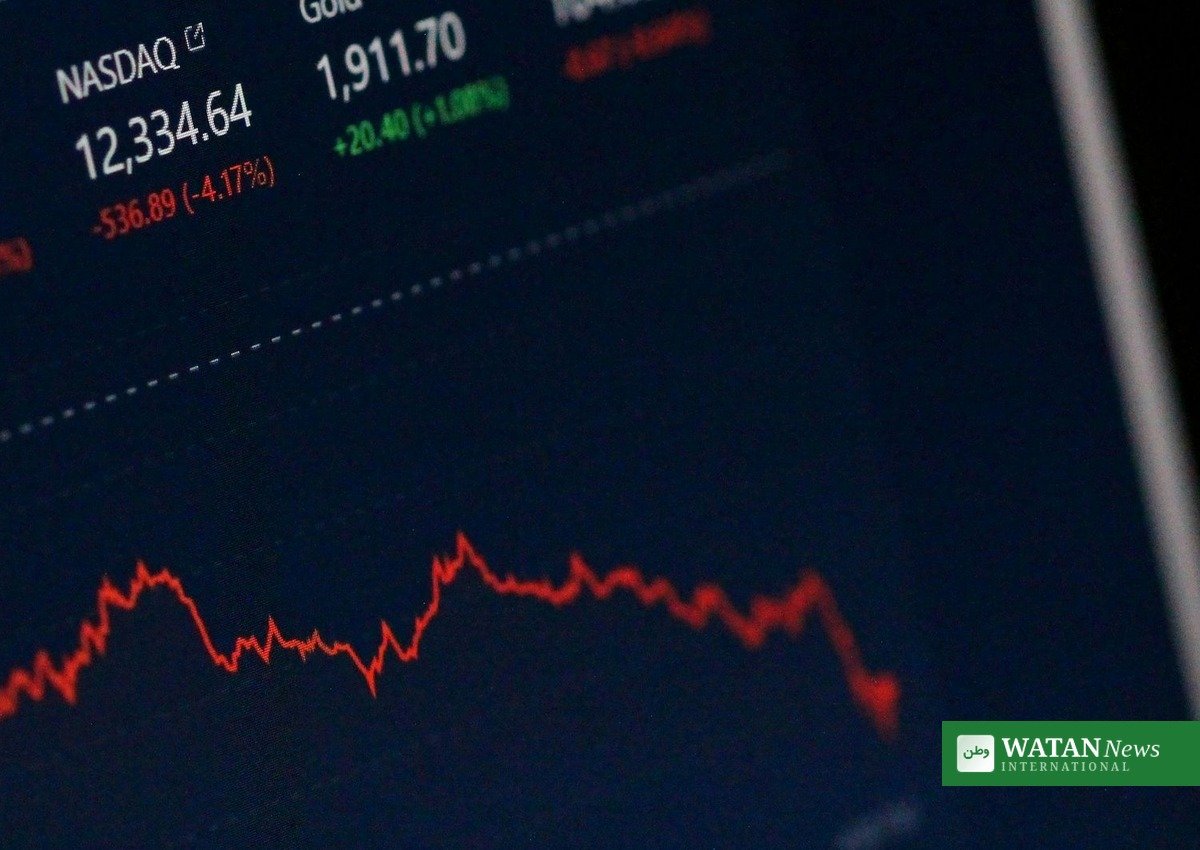
The tech stocks AI debt selloff deepened on Wall Street this week as investors dumped artificial intelligence and technology shares over growing fears about how the industry’s massive data-centre buildout is being financed. The Nasdaq suffered its worst week since June, with chipmakers and AI infrastructure names leading the losses, while debt markets flashed warning signs around heavily borrowed AI cloud providers. The same week brought two bright spots for technology investors: Alphabet’s Waymo announced its first international robotaxi expansion, in Toronto, Canada, and a Denver biotech startup won the Startup Battlefield at TechCrunch Disrupt 2026. Brent crude hovered near $110 a barrel as the IMF and World Bank annual meetings wrapped up in Bangkok against a backdrop of high energy prices and rising global debt.
FAKTA
- U.S. stocks finished Friday sharply lower: the Dow Jones fell 0.34% to 52,002.41, the S&P 500 dropped 1.09% to 7,659.44 and the Nasdaq 100 sank 2.50% to 29,187.55, capping the Nasdaq’s worst week since June, according to market data reported by TipRanks.
- AI infrastructure stocks were hit hardest: CoreWeave and Nebius lost about 15% over five trading days, CoreWeave later slumped almost 12% in a single session to $61.39, and yields on some of its bonds approached 15%, reflecting fears over the debt funding the AI buildout.
- Goldman Sachs highlighted stress in the AI debt market: spreads on high-yield AI-related debt widened by 25 basis points between October 13 and 14, reaching 360 basis points above U.S. Treasuries, while non-AI debt spreads widened by just two basis points.
- The selloff went global: South Korea’s Kospi plunged 7.6% on Thursday, triggering a trading halt, and Japan’s Nikkei fell 4.9%, as semiconductor shares slid across Asia.
- Alphabet’s Waymo announced on Friday, October 16, that it plans to bring its autonomous ride-hailing service to Toronto in 2028, its first planned deployment in Canada and its first international market, partnering with Element Fleet Management.
- Intero Biosystems won the Startup Battlefield Cup and a $100,000 prize at TechCrunch Disrupt 2026 in San Francisco, beating four other finalists with its lab-grown intestinal organoids for drug testing.
- Brent crude hovered near $110 a barrel as the IMF and World Bank annual meetings concluded in Bangkok on October 18; the IMF assumes an average oil price of $95.74 a barrel for 2026.
Wall Street’s brutal week for technology
Friday’s session sealed a bruising week for U.S. equities. A broad selloff in AI and technology shares dragged the Nasdaq to its worst week since June, while the 10-year U.S. Treasury yield ended the day around 5.10% after spiking to 5.33% earlier in the week on hotter-than-expected consumer inflation data. Gold rose 0.33% to $4,188.50 as investors sought safety, the VIX stood at 19.99, and six of the 11 S&P 500 sector indexes declined, led by communication services and information technology.
Why the Tech Stocks AI Debt Selloff Happened
The immediate worry is not simply that technology shares are expensive, but that some of the businesses funding data centres and chips may face a tighter financing environment before their revenues catch up. Investors began asking harder questions about how much of the enormous AI spending boom is backed by debt rather than cash, a shift in tone from the past couple of years, when AI spending was treated almost unconditionally as good news.
CoreWeave, an AI cloud provider that has become the focal point of the anxiety, carries tens of billions of dollars in debt — Reuters, cited by TheStreet, put the figure at around $50 billion. Its shares fell about 7% on Thursday after plunging 15.5% the previous day, and ended the week down roughly 25%. The concern also showed up in bond markets: yields on some CoreWeave bonds approached 15%, a sign lenders are demanding far more compensation to hold the company’s debt. Nvidia chief executive Jensen Huang tried to calm nerves at an event in Stockholm, saying of CoreWeave: “Their cost of capital is actually decreasing.” Nvidia’s own shares still slipped about 1.5%, while Meta fell nearly 4%; Apple was the only member of the so-called Magnificent Seven to rise.
Semiconductor shares bore the brunt of the selling. The Philadelphia Semiconductor Index fell 3.83% on Friday with every one of its 30 members in the red: Arm Holdings dropped nearly 7%, AMD lost about 6%, and Intel and Micron each fell more than 5.5%. Memory and storage names were hit hard too, with Seagate, Western Digital and SanDisk all down roughly 7%. Dell dropped 8% on Thursday, and Chinese semiconductor maker CXMT’s reported progress in advanced memory chips raised questions about the future profitability of established chipmakers.
| Index | Friday close | Daily change |
|---|---|---|
| Dow Jones Industrial Average | 52,002.41 | -0.34% |
| S&P 500 | 7,659.44 | -1.09% |
| Nasdaq 100 | 29,187.55 | -2.50% |
| Philadelphia Semiconductor Index | — | -3.83% (all 30 members lower) |
| South Korea’s Kospi (Thursday) | — | -7.6% (trading halted) |
| Japan’s Nikkei (Thursday) | — | -4.9% |
Bond markets added to the pressure on richly valued technology shares. Speaking at an IMF meeting in Bangkok, Federal Reserve Chair Kevin Warsh declined to signal upcoming rate moves, remarking: “It’s a new chapter at the Fed, and we’re not in that business anymore.” Traders are now pricing an 89% chance of a rate hike by December, according to CME FedWatch data. For context on the broader AI-stock turbulence this month, see our earlier report: Global AI Stock Selloff Hammers Hedge Funds as KOSPI Plunges to Six-Month Low.
Waymo’s first international move: Toronto, Canada
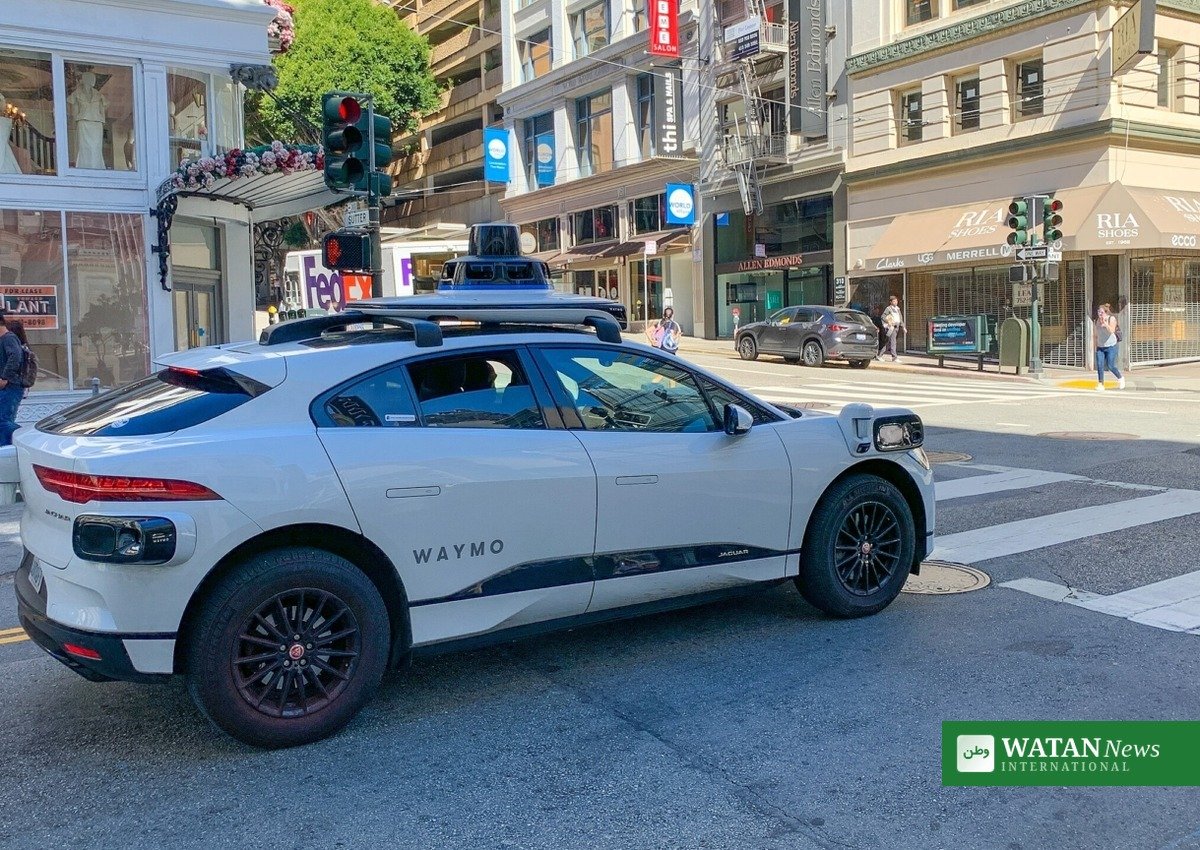
Amid the market turmoil, Alphabet’s Waymo announced on Friday that it plans to bring its autonomous ride-hailing service to Toronto in 2028, marking the self-driving company’s first planned deployment in Canada and its first international market. The company said it would partner with Element Fleet Management for fleet operations as it expands beyond the United States to markets including London and Tokyo.
Waymo said it will begin groundwork in Canada’s largest city, including mapping and engagement with local authorities, as it prepares for a future deployment of the Waymo Driver. The company also plans to create hundreds of jobs over time in fleet maintenance, validation driving, customer service and other operations functions. Waymo already operates commercial robotaxi services in several U.S. cities.
Disrupt 2026: Intero Biosystems takes the Startup Battlefield Cup
At TechCrunch Disrupt 2026 in San Francisco, 20 startups competed over three days in the Startup Battlefield, chosen from the Startup Battlefield 200, for the Startup Battlefield Cup and a $100,000 prize. After hours of deliberation, the five finalists — Apate, Flox Intelligence, Intero Biosystems, Industrial Next and Satlyt — pitched to a final panel of judges including Alexa von Tobel of Inspired Capital, Chi-Hua Chien of Goodwater Capital, Dayna Grayson of Construct Capital, Karl Alomar of M13 and Stacy Brown-Philpot of Cherryrock Capital.
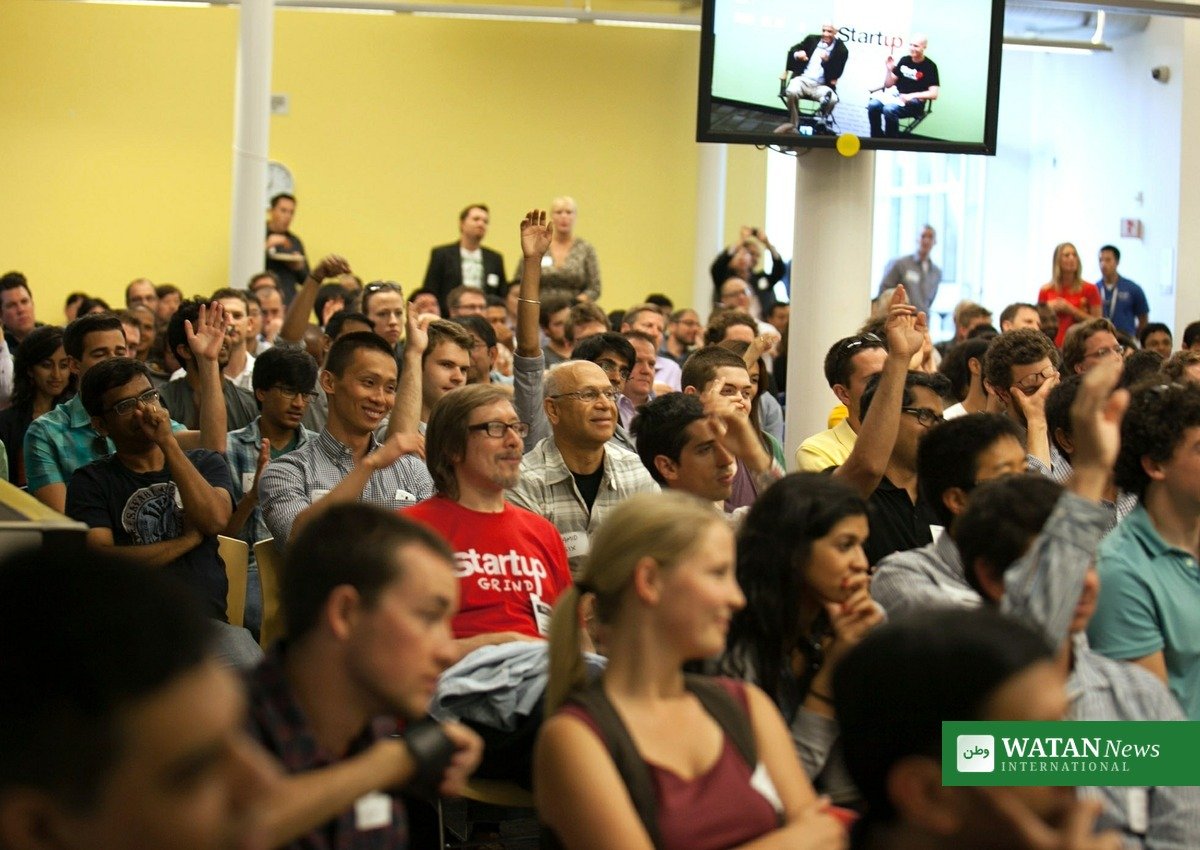
The winner was Intero Biosystems, a Denver-based startup founded by Charlie Childs and Madeline Eiken that spun out of the University of Michigan. It is developing one-millimetre human intestinal “organoids” — lab-grown tissue that mimics the gut — offering another way to study how drugs and other compounds might affect the human body before they are tested in people. The startup sells its flagship product, GastroScreen, to pharmaceutical, biotech, food and chemical companies for testing drugs and other compounds. Apate, which uses AI bots to engage scammers and gather fraud intelligence, finished as runner-up.
Oil near $110 as IMF and World Bank wrap up in Bangkok
Energy was the standout gainer on Wall Street as crude prices climbed. U.S. benchmark crude rose 3.4% to about $101 a barrel and Brent gained 3.5% to roughly $109.55, amid supply risks linked to Iran, according to Investopedia figures cited in market reporting. The surge added a second source of pressure for equities: higher oil prices tend to weigh on the price-to-earnings multiples investors are willing to pay for stocks.
The IMF and World Bank annual meetings, held at Bangkok’s Queen Sirikit National Convention Center from October 12 to 18, concluded against this backdrop of high energy prices and rising debt. The IMF’s October World Economic Outlook assumed oil prices would average $95.74 a barrel this year, up from $67.74 in 2025, and warned that energy-importing countries with little stake in the technology boom face “the most difficult configuration.” Under an adverse scenario highlighted in the report, a worsening conflict pushing oil to $130 a barrel through the first quarter of 2027 would reduce global growth and push inflation higher. Modest protests over growing inequality were held outside the venue during the weeklong meetings, the Associated Press reported. For more on the IMF’s regional warnings, see: IMF Middle East Economy Warning: Prolonged War Biggest Risk, Region Faces 1.3% Contraction.
Conclusion
The week’s tech stocks AI debt selloff marks a genuine turn in sentiment: the AI trade is no longer being graded only on growth, but on how it is financed. Whether the selloff deepens will depend on inflation data, the Fed’s next moves, and whether AI cloud providers can show their borrowing can convert into profits fast enough. Beyond the markets, the week belonged to builders: Waymo taking its driverless cars to a first international market in Toronto, and a young biotech company winning startup land’s most watched trophy with lab-grown human tissue.
Related Articles
- Global AI Stock Selloff Hammers Hedge Funds as KOSPI Plunges to Six-Month Low
- Wall Street Braces for Q3 Earnings Season as S&P 500 Hovers Near Record High
- IMF Middle East Economy Warning: Prolonged War Biggest Risk, Region Faces 1.3% Contraction
- SpaceX Spectrum Deal Rattles US Telecom Stocks as Starlink Mobile Push Advances
Frequently Asked Questions
What is the tech stocks AI debt selloff?
It refers to the sharp decline in technology and AI-related shares in mid-October 2026, driven by investor fears that the industry’s huge spending on data centres and computing infrastructure is being funded with unsustainable levels of debt as borrowing costs stay high.
Why are AI stocks falling on debt fears?
Investors are questioning whether AI companies can turn massive infrastructure investments into profits quickly enough to service their debt. Goldman Sachs noted that spreads on high-yield AI-related debt widened by 25 basis points between October 13 and 14, reaching 360 basis points above U.S. Treasuries, while non-AI debt spreads barely moved.
What is CoreWeave and why is it at the center of the selloff?
CoreWeave is an AI cloud provider that supplies computing infrastructure for AI applications. It has become the focal point of the selloff because it carries tens of billions of dollars in debt — Reuters put the figure at around $50 billion — and yields on some of its bonds approached 15% this week. Its shares fell roughly 25% over the week.
When will Waymo launch in Toronto?
Waymo said it plans to bring its autonomous ride-hailing service to Toronto in 2028. The company will begin groundwork in the city, including mapping and engagement with local authorities, and will partner with Element Fleet Management for fleet operations. It will be Waymo’s first deployment in Canada and its first international market.
Who won TechCrunch Disrupt 2026’s Startup Battlefield?
Intero Biosystems, a Denver-based startup founded by Charlie Childs and Madeline Eiken that spun out of the University of Michigan, won the Startup Battlefield Cup and $100,000. It develops one-millimetre lab-grown human intestinal organoids, sold as GastroScreen, for testing drugs and compounds before human trials.
Why is oil near $110 and what did the IMF meetings conclude?
Brent crude hovered near $110 a barrel amid supply risks linked to Iran, with the U.S. benchmark around $101. The IMF and World Bank annual meetings, held in Bangkok from October 12 to 18, concluded with warnings that high energy prices, war and rising debt threaten the global outlook, though the IMF still expects AI investment to support growth.
Author

usman2344913@gmail.com
Related Posts

Macron Vows Accountability in National Address as France Reels From Deadly Riots
- 0
- 756 words
Emmanuel Macron's televised national address vowed accountability after deadly rioting across France left two dead, over 2,000 detained and 600+ police officers...
Read out all
Fighting Between Yemen’s Government Forces and Houthis Intensifies as Egypt Pledges Support to Saudi Arabia
- 0
- 1,805 word
The Yemen Houthi fighting escalation deepened over the weekend as Yemen’s internationally recognised government and Houthi forces battled across several fronts, reporting...
Read out all
France Cost-of-Living Protests Turn Violent: 1,800 Arrested as Pope Leo Leaves Hospital After Cancer Surgery
- 0
- 1,603 word
France’s cost-of-living protests escalated dramatically on Saturday, October 17, as nationwide demonstrations against rising living costs degenerated into looting, arson and street...
Read out all
Fires Engulf St. Petersburg Oil Terminal as Ukraine Launches Overnight Drone Offensive on Russia
- 0
- 2,133 words
One of the largest Ukraine Russia drone strikes waves of the war hit Russia overnight from October 17 to 18, 2026, setting...
Read out all
Sally Rooney Books Pulled From UK Shelves After Publisher Halts Supply Over Palestine Action Royalty Row
- 0
- 1,409 word
The Irish novelist Sally Rooney has agreed with her publisher, Faber, to withdraw all of her books from sale in the United...
Read out all
Lula and Flávio Bolsonaro Face Off in Brazil’s First Runoff Debate as Trump Pauses Russia Sanctions
- 0
- 1,675 word
Brazil’s first direct televised showdown between President Luiz Inácio Lula da Silva and Senator Flávio Bolsonaro has brought the October 25 runoff...
Read out all