- 0
- 1,805 word
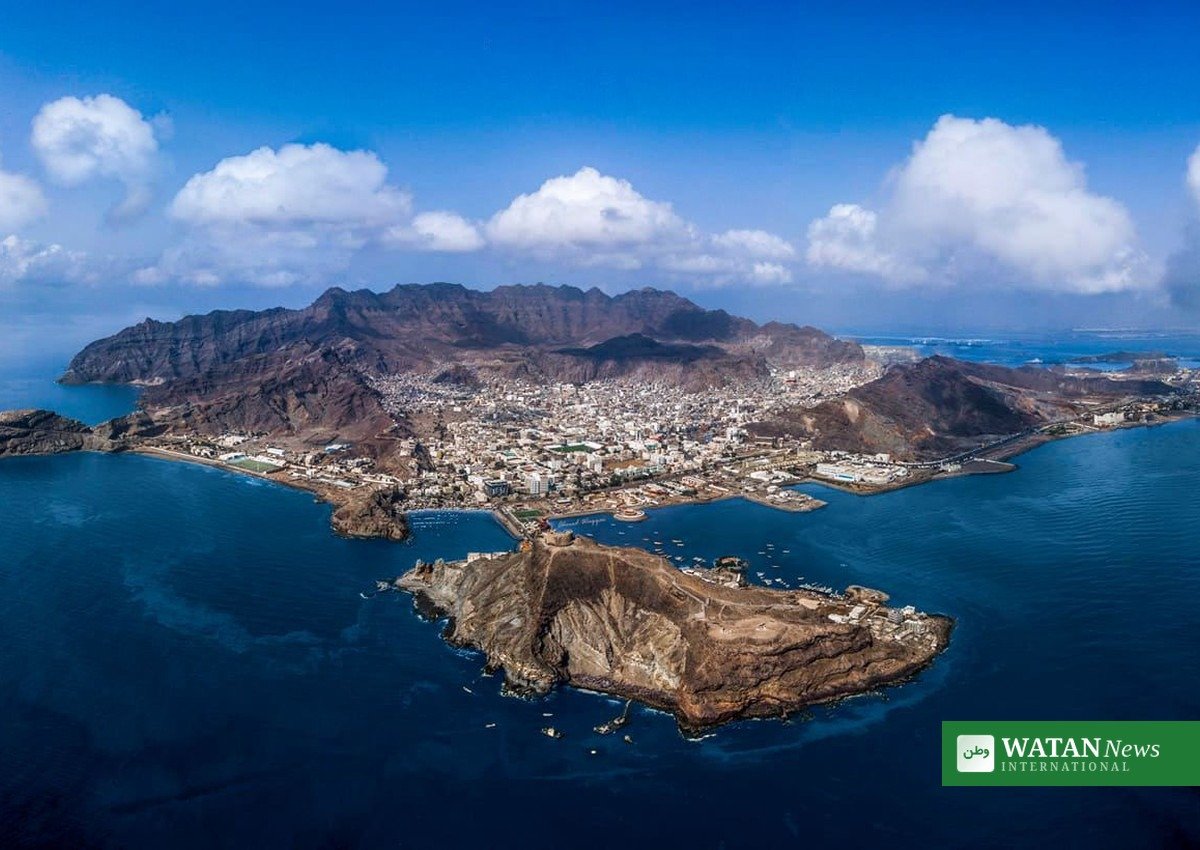
The Yemen Houthi fighting escalation deepened over the weekend as Yemen’s internationally recognised government and Houthi forces battled across several fronts, reporting fresh casualties on both sides. At the same time, Egypt’s President Abdel Fattah al-Sisi moved to secure parliamentary authorisation for Egypt to give Saudi Arabia “all necessary and possible support” against Houthi attacks, which Cairo described as a defensive measure. The dual development — intensifying ground fighting inside Yemen and a widening regional dimension — marks one of the most dangerous phases of a conflict that has already spanned more than a decade.
FAKTA
- Yemen’s government says its forces carried out 1,417 strikes against Houthi positions in a 24-hour period, claiming about 800 Houthi fighters were killed or wounded. The figures have not been independently verified.
- The operations form part of the government’s “Operation Dawn of Yemen” campaign, which seeks to retake Houthi-held territory including the capital, Sanaa.
- Fighting was reported on fronts in Lahij, Taiz, al-Jawf, Marib and along the Red Sea coast, with casualties confirmed on both sides by military officials quoted in regional media.
- Egypt’s presidency said Cairo would give Saudi Arabia all necessary and possible support to defend its security and stability; Sisi requested an urgent parliamentary session to authorise the military, with a vote expected after discussions continued past Sunday.
- The Saudi-led coalition says recent Houthi attacks on Riyadh’s international airport and on Saudi Aramco facilities demonstrate the group’s growing military capabilities.
- Humanitarian agencies report hospitals overwhelmed with casualties and aid cut off for around 800,000 people in Taiz, according to Reuters and the World Food Programme.
Yemen Houthi fighting escalation across multiple fronts
According to military officials quoted by regional outlets, fighting between government forces and Houthi fighters has intensified across several fronts in recent days. On Saturday, eight government soldiers were killed in fighting on the al-Maqatirah front in Lahij governorate, military officials said. In Taiz, government forces reported killing 12 Houthi fighters in al-Aqroud and said they had repelled attacks near Taiz city and al-Shaqab.

Government-aligned forces also reported drone and precision strikes against Houthi positions in al-Wazziyah and al-Madaribah. Fighting continued in al-Jawf and Marib, where government forces and coalition aircraft targeted Houthi positions, command facilities and supply depots. The Houthis claimed to have downed a Saudi reconnaissance helicopter in Najran; coalition spokesman Turki al-Maliki disputed that account, saying an AH-6i reconnaissance helicopter crashed because of a technical malfunction, killing two crew members. The competing claims could not be independently verified. For context on the disputed helicopter incident, see our earlier report: Two Officers Killed in Saudi AH-6i Helicopter Crash in Najran.
Taiz front
A correspondent in Taiz described some of the fiercest fighting on the city’s western outskirts, where the Houthis were reported to be using an unusually heavy volume of fire. Residents were said to be appealing for evacuation, and civilians have been killed or wounded. On the Samea front, the Houthis were reported to have made gains in mountainous terrain, with large numbers of residents leaving the area. Fighting was also reported around Dhubab, a strategic town on the Red Sea coast which the government had previously said it had retaken, according to a senior Yemeni military official quoted by the Associated Press.
Government’s claimed strike campaign
Yemen’s government says its armed forces carried out 1,417 strikes against Houthi positions over a 24-hour period, claiming that about 800 Houthi fighters were killed or wounded. Military spokesman Majed Abdullah Al-Nuzaili said the operations involved fighter aircraft, drones, field artillery and multiple-launch rocket systems, targeting Houthi concentrations and reinforcements, fortified positions, firing points, armoured vehicles and locations used to launch drones. The government further claimed that more than 190 armoured and combat vehicles were destroyed or disabled. These figures have not been independently verified, and the military statements do not provide a detailed breakdown of the alleged casualties between those killed and wounded.
Egypt seeks parliament’s backing to defend Saudi Arabia
Egypt is ready to provide Saudi Arabia with the support it needs to defend its security and stability, the Egyptian presidency said on Sunday, as the Houthis intensify their attacks on the kingdom. President Abdel Fattah al-Sisi had requested an urgent parliament session to authorise the military, one of the region’s largest, to help defend Saudi Arabia if the kingdom requested its support. A parliamentary vote had been expected on Sunday, but discussions were due to continue on Monday, two lawmakers and local media reports said.
“Egypt will provide Saudi Arabia with all necessary and possible forms of support to defend its security and stability, protect its resources, territorial integrity and Islamic holy sites,” the Egyptian presidency said in a statement. It followed a meeting of Egypt’s National Defence Council chaired by Sisi and attended by the parliamentary speaker, the prime minister and the army chief. Sisi said on Saturday that Egypt would act in accordance with guidance from Saudi King Salman and Crown Prince Mohammed bin Salman, who visited Sisi on September 15 after fighting in Yemen reignited. Egypt previously joined the Saudi-led coalition that intervened in Yemen in 2015, though it played a limited combat role. Our earlier coverage: Egypt’s Sisi Seeks Parliament Backing to Defend Saudi Arabia Against Houthi Attacks.
Houthi strikes on Saudi Arabia show growing capability
The Saudi-led coalition said that recent Houthi attacks, including strikes targeting King Khalid International Airport in Riyadh, demonstrate the growing threat posed by the group to Saudi Arabia, regional security and international shipping routes. Coalition spokesman Maj. Gen. Turki al-Maliki said the Houthis have acquired “advanced technologies” with support from regional actors and described them as “the first terrorist group to possess ballistic missiles, offensive and suicide drones, and booby-trapped fast boats.”
On October 7, two attacks on airports in Saudi Arabia claimed by the Houthis killed three foreign nationals and wounded 36 others, the Associated Press reported: the assault on Abha airport killed a Moroccan and an Algerian resident and wounded 28 others, while an attack on King Khalid International Airport killed a Sudanese national and wounded eight others. A subsequent strike on the Riyadh airport on October 10 killed at least 13 people and wounded more than 300, the deadliest attack in the kingdom in more than a decade, according to a Reuters analysis. Saudi authorities extended the airport’s closure after repeated strikes. The coalition said it had intercepted multiple aerial threats across the kingdom, including a drone over Khamis Mushait, a cruise missile over the Medina region and another drone in the Eastern Province. See also: Saudi Coalition Intercepts Cruise Missile Over Medina, Houthis Deny Involvement and Missiles Strike Aden Airport as Saudi Coalition Intercepts Ballistic Missile Bound for Yanbu.
Recent reported strikes and interceptions
| Date (Oct 2026) | Target | Reported outcome | Attribution |
|---|---|---|---|
| 7 Oct | Abha airport | 2 killed, 28 wounded | Claimed by Houthis; reported by AP |
| 7 Oct | King Khalid International Airport, Riyadh | 1 killed, 8 wounded | Claimed by Houthis; reported by AP |
| 10 Oct | King Khalid International Airport, Riyadh | At least 13 killed, 300+ wounded; airport closed | Saudi officials; analysed by Reuters |
| Mid-Oct | Medina region; Khamis Mushait; Eastern Province | Cruise missile and drones intercepted; no reported casualties | Saudi-led coalition |
Humanitarian toll
Hospitals across Yemen are struggling to cope with a sharp rise in war casualties, while intensified fighting along multiple front lines has cut off aid to around 800,000 people, humanitarian agencies said on Wednesday, Reuters reported from Geneva. Front-line hospitals in areas including Marib, Taiz and Yemen’s Red Sea coast are seeing unprecedented numbers of weapon-wounded patients, with some facilities admitting more than 700 casualties in a single week, according to the Red Cross. More than 200,000 people have been displaced since fighting reignited in recent weeks, according to the United Nations’ International Organization for Migration. The World Food Programme said fighting had cut off life-saving assistance for 800,000 people in Taiz, with wheat flour stocks nearly exhausted and some districts now inaccessible.
Conclusion
The Yemen Houthi fighting escalation is widening on two tracks: intensifying ground battles inside Yemen, where both sides report casualties amid the government’s “Operation Dawn of Yemen” campaign, and a growing regional dimension as Houthi strikes reach deep into Saudi Arabia and Egypt moves toward authorising military support for Riyadh. With a fragile truce collapsed since July, hospitals overwhelmed and hundreds of thousands displaced, the coming days — including the outcome of Egypt’s parliamentary discussions — will shape whether the conflict stabilises or draws in the wider region.
Related Articles
- Egypt’s Sisi Seeks Parliament Backing to Defend Saudi Arabia Against Houthi Attacks
- Two Officers Killed in Saudi AH-6i Helicopter Crash in Najran
- Missiles Strike Aden Airport as Saudi Coalition Intercepts Ballistic Missile Bound for Yanbu
- Saudi Coalition Intercepts Cruise Missile Over Medina, Houthis Deny Involvement
Frequently Asked Questions
What is the Yemen Houthi fighting escalation?
It refers to the sharp intensification of fighting in October 2026 between Yemen’s internationally recognised government forces and the Houthi movement, with battles across multiple fronts and Houthi strikes extending into Saudi Arabia.
What is Operation Dawn of Yemen?
It is the name of the Yemeni government’s military campaign to retake Houthi-held territory, including the capital Sanaa. The government says recent operations involved airstrikes, drones, artillery and missile fire; its casualty claims have not been independently verified.
What has Egypt’s president requested from parliament?
President Abdel Fattah al-Sisi requested an urgent parliamentary session to authorise Egypt’s military to help defend Saudi Arabia if Riyadh requests support. The presidency framed the move as defensive, aimed at protecting Saudi security, resources, territorial integrity and holy sites.
How have Houthi attacks affected Saudi Arabia recently?
According to the Associated Press and Reuters, Houthi-claimed attacks in October struck Abha airport and Riyadh’s King Khalid International Airport, killing several people and wounding hundreds, prompting the kingdom to extend the airport’s closure. The Saudi-led coalition says it intercepted further drones and missiles.
How is the fighting affecting civilians?
Reuters reported that hospitals in Marib, Taiz and the Red Sea coast are admitting unprecedented numbers of wounded, some over 700 in a single week, while the UN says more than 200,000 people have been displaced and aid has been cut off for about 800,000 people in Taiz.
When did the ceasefire collapse?
The fragile truce in Yemen collapsed in July 2026, according to regional reporting. Fighting reignited in September, with the Houthis seizing Mocha and strategic islands in the Bab al-Mandeb Strait, a key route for global oil shipments.
Why does the Bab al-Mandeb Strait matter?
The strait between Yemen and the Horn of Africa is one of the world’s busiest shipping lanes, carrying a large share of global oil and commercial traffic. Escalation around it raises concerns about energy supplies, shipping security and fuel prices.
What happens next?
Observers are watching Egypt’s parliamentary discussions on authorising military support for Saudi Arabia, the progress of the government’s ground campaign, and whether diplomatic efforts can contain the regional fallout of the fighting.
Author

usman2344913@gmail.com
Related Posts
Macron Vows Accountability in National Address as France Reels From Deadly Riots
- 0
- 756 words
Emmanuel Macron's televised national address vowed accountability after deadly rioting across France left two dead, over 2,000 detained and 600+ police officers...
Read out all
France Cost-of-Living Protests Turn Violent: 1,800 Arrested as Pope Leo Leaves Hospital After Cancer Surgery
- 0
- 1,603 word
France’s cost-of-living protests escalated dramatically on Saturday, October 17, as nationwide demonstrations against rising living costs degenerated into looting, arson and street...
Read out all
Fires Engulf St. Petersburg Oil Terminal as Ukraine Launches Overnight Drone Offensive on Russia
- 0
- 2,133 words
One of the largest Ukraine Russia drone strikes waves of the war hit Russia overnight from October 17 to 18, 2026, setting...
Read out all
Sally Rooney Books Pulled From UK Shelves After Publisher Halts Supply Over Palestine Action Royalty Row
- 0
- 1,409 word
The Irish novelist Sally Rooney has agreed with her publisher, Faber, to withdraw all of her books from sale in the United...
Read out all
Tech Stocks AI Debt Selloff Hits Wall Street as Waymo Heads to Canada, Oil Nears $110
- 0
- 1,884 word
The tech stocks AI debt selloff deepened on Wall Street this week as investors dumped artificial intelligence and technology shares over growing...
Read out all
Lula and Flávio Bolsonaro Face Off in Brazil’s First Runoff Debate as Trump Pauses Russia Sanctions
- 0
- 1,675 word
Brazil’s first direct televised showdown between President Luiz Inácio Lula da Silva and Senator Flávio Bolsonaro has brought the October 25 runoff...
Read out all