- 0
- 458 words
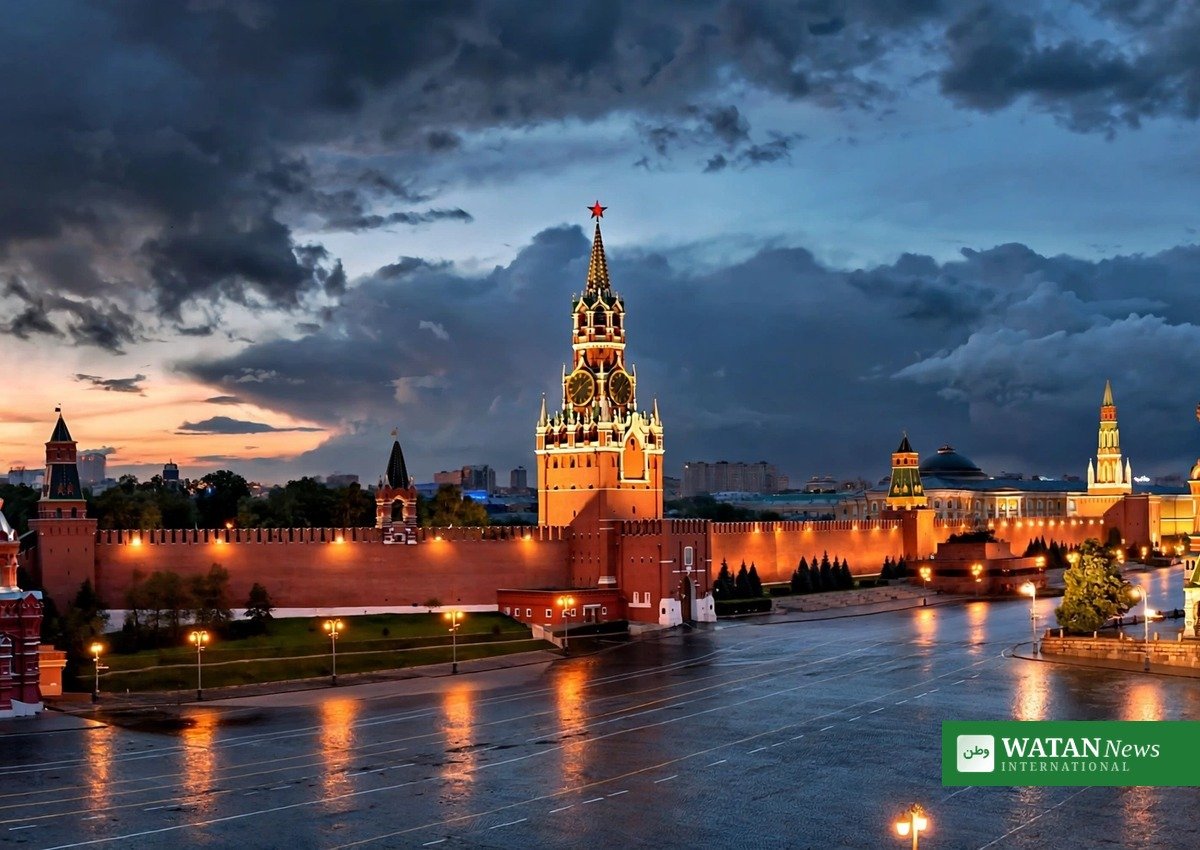
Russian President Vladimir Putin has approved a major shake-up of the country’s government, backing personnel changes proposed by Prime Minister Mikhail Mishustin in the wake of September’s parliamentary elections. The Kremlin announced the decision on Monday, October 19, 2026, saying the incoming ministerial candidates — who have not yet been publicly named — will be submitted to the State Duma for approval. The Putin Russia government reshuffle arrives as Moscow confronts a difficult economic picture, with a rising budget deficit and persistently high interest rates weighing on businesses and households.
FAKTA — Key Facts
- Who: President Vladimir Putin approved the reshuffle proposed by Prime Minister Mikhail Mishustin; Kremlin spokesman Dmitry Peskov confirmed the decision.
- What: A personnel shake-up of Russia’s federal government. The incoming ministers have not been publicly named.
- When: Announced Monday, October 19, 2026, following the September parliamentary election that renewed the State Duma’s membership.
- Next step: The new candidates will be put forward to parliament for formal approval. No detailed timeline has been published.
Putin Russia government reshuffle follows September election
The reshuffle follows September’s vote, which renewed the membership of the State Duma, Russia’s lower house of parliament. Changes to the government after a parliamentary election are a regular feature of Russia’s political cycle, but this year’s announcement has drawn attention because of its timing against a backdrop of economic strain.
Mishustin discussed social and economic issues with Putin before proposing the changes, but officials have not explained which ministries will receive new leadership. The full scope of the shake-up will remain uncertain until the names are formally put forward.
Economic pressure behind the changes
Russia’s government is under pressure to steady public finances and find new sources of growth. The budget deficit has been climbing, taxes have risen, and relatively high interest rates have added to the burden on businesses and households. State media reports have described economic management as a central priority for the government in the months ahead, and the reshuffle is widely seen as part of the response to those financial concerns.
The country also continues to manage the effects of international sanctions alongside its ongoing spending commitments. Officials have said the government is seeking fresh opportunities for growth as financial conditions tighten.
What happens next
The formal nomination and approval process now moves to parliament. Once the candidates are submitted to the State Duma, deputies will vote on the appointments. Political observers will be watching closely for the names of the incoming ministers and for signals about which policy areas — particularly the economic ministries — will see new leadership.
Until the appointments are announced, the practical impact of the reshuffle on Russia’s policy direction remains an open question. Watan News International will continue to follow the story.
Author

usman2344913@gmail.com
Related Posts
Australian MP Helen Haines Critical After Deliberate Car Attack
- 0
- 471 words
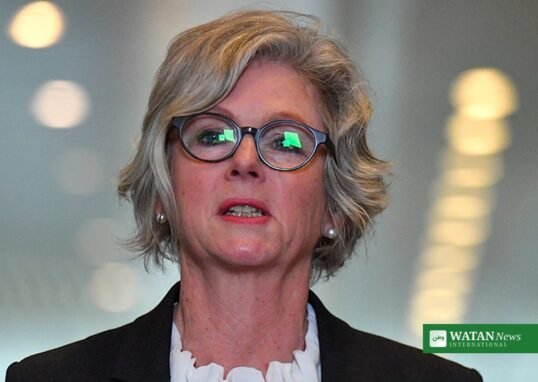
Australian independent MP Helen Haines is fighting for her life after being deliberately struck by a four-wheel-drive vehicle outside her electorate office...
Read out all
PalmettoPride Names 16 Youth Ambassadors for 2026–27 to Keep South Carolina Litter-Free
- 0
- 836 words
A fifth-year programme rewarding young action The PalmettoPride Youth Ambassadors programme is now in its fifth year. Each selected student receives a...
Read out all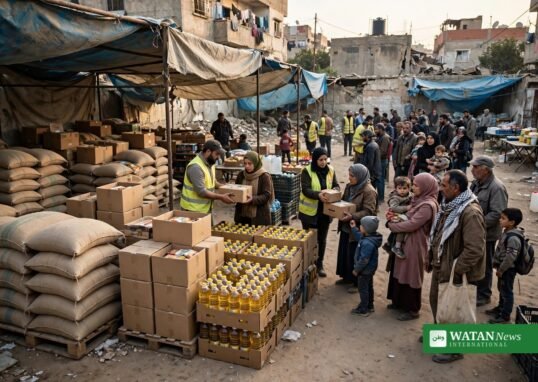
WFP Cuts Food Aid for 500,000 Palestinians in Gaza Amid Funding Crisis
- 0
- 487 words
The United Nations World Food Programme is slashing its monthly food assistance in Gaza because of a severe shortage of funds, leaving...
Read out all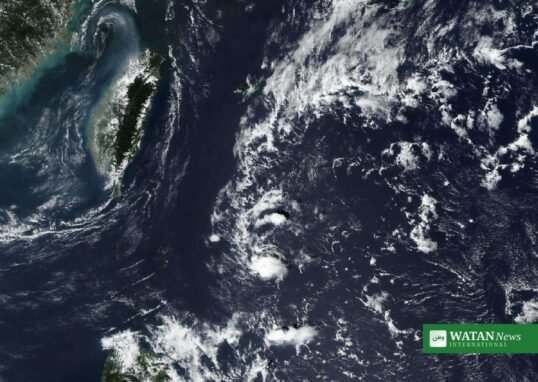
Typhoon Champi Set to Reintensify Into Super Typhoon as Philippines Braces for Signal No. 4
- 0
- 626 words
Typhoon Champi is expected to reintensify into a super typhoon on Monday evening, the Philippine weather bureau PAGASA said, as the powerful...
Read out all
Textile Exchange Names 2026 Climate and Nature Impact Award Winners
- 0
- 1,125 word
Textile Exchange has announced the winners of the Climate and Nature Impact Awards 2026, honouring five champions whose work is cutting emissions...
Read out all
Rubio Urges Russia and Ukraine to End the War From Central Asia
- 0
- 471 words
US Secretary of State Marco Rubio used a weekend visit to Central Asia to press Russia and Ukraine to end their four-year...
Read out all