- 0
- 1,125 word
Textile Exchange has announced the winners of the Climate and Nature Impact Awards 2026, honouring five champions whose work is cutting emissions and restoring nature across the fashion, textile and apparel industry. The awards were presented on 14 October at the Rocky Mountaineer Station in Vancouver, Canada, during the 2026 Textile Exchange Conference.
Presented by Chief Executive Officer Claire Bergkamp and Board Chair Marci Zaroff, the awards recognise individuals and partnerships driving progress toward a regenerative and equitable raw materials economy — from cutting methane on sheep farms to reopening the world’s first commercial-scale chemical textile recycling plant.
Climate and Nature Impact Awards 2026: the five winners
Ryan Young Climate Leader Award — Jabir Karat, Green Worms
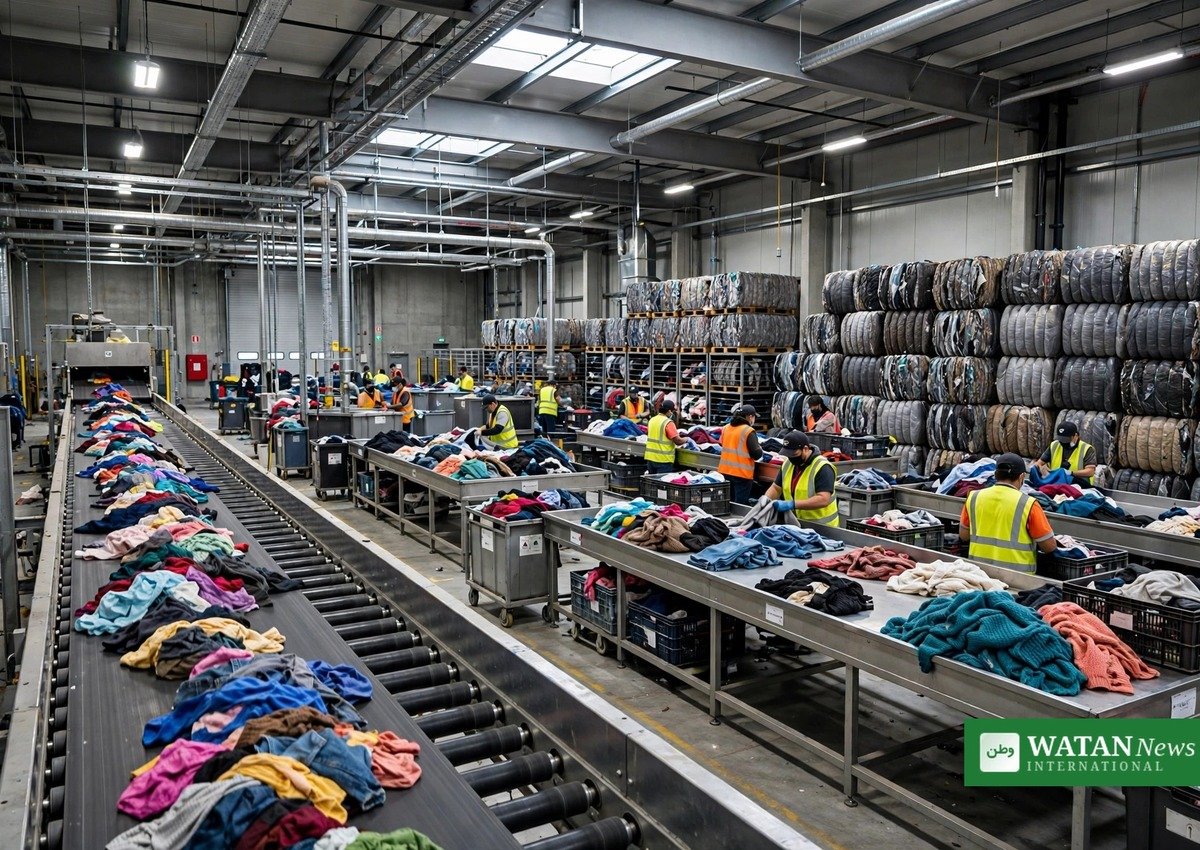
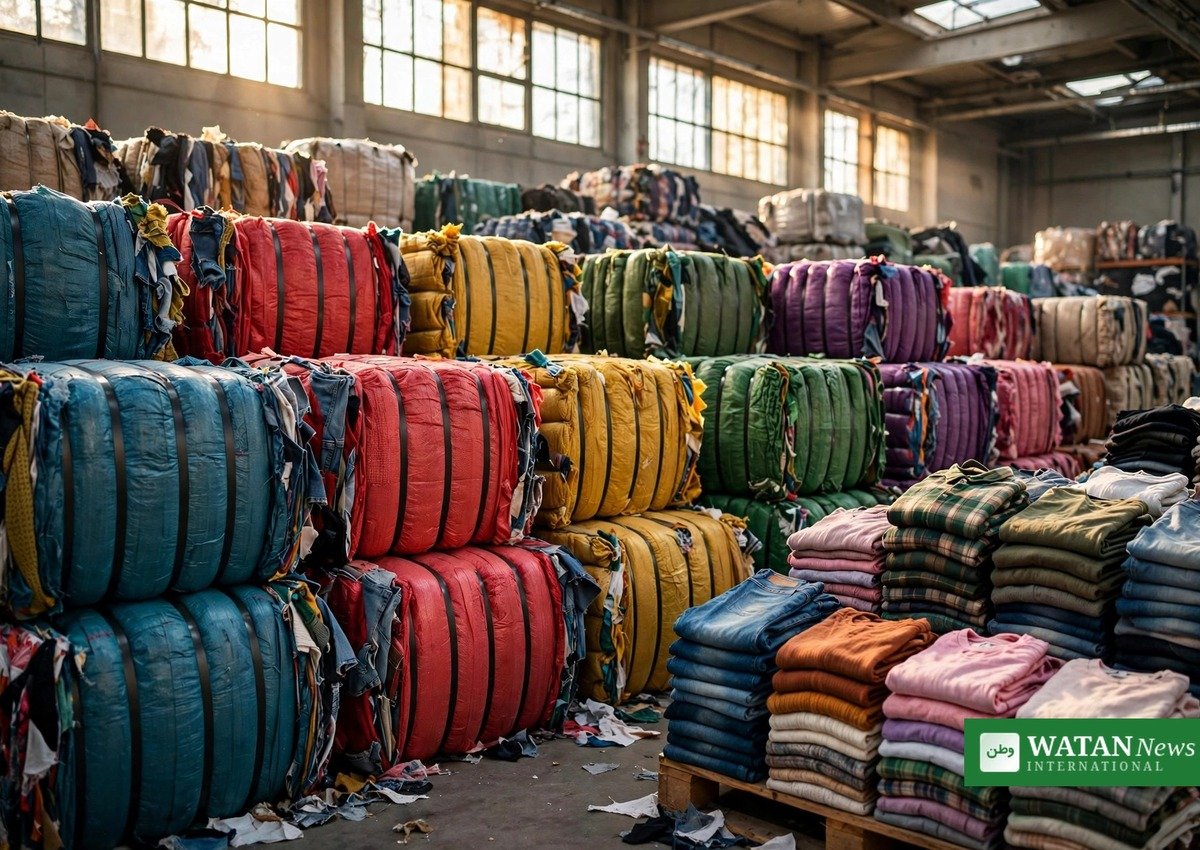
The individual climate leadership prize, named in memory of Textile Exchange’s late chief operating officer and Climate+ strategy visionary Ryan Young, went to Jabir Karat, founder and chief executive of India’s Green Worms. The social impact enterprise builds a circular economy for sustainable waste management — creating dignified jobs, minimising waste generation and maximising material recovery.
Green Worms supports waste collection, transport, sorting, processing and dispatch to aggregators, recyclers, upcyclers, cement kilns and its own recycling plant for plastic films. “Our work begins where garments are discarded. Post-consumer textile waste is complex to identify, sort, dismantle, and recycle,” Karat said. “Next quarter, we are setting up a mechanical textile-to-textile recycling facility in Tamil Nadu, and we invite the fashion ecosystem to join us to co-create, co-invest, share the risk, and accelerate circular solutions together.”
Collaboration for Global Impact Award — Theory and Congi Farm
The partnership prize went to fashion brand Theory, with support from parent company Fast Retailing, and Congi Farm in New South Wales, Australia, together with environmental technology partner Sea Forest and Italian wool mill Botto Giuseppe.
After identifying enteric methane as one of the largest contributors to wool’s climate impact, the partners ran a 120-day pilot in which 2,000 Merino sheep received SeaFeed feed, achieving a 43% reduction in enteric methane emissions and avoiding approximately 54.5 metric tons of CO2e. The wool was incorporated into Theory’s Spring 2026 Regal Wool collection — a direct pathway from farm-level climate innovation to consumer products.
“The results of the pilot were encouraging, but perhaps even more important were the lessons we learned together regarding implementation, measurement, traceability, cost, and scalability,” said Gonzalo Pertile, Vice President of Sustainability at Theory.
Regenerative Land Leadership Award — Amitabh Singh, Amiha Agro
Amitabh Singh, director of Amiha Agro, was honoured for regenerative land management. Amiha Agro’s regenerative cotton programme has enabled approximately 8,000 farmers across 35,000 acres to transition toward climate-resilient, regenerative practices — delivering an estimated 20–35 billion litres of water savings, cutting chemical pesticide use by roughly 1,100–1,800 metric tons and synthetic fertiliser use by about 11,000–14,000 metric tons, while improving soil organic carbon.
The interventions have positively impacted more than 40,000 rural lives through improved livelihoods, reduced input costs and enhanced farm stability. “Regenerative agriculture must go beyond environmental improvement. It must place farmers at the center,” Singh said, adding that the recognition inspires greater ambition toward the 2030 Climate+ goals.
Textile-to-Textile Ecosystem Award — the CIRCULOSE Recycling Ecosystem
The recycling value-chain prize went to the CIRCULOSE Recycling Ecosystem. Swedish textile innovation company Circulose produces CIRCULOSE, a raw material made from 100% recycled cotton textiles, working with brands, fibre producers and value-chain partners to scale circular materials.
The reopening of Circulose’s Ortviken plant — the world’s first commercial-scale chemical textile recycling facility — was made possible by verified demand from 11 brand partners and four fibre-producer partnerships with Tangshan Sanyou, Aditya Birla/Birla Cellulose, Jilin Chemical Fiber and CTA. “Together, we’ve worked through the hurdles and found the solutions it takes to make textile-to-textile recycling real,” said chief executive Jonatan Janmark.
Removing Economic Barriers Award — PUR
PUR, a global environmental solutions company, was recognised for tackling the financial barriers to preferred material production. Its regenerative wool programmes with leading luxury brands combine brand investment, producer agreements, technical support, implementation planning and transparent outcome monitoring.
Working exclusively with Responsible Wool Standard certified producers, the model has since 2020 supported 16 producers across almost 17,000 hectares and mobilised USD 350,000 in direct producer implementation funding. “Producers should not be expected to carry the cost and risk of transition alone,” said Hannah Crone, Animal Fibers Lead at PUR.
FAKTA: Climate and Nature Impact Awards 2026
- Announced: 15 October 2026 by Textile Exchange; ceremony on 14 October in Vancouver, Canada
- Presented by: CEO Claire Bergkamp and Board Chair Marci Zaroff
- Purpose: recognise individuals and partnerships advancing a regenerative and equitable raw materials economy
- Standout figures: 43% methane cut from 2,000 sheep; 8,000 farmers on 35,000 regenerative acres; 100% recycled cotton feedstock at the Ortviken plant
- Industry signal: winners demonstrate scalable models from farm to recycling plant — collaboration, not isolated pilots
Why the awards matter for climate action
“Every year, these awards give us an opportunity to celebrate the people and partnerships driving meaningful progress for climate, nature, people, and animals,” said Bergkamp. “Their leadership is helping to accelerate the shift toward preferred production systems.”
The 2026 winners show how climate solutions scale when risk and investment are shared across the supply chain: brands co-invest with farmers, fibre producers commit volume to unlock recycling plants, and enterprises like Green Worms pair poverty reduction with pollution reduction. The honours arrive as policymakers also move on textile waste: in the United States, a Textile Waste Reduction Act has put the industry’s waste footprint on the legislative agenda.
Frequently asked questions
What are the Climate and Nature Impact Awards?
They are annual awards by the global nonprofit Textile Exchange, recognising individuals and partnerships driving progress toward a regenerative and equitable raw materials economy in the fashion, textile and apparel industry.
Who won the top individual climate leadership prize in 2026?
Jabir Karat, founder and CEO of India’s Green Worms, received the Ryan Young Climate Leader Award for tangible action in reducing emissions across fibre and raw material production. Green Worms will open a mechanical textile-to-textile recycling facility in Tamil Nadu next quarter.
How did the Theory–Congi Farm pilot cut methane emissions?
In a 120-day pilot, 2,000 Merino sheep at Congi Farm in Australia received SeaFeed feed, cutting enteric methane emissions by 43% and avoiding about 54.5 metric tons of CO2e. The wool went into Theory’s Spring 2026 Regal Wool collection.
What did the Circulose ecosystem award recognise?
The reopening of Circulose’s Ortviken plant — described as the world’s first commercial-scale chemical textile recycling facility — made possible by verified demand from 11 brand partners and four fibre-producer partnerships converting CIRCULOSE pulp into finished materials.
Why do these awards matter for the climate fight?
The winners demonstrate models that can scale: methane reduction on farms, regenerative cotton across tens of thousands of acres, textile-to-textile recycling at industrial scale, and financing models where brands share transition costs with producers — all aligned with Textile Exchange’s Climate+ strategy and its 2030 goals.
Author

usman2344913@gmail.com
Related Posts
WFP Cuts Food Aid for 500,000 Palestinians in Gaza Amid Funding Crisis
- 0
- 487 words
The United Nations World Food Programme is slashing its monthly food assistance in Gaza because of a severe shortage of funds, leaving...
Read out all
Typhoon Champi Set to Reintensify Into Super Typhoon as Philippines Braces for Signal No. 4
- 0
- 626 words
Typhoon Champi is expected to reintensify into a super typhoon on Monday evening, the Philippine weather bureau PAGASA said, as the powerful...
Read out all
Textile Exchange kårer vinderne af Climate and Nature Impact Awards 2026
- 0
- 1,114 word
Textile Exchange har offentliggjort vinderne af Climate and Nature Impact Awards 2026 — fem prismodtagere, hvis arbejde reducerer udledninger og genopretter naturen...
Read out all
ٹیکسٹائل ایکسچینج نے 2026 کے کلائمیٹ اور نیچر امپیکٹ ایوارڈز کے فاتحین کا اعلان کر دیا
ٹیکسٹائل ایکسچینج نے 2026 کے کلائمیٹ اور نیچر امپیکٹ ایوارڈز کے فاتحین کا اعلان کر دیا ہے۔ یہ ایوارڈز ان پانچ شخصیات...
Read out all
Putin Approves Major Reshuffle of Russia’s Government
- 0
- 458 words
Russian President Vladimir Putin has backed a major government reshuffle proposed by Prime Minister Mikhail Mishustin, with new ministers to face parliament...
Read out all
Rubio Urges Russia and Ukraine to End the War From Central Asia
- 0
- 471 words
US Secretary of State Marco Rubio used a weekend visit to Central Asia to press Russia and Ukraine to end their four-year...
Read out all