
- 0
- 686 words
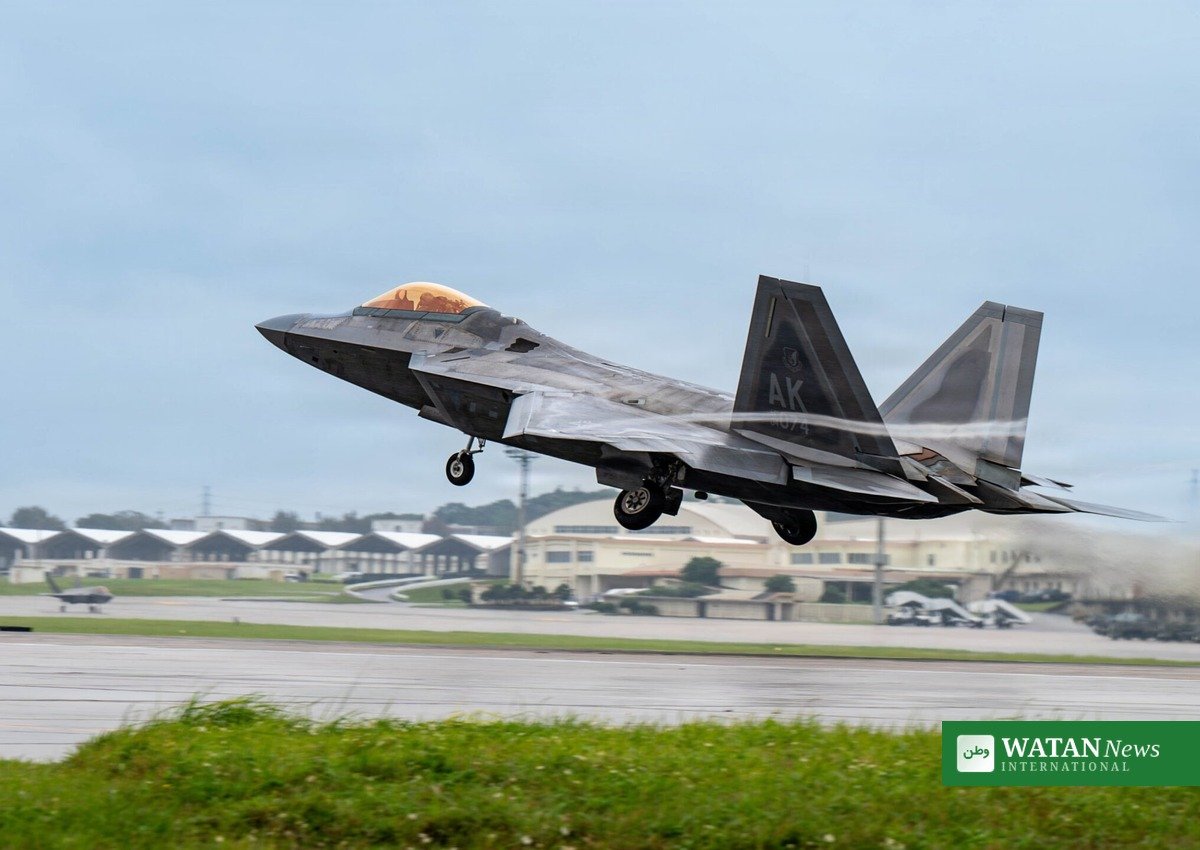
The United States will bar Chinese carmaker BYD’s electric vehicles from Kadena Air Base in Okinawa, Japan, from Monday, 26 October, over security concerns about the data the cars can collect, according to reports published on Friday.
The BYD Kadena ban will apply to every BYD-manufactured vehicle seeking entry to the base, with no exceptions for private cars, taxis, delivery trucks or other commercial vehicles, Aju Press reported, citing United States Forces Japan. Reuters, citing South Korea’s Yonhap news agency, reported that BYD cars will be turned around at the base from Monday.
FAKTA: BYD Kadena ban at a glance
- What: BYD electric vehicles barred from Kadena Air Base in Okinawa, Japan.
- From when: Monday, 26 October 2026.
- Scope: All BYD-manufactured vehicles, including private cars, taxis, delivery trucks and commercial vehicles, with no exceptions.
- Reason given: Concern that vehicle cameras, sensors, GPS systems and internet-connected technology could collect sensitive information about military facilities.
- Background: Washington added BYD to a list of companies it believes are aiding China’s military in June 2026.
What the BYD Kadena ban covers
Kadena is one of the largest United States air bases in the Indo-Pacific and plays a central role in American military operations in the region. Aju Press noted that the base hosts the United States Typhon missile system, which it said can launch Tomahawk cruise missiles.
Under the reported measure, a BYD vehicle arriving at the base will be turned back, regardless of whether it belongs to base personnel, a contractor, a commercial operator or a taxi service. The ban is a base-entry measure: it does not, on the reporting so far, restrict BYD vehicle sales in Japan more widely.
Why US officials cite security concerns
The concern, as reported by both outlets, centres on the connected technology fitted to modern electric vehicles. Cameras, radar and other sensors, precise satellite navigation and internet links allow a vehicle to record detailed information about its surroundings as it moves.
United States officials cited in the reporting fear that such data could reveal sensitive details about a military installation if the vehicles regularly enter the base. Reuters reported that United States military officials in Japan could not immediately be reached for confirmation, while Aju Press reported United States Forces Japan as saying the ban was being imposed for that security reason.
A wider US–China technology dispute
The Kadena measure follows Washington’s decision in June to add BYD, along with e-commerce company Alibaba, internet company Baidu and carmaker NIO, to a list of enterprises it believes are aiding China’s military. Reuters reported that Alibaba has since sued the United States government over the listing, and that China’s foreign ministry has protested that the list is discriminatory and unreasonable.
BYD did not immediately respond to Reuters’ request for comment on the Kadena ban. The reporting does not state that BYD vehicles have been shown to have transmitted base information; the stated basis for the ban is the risk that their sensors and connectivity could do so.
Could the ban spread to South Korea?
Aju Press reported that similar restrictions could potentially be extended to United States military bases in South Korea. It cited data disclosed by South Korean lawmaker Kang Dae-sik showing at least 190 Chinese-made connected vehicles registered to enter South Korean military facilities, including naval bases in Busan and Jinhae and air force bases in Cheongju and Yecheon, which house F-35 stealth fighters and KF-21 jets.
That question remains open in the reporting so far, and no wider ban has been announced. For now, the confirmed measure is limited to Kadena, and it takes effect on Monday.
What happens next
Base users in Okinawa who drive BYD vehicles will need alternative transport from Monday, when the turn-around rule begins. Whether other United States bases in the region follow Kadena’s lead will be the next signal of how far Washington intends to take its connected-vehicle security policy.
For more coverage from the region, see Watan News’ Asia coverage.
Author

usman2344913@gmail.com
Related Posts

COP17 Finance Fight: Who Should Pay to Save Nature as Yerevan Talks Reach Decisive Week
- 0
- 1,503 word
In Yerevan, the first global review of the world’s plan to halt nature loss has run into its hardest question: who should...
Read out all
South Korea Renews Call for Military Talks with North Korea to Ease Border Tensions
- 0
- 505 words
South Korea has again asked North Korea to hold military talks to settle exactly where the land border between the two countries...
Read out all
New Zealand Defence Chief Tony Davies Resigns Over Undisclosed Relationship
- 0
- 496 words
New Zealand’s most senior military officer has stepped down after admitting that he failed to disclose an inappropriate relationship from his time...
Read out all
Euromed Climate Education Survey Extended to 30 October Ahead of COP31 in Antalya
- 0
- 834 words
Mediterranean universities have one more week to join a region-wide mapping of climate teaching, after the organisers of the Euromed climate education...
Read out all
Irene Dankelman Young Ecofeminist Award 2026: Three Young Leaders Honoured at COP17
- 0
- 1,193 word
Three young environmental leaders from Uganda, Barbados and the Philippines have won the Irene Dankelman Young Ecofeminist Award 2026, honoured at a...
Read out all
Pacific Tourism Climate Action Plan Advances in Honiara
- 0
- 1,021 word
SPTO's board advanced the Pacific Tourism Climate Change Action Plan in Honiara, with a first draft ahead and a regional launch planned...
Read out all