- 0
- 671 words
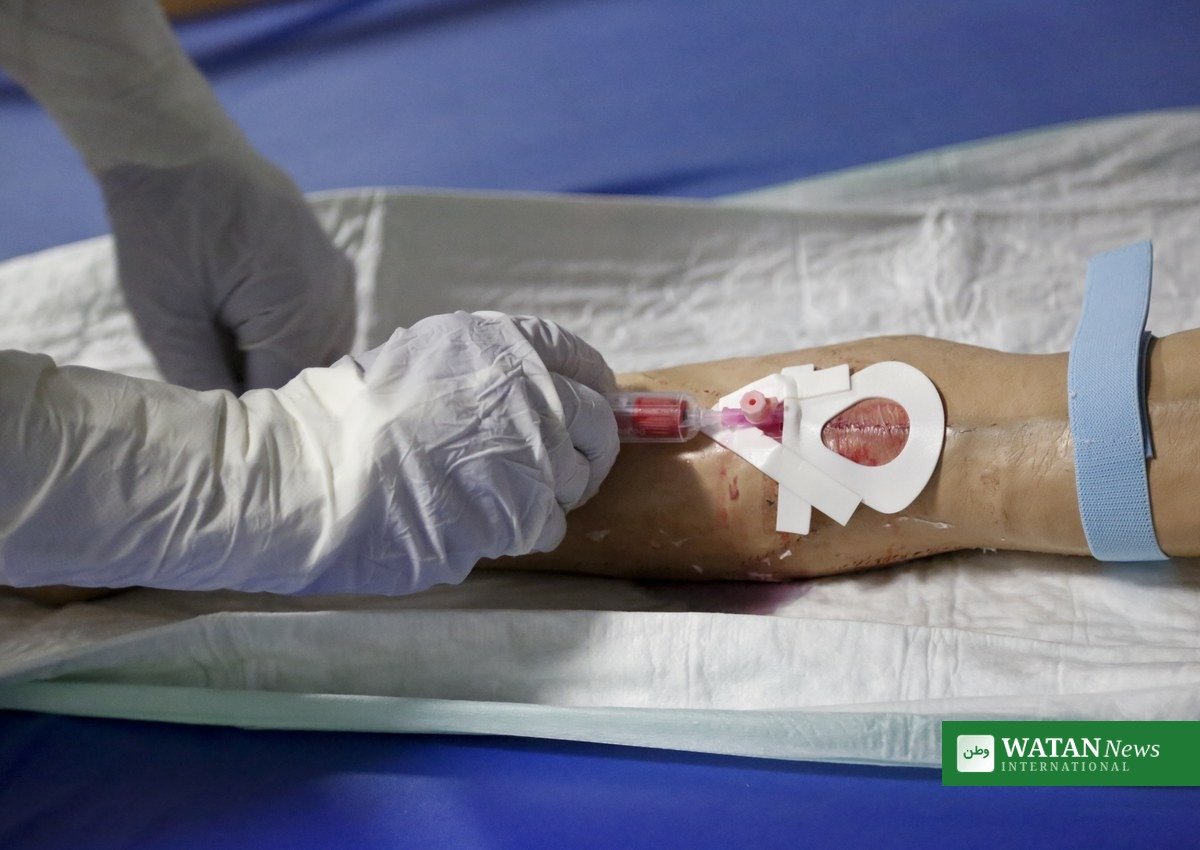
Kenya has recorded its second Ebola death, the country’s health ministry said late on Friday, as the outbreak that began in the Democratic Republic of Congo continues to spread across Africa. The victim was a 65-year-old woman who developed symptoms while in quarantine and was a close relative of the Kenyan man who died of Ebola earlier this month.
FAKTA: Kenya second Ebola death
- Second death: A 65-year-old woman died on Friday evening after developing symptoms during quarantine.
- Link to first case: She was a direct contact and close relative of Kenya’s first Ebola patient, a man who travelled from DR Congo to Nairobi and died at a Nairobi hospital on October 5.
- Cases so far: Nine confirmed cases in Kenya, with two deaths and seven patients still receiving care in two isolation facilities.
- Contacts traced: 135 contacts have been traced and placed in quarantine.
- Community spread: The health ministry said there was no evidence of community spread in the country.
- Wider outbreak: The outbreak has now been reported in four African countries, the widest geographic spread of any Ebola outbreak on the continent to date.
Kenya second Ebola death: what the ministry confirmed
The health ministry said the woman who died on Friday evening was a direct contact of the index patient, Kenya’s first confirmed case. She developed symptoms while already in quarantine, and her death brings the number of deaths to two among the nine confirmed cases in the country.
The remaining seven patients continue to receive care in two isolation facilities, the ministry said. Kenyan authorities have traced 135 contacts since the first case was identified, and all of them were placed in quarantine.
The ministry added that there was no evidence of community spread in Kenya, a key point as health teams work to keep the outbreak contained to known contacts of confirmed cases.
How the outbreak reached Kenya
Kenya’s first Ebola case was identified this month in a man who travelled from DR Congo to Nairobi and died at a Nairobi hospital on October 5. That case set off the contact-tracing effort that has since identified 135 contacts and nine confirmed cases.
Kenya had already reported its first Ebola case earlier in October, when the patient died after arriving from DR Congo. The second death, in a close relative of that first patient, shows the virus spreading within a known chain of contacts rather than through undetected community transmission, according to the ministry’s account.
Late on Monday, the US State Department advised Americans to reconsider travel to Kenya and raised its travel advisory level for the country because of health risks.
An outbreak across four countries
The outbreak started in the Democratic Republic of Congo, where Ebola has infected nearly 10,000 people and killed more than 4,600, according to Reuters. It has now been reported in four countries across eastern, central and western Africa, giving it the widest geographic spread of any Ebola outbreak on the continent to date.
On Tuesday, Nigeria became the fourth African country to report an Ebola case, with officials working to establish how and where the patient, who had not travelled to the Democratic Republic of Congo, contracted the disease.
The rare Ebola species behind the current outbreak has no approved treatment or vaccine, Reuters reported, which makes early detection, isolation of patients and tracing of contacts the main tools available to health authorities.
What Ebola does
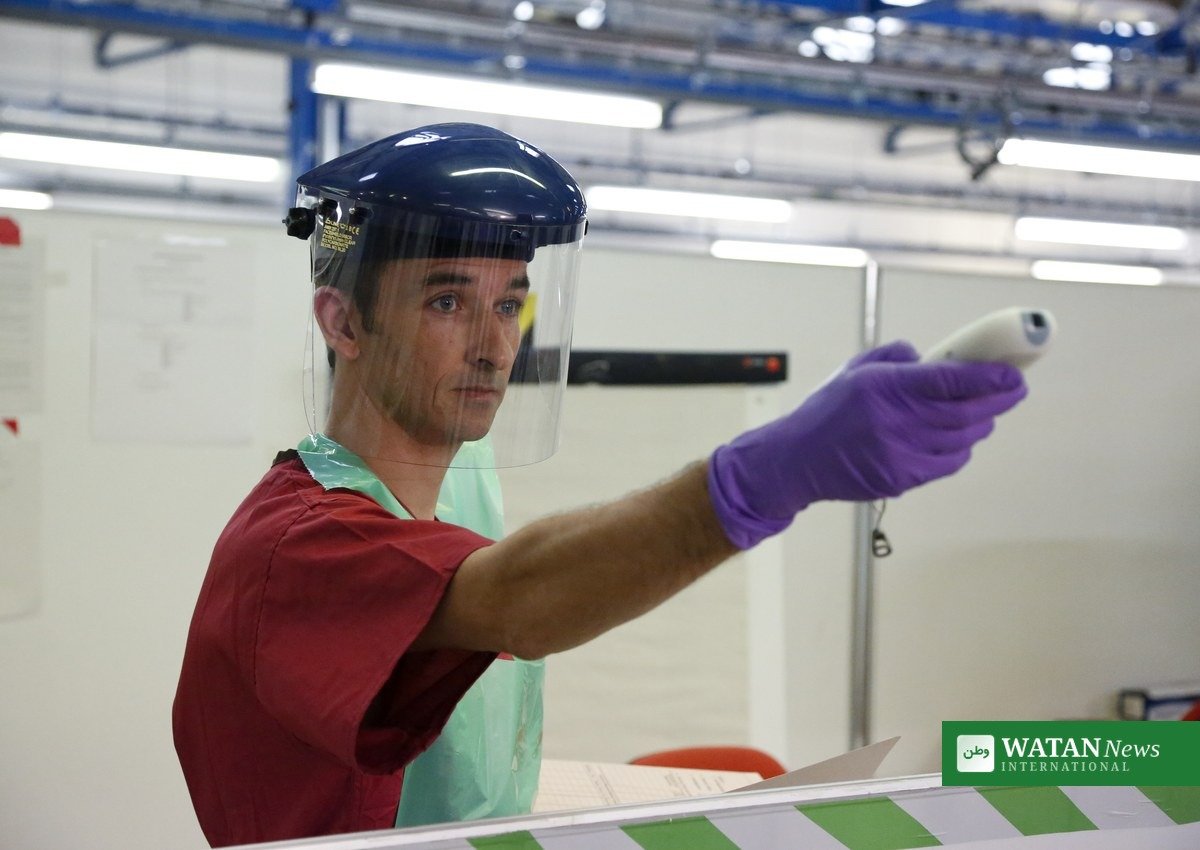
Ebola can cause fever, vomiting and diarrhoea and, in severe cases, internal and external bleeding. Only people with symptoms can transmit the virus, which is why health authorities focus on isolating patients quickly and monitoring their contacts for symptoms.
For Kenya, the coming days will test whether the quarantine and contact-tracing system holds. With seven patients still in care and 135 contacts monitored, the ministry’s assurance that there is no evidence of community spread will be watched closely by health officials across the region.
Author

usman2344913@gmail.com
Related Posts

Trump Lifts 50% Tariffs on Some Canadian Goods Days Before US Midterms
- 0
- 557 words
US President Donald Trump has signed an order removing 50% tariffs on some Canadian agricultural and forestry products, with the changes taking...
Read out all
Lufthansa Drops ‘Green Fare’ Name After Greenwashing Court Ruling
- 0
- 1,205 word
Lufthansa's Green Fare is now the Impact Fare, after a German court ruled the old name misled passengers. The fare's mechanics stay...
Read out all
Ethiopia’s 47 Billion Seedlings: A Green Legacy Tested by Survival
- 0
- 1,171 word
More than 47 billion seedlings planted since 2019 bring Ethiopia close to its 50-billion target, but survival, training and water will decide...
Read out all
Moody’s Keeps France at Aa3 as Negative Outlook Stays Despite Debt Fears
- 0
- 779 words
Moody’s Ratings has kept France’s sovereign credit rating at Aa3 with a negative outlook, sparing the eurozone’s second-largest economy a downgrade that...
Read out all
Ford Targets Zero Waste to Landfill by 2028 Across Its Global Factories
- 0
- 781 words
Ford zero waste 2028 is now the carmaker’s stated goal for its factories worldwide. In an update published on 21 October 2026,...
Read out all
COP31 Antalya Venue Ready as Former EXPO Grounds Prepare for 85 World Leaders
- 0
- 1,049 word
The COP31 Antalya venue is ready for the world. The former EXPO 2016 grounds in Antalya’s Aksu district have been adapted to...
Read out all