- 0
- 781 words
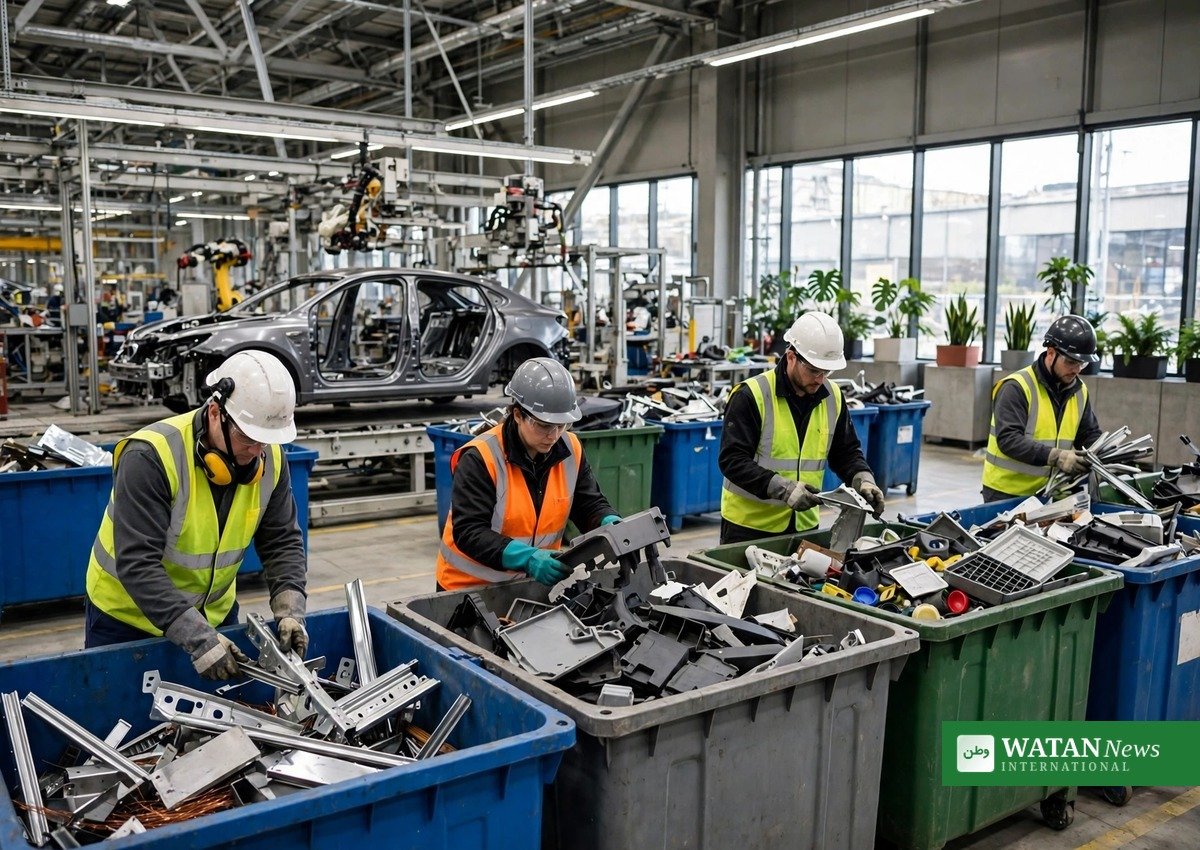
Ford zero waste 2028 is now the carmaker’s stated goal for its factories worldwide. In an update published on 21 October 2026, Ford senior environmental engineer Dan Esch said the company aims to achieve zero waste to landfill from manufacturing across its global operations by 2028, building on steady progress since 2022.
Ford reports 84 zero waste to landfill sites today, and says manufacturing waste disposal has fallen by almost 25 percent since 2022. The Ford zero waste 2028 push is therefore presented as the next step in a programme that already diverts most factory waste from landfill, rather than a promise starting from scratch.
Ford zero waste 2028: what the target covers
The target covers waste from manufacturing across Ford’s global operations: by 2028, no manufacturing waste should go to landfill. Ford’s sustainability reporting describes “true zero waste to landfill” as the standard, and its 2026 Integrated Sustainability and Financial Report records 84 zero waste to landfill sites, with 78 percent of manufacturing facilities already meeting the true zero waste standard.
The same report records a 25 percent reduction in waste disposed since 2022, matching the figure in the October update, alongside targets to cut waste generated from manufacturing by 5 percent and waste disposed by 20 percent by 2027 against a 2022 baseline, and to eliminate single-use plastics from operations.
Three sites lost their status, and the team changed tack
The road to the target has not been smooth. Three facilities lost their zero waste to landfill status last year, according to the October update. Ford’s sustainability team researched new options, added innovative recycling technologies and techniques, and created new partnerships to keep the company on track for its goals.
Not all waste is simple to recycle, Esch said. Most metals are fairly straightforward, but various plastics and manufacturing byproducts present recycling challenges, and the team has to find new ways to recycle some materials while also complying with regional waste laws. Production workers cannot be slowed down, so the team uses automation where it can, such as the scrap-metal collection and recycling process at Dearborn Stamping, and keeps manual tasks as simple as possible, for example by fitting backboards on recycling bins to avoid waste on the floor.
Beyond landfill: reuse across the supply chain
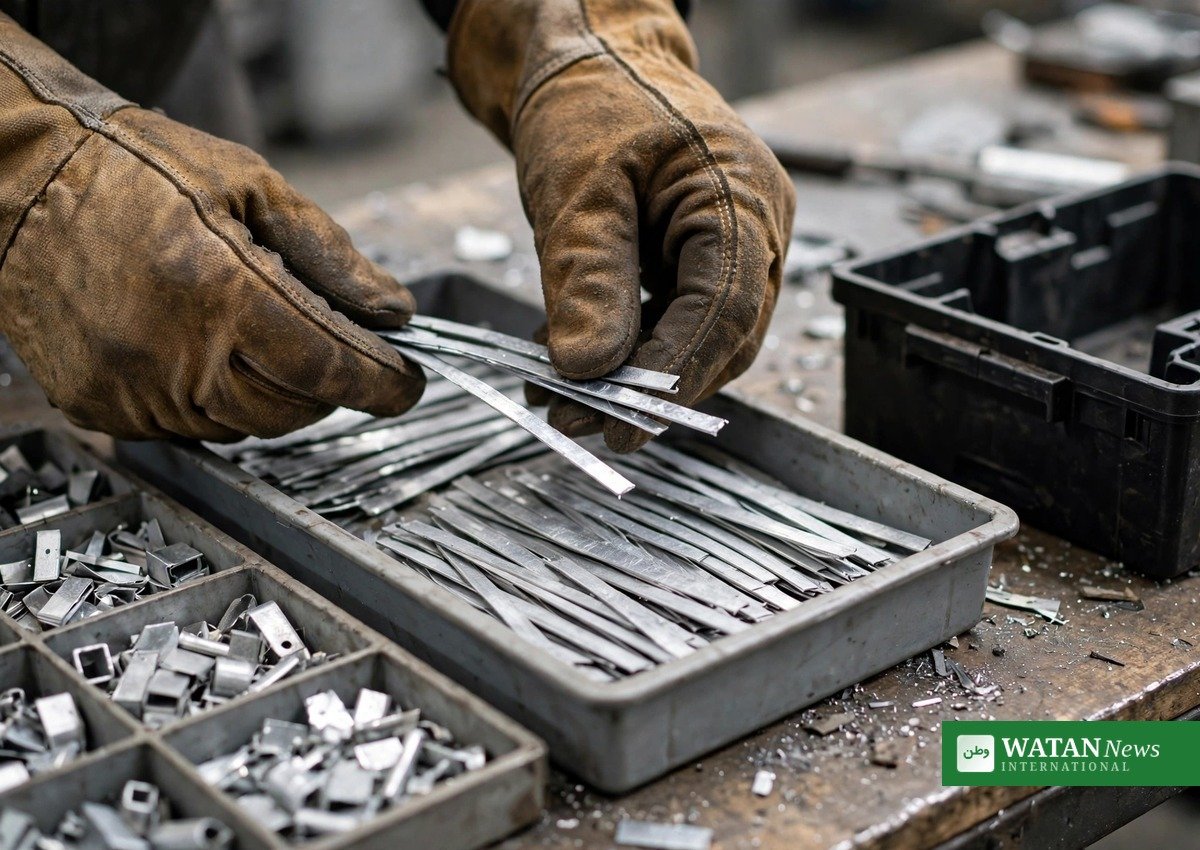
Zero waste to landfill is not the team’s only goal. Ford says it eventually wants to keep all waste out of the global supply chain through a rigorous reuse programme. At the Dearborn Truck Plant, research and environmental teams recycle spent rivet strips into battery trays, and another Ford facility donated scrap wood to a local Habitat for Humanity project, according to the update.
The approach matters beyond one company. Manufacturing waste is a major source of landfill and emissions, and a carmaker operating at Ford’s scale shows how reuse, recycling partnerships and factory-floor design can cut disposal even as production continues. Related coverage of circular manufacturing is available in South Africa joins 60 million dollar circular electronics programme.
Key facts
- Ford aims for zero waste to landfill from manufacturing across its global operations by 2028, according to its 21 October 2026 update.
- Ford reports 84 zero waste to landfill sites, with manufacturing waste disposal down almost 25 percent since 2022.
- Three facilities lost their zero waste status last year; new recycling technologies and partnerships were added in response.
- Metals are relatively straightforward to recycle; various plastics and manufacturing byproducts are the harder challenge.
- At Dearborn Truck Plant, spent rivet strips are recycled into battery trays; scrap wood was donated to Habitat for Humanity.
Frequently asked questions
What is Ford’s zero waste to landfill target?
Ford aims to achieve zero waste to landfill from manufacturing across its global operations by 2028, meaning no manufacturing waste should go to landfill.
How far has Ford already come?
Ford reports 84 zero waste to landfill sites, with 78 percent of manufacturing facilities already meeting its true zero waste standard, and manufacturing waste disposal down almost 25 percent since 2022.
Why did three facilities lose their zero waste status?
According to Ford’s October 2026 update, three facilities lost their zero waste to landfill status last year. The sustainability team responded by researching new options and adding innovative recycling technologies, techniques and partnerships.
What is hardest to recycle in a car factory?
Most metals are fairly straightforward to recycle, Ford says, but various plastics and manufacturing byproducts present recycling challenges and require new methods, alongside compliance with regional waste laws.
What happens beyond zero waste to landfill?
Ford says it eventually wants to keep all waste out of the global supply chain through a rigorous reuse programme, for example by recycling spent rivet strips into battery trays at its Dearborn Truck Plant.
Author

usman2344913@gmail.com
Related Posts

ایتھوپیا کی گرین لیگیسی: 47 ارب پودے، اصل امتحان ان کی بقا ہے
2019 سے 47 ارب سے زیادہ پودے لگائے جا چکے ہیں اور 50 ارب کا ہدف قریب ہے، لیکن تربیت اور پانی...
Read out all
Ethiopia’s 47 Billion Seedlings: A Green Legacy Tested by Survival
- 0
- 1,171 word
More than 47 billion seedlings planted since 2019 bring Ethiopia close to its 50-billion target, but survival, training and water will decide...
Read out all
Moody’s Keeps France at Aa3 as Negative Outlook Stays Despite Debt Fears
- 0
- 779 words
Moody’s Ratings has kept France’s sovereign credit rating at Aa3 with a negative outlook, sparing the eurozone’s second-largest economy a downgrade that...
Read out all
Ford vil sende nul affald til losseplads fra 2028
- 0
- 755 words
Ford nul-affald 2028 er nu bilproducentens erklærede mål for sine fabrikker verden over. I en opdatering offentliggjort den 21. oktober 2026 sagde...
Read out all
فورڈ کا 2028 تک عالمی فیکٹریوں سے لینڈفل کو صفر فضلہ بھیجنے کا ہدف
فورڈ زیرو ویسٹ 2028 اب دنیا بھر میں اس کار ساز کمپنی کی فیکٹریوں کا اعلان شدہ ہدف ہے۔ 21 اکتوبر 2026...
Read out all
COP31 Antalya spillested klar: Tidligere EXPO-område gør sig klar til 85 verdensledere
- 0
- 978 words
COP31 Antalya spillested er klar til verden. Det tidligere EXPO 2016-område i Antalyas Aksu-distrikt er blevet tilpasset til at huse FN’s 31....
Read out all