
- 0
- 1,083 word
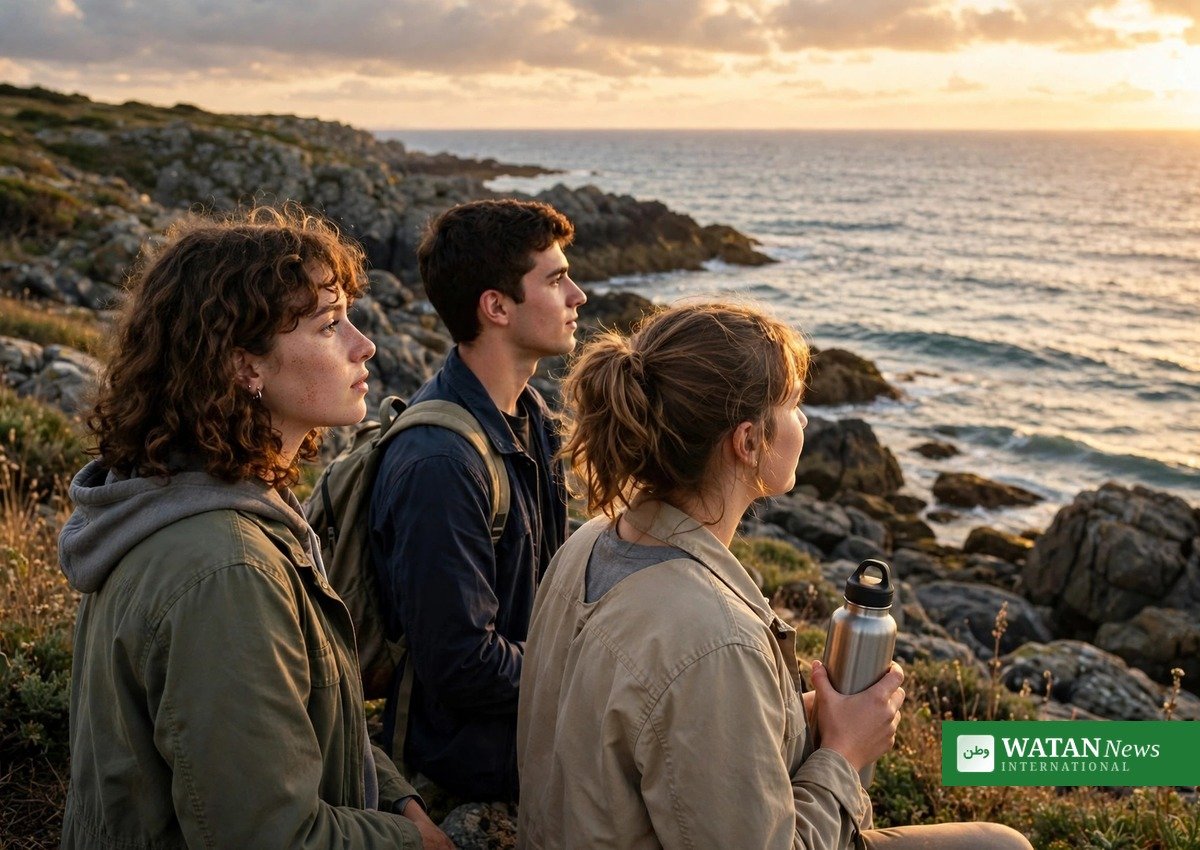
Seven young ocean advocates from five countries have arrived in Yerevan, Armenia, as part of an EarthEcho International youth delegation to the United Nations biodiversity conference, CBD COP17, to press governments to turn ocean promises into real protection.
The delegation, in Yerevan from 25 to 31 October 2026, brings together EarthEcho youth leaders Gabriela Casuso Hernández, Jhaylin Cruz, Kendall Ford, Kjeld Werther, Nina Shetty, Surasma Lamichhane and Vincenzo Valle, alongside EarthEcho chief program officer Stacey Rafalowski and director of youth engagement Sean Russell.
Young voices at the biodiversity talks
EarthEcho says young ocean advocates are essential to ambitious global action, and their leadership is a driving force toward protecting marine life and reaching the goal of protecting 30 percent of the ocean by 2030.
The delegation will call on governments to speed up progress toward that global 30×30 goal, strengthen effective ocean protection, and give young people a meaningful role in shaping and carrying out global biodiversity commitments.
COP17, which runs from 19 to 30 October 2026 in Yerevan under the theme “Taking Action for Nature”, is the second biodiversity conference since countries adopted the Kunming-Montreal Global Biodiversity Framework in December 2022, and the first formal global review of how far implementation has come.
Why the ocean goal is falling short
The 30×30 target, set in the framework, commits countries to protecting 30 percent of land and oceans by 2030. United Nations Secretary-General António Guterres told the COP17 leaders’ summit on 16 October that progress is uneven and far too slow: even if current national commitments are met, only 26 percent of land and 12 percent of marine ecosystems would be protected by 2030.
Guterres also reported that nearly 90 percent of parties to the convention have set national biodiversity targets, and that since 2022 an additional 1.3 million square kilometres of land and 6 million square kilometres of ocean have come under formal protection. According to the first State of Biodiversity Action stocktake, launched at COP17, about 19 percent of land and about 10 percent of the global ocean are protected today, while only about 1.5 percent of the high seas — the waters beyond any country’s control — is protected so far.
That gap is why the youth delegation is focusing on the high seas. The High Seas Treaty, formally the agreement on marine biodiversity beyond national jurisdiction, entered into force on 17 January 2026 and now counts 86 parties, according to the Institute for Sustainable Development and International Relations. Its first conference of the parties must be held before 17 January 2027, when countries will start deciding how the treaty works in practice, including how protected areas on the high seas are created.
What the youth delegation will do in Yerevan
Through the week the delegation will join partners at events on the 30×30 ocean goal, implementation of the High Seas Treaty, and intergenerational collaboration for ocean protection. Its published programme includes:
- 27 October, 12:30–1:30 p.m. AMT: “Building the High Seas Youth Agenda”, a working session for youth organisations.
- 27 October, 5:30–7:00 p.m. AMT: “High Seas Reception: Countdown to BBNJ COP1: Turning High Seas Treaty Progress into Action” at the Ocean Pavilion.
- 28 October, 12:00–12:45 p.m. AMT: “A Blue Call to Action: Data, Communities and Nature-Positive Solutions” at the Ocean Pavilion.
- 29 October, 9:00–10:15 a.m. AMT: “From Priorities to Protection: Youth Leadership for 30×30 and the High Seas” at the Ocean Pavilion.
- 30 October, 9:00–10:15 a.m. AMT: “Leveraging Open Tools and Data in the Push for 30×30” at the Ocean Pavilion.
Youth action beyond one conference
EarthEcho’s youth ambassadors are pushing governments to move from commitments to action across the year’s major ocean and climate gatherings, including the Our Ocean Conference, CBD COP17 and the UN climate conference COP31 in Antalya, according to the organisation’s youth ocean movement account. Its stated focus is supporting new, well-designed protected areas, advancing High Seas Treaty implementation, and improving the quality of existing marine protected areas so they deliver real ecological and social benefits.
The message from the young delegates is that 30×30 will only be measured in percentages if young people are treated as partners rather than symbols — sharing responsibility, funding youth-led work, and opening decision-making to co-creation at every level.
Key facts
- Who: Seven EarthEcho youth leaders from five countries, with EarthEcho staff Stacey Rafalowski and Sean Russell, at CBD COP17 in Yerevan, 25–31 October 2026.
- Ask: Faster progress toward protecting 30 percent of the ocean by 2030, stronger effective ocean protection, and a meaningful youth role in biodiversity decisions.
- The gap: Even if current commitments are met, only 26 percent of land and 12 percent of marine ecosystems would be protected by 2030, according to the UN Secretary-General; about 1.5 percent of the high seas is protected today.
- High Seas Treaty: In force since 17 January 2026, with 86 parties; its first conference of the parties is due before 17 January 2027.
- Youth sessions: High Seas Youth Agenda working session and Ocean Pavilion events on 27–30 October 2026.
Related reading on Watan News: Young Groups Offered Grants to Lead Local Climate Action.
If the Yerevan talks are remembered as a turning point for nature, it will be because the generation that inherits the ocean helped write the rules for protecting it — not because it was invited to watch.
Frequently asked questions
Who are the EarthEcho youth leaders at COP17?
They are seven EarthEcho youth leaders — Gabriela Casuso Hernández, Jhaylin Cruz, Kendall Ford, Kjeld Werther, Nina Shetty, Surasma Lamichhane and Vincenzo Valle — from five countries, accompanied by EarthEcho chief program officer Stacey Rafalowski and director of youth engagement Sean Russell.
What is COP17?
COP17 is the 17th conference of the parties to the UN Convention on Biological Diversity, held in Yerevan, Armenia, from 19 to 30 October 2026 under the theme “Taking Action for Nature”. It is the first formal global review of the Kunming-Montreal Global Biodiversity Framework, adopted in December 2022.
What is the 30×30 goal?
It is the framework’s target of protecting 30 percent of land and oceans by 2030. The UN Secretary-General has warned that current commitments would only reach 26 percent of land and 12 percent of marine ecosystems by 2030, so faster action is needed.
What is the High Seas Treaty?
It is the 2023 agreement on conserving marine life in waters beyond national jurisdiction. It entered into force on 17 January 2026, counts 86 parties, and its first conference of the parties must be held before 17 January 2027 to decide how protected areas on the high seas are created and governed.
What will the youth delegation actually do in Yerevan?
It will host and join sessions including a 27 October working session on building a High Seas Youth Agenda, a High Seas reception counting down to the treaty’s first conference, and Ocean Pavilion events on 28–30 October on data, communities, youth leadership for 30×30 and open tools for ocean protection.
Author

usman2344913@gmail.com
Related Posts

Chord Energy Names Michael Lou as President and CEO as Daniel Brown Steps Down
- 0
- 747 words
Chord Energy Corporation has appointed Michael Lou as its new president and chief executive officer, succeeding Daniel Brown, who stepped down from...
Read out all
South Africa Misses Court Deadline on School Capacity Rules as Education Groups Demand Answers
- 0
- 655 words
Education advocacy groups in South Africa are demanding answers after the country's Minister of Basic Education missed a court-ordered deadline to publish...
Read out all
Grist and Climate Central host ‘Distorted’ talk on misinformation in extreme weather
- 0
- 789 words
Grist and Climate Central will host a virtual conversation called "Distorted" on 28 October 2026 at 1 p.m. ET, bringing meteorologists, journalists...
Read out all
Grist og Climate Central holder ‘Distorted’-samtale om misinformation i ekstremvejr
- 0
- 803 words
Grist og Climate Central holder en virtuel samtale ved navn "Distorted" den 28. oktober 2026 kl. 13.00 ET, hvor meteorologer, journalister og...
Read out all
گرسٹ اور کلائمیٹ سینٹرل کی ڈسٹورٹڈ گفتگو: شدید موسم میں غلط معلومات کا مقابلہ
گرسٹ اور کلائمیٹ سینٹرل 28 اکتوبر 2026 کو دوپہر ایک بجے مشرقی امریکی وقت پر ڈسٹورٹڈ کے نام سے ایک آن لائن...
Read out all
EarthEcho-unge tager havkampen til COP17 i Jerevan
- 0
- 1,047 word
Syv unge havforkæmpere fra fem lande er ankommet til Jerevan i Armenien som del af en ungdomsdelegation fra EarthEcho International til FN's...
Read out all