- 0
- 788 words
Bulgaria’s presidential election will go to a runoff on November 1 after Sunday’s first round ended without a winner, with incumbent President Iliana Iotova leading former caretaker Prime Minister Andrey Gyurov. The Bulgaria presidential election runoff will pit two contrasting visions for the European Union and NATO member state against each other in a highly polarised contest.
According to election officials, no candidate secured the majority needed for an outright win in the first round, which featured a record 27 candidates. Exit polls put Iotova on 35 to 36.5 percent of the vote and Gyurov on 32.2 to 32.5 percent, with preliminary counts pointing in the same direction.
FAKTA
- First round: Sunday, 25 October 2026, with 27 candidates on the ballot
- Exit polls: Iliana Iotova 35–36.5 percent; Andrey Gyurov 32.2–32.5 percent
- Runoff: Sunday, 1 November 2026, between Iotova and Gyurov
- Turnout: estimated at just 21–22 percent, a record low
- Presidential term: five years, with a maximum of two terms
Inconclusive first round on record low turnout
The election ended inconclusively, as had been widely expected, with none of the 27 candidates close to a majority. Observers attributed the record low turnout to a general mistrust of politicians and voter apathy, with pollsters estimating that only around one in five eligible voters cast a ballot.
Bulgarians voted against a backdrop of growing economic hardship and drone attacks on Black Sea shipping, which have heightened security concerns in the EU and NATO member country. The campaign focused heavily on Russia’s invasion of Ukraine and the widening hostilities in the Black Sea, where recent drone attacks on commercial vessels off Bulgaria’s coast prompted the government to ask its partners for help strengthening maritime security.
Candidates also sought to address public anxiety over rising energy prices and inflation, with many families, particularly in rural areas, struggling to make ends meet.
Two contrasting visions for Bulgaria
The runoff will set clear lines of division over the country’s future relationships with other nations, with the two candidates offering sharply different directions.
Iotova, the incumbent seeking her own mandate
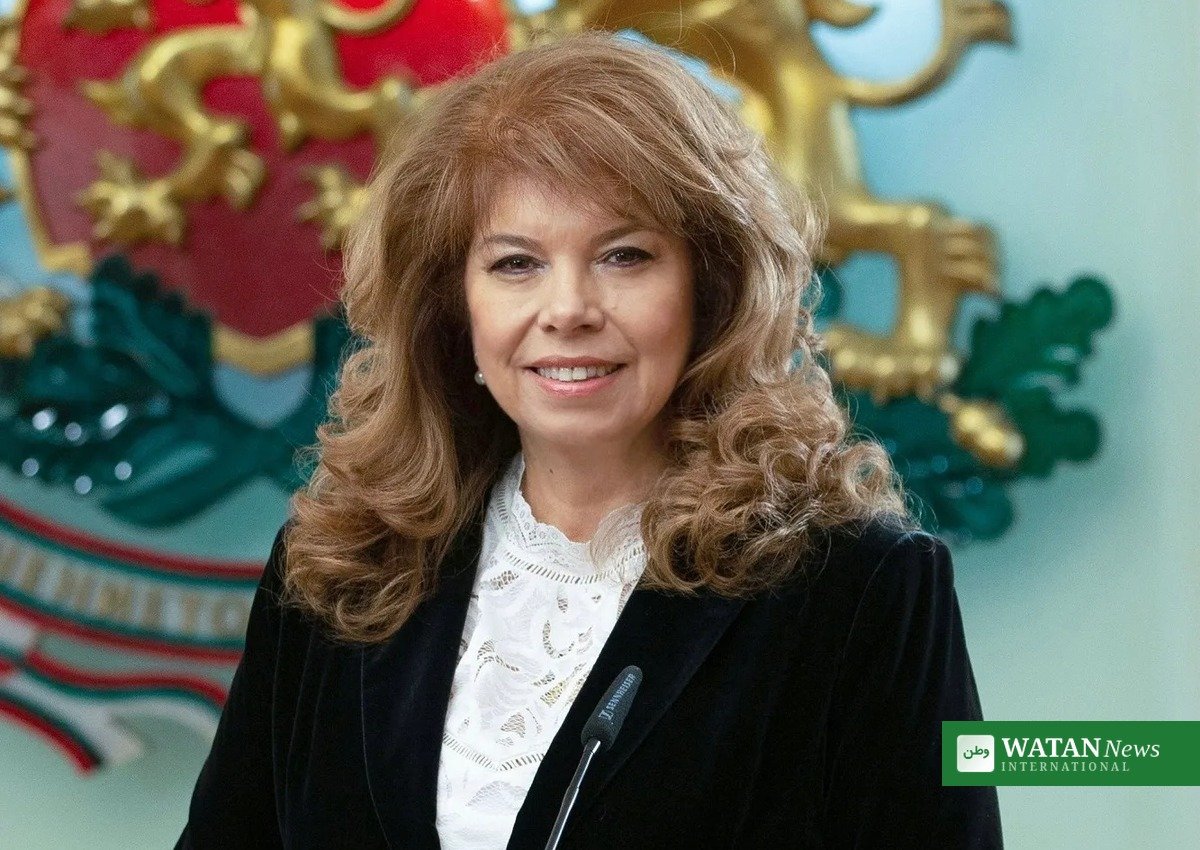
Iotova, a 62-year-old journalist and former member of the European Parliament, is the country’s incumbent president. She previously served as vice president under Rumen Radev and took over the presidency in January 2026, when Radev stepped down to run for parliament. She is now seeking her own mandate.
She is running as an independent but has the official backing of Prime Minister Radev’s Progressive Bulgaria party, described by AP as Moscow-friendly, as well as the Socialist Party, where her career began. If she wins, Iotova will become Bulgaria’s first elected female president.
Analysts expect her to continue Radev’s policy of keeping Bulgaria on its European path while calling for improved relations with Russia and the lifting of sanctions. Both Iotova and Radev have called for a diplomatic solution to end the war in Ukraine. Addressing supporters at a rally, Iotova said she “advocated for peace through negotiations, rather than force.”
Gyurov, the pro-Western challenger
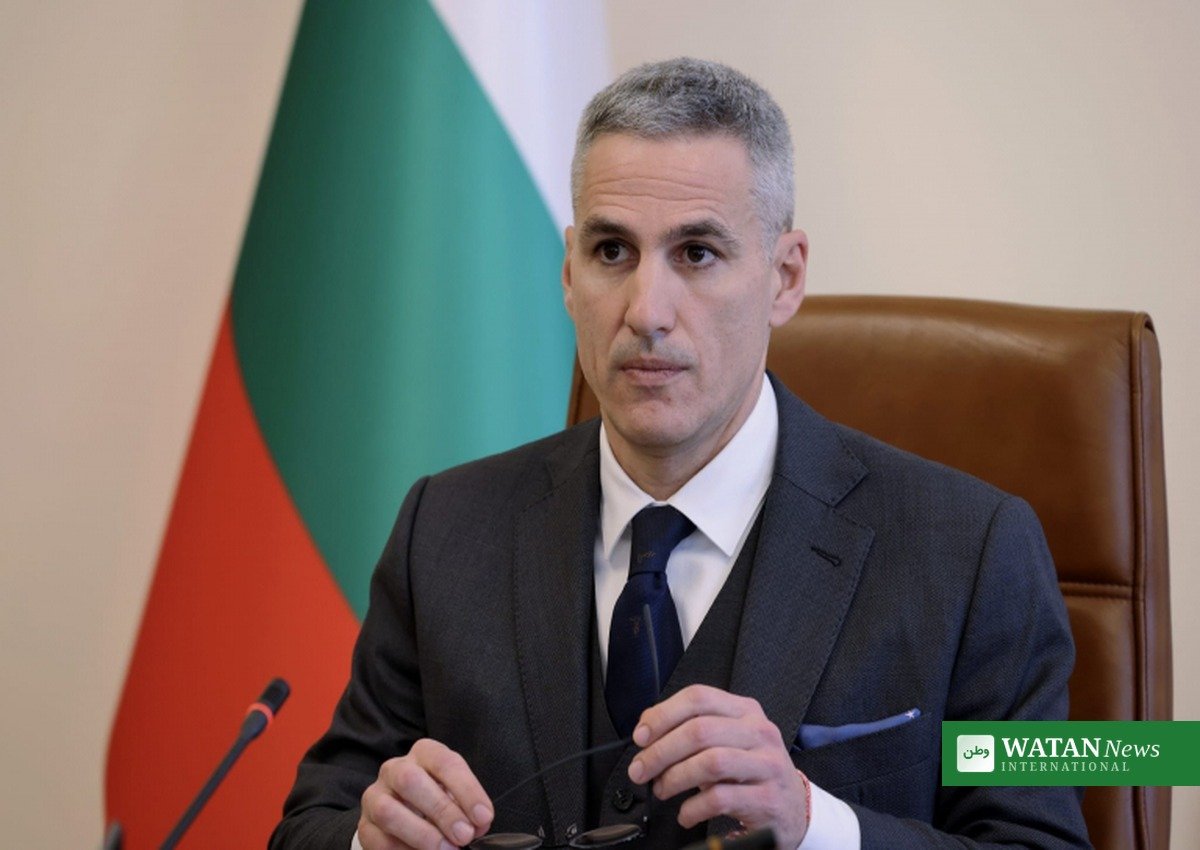
Gyurov, an economist, former deputy central bank governor and caretaker prime minister who led the country in the early months of 2026, is backed by the pro-Western reformist opposition. In what AP called a surprisingly strong performance, he will now face Iotova in the runoff.
Gyurov has often expressed firm support for Ukraine and signed a security cooperation agreement with Kyiv during his premiership. “I want Bulgaria to have a voice of its own in Europe. A reliable NATO ally that defends its interests through preparedness, strong diplomacy and a clear position,” he told supporters.
Bulgaria presidential election runoff: what happens on November 1
Voters will return to the polls on Sunday, 1 November, to choose between Iotova and Gyurov, with the winner taking a five-year term. While the post is primarily ceremonial, the direct election gives the president greater political authority: the president leads the armed forces, can veto legislation, signs international treaties, appoints ambassadors and can appoint interim governments during political crises.
Far-right candidate Kostadin Kostadinov finished third in the first round, with exit polls putting him on between 12.6 and 14 percent, well behind the two frontrunners.
Why the vote matters beyond Bulgaria
The vote is the first major test for Radev’s Progressive Bulgaria party after its triumph in parliamentary elections in April, and its outcome will signal the direction of a country sitting at the intersection of the EU, NATO and the Black Sea security crisis. Observers say an Iotova victory would keep the presidency in the hands of the ruling majority, a concentration of power they warn could weaken institutional checks and balances, while a Gyurov win would hand the presidency to the pro-Western opposition.
Read more Europe news on Watan News Europe.
Author

usmanch0013@gmail.com
Related Posts

Chord Energy Names Michael Lou as President and CEO as Daniel Brown Steps Down
- 0
- 747 words
Chord Energy Corporation has appointed Michael Lou as its new president and chief executive officer, succeeding Daniel Brown, who stepped down from...
Read out all
South Africa Misses Court Deadline on School Capacity Rules as Education Groups Demand Answers
- 0
- 655 words
Education advocacy groups in South Africa are demanding answers after the country's Minister of Basic Education missed a court-ordered deadline to publish...
Read out all
Grist and Climate Central host ‘Distorted’ talk on misinformation in extreme weather
- 0
- 789 words
Grist and Climate Central will host a virtual conversation called "Distorted" on 28 October 2026 at 1 p.m. ET, bringing meteorologists, journalists...
Read out all
EarthEcho Youth Leaders Take Ocean Fight to COP17 in Yerevan
- 0
- 1,083 word
Seven young ocean advocates from five countries have arrived in Yerevan, Armenia, as part of an EarthEcho International youth delegation to the...
Read out all
World Tourism Roundup: From Paris to Samarkand, the Destinations to Visit Now
- 0
- 1,362 word
Some journeys are about one place. This one is about the world. From the boulevards of Paris to the Silk Road domes...
Read out all
US Existing-Home Sales Rise 1.5% in September to 3.99 Million Pace as Prices Hit Record September Median
- 0
- 626 words
Sales of previously owned homes in the United States rose in September 2026, but the market remained historically slow, with higher mortgage...
Read out all