- 0
- 1,285 word
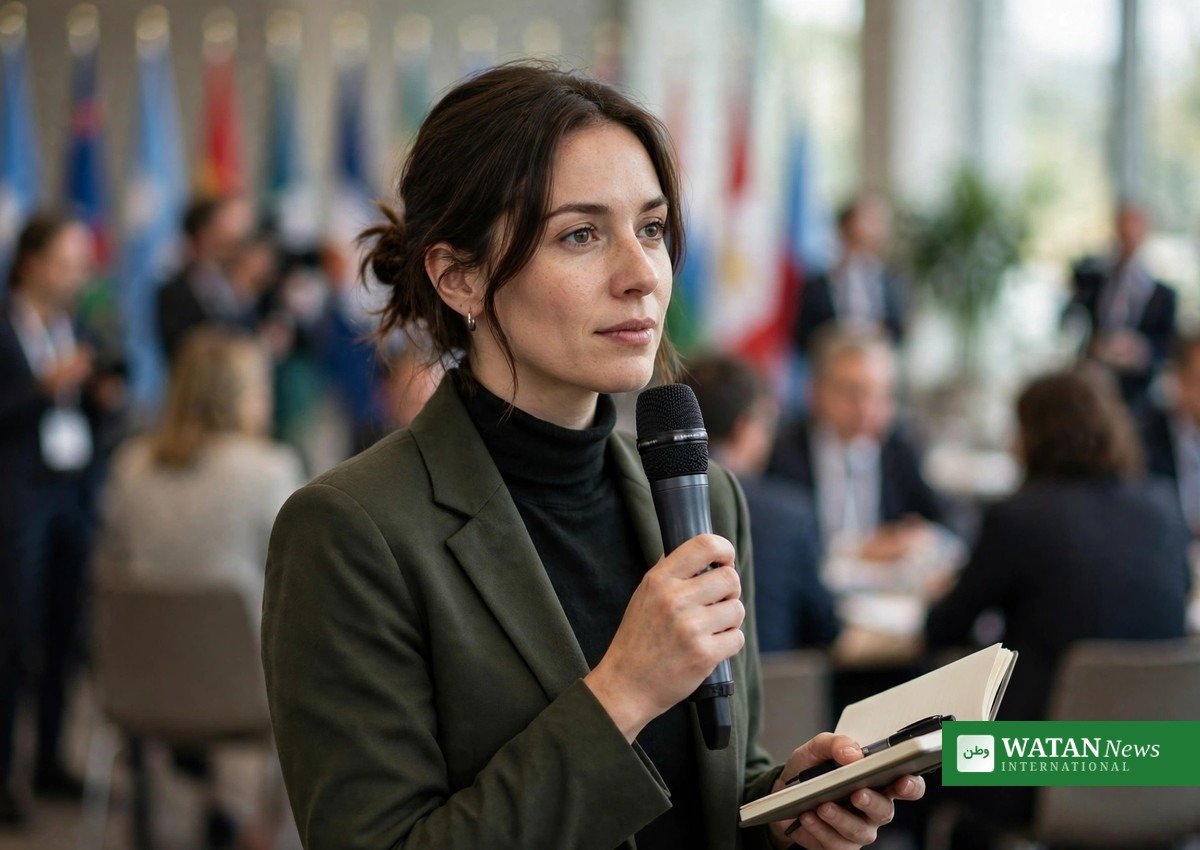
The United Nations has called for a broad, joint effort to protect the integrity of climate information, warning that the erosion of the information environment and the climate crisis are now converging. The message came from a “Climate and Information Integrity” session at Belgium’s SDG Forum on 13 October 2026, reported by the UN Regional Information Centre (UNRIC) on 20 October.
With the COP31 climate conference in Antalya less than a month away, the session’s expert panel argued that protecting climate information requires an all-encompassing approach — covering social media, newsrooms, the advertising sector, and even the stories that never get covered at all.
Why the UN says information integrity matters for climate action
Sherri Aldis of the UN Department of Global Communications told the forum that artificial intelligence is speeding up content creation with few guardrails. She listed tactics used against climate action, including the harassment of scientists and journalists, the targeting of policymakers, and algorithms that push people into polarised echo chambers.
“Protecting climate information requires an all-encompassing approach,” the panel concluded, describing the SDG Forum as the biggest multi-stakeholder forum on the Sustainable Development Goals in the Benelux region. The session was co-hosted by UNRIC and the Belgian Federal Public Service for Public Health, Food Chain Safety and Environment, and moderated by Marian Blondeel, UNRIC’s communication officer for the Benelux countries.
The call connects directly to journalism: reliable reporting is one of the main ways the public learns what is happening to the climate and what governments and companies are doing about it. When that reporting is drowned out, harassed or starved of resources, public understanding — and accountability — suffers. That is why the protection of journalists is part of this desk’s wider coverage, including the recent call for stronger protection of Africa’s climate reporters, covered in IPI’s demand for stronger protection of Africa’s climate reporters.
The UN’s five areas for action
The session drew on the UN’s Global Principles for Information Integrity, which set out five areas for action: societal trust, media literacy, public empowerment, independent and pluralistic media, and transparency and research. The principles are addressed to everyone in the information sector — media, social media platforms, technology companies and advertisers, as well as civil society, academia, governments and the UN itself.
Aldis also highlighted the UN’s work with advertisers and repeated the UN Secretary-General’s call for a ban on fossil fuel advertising. The UN’s climate-specific tools are growing too: Belgium is among the members of the UN Global Initiative for Information Integrity on Climate Change, and the Belém Declaration on information integrity and climate change, launched at last year’s COP30 conference, gives countries a way to commit publicly.
Aldis encouraged more Member States to join, adding that “growing interest in the risks of AI makes COP31 in Antalya a real chance to build on that momentum.” COP31 takes place in Antalya, Türkiye, from 9 to 20 November 2026, as covered in COP31 energy diplomacy and implementation coverage.
What Belgian media coverage actually looks like
Amandine Sauvage of QuotaClimat presented results from the Belgian Barometer of Environmental Information, research into how Belgian media cover environmental and climate issues. The Barometer tracks 26 French- and Dutch-language news channels.
Between February and August 2026, environmental topics took 5.4 per cent of airtime on national French-language media and 2.3 per cent on Dutch-language media, roughly doubling during summer heatwaves. According to the Eurobarometer Social Media Survey 2025, cited by Sauvage, two-thirds of respondents rely on television, radio and newspapers to stay informed about social and political current affairs.

QuotaClimat is also analysing disinformation narratives in various countries. Sauvage warned not only about disinformation, but also about a lack of coverage and polarised framing, where scientists must defend scientific facts. Her recommendations were concrete: train journalists to spot new forms of climate obstruction, ensure daily and consistent coverage, and put accountability mechanisms in place. She also pointed to the value of presenting a complete overview of the climate issue, from causes to accountability and solutions.
How people can be prepared for false claims
Miriam Remshard, a PhD candidate in psychology and lab manager at the University of Cambridge, focused on climate change communication and public perceptions. She found that the impacts of low-impact actions, such as recycling, were often overestimated, while those of high-impact solutions, such as owning electric cars, adopting a vegan diet, or the impact of long-haul flights, were generally underestimated.
To counter incorrect information, her research points to debunking and prebunking. “Debunking is not always as effective, as corrections often don’t go viral and some of the false information sticks,” Remshard said. As a debunking method, her research analysed how various AI large language models respond to people’s climate questions, and trained them to give correct information about people’s personal choices. As a means of prebunking, she discussed inoculation games, such as the Bad News Game.
In the question-and-answer session, panellists suggested solutions-focused storytelling, personal testimonies, citizens contacting media regulators, and the UN’s journalist briefings as practical ways forward. They each shared concrete actions that each person can take: pause before you share, check your sources, support independent media, and back the scientists and journalists sharing fact-based information.
FAKTA
- The “Climate and Information Integrity” session took place at Belgium’s SDG Forum on 13 October 2026, co-hosted by UNRIC and the Belgian Federal Public Service for Public Health, Food Chain Safety and Environment.
- The UN’s Global Principles for Information Integrity set out five areas for action: societal trust, media literacy, public empowerment, independent and pluralistic media, and transparency and research.
- Belgian media gave environmental topics 5.4 per cent of airtime on national French-language channels and 2.3 per cent on Dutch-language channels between February and August 2026, roughly doubling during summer heatwaves.
- The UN repeated the Secretary-General’s call for a ban on fossil fuel advertising and encouraged more countries to join the Belém Declaration on information integrity and climate change.
- COP31 takes place in Antalya, Türkiye, from 9 to 20 November 2026, which the UN sees as a chance to build momentum on information integrity.
Conclusion
The UN’s message is that climate action and trustworthy information now stand or fall together. Without independent journalism, transparent data and a public able to tell fact from manipulation, even the best climate policies struggle to gain support — and that is why, weeks before COP31, the call is for governments, platforms, advertisers, newsrooms and readers to act together.
Frequently asked questions
What is climate information integrity?
It means that the information people receive about climate change is accurate, transparent and trustworthy — free from disinformation, manipulation and hidden influence — so the public, journalists and policymakers can make informed decisions.
What are the UN’s Global Principles for Information Integrity?
They are five areas for action set out by the UN: societal trust, media literacy, public empowerment, independent and pluralistic media, and transparency and research, addressed to governments, technology companies, advertisers, media and civil society alike.
Why does the UN link information integrity to COP31?
According to UNRIC’s report, growing interest in the risks of AI makes COP31 in Antalya, from 9 to 20 November 2026, a real chance to build momentum, including by encouraging more countries to join the Belém Declaration on information integrity and climate change.
How much do Belgian media cover environmental issues?
According to the Belgian Barometer of Environmental Information presented at the forum, environmental topics took 5.4 per cent of airtime on national French-language media and 2.3 per cent on Dutch-language media between February and August 2026, roughly doubling during summer heatwaves.
What can ordinary readers do about climate disinformation?
The panellists’ advice was practical: pause before you share, check your sources, support independent media, and back the scientists and journalists who share fact-based information.
Author

usmanch0013@gmail.com
Related Posts
Sudan Power Grid Hit as Drone Strikes Black Out Four States
- 0
- 503 words
Drone strikes on power stations in southeast Sudan have cut electricity across four states, with the state electricity company blaming the paramilitary...
Read out all
Pakistan Dismisses Taliban Claims, Warns of Action Against Cross-Border Terrorism
- 0
- 497 words
Pakistan's Foreign Ministry has rejected Taliban claims of civilian casualties from its counter-terrorism operations, calling them unfounded, and vowed to keep defending...
Read out all
FN opfordrer til fælles indsats for at beskytte klimainformation før COP31
- 0
- 1,296 word
FN har opfordret til en bred, fælles indsats for at beskytte klimainformationens integritet og advarer om, at desinformation, chikane af journalister og...
Read out all
اقوام متحدہ کا کاپ31 سے قبل موسمیاتی معلومات کے تحفظ کے لیے مشترکہ اقدام کا مطالبہ
اقوام متحدہ نے موسمیاتی معلومات کی سالمیت کے تحفظ کے لیے وسیع اور مشترکہ کوشش کا مطالبہ کیا ہے اور خبردار کیا...
Read out all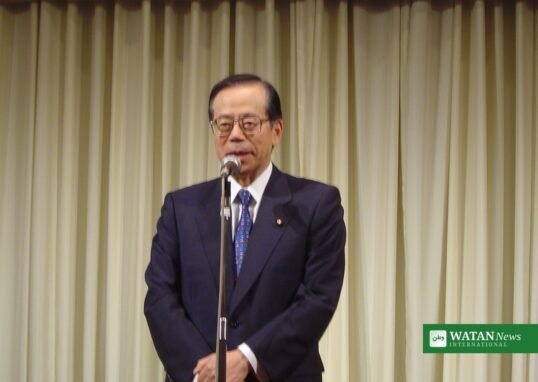
Former Japanese Prime Minister Yasuo Fukuda Dies at 90
- 0
- 475 words
Former Japanese Prime Minister Yasuo Fukuda has died at 90, Nikkei reported on Monday. He led Japan from September 2007 to September...
Read out all
China’s Communist Party Opens Key Plenum Focused on Party Governance
- 0
- 443 words
China's Communist Party has opened a four-day Central Committee plenum in Beijing focused on party discipline and self-governance, ahead of a major...
Read out all