- 0
- 802 words
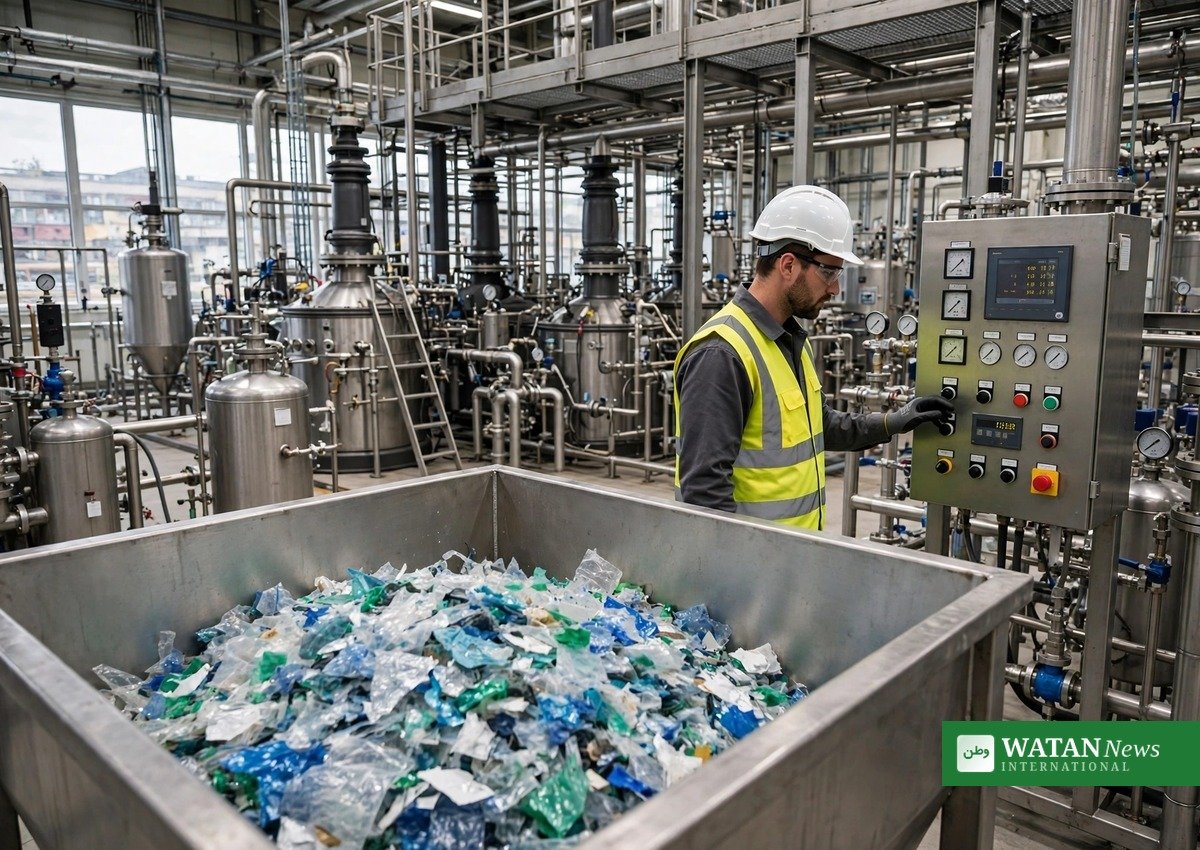
Cangzhou, China — A new pilot plant in northern China is testing whether mixed, contaminated waste plastic — the kind that often defeats conventional recycling — can be turned back into virgin-quality propylene, a key raw material for packaging, car parts and medical devices.
Zhejiang COMY Environmental Technology launched the pilot on 16 October 2026 at the Yanzhao Green Chemical Laboratory in Cangzhou, in Hebei province, according to the company announcement reported by trade outlets Hydrocarbon Processing and Hydrocarbon Engineering. The project is a demonstration step: equipment is installed and commissioning is under way, but it is not yet a commercial-scale plant.
What the pilot does
The technology is called Plastic-to-Propylene, or PTP. It is designed to convert mixed, low-value waste plastics into propylene of virgin-equivalent quality, alongside co-products including aromatics and light hydrocarbons.
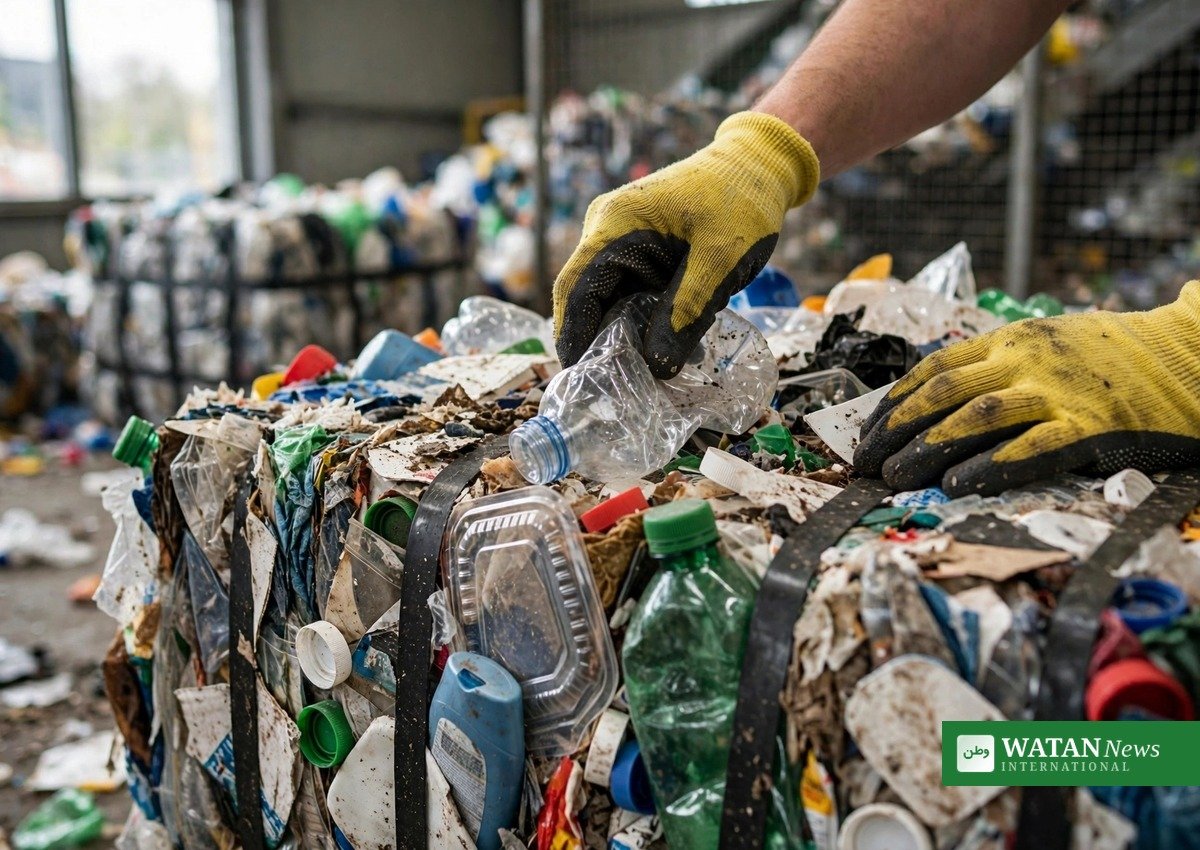
That matters because mechanical recycling normally needs carefully sorted, clean plastic. Much real-world plastic waste is mixed and contaminated, so it is harder to recycle mechanically. COMY says its process is engineered for exactly that mixed, contaminated polyolefin waste, without intensive pre-washing.
How the process works
According to the company, PTP uses a highly selective catalytic cracking and olefin recombination route. In plain terms, it breaks plastic chains down and rebuilds them into propylene, rather than simply melting and reshaping used plastic.
The company reports energy-efficiency gains over conventional naphtha-based propylene production. That claim is company-reported; independent, peer-reviewed performance data for this pilot have not been published in the sources reviewed for this article.
The N+1 model
COMY has also set out an “N+1” industrial model to deal with a practical problem: waste plastic is spread out, and transporting it is costly and carbon-intensive.
Under the model, distributed “N” facilities located near waste sources carry out local pretreatment and pyrolysis, reducing transport volumes and associated emissions. A centralised “1” facility then upgrades the intermediate oils into high-value chemicals. The Cangzhou pilot validates that central “1” stage, demonstrating, according to the company, stable production of high-purity recycled propylene and co-products at industrial scale.
Why it matters now
Demand for recycled chemical feedstocks is rising with regulation. The EU Packaging and Packaging Waste Regulation, applicable since August 2026, mandates minimum recycled content in plastic packaging from 2030. In the United Kingdom, the Plastic Packaging Tax applies to packaging containing less than 30% recycled plastic, and from April 2027 chemically recycled plastic will count toward the threshold through a mass-balance approach.
At the same time, global supply of chemically recycled propylene remains limited, leaving a gap for manufacturers seeking compliant, lower-carbon inputs, according to Hydrocarbon Processing. A working route to high-purity recycled propylene could therefore help supply recycled feedstock for polypropylene packaging — if it proves itself at commercial scale.
That “if” is important. A pilot demonstrates a process; it does not by itself solve plastic waste. Collection, sorting, reduction and reuse remain essential, and chemical recycling must be judged on its full energy use, yields and emissions when independently assessed.
FAKTA
- Who: Zhejiang COMY Environmental Technology
- What: Waste plastic-to-propylene (PTP) chemical recycling pilot
- Where: Yanzhao Green Chemical Laboratory, Cangzhou, Hebei, China
- When: Launched 16 October 2026; announced 26 October 2026
- Feedstock: Mixed, contaminated polyolefin waste plastics
- Output: High-purity propylene, plus aromatics and light hydrocarbons
- Status: Pilot and commissioning stage; commercial deployment is the next step, not yet achieved
Related coverage: Watan News earlier reported on plastic packaging recycling in the European Union.
Conclusion
The Cangzhou pilot is a modest but concrete test of an idea the circular economy needs: a way to use the mixed plastic waste that today’s recycling systems leave behind. Its value will be decided not by this launch, but by verified performance, cost and emissions at commercial scale — and by whether it complements, rather than replaces, cutting plastic use in the first place.
Frequently asked questions
What is chemical recycling?
Chemical recycling breaks plastic down chemically — in this case through catalytic cracking and olefin recombination — and rebuilds it into new chemical feedstocks such as propylene, rather than melting and reshaping used plastic as mechanical recycling does.
What is propylene used for?
Propylene is a feedstock for polypropylene and other products used in packaging, automotive components and medical devices, according to Hydrocarbon Processing.
Why is mixed plastic waste hard to recycle?
Mechanical recycling generally requires carefully sorted, clean feedstock. Mixed, contaminated waste does not meet that standard easily, which is why COMY says its process is designed to handle it without intensive pre-washing.
What does the N+1 model mean?
Distributed “N” plants near waste sources pretreat waste and convert it by pyrolysis into intermediate oils, cutting transport volumes and emissions; one central “1” plant upgrades those oils into high-value chemicals such as propylene.
Does this pilot solve the plastic waste problem?
No, not on its own. It is a pilot at commissioning stage. It still needs commercial-scale proof, and waste reduction, reuse, collection and mechanical recycling remain essential parts of a zero-waste system.
Author

usmanch0013@gmail.com
Related Posts
Trump Showcases Venezuelan Oil Tanker in Texas as Senate Race Tightens
- 0
- 489 words
Donald Trump campaigned in Texas beside a tanker carrying Venezuelan crude, one week before midterm elections, as he backed Ken Paxton in...
Read out all
US Strike Kills Five on Suspected Drug Boat in Eastern Pacific
- 0
- 516 words
The US military said it struck a go-fast vessel in the Eastern Pacific on Tuesday, 27 October, killing five people, in the...
Read out all
57.000 indiske skoler indsamler 427.000 stykker elektronikaffald i landsdækkende kampagne
- 0
- 731 words
Mere end 57.000 indiske skoler deltog i Eco Clubs for Mission LiFE-kampagnen om elektronikaffald, indsamlede 427.000 kasserede elektroniske genstande og oprettede næsten...
Read out all
بھارت کے 57 ہزار سے زائد اسکولوں نے ملک گیر مہم میں 4 لاکھ 27 ہزار الیکٹرانک فضلے کی اشیا جمع کیں
بھارت کے 57 ہزار سے زائد اسکولوں نے ایکو کلبز برائے مشن لائف ای ویسٹ مہم میں حصہ لیا، 4 لاکھ 27...
Read out all
57,000 Indian Schools Collect 427,000 E-Waste Items in Nationwide Awareness Campaign
- 0
- 693 words
More than 57,000 Indian schools joined the Eco Clubs for Mission LiFE e-waste campaign, collecting 427,000 discarded electronic items and setting up...
Read out all
Bellevue åbner klimafond på 50.000 dollar til unge klimaidéer
- 0
- 660 words
Bellevues Youth Climate Action Fund giver 50.000 dollar i tilskud med mikrotilskud på 1.000 til 5.000 dollar til ungdomsledede projekter; beboere i...
Read out all