- 0
- 516 words
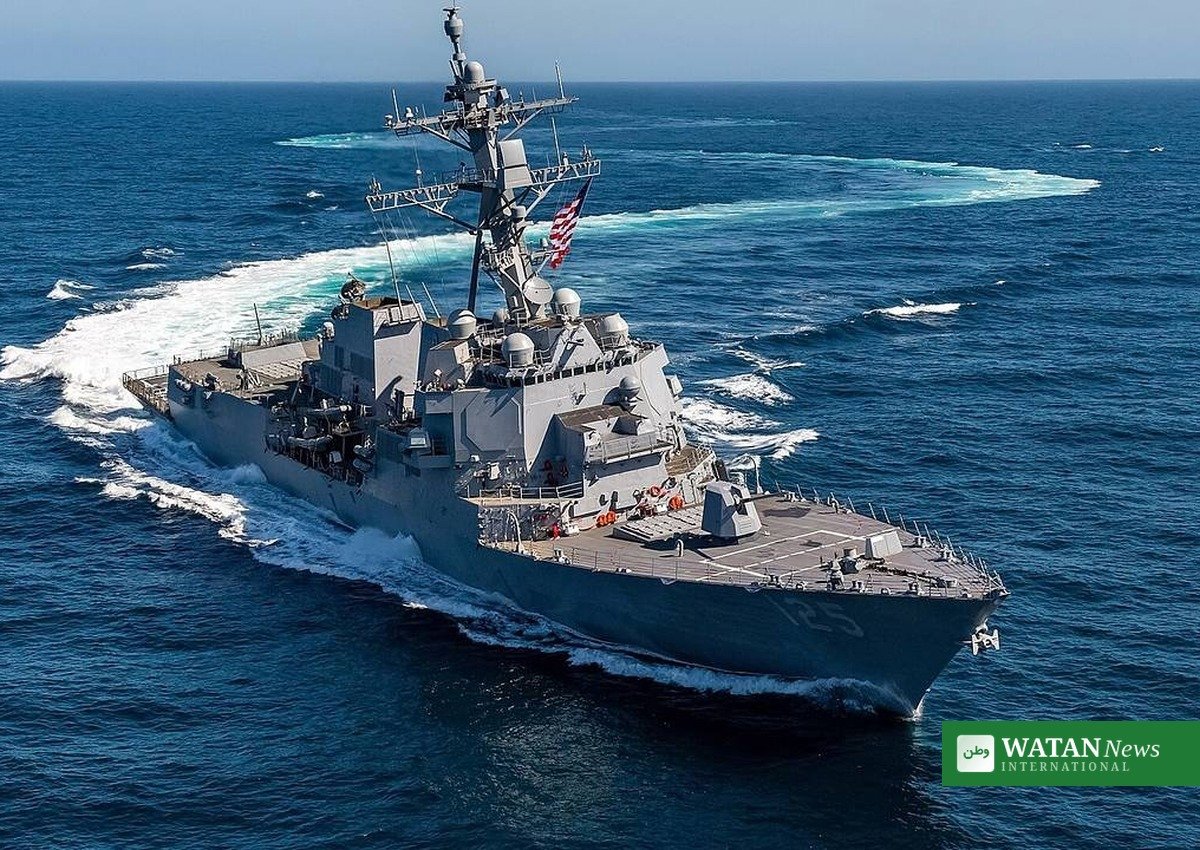
The United States military said on Tuesday, 27 October, that it had carried out a lethal strike on a vessel in the Eastern Pacific, killing five people on board, in the latest attack in its campaign against boats it accuses of smuggling drugs.
US Southern Command said the strike was carried out under its direction by Joint Task Force Western Hemisphere against what it called a go-fast vessel operating along established narco-trafficking routes in the Eastern Pacific. It said intelligence had confirmed the vessel’s active involvement in drug trafficking, and it described the five people killed as narco-terrorists.
FAKTA
- US Eastern Pacific vessel strike: A lethal strike on a go-fast vessel in the Eastern Pacific on Tuesday, 27 October 2026
- Deaths: Five people killed, according to US Southern Command
- Force involved: Joint Task Force Western Hemisphere, under the direction of US Southern Command
- US claim: The vessel was actively involved in drug trafficking, based on confirmed intelligence
- Evidence made public: The military did not provide evidence that the vessel was ferrying drugs; a video posted on X showed a small boat before it was enveloped by an explosion
- Campaign toll: More than 230 people killed since September 2025, according to Reuters; the Associated Press puts the toll at at least 240 in more than 70 strikes
- Criticism: Human Rights Watch, Amnesty International and independent UN experts have called the strikes unlawful extrajudicial killings
US Eastern Pacific vessel strike: what the military said
US Southern Command announced the strike on X on Tuesday, saying it had executed a lethal, kinetic strike on the vessel. It said the vessel was operating along established narco-trafficking routes and cited what it called confirmed intelligence to allege its active involvement in drug trafficking, without providing further details.
The strike is the latest in a series of attacks that began in September 2025 against vessels in the Caribbean Sea and the Eastern Pacific. President Donald Trump’s administration has said the vessels struck were transporting narcotics, and has described the campaign as part of an armed conflict with drug cartels in Latin America, aimed at stemming the flow of drugs into the United States and fatal overdoses.
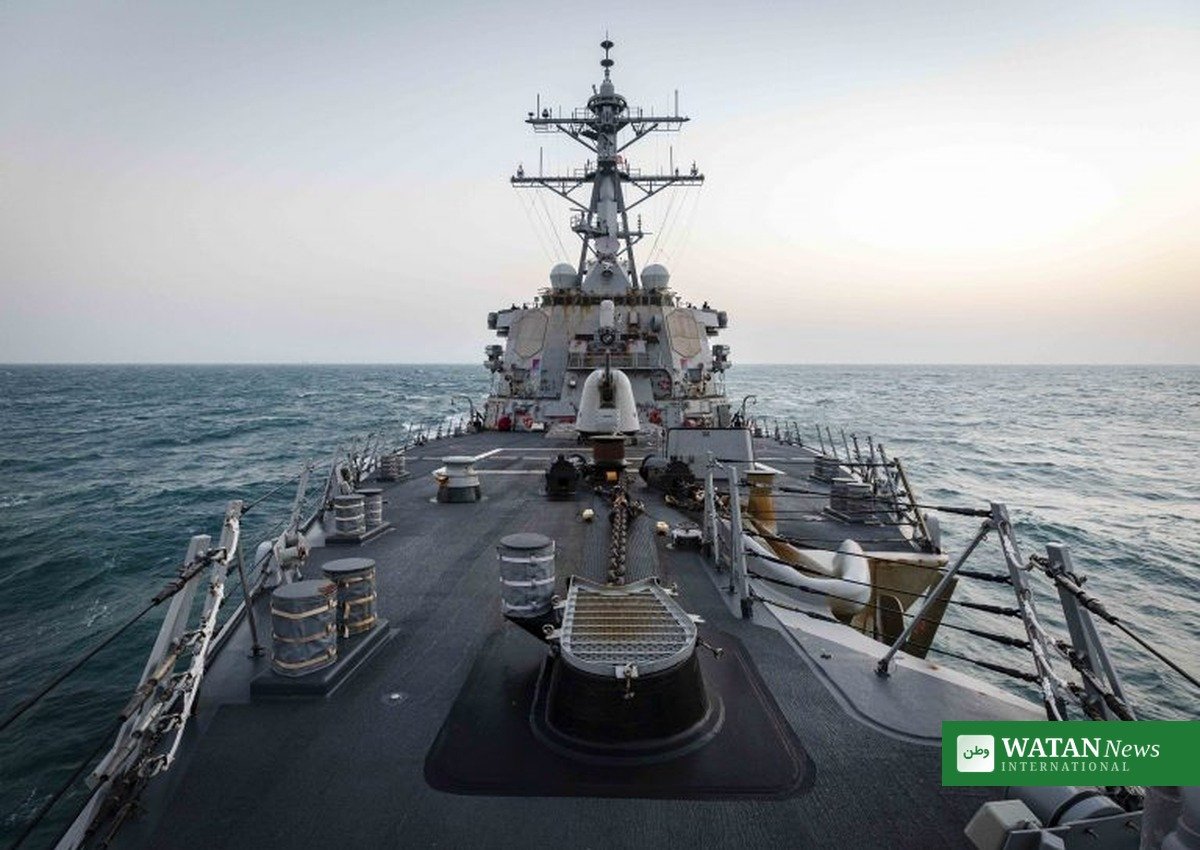
A US Navy warship at sea. US Southern Command said the Eastern Pacific strike was carried out by Joint Task Force Western Hemisphere.
Legal scrutiny and the wider debate
The boat-strike campaign has drawn intense scrutiny from lawmakers, military legal scholars and human rights organisations. Human Rights Watch, Amnesty International and independent UN experts have called the strikes unlawful extrajudicial killings, while the American Civil Liberties Union has cast the administration’s assertions about those targeted as unsubstantiated, fear-mongering claims.
Critics have also questioned the effectiveness of the strikes. The Associated Press noted that the fentanyl behind many fatal overdoses is typically trafficked into the United States over land from Mexico, where it is produced with chemicals imported from China and India. USNI News reported that US Centers for Disease Control and Prevention data do not show a noticeable decrease in overdoses since the first strike in September 2025, although overall overdoses have decreased since September 2023.
More on World: Watan News World coverage.
Author

usmanch0013@gmail.com
Related Posts

Indonesia Deploys Hundreds of Security Personnel as Students Prepare Jakarta Protests
- 0
- 487 words
Hundreds of security personnel were deployed across central Jakarta as University of Indonesia students prepared protests over the Sumatra and Borneo wildfires...
Read out all
Malaysia Seizes $12.1 Million Worth of AI Chips at Kuala Lumpur Airport
- 0
- 501 words
Malaysian customs said it seized advanced AI chips worth about 49.5 million ringgit ($12.11 million) at Kuala Lumpur International Airport, after finding...
Read out all
Lancet Countdown 2026: Heat Deaths Hit Record High as Experts Urge Global Health Emergency
- 0
- 829 words
The 2026 Lancet Countdown report finds heat deaths at a record high and calls for climate change to be recognised as a...
Read out all
Trump Showcases Venezuelan Oil Tanker in Texas as Senate Race Tightens
- 0
- 489 words
Donald Trump campaigned in Texas beside a tanker carrying Venezuelan crude, one week before midterm elections, as he backed Ken Paxton in...
Read out all
57,000 Indian Schools Collect 427,000 E-Waste Items in Nationwide Awareness Campaign
- 0
- 693 words
More than 57,000 Indian schools joined the Eco Clubs for Mission LiFE e-waste campaign, collecting 427,000 discarded electronic items and setting up...
Read out all
Bellevue Opens $50,000 Youth Climate Action Fund as Application Workshop Meets Today
- 0
- 646 words
Bellevue's Youth Climate Action Fund offers $50,000 in grants, with microgrants of $1,000 to $5,000 for youth-led projects; residents aged 15 to...
Read out all