- 0
- 829 words
Climate change should be formally recognised as a global health emergency, the authors of the 2026 Lancet Countdown report say, warning that heat-related deaths have reached a record high while the world’s response is falling behind. The tenth annual report, published on 28 October 2026 and launched at the Health and Climate Change Conference 2026 in London, finds that many climate-related health harms grew faster in the decade since the Paris Agreement than in the decade before it.
Led by University College London in collaboration with the World Health Organization, the report draws on the work of 146 researchers from more than 100 institutions in over 30 countries and tracks 54 indicators of health, climate and policy.
Record heat deaths
Heat was linked to an average of 540,800 estimated deaths a year between 2016 and 2023, the report finds, with 68 percent of them — about 369,900 deaths a year — attributed to human-caused climate change. That is up from 55 percent, or 219,100 deaths a year, in 2006–2015.
In 2023 alone, the hottest year in the period studied, heat was linked to a record 710,000 estimated deaths, with 71.5 percent driven by climate change — more deaths than malaria or HIV caused that year. Altogether, the report estimates that climate change caused almost 3 million heat deaths between 2016 and 2023.
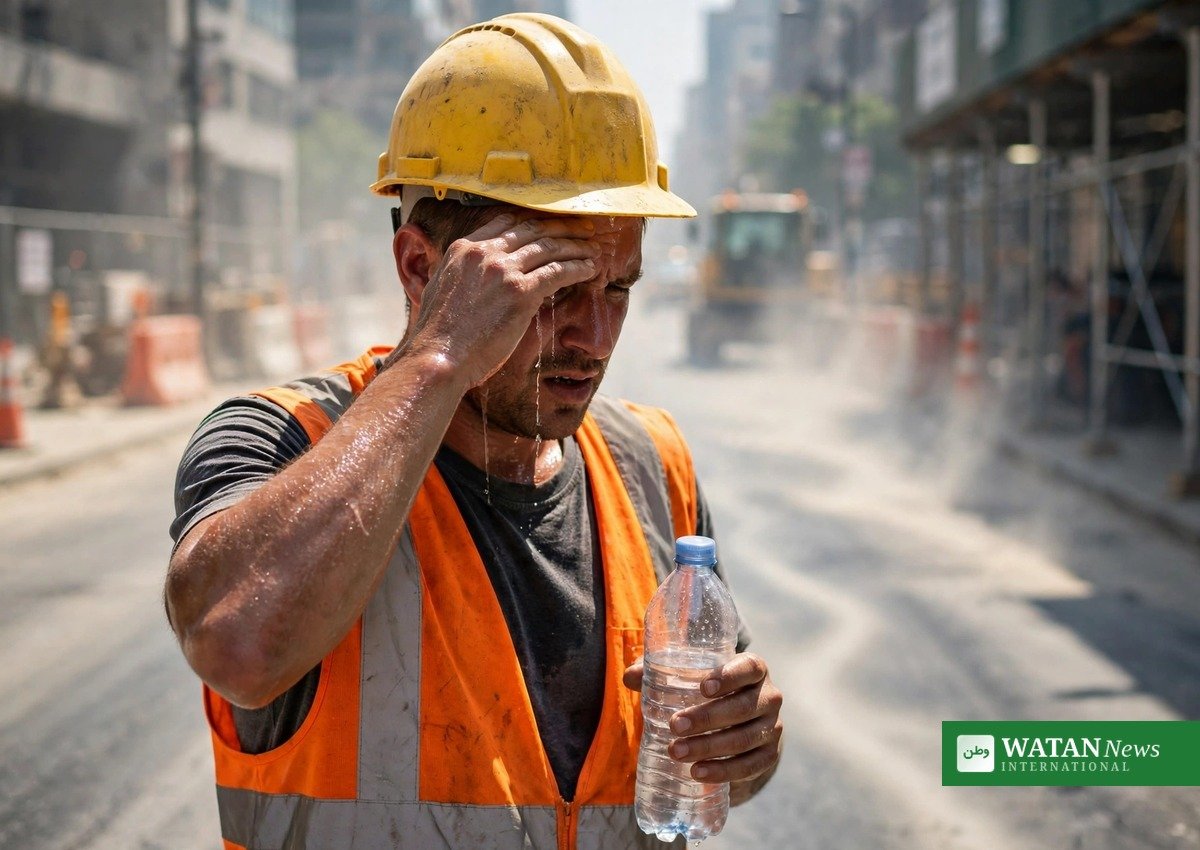
Older adults, outdoor workers and households without cooling face the greatest risk, the report notes, as heatwaves grow longer and more intense.
A trillion-dollar toll on workers
Extreme heat also cut into people’s ability to work. In 2025 it cost the global economy an estimated US$1.07 trillion in potential income — 0.91 percent of global economic output — the third year in a row that losses have topped US$1 trillion, according to the report.
South-East Asia and Africa were hit hardest, with losses equal to 3.9 percent and 3.2 percent of GDP respectively, compared with 0.2 percent in Europe and 1.5 percent in the Americas. Agriculture absorbed 38 percent of the losses and construction 29 percent, both sectors where work is largely outdoors and physically demanding.
The call: a global health emergency
The report’s central message is about pace. Professor Marina Romanello, executive director of the Lancet Countdown at University College London, said: “A decade after the Paris Agreement, our findings are unambiguous: the health harms of climate change are growing faster than the world’s response to them, and in many cases even accelerating.”
The authors call for climate change to be formally recognised as a global health emergency, with health placed at the centre of every climate decision, and for coordinated data, finance and response led by the World Health Organization and the United Nations. The call comes less than two weeks before the COP31 climate summit opens in Antalya, Türkiye, on 9 November 2026, where health is expected to feature in the negotiations. Readers can follow the road to that summit in Watan News coverage of cities preparing for COP31.
What progress — and what is still missing
The report does record progress: clean-energy investment hit a record US$2.1 trillion in 2025 and helped cut air-pollution deaths in some countries, and health-system readiness has improved. But fossil fuels still supply more than 80 percent of global energy and are linked to roughly 2.7 million air-pollution deaths each year, the report finds.
Extreme drought has also surged: the pace of land hit by extreme drought rose by about 700 percent between 2016 and 2025 compared with the previous decade, raising risks for water, food and sanitation.
Key facts
- Report: 10th annual Lancet Countdown on Health and Climate Change, published 28 October 2026.
- Heat deaths: 540,800 a year on average in 2016–2023; 710,000 in 2023, a record.
- Climate share: 68 percent of heat deaths in 2016–2023 attributed to human-caused climate change.
- Work losses: US$1.07 trillion in potential income lost to heat in 2025.
- Call: recognise climate change as a global health emergency ahead of COP31 in Antalya, 9–20 November 2026.
Frequently asked questions
What is the Lancet Countdown?
It is an annual, independent assessment of the links between climate change and health, led by University College London in collaboration with the World Health Organization. The 2026 edition is its tenth report and tracks 54 indicators.
How many deaths does the report link to heat?
An average of 540,800 heat deaths a year in 2016–2023, of which about 369,900 a year were attributed to human-caused climate change. In 2023, heat was linked to a record 710,000 deaths.
Why do the authors want a global health emergency declared?
They argue that health harms are growing faster than the response, and that a formal emergency recognition would unlock coordinated data, finance and response through the World Health Organization and the United Nations.
Who is most affected by extreme heat?
Older adults, outdoor workers in agriculture and construction, and households without access to cooling are among the most vulnerable, according to the report.
What happens next?
The findings land just before COP31, the UN climate summit in Antalya, Türkiye, from 9 to 20 November 2026, where governments will negotiate finance, adaptation and implementation of national climate plans.
The report’s warning is clear: without faster action, the health toll of a warming world will keep rising — and the people least able to escape the heat will pay the highest price.
Author

usmanch0013@gmail.com
Related Posts
Indonesia Deploys Hundreds of Security Personnel as Students Prepare Jakarta Protests
- 0
- 487 words
Hundreds of security personnel were deployed across central Jakarta as University of Indonesia students prepared protests over the Sumatra and Borneo wildfires...
Read out all
Malaysia Seizes $12.1 Million Worth of AI Chips at Kuala Lumpur Airport
- 0
- 501 words
Malaysian customs said it seized advanced AI chips worth about 49.5 million ringgit ($12.11 million) at Kuala Lumpur International Airport, after finding...
Read out all
Lancet Countdown 2026: Varmedødsfald rammer rekordhøjt niveau, mens eksperter kræver global sundhedsnødsituation
- 0
- 806 words
Lancet Countdown-rapporten 2026 finder rekordhøje varmedødsfald og opfordrer til, at klimaforandringer anerkendes som en global sundhedsnødsituation.
Read out all
لانسٹ کاؤنٹ ڈاؤن 2026: گرمی سے اموات ریکارڈ سطح پر، عالمی صحت ایمرجنسی کا مطالبہ
لانسٹ کاؤنٹ ڈاؤن کی 2026 کی رپورٹ میں گرمی سے اموات ریکارڈ سطح پر پائی گئیں اور موسمیاتی تبدیلی کو عالمی صحت...
Read out all
Trump Showcases Venezuelan Oil Tanker in Texas as Senate Race Tightens
- 0
- 489 words
Donald Trump campaigned in Texas beside a tanker carrying Venezuelan crude, one week before midterm elections, as he backed Ken Paxton in...
Read out all
US Strike Kills Five on Suspected Drug Boat in Eastern Pacific
- 0
- 516 words
The US military said it struck a go-fast vessel in the Eastern Pacific on Tuesday, 27 October, killing five people, in the...
Read out all