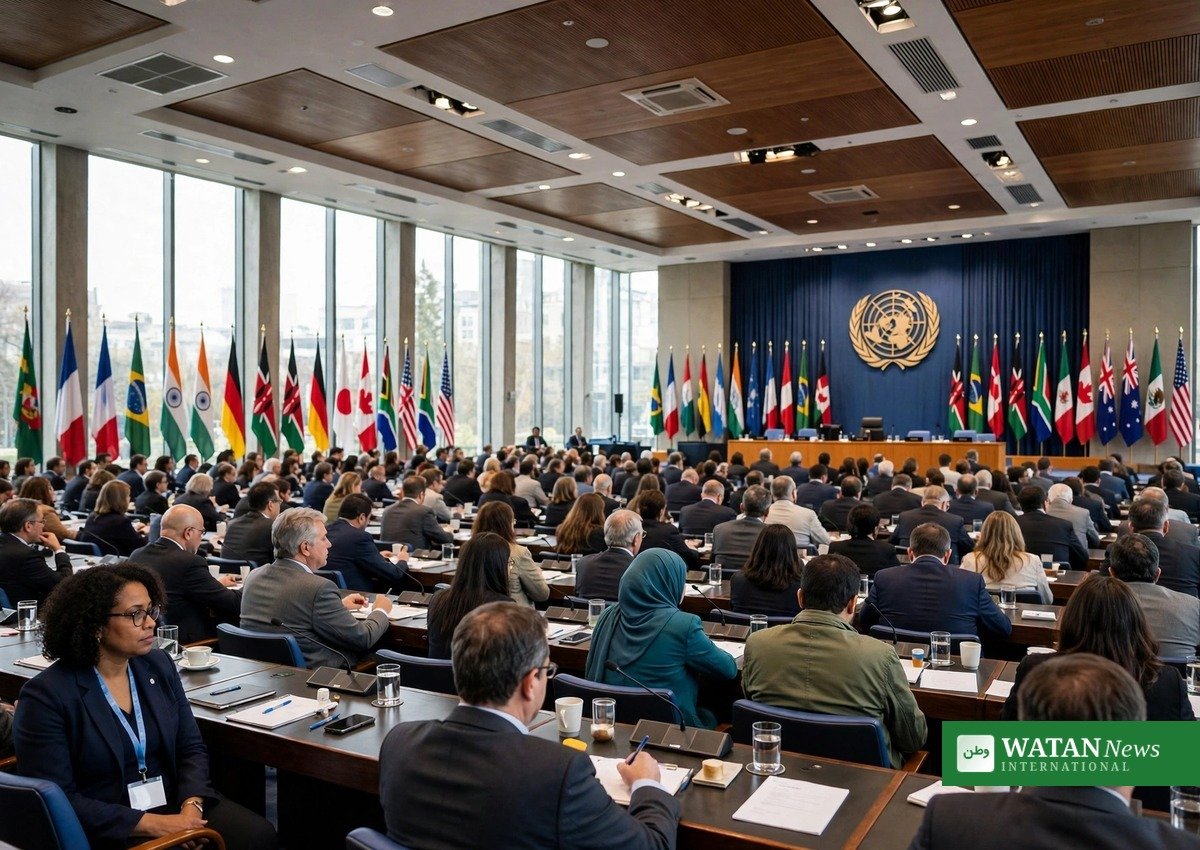
- 0
- 832 words
The world’s current climate pledges would cut global greenhouse gas emissions by only 6% below 2019 levels by 2035, according to a new United Nations report released on 27 October 2026 — far short of what scientists say is needed to keep warming to 1.5°C.
The 2026 Nationally Determined Contributions (NDC) Synthesis Report, published by UN Climate Change, the United Nations Framework Convention on Climate Change secretariat, examines 127 new national climate plans, known as NDCs, representing 154 parties to the Paris Agreement. The plans were submitted between 1 January 2024 and 31 August 2026 and together cover about seven in ten of global greenhouse gas emissions.
What the climate pledges 2035 figures mean
Even if countries fully implement their pledges, including conditional elements, emissions would fall by only 9% below 2019 levels by 2035, the report finds. That is roughly a tenth of the reduction needed for a reasonable chance of limiting warming to 1.5°C.
According to the Intergovernmental Panel on Climate Change, global emissions would need to fall by about 60% from 2019 levels by 2035 for that goal, and by about 37% for a pathway below 2°C. The report’s own estimate is that implementing current NDCs together with long-term decarbonisation targets would imply a best-estimate warming of 1.7–2.3°C by the end of the century.
The report adds: “However, returning warming to 1.5 degrees Celsius would require substantial additional GHG emission reductions in the coming years.”
FAKTA
- 127 new NDCs, representing 154 parties, submitted 1 January 2024 to 31 August 2026
- Unconditional pledges: emissions 6% below 2019 levels by 2035
- With conditional elements: emissions 9% below 2019 levels by 2035
- IPCC benchmark for 1.5°C: about 60% below 2019 levels by 2035
- NDCs plus long-term targets: best-estimate warming of 1.7–2.3°C this century
- Most new NDCs are linked to net-zero targets for 2040–2070, mostly 2050
Broader pledges, but not yet deeper cuts
The report finds that climate action is becoming more deeply embedded in national planning, even though the emissions numbers remain far from the Paris goals. Governments are increasingly involving local and regional authorities, civil society and the private sector in planning, implementing and monitoring climate action.
According to the report, 98% of parties reported engaging a range of such stakeholders in implementing their NDCs, compared with 70% under previous commitments. Nine in ten parties incorporated findings and commitments from the first global stocktake of climate action, and 65% highlighted the contribution of clean energy to energy security.
Most of the new NDCs are linked to long-term targets for reaching net-zero emissions between 2040 and 2070, with the majority aiming for 2050. The report also notes that global climate finance rose to an estimated 1.9 trillion dollars a year in 2023–24, driven largely by private investment in renewables and low-emission technology, but says that increase still falls far short of what rapid mitigation and adaptation require.
What happens next at COP31
The findings land less than two weeks before the COP31 climate conference in Antalya, Türkiye, from 9 to 20 November 2026, where countries are expected to discuss how to turn long-term promises into nearer-term action. UN Climate Change Executive Secretary Simon Stiell said COP31, “with its focus on practical measures to support greater implementation, can help address some of the key gaps.”
For related COP31 coverage, see COP31 co-facilitators prepare the Antalya talks on Watan News.
A separate assessment published by the United Nations Environment Programme last week put the world on course for about 2.6°C of warming this century under present commitments, a different modelling approach from the UNFCCC synthesis. The two reports point in the same direction: pledges have broadened, but the scale of emissions cuts has not yet caught up with the goals countries set in Paris.
Conclusion
The 2026 synthesis does not present the gap as a reason to abandon the pledges. It presents it as a measure of how much more implementation is still required: broader plans, wider participation and rising finance, alongside emissions cuts that remain, on the report’s own numbers, only a fraction of what is needed.
Frequently asked questions
What is an NDC?
An NDC, or nationally determined contribution, is a country’s own climate plan under the Paris Agreement. Each country decides its own actions, and each successive plan is meant to mark a progression over the previous one.
What is the difference between the 6% and 9% figures?
The 6% figure is the reduction expected from unconditional pledges, while 9% is the reduction if conditional elements of the pledges are also fully implemented. Both are measured against 2019 emission levels in 2035.
Why is a 60% cut needed by 2035?
According to the Intergovernmental Panel on Climate Change, a cut of about 60% from 2019 levels by 2035 would give a reasonable chance of limiting warming to 1.5°C. A cut of about 37% would be consistent with a pathway below 2°C.
What is expected at COP31?
COP31 takes place in Antalya, Türkiye, from 9 to 20 November 2026. UN Climate Change says its focus on practical implementation measures can help address some of the key gaps identified in the synthesis report.
Does the report say 1.5°C is lost?
No. The report says returning warming to 1.5°C would require substantial additional emission reductions in the coming years, and estimates 1.7–2.3°C of warming this century if current NDCs and long-term targets are implemented.
Author

usmanch0013@gmail.com
Related Posts

Abhishek’s 35-Ball Century Powers India to Series-Clinching Win Over New Zealand
- 0
- 597 words
Abhishek Sharma smashed a 35-ball century as India chased down 199 in just 13.2 overs to beat New Zealand by six wickets...
Read out all
Pakistan Calls for Abolishing or Restricting UN Veto, Opposes New Permanent Seats
- 0
- 493 words
Pakistan has told the UN General Assembly that the veto should be abolished or severely restricted, not expanded, warning that new permanent...
Read out all
Drone Strike on Nyala Market Kills 21 in Sudan’s Darfur Region
- 0
- 547 words
A drone strike on a market in Nyala, Sudan's South Darfur capital, killed at least 21 people and wounded more than 40...
Read out all
FN-rapport: Nuværende klimaplaner skærer kun 6 % af udledningerne i 2035
- 0
- 872 words
FN's 2026 NDC-syntese-rapport finder, at de nuværende klimaplaner kun vil skære de globale udledninger med 6 % under 2019-niveauet i 2035, eller...
Read out all
اقوام متحدہ کی رپورٹ: موسمیاتی وعدے 2035 تک اخراج میں صرف 6 فیصد کمی لائیں گے
اقوام متحدہ کی 2026 کی جامع رپورٹ کے مطابق موجودہ موسمیاتی وعدے 2035 تک اخراج میں صرف 6 فیصد کمی لائیں گے،...
Read out all
Dozens of Somali Soldiers Killed in Fierce Battle With al-Shabaab in Southern Somalia
- 0
- 485 words
Dozens of Somali soldiers have been killed in a major battle with al-Shabaab in southern Somalia, while the defence ministry says about...
Read out all