- 0
- 740 words
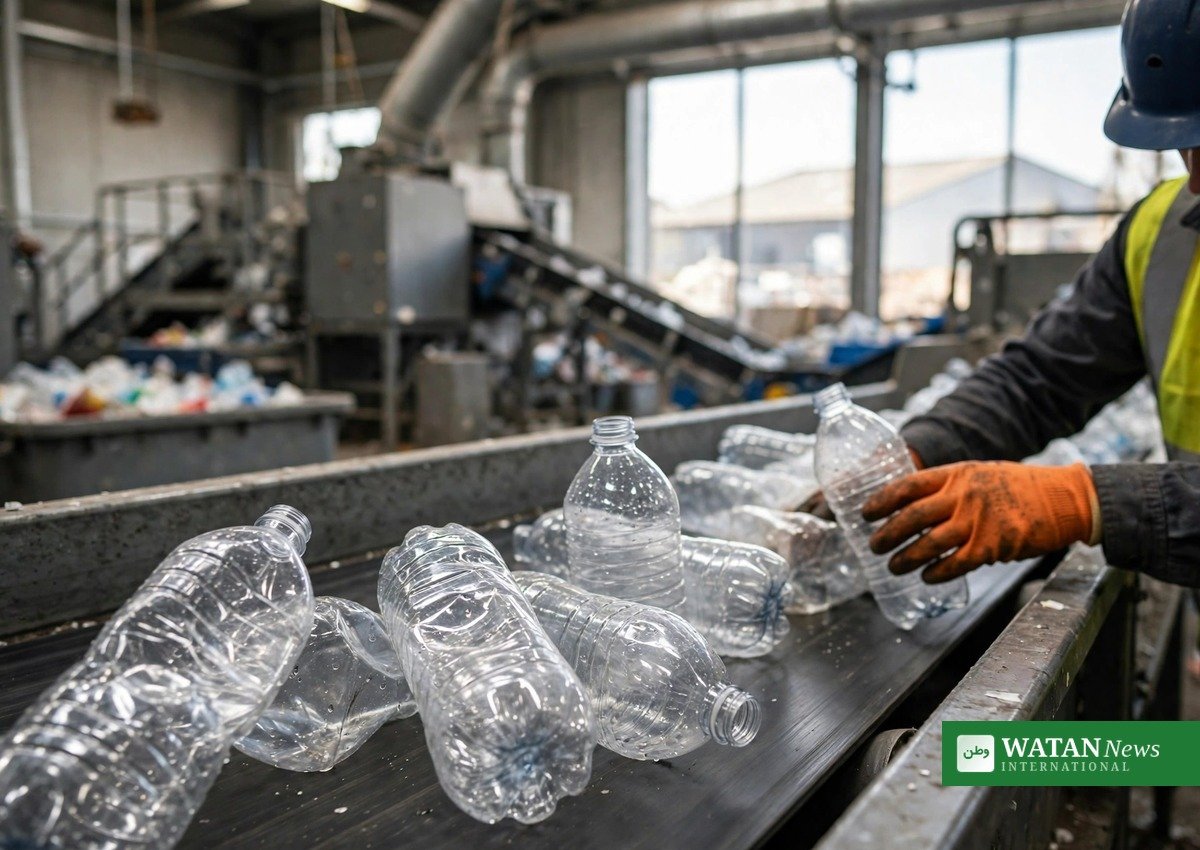
Danone has agreed to revise the recycling claims on its plastic water bottles, becoming the last of the three drink giants named in a European greenwashing complaint to fix its “100% recycled” bottle labels. The move closes a three-year case over claims that consumer groups said misled shoppers about what part of the bottle is actually recycled.
Danone, the owner of Evian, Volvic and Aqua and the world’s second-largest producer of packaged water, will now specify that its 100% recycled plastic claims apply only to the body of the bottle, not the cap or the label, according to the European Consumer Organisation (BEUC). The three companies have also pledged not to give consumers the false impression of a closed recycling loop.
Recycled bottle labels: what changes
BEUC, together with member organisations from 13 countries, reported Danone, Nestlé and Coca-Cola to EU authorities in November 2023, saying their claims about the recyclability of plastic water bottles did not comply with EU rules on unfair commercial practices. Green imagery suggesting a closed recycling loop was flagged as promoting what BEUC called the false idea of environmental neutrality.
Coca-Cola moved first, revising labelling for some products last year and adding a disclaimer clarifying which part of the bottle is made from 100% recycled plastic, while dropping the closed-loop green imagery. Nestlé followed suit with its own commitment in March, and the European Commission said it concluded its dialogue with Coca-Cola in June 2025 and with Nestlé in February 2026. Danone is the last of the three to commit.
“Presenting a bottle as 100% recycled or recyclable is simply misleading and must stop, as must the green imagery that suggests that plastic drink bottles have no environmental impact,” BEUC Director General Agustín Reyna said in the organisation’s 22 October release. “Consumers need to be able to trust companies’ environmental claims.”

Enforcement and the wider plastic picture
The European Commission and the CPC network of national consumer protection authorities will monitor implementation, with the companies submitting implementation reports that authorities will use to verify compliance. The Commission has said it may engage with bottling industry associations to support a level playing field where all companies operating in the single market abide by the same rules.
The case lands as the world produces more than 430 million tonnes of plastic a year, of which only about 9% is recycled, according to UN Environment Programme figures. The EU’s EmpCo anti-greenwashing rules, which ban vague environmental claims and require sustainability labels to be certified, became applicable on 27 September 2026, raising the stakes for packaging claims across the bloc.
For shoppers, the practical change is simple: a bottle that says 100% recycled will soon have to say clearly that the claim covers the bottle body only. Caps and labels, which are typically made from different materials, are not part of that claim.
Read more on the EU crackdown on green claims: EU Anti-Greenwashing Rules Now in Force: ‘Eco-Friendly’ Claims Must Be Proven.
FAKTA
- Danone has agreed to revise recycling claims on its plastic water bottles, the last of three companies in the BEUC complaint to do so.
- 100% recycled claims will apply to the bottle body only, not the cap or label.
- BEUC and 13 member organisations filed the complaint in November 2023.
- Coca-Cola revised its labels last year; Nestlé followed in March; the Commission closed its dialogues in June 2025 and February 2026 respectively.
- Danone owns Evian, Volvic and Aqua and is the world’s second-largest packaged water producer.
Frequently asked questions
What did Danone agree to change?
Danone agreed to specify that its 100% recycled plastic claims apply only to the body of its water bottles, not the cap or label, and to avoid marketing that gives the false impression of a closed recycling loop.
Why were the claims considered misleading?
Consumer groups argued that presenting a whole bottle as 100% recycled was misleading because caps and labels are made from different materials, and green closed-loop imagery suggested the bottles had no environmental impact.
Which companies were in the complaint?
The November 2023 complaint by BEUC and member organisations from 13 countries named Danone, Nestlé and Coca-Cola over claims about the recyclability of their plastic water bottles.
Who will check that companies keep their promises?
National consumer protection authorities in the CPC network will monitor implementation, using implementation reports submitted by the companies to verify compliance.
How much plastic is actually recycled?
According to UN Environment Programme figures, the world produces more than 430 million tonnes of plastic a year, of which only about 9% is recycled.
Author

usmanch0013@gmail.com
Related Posts
PROTECT30 planter foderområde for elefanter i Sumatras Bukit Tigapuluh
- 0
- 758 words
Et 17 hektar stort foderområde med lokale frugttræer er plantet i Sumatras Bukit Tigapuluh-landskab for at støtte de kritisk truede sumatraelefanter, som...
Read out all
سماٹرا کے بکیت تیگاپولو میں ہاتھیوں کے لیے چارہ گاہ لگائی گئی
سماٹرا کے بکیت تیگاپولو میں خطرے سے دوچار ہاتھیوں کے لیے 17 ہیکٹر پر مقامی پھلوں کے درختوں کی چارہ گاہ لگائی...
Read out all
PROTECT30 Plants Elephant Forage Area in Sumatra’s Bukit Tigapuluh
- 0
- 768 words
A 17-hectare forage area of local fruit trees has been planted in Sumatra's Bukit Tigapuluh landscape to support critically endangered Sumatran elephants,...
Read out all
Zelensky Expects Ukraine-Russia Peace Talks in Abu Dhabi Between November 6 and 10
- 0
- 759 words
Ukrainian President Volodymyr Zelensky says he expects trilateral peace talks with Russia and the United States to take place in Abu Dhabi...
Read out all
Danone retter ‘100 % genanvendt’-mærker på flasker efter EU-undersøgelse
- 0
- 736 words
Danone har indvilget i at rette genbrugsangivelserne på sine plastikvandflasker og er den sidste af tre drikkevaregiganter i en europæisk greenwashing-klage, der...
Read out all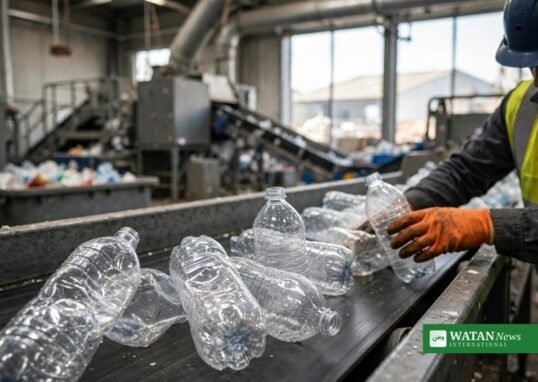
ڈینون نے بھی پلاسٹک بوتلوں پر ری سائیکلنگ کے دعووں کی اصلاح پر اتفاق کر لیا
ڈینون نے اپنی پلاسٹک کی پانی کی بوتلوں پر ری سائیکلنگ کے دعووں کی اصلاح پر اتفاق کر لیا ہے، اور یورپی...
Read out all