- 0
- 810 words
Around 163,800 energy-efficiency measures have been installed in 74,900 social housing households across the United Kingdom, according to the government’s October 2026 statistical release on the Social Housing Decarbonisation Fund. The figures, covering installations to the end of August 2026, show a programme now nearing completion, with almost every upgraded home that could be assessed reaching Energy Performance Certificate band C or above.
The Social Housing Decarbonisation Fund was set up to bring social housing below Energy Performance Certificate band C up to that standard. Its first wave, launched in August 2021, awarded around 179 million pounds for delivery from 2022 into 2023 for improvements to up to 20,000 social housing properties. The second wave was split into two parts: Wave 2.1, with around 778 million pounds for 104 projects delivering from 2023 to 2026, and Wave 2.2, with around 80 million pounds from April 2024, building on Wave 2.1 allocations for delivery from 2024 to 2026.
Social housing energy upgrades: what was installed
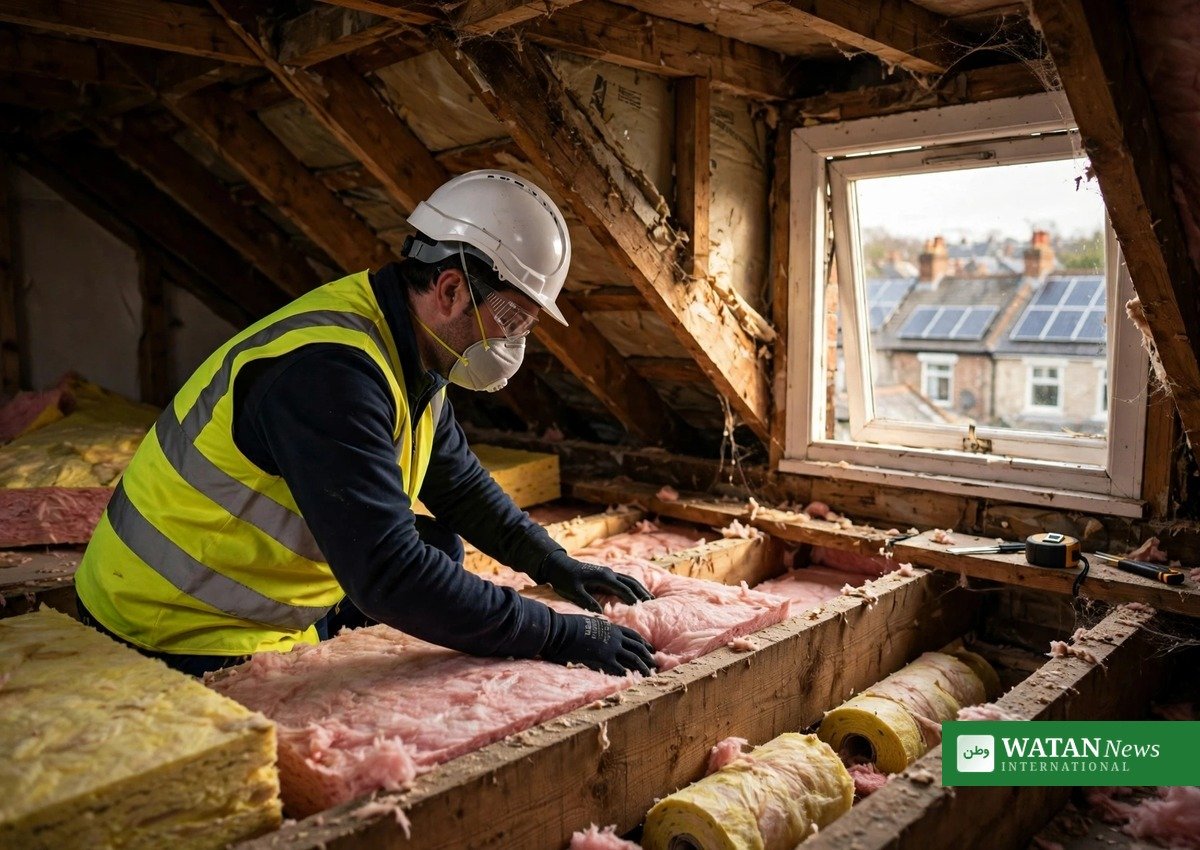
Insulation dominates the work. Under Wave 2.1, insulation measures accounted for 51 percent of the 120,700 measures installed in 53,800 households, or 61,500 measures. Electricity-related measures, such as solar panels, accounted for 23 percent, or 27,900 measures, and windows and doors, such as double or triple glazing, accounted for 16 percent, or 19,800 measures.
The pattern is similar under Wave 2.2, which installed around 11,400 measures in 5,100 households: insulation made up 48 percent, or 5,500 measures, electricity-related measures 25 percent, or 2,900 measures, and windows and doors 15 percent, or 1,700 measures. Across all three waves, loft insulation was the single most common measure, accounting for 23 percent of Wave 1 measures, 25 percent of Wave 2.1 measures and 27 percent of Wave 2.2 measures.
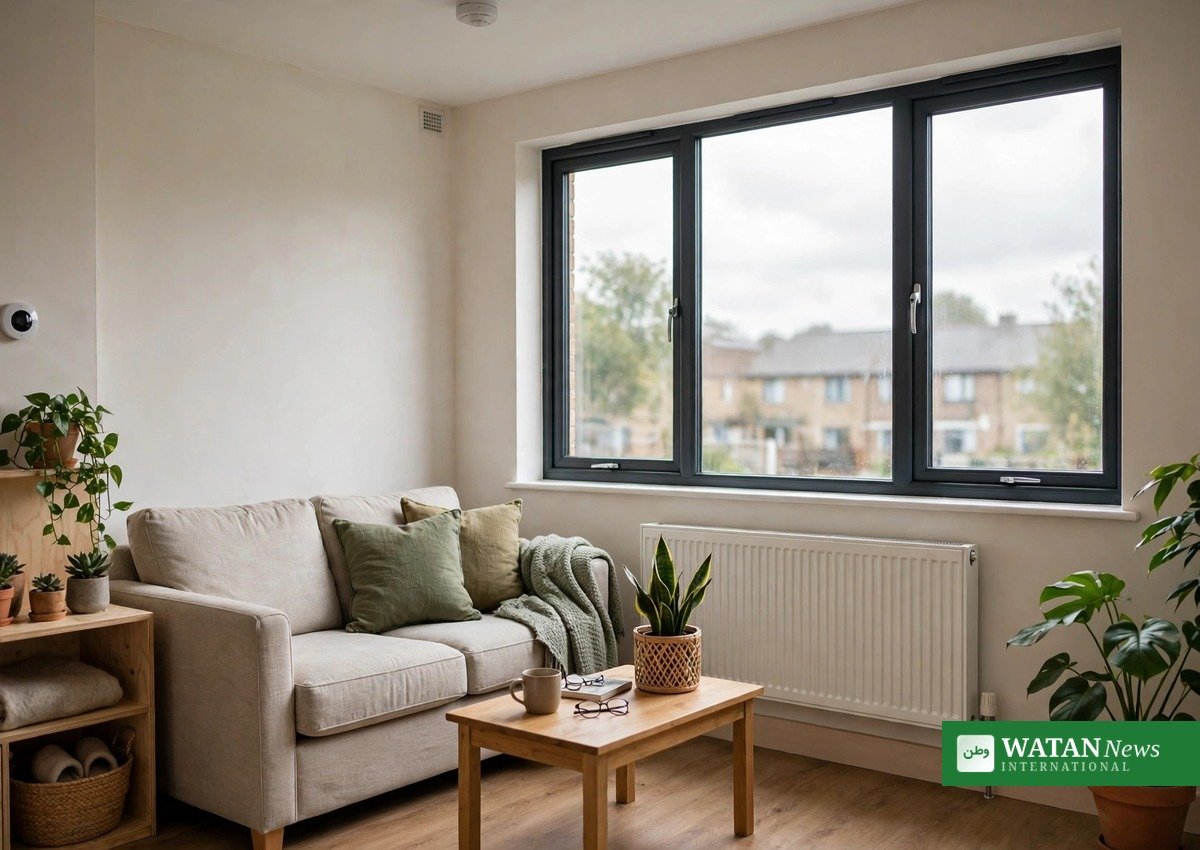
For households, the practical meaning of the work is straightforward: better insulation keeps heat inside in winter, well-fitted windows and doors cut draughts, and solar panels generate electricity on site. The release does not publish bill savings for individual households, and its figures are provisional and subject to revision, so the results should be read as a national picture of delivery rather than a promise for any single home.
Where the upgrades happened
Under Wave 2.1, the North West had the most households upgraded, with 12,200 households, or 23 percent, followed by the West Midlands with 7,200 households, or 13 percent, and Yorkshire and the Humber with 5,900 households, or 11 percent. Under Wave 2.2, the South East led with 1,300 households, or 25 percent, followed by the West Midlands with 860 households, or 17 percent, and London with 810 households, or 16 percent.
The release notes that regions differ in population size and in the number of grant recipients taking part, so the regional figures describe where delivery happened rather than a league table of performance. By property type under Wave 2.1, houses accounted for 78 percent of measures, or 94,100 measures, followed by bungalows at 13 percent, or 16,200 measures, and flats at 8 percent, or 10,100 measures.
Almost every assessed home reached band C or above
Almost 100 percent of upgraded homes were improved to Energy Performance Certificate band C or above under both Wave 2.1, with 46,400 households, and Wave 2.2, with 4,140 households. That finding is based on the homes where pre- and post-installation ratings were known and the initial rating was band D or lower: 86 percent of Wave 2.1 households and 82 percent of Wave 2.2 households.
Delivery is now winding down. Wave 2.1 reported only a small number of households upgraded in July and August 2026, and Wave 2.2 reported no measures installed in August 2026, reflecting the schemes’ progression towards completion, with some residual delivery still expected. The release also notes that recent months’ data are likely to be revised upwards as more reports arrive from grant recipients.
FAKTA
- Around 163,800 measures have been installed in 74,900 social housing households in total, to the end of August 2026.
- Wave 2.1 delivered 120,700 measures in 53,800 households; Wave 2.2 delivered 11,400 measures in 5,100 households.
- Insulation was the most common type of work, followed by electricity-related measures such as solar panels and then windows and doors.
- Almost 100 percent of assessed upgraded homes reached Energy Performance Certificate band C or above.
- All figures are provisional and subject to revision; the next publication is due on 26 November 2026.
For more climate coverage, see Watan News International’s climate section: Climate news.
Frequently asked questions
What is the Social Housing Decarbonisation Fund?
It is a UK government scheme that funds energy-performance improvements to social housing that is currently below Energy Performance Certificate band C, bringing it up to that standard.
What does Energy Performance Certificate band C mean?
An Energy Performance Certificate rates a home’s energy efficiency from A, the most efficient, to G, the least efficient. Band C is a mid-range rating that indicates a reasonably efficient home.
What was the most common upgrade?
Insulation, led by loft insulation, which was the single most common measure under all three waves of the scheme.
Which regions saw the most upgrades?
Under Wave 2.1, the North West led with 12,200 households upgraded. Under Wave 2.2, the South East led with 1,300 households upgraded.
Are these figures final?
No. The release states that all figures are provisional and subject to revision, and that recent months’ data are likely to be revised upwards as more grant recipients report.
Author

usmanch0013@gmail.com
Related Posts

Hegseth Fires Pentagon’s Top Military Planner as US Weighs New Iran Strikes
- 0
- 789 words
US Defense Secretary Pete Hegseth has fired Lt. Gen. Brett Sylvia, the Pentagon's top military planner, amid an alleged leak investigation, as...
Read out all
برطانیہ میں سماجی رہائش کے 74,900 گھروں کی توانائی بہتری مکمل
برطانیہ کی حکومت کے اکتوبر 2026 کے اعداد و شمار کے مطابق سماجی رہائش کے 74,900 گھرانوں میں توانائی کی بچت کے...
Read out all
FN’s genopretningsrapport giver klimajournalister et nyt globalt scorecard
- 0
- 1,279 word
FN's første samlede vurdering af genopretning, offentliggjort 29. oktober 2026, giver klimajournalister et verificerbart globalt scorecard: 252 millioner hektar er under genopretning...
Read out all
اقوام متحدہ کی بحالی رپورٹ: صحافیوں کے لیے ماحولیاتی خبروں کا نیا عالمی پیمانہ
29 اکتوبر 2026 کو شائع ہونے والی اقوام متحدہ کی بحالی کی پہلی جامع رپورٹ صحافیوں کو ایک قابل تصدیق عالمی پیمانہ...
Read out all
UN Restoration Report Gives Climate Journalists a New Global Scorecard
- 0
- 1,185 word
The UN's first comprehensive restoration assessment, published on 29 October 2026, gives climate journalists a verifiable global scorecard: 252 million hectares under...
Read out all
Energirenovering af almene boliger når 74.900 hjem i Storbritannien
- 0
- 781 words
Omkring 163.800 energiforbedringer er installeret i 74.900 almene boliger i Storbritannien, og isolering er den hyppigste forbedring, viser regeringens statistik fra oktober...
Read out all