
- 0
- 523 words
Angola’s capital, Luanda, is projected to overtake Nigeria’s Lagos as the most populous city in sub-Saharan Africa by 2050, according to a new World Bank report. Luanda’s population is expected to rise by 78%, from 11.4 million in 2025 to 20.3 million in 2050, while Lagos grows by more than 25%, from 12.8 million to 16.2 million.
The findings come from the World Bank report “Sub-Saharan Africa’s Urban Awakening: Catalyzing Economic Growth and Job Creation”, which says the region will add 748 million urban residents between 2025 and 2050, bringing its urban population to about 1.7 billion.
FAKTA
- Luanda 2050: 20.3 million, up 78% from 11.4 million in 2025 — set to become sub-Saharan Africa’s largest city.
- Lagos 2050: 16.2 million, up more than 25% from 12.8 million in 2025 — dropping to second place.
- Johannesburg: 7.1 million to 8.9 million, falling from fifth to eighth among the region’s largest cities.
- Regional growth: 748 million additional urban residents by 2050; urban population of about 1.7 billion.
- Past growth: The region’s urban population rose by 742.4 million between 1975 and 2025, from 170.2 million to 912.6 million.
A reshaped urban map
The report projects that Lagos and Johannesburg will slip in the rankings of sub-Saharan Africa’s 15 largest cities by 2050, even though both keep growing, as other cities expand faster. The projected 15 largest cities in 2050 are Luanda, Lagos, Kinshasa, Dar es Salaam, Addis Ababa, Abidjan, Khartoum, Johannesburg, Onitsha, Yaoundé, Nairobi, Kampala, Bamako, Accra and Mogadishu.
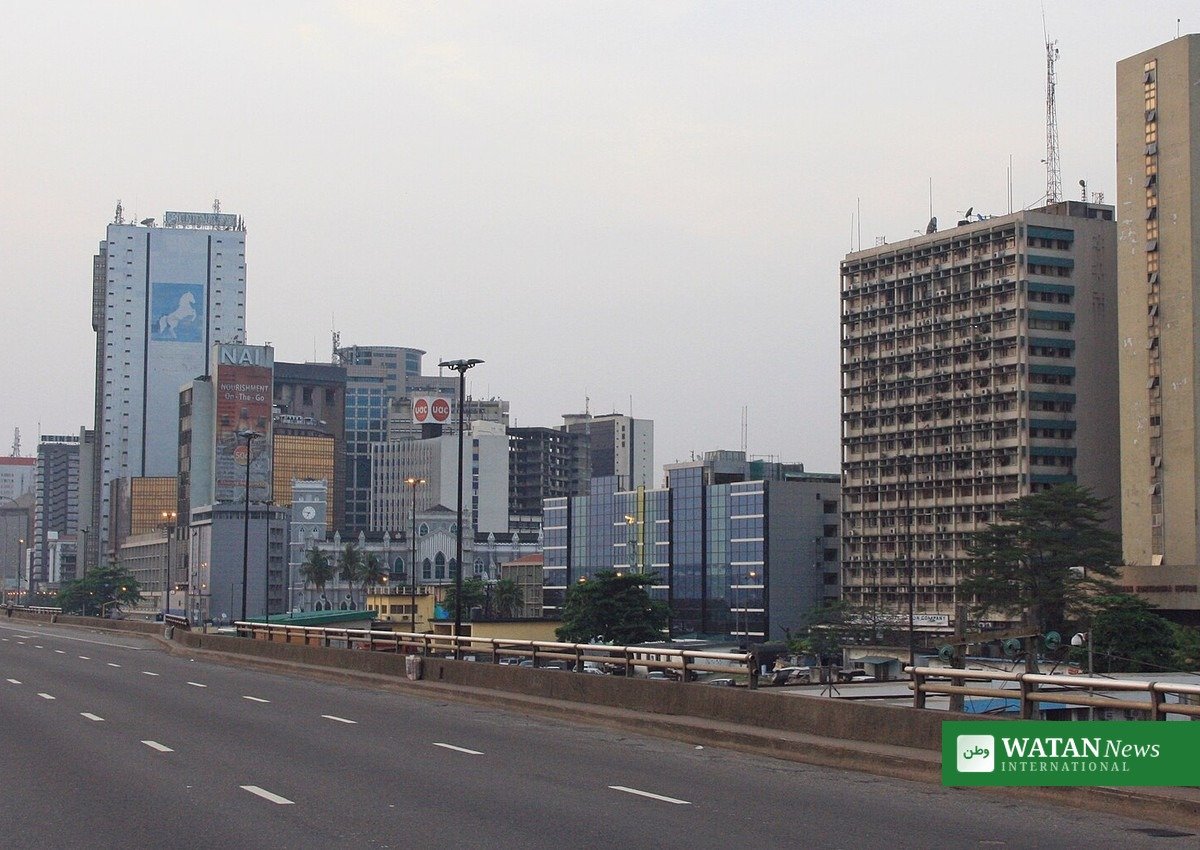
For Lagos, the projection underlines the scale of the challenge: even as it adds about 3.4 million people, its infrastructure, affordable housing and job creation must keep pace. Luanda, meanwhile, is expected to add about 8.9 million residents over the same period.
Estimates differ
Population figures for fast-growing African cities vary by source and method. The Lagos State Government has previously put the city’s population at approximately 22 million, higher than the World Bank report’s estimate of 12.8 million for 2025 — a reminder that city boundaries and counting methods shape the numbers.
Opportunity — if cities are ready
The World Bank says rapid urbanisation could support economic growth and job creation, but only if governments adopt policies that make cities more productive. Its report stresses the need for improved infrastructure, effective urban planning, affordable housing and better transport systems.
Conclusion
By 2050, sub-Saharan Africa’s urban map will look very different, with Luanda at its top. Whether that growth becomes an engine of prosperity or a strain on services will depend on the investment and planning decisions taken now.
Frequently Asked Questions
Which will be sub-Saharan Africa’s largest city in 2050?
Luanda, Angola’s capital, is projected to reach 20.3 million people, overtaking Lagos.
How much will Lagos grow?
From 12.8 million in 2025 to 16.2 million in 2050, an increase of more than 25%.
How many people will live in African cities by 2050?
The World Bank projects the region will add 748 million urban residents, bringing its urban population to about 1.7 billion.
Why do Lagos population estimates differ?
Different sources use different city boundaries and counting methods; the Lagos State Government has previously estimated about 22 million, above the World Bank report’s figure.
Read more on Watan News: Luanda Set to Overtake Lagos as Sub-Saharan Africa’s Largest City by 2050, World Bank Says
Author

usmanch0013@gmail.com
Related Posts

Ayala Land and Crown Pipes Launch PVC Take-Back to Cut Construction Waste
- 0
- 717 words
Philippine developer Ayala Land and Crown Asia Chemicals have signed a two-year deal to recycle construction PVC waste through a take-back program...
Read out all
Lula to Attend COP31 in Antalya as Brazil Hands Presidency to Türkiye
- 0
- 641 words
Brazil's President Luiz Inácio Lula da Silva will attend COP31 in Antalya for the 11–12 November leaders' summit, as Brazil hands the...
Read out all
Tens of Thousands Take to Italy’s Streets in Nationwide Strike Over Living Costs
- 0
- 573 words
Tens of thousands of workers and students marched across Italy on 30 October in a nationwide strike called by the USB union,...
Read out all
US Reading Scores Keep Sliding, but Harvard Experts Say the Literacy Crisis Is Fixable
- 0
- 558 words
US reading scores have slid since 2013, with only 31% of fourth graders proficient, but Harvard education experts say the literacy crisis...
Read out all
Canada Invests Up to C$1.6 Billion in Cohere to Build Sovereign AI
- 0
- 559 words
Canada will take an equity stake of up to C$1.6 billion in Toronto AI company Cohere, tied to 1,000 new jobs and...
Read out all
Genworth Names Jerome Upton as CEO as McInerney Retires at Year-End
- 0
- 513 words
Genworth Financial has named CFO Jerome Upton as president and CEO from 1 January 2027, as Thomas McInerney retires, with Angela Simmons...
Read out all