- 0
- 573 words
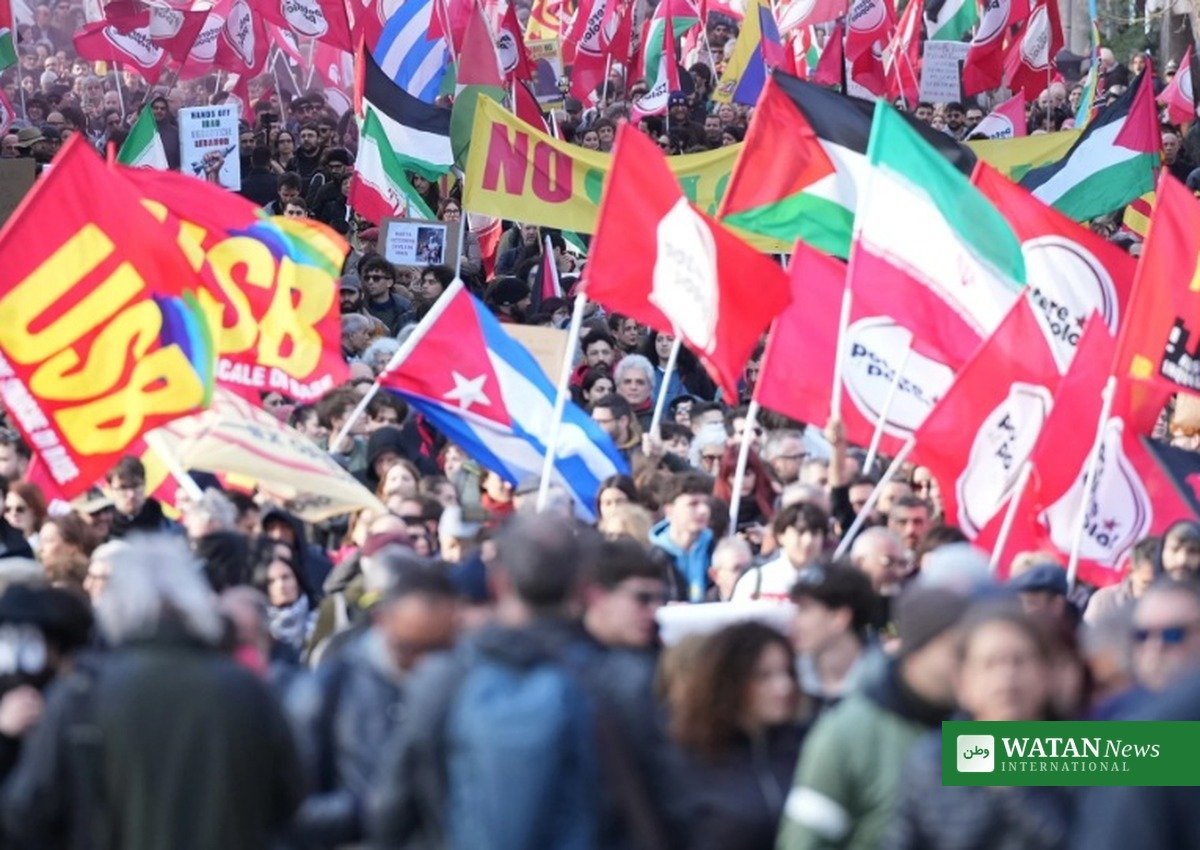
Tens of thousands of people, mostly students and workers, took to the streets across Italy on Friday, 30 October, in a nationwide strike over living costs, wages and public services. The Italy nationwide strike was called by the grassroots union Unione Sindacale di Base (USB) as a 24-hour general strike, with protests planned in more than 40 cities.
Demonstrators demanded higher wages and stronger public services, protested against the rising cost of living and opposed increased military spending. Reports put demonstrations in more than 50 cities, with the largest rallies in Rome, Milan and Turin. The demonstrations were largely peaceful, although tensions flared in some areas.
FAKTA
- What: A 24-hour nationwide general strike in Italy, called by the grassroots union Unione Sindacale di Base (USB).
- When: Friday, 30 October 2026.
- Where: Protests planned in more than 40 cities, including Rome, Milan, Turin, Genoa, Naples, Bologna and Palermo.
- Scale: Tens of thousands of people took part, mostly students and workers; around 15,000 demonstrators entered the port of Genoa.
- Demands: Higher wages, stronger public services, relief from the rising cost of living, and opposition to increased military spending.
- Incidents: Police used water cannon in Turin and in Rome in the evening; eight people were detained in Rome after repeatedly trying to break through police barricades, according to Italian news agency ANSA.
Italy nationwide strike spreads across more than 40 cities
In Rome, a large march passed near the Colosseum, where protesters said they planned to set up tents and remain over the weekend. Some rubbish bins were placed across streets and set on fire. In the evening, a large group tried to march towards parliament, prompting police to use water cannon to disperse the crowd, ANSA reported. Eight people were detained after repeatedly trying to break through police barricades.
In Milan, protesters marched onto the city’s ring road before ending the march in front of the Politecnico di Milano university. Demonstrators carried flares and set fire to objects, Reuters reported.
In Turin, police used a water cannon to push back students and left-wing activists who approached security cordons protecting the prefecture building. Italy’s Interior Ministry said “preventative” arrests were made ahead of the marches to quell violence, CNN reported.
Transport workers had been slated to join the action too, but abandoned plans after Transport Minister Matteo Salvini threatened the sector with sanctions. The USB urged taxi drivers to go ahead with strikes despite receiving a similar warning.
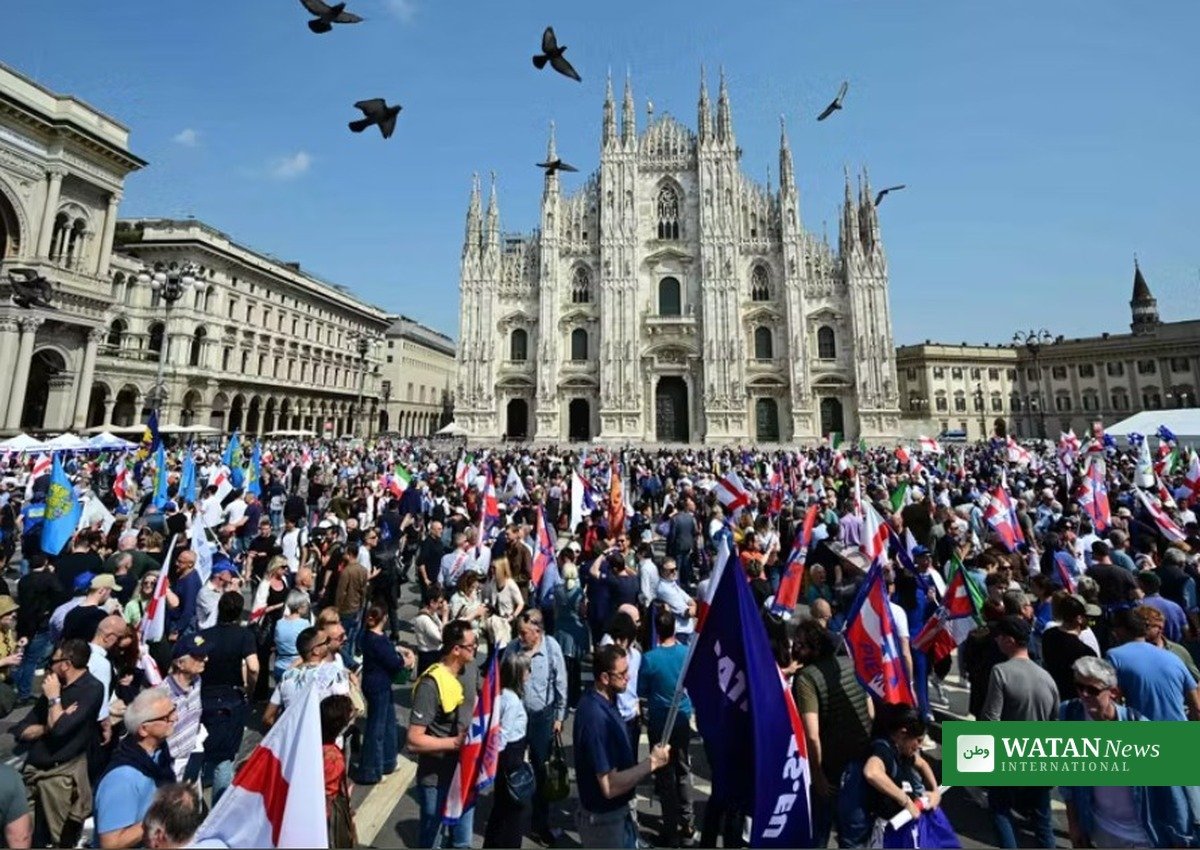
File photo: demonstrators gather in a square in Milan during an earlier protest. This image is not from 30 October.
Genoa port protest links living costs to arms shipments
Around 15,000 port workers, students and other demonstrators entered the port of Genoa, joining similar protests in Europe and elsewhere against the use of ports for arms shipments and highlighting the deaths of seafarers in conflicts from the Gulf to the Black Sea.
The Genoa action linked domestic economic grievances with opposition to the shipment of weapons through civilian ports. In Bologna, students called on the government to review education policy, while demonstrators in several cities demanded more spending on healthcare and education.
A wider European cost-of-living wave
The demonstrations came after clashes earlier in October in which protesters fought with police, looted shops and vandalised property. Reuters reported that a wave of protests has swept across European countries including France, Spain, Belgium and Albania, driven by grievances including the cost of living.
More coverage from Europe can be found on Watan News International’s Europe pages.
Author

usmanch0013@gmail.com
Related Posts

Ayala Land and Crown Pipes Launch PVC Take-Back to Cut Construction Waste
- 0
- 717 words
Philippine developer Ayala Land and Crown Asia Chemicals have signed a two-year deal to recycle construction PVC waste through a take-back program...
Read out all
Lula to Attend COP31 in Antalya as Brazil Hands Presidency to Türkiye
- 0
- 641 words
Brazil's President Luiz Inácio Lula da Silva will attend COP31 in Antalya for the 11–12 November leaders' summit, as Brazil hands the...
Read out all
US Reading Scores Keep Sliding, but Harvard Experts Say the Literacy Crisis Is Fixable
- 0
- 558 words
US reading scores have slid since 2013, with only 31% of fourth graders proficient, but Harvard education experts say the literacy crisis...
Read out all
Canada Invests Up to C$1.6 Billion in Cohere to Build Sovereign AI
- 0
- 559 words
Canada will take an equity stake of up to C$1.6 billion in Toronto AI company Cohere, tied to 1,000 new jobs and...
Read out all
Luanda Set to Overtake Lagos as Sub-Saharan Africa’s Largest City by 2050, World Bank Says
- 0
- 523 words
Luanda is projected to overtake Lagos as sub-Saharan Africa's largest city by 2050, reaching 20.3 million people, a new World Bank report...
Read out all
Genworth Names Jerome Upton as CEO as McInerney Retires at Year-End
- 0
- 513 words
Genworth Financial has named CFO Jerome Upton as president and CEO from 1 January 2027, as Thomas McInerney retires, with Angela Simmons...
Read out all