- 0
- 480 words
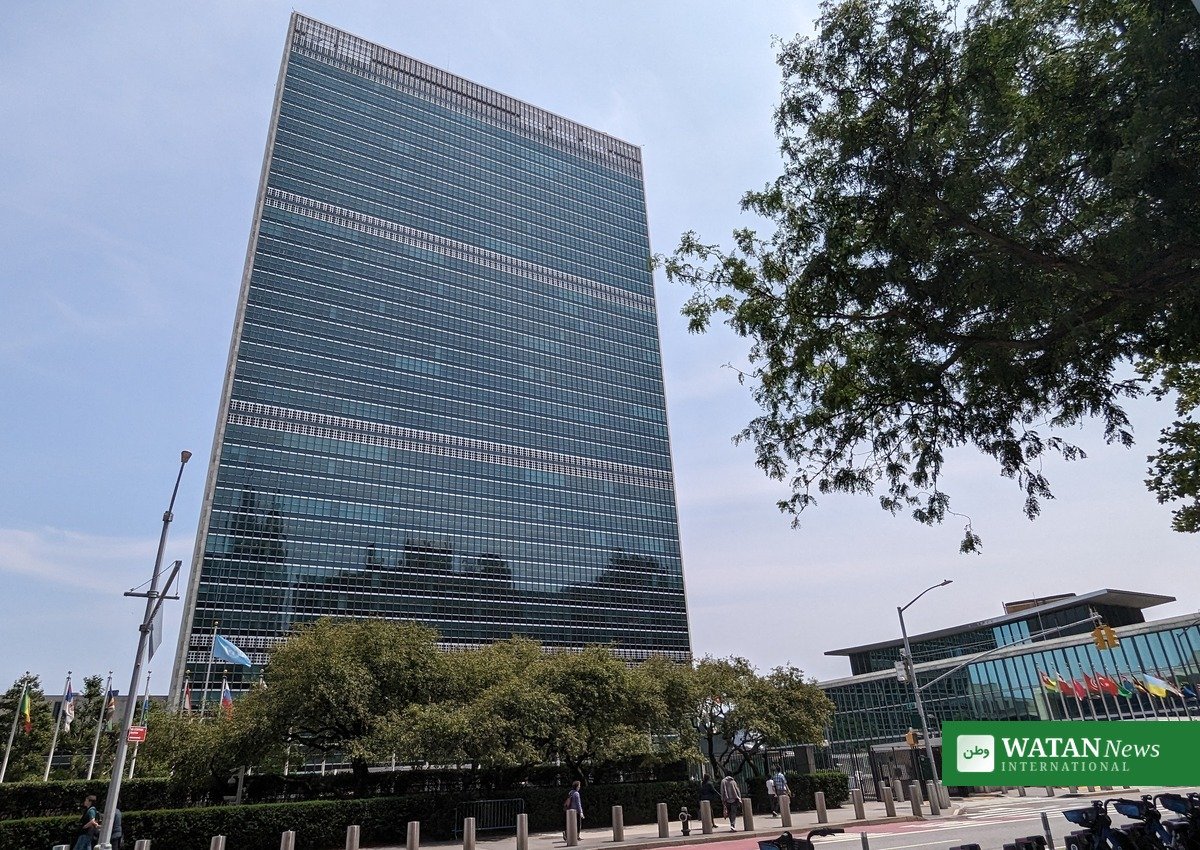
Pakistan has issued a fresh Afghanistan terror warning at the United Nations, urging the world body to confront militant groups it says operate from Afghan soil. The appeal, delivered by Pakistan’s counsellor to the UN, Muhammad Jawad Ajmal, came as a UN human rights expert separately warned that the Taliban’s rule in Afghanistan must not be treated as normal.
FAKTA
- Who raised it: Muhammad Jawad Ajmal, counsellor at Pakistan’s Permanent Mission to the United Nations.
- Pakistan’s claim: More than 4,700 Pakistanis killed in attacks originating from Afghanistan over the past three years.
- Groups named: The Tehreek-i-Taliban Pakistan (TTP) and the Balochistan Liberation Army (BLA).
- UN expert: Richard Bennett, Special Rapporteur on Afghanistan, reporting to the UN General Assembly on 29 October.
- Bennett’s warning: Engagement with the Taliban must not confer legitimacy without measurable, verified human rights improvements.
What the Afghanistan Terror Warning Covers
Ajmal told the UN forum that the Taliban authorities maintain close ties with terrorist organisations and have failed to condemn them openly. He said these groups operate from Afghan territory with outside support, raising serious questions about cooperation and complicity.
Pakistan also pointed to criminal networks involved in the illicit trade of arms, weapons and drones, which it says supply groups such as the TTP and the BLA. Ajmal called for those networks and their financial backers to be held accountable, and warned that terror financing through anonymous transactions, including cryptocurrencies, must be regulated.
Islamabad urged UN member states to treat the cross-border threat as a shared security concern.
Rights Concerns Raised Alongside Security
Ajmal also criticised the Taliban authorities over the human rights situation in Afghanistan, saying restrictions on women and girls continue to deny them basic freedoms and dignity. He described those policies as contrary to Islamic teachings and values, and said the Taliban have ignored their international obligations.
Pakistan also cited the Organisation of Islamic Cooperation’s Islamabad Declaration of July, which expressed concern over restrictions affecting Afghan women and girls.
UN Expert Warns Against Normalisation
The security debate coincided with a stark assessment from Richard Bennett, who presented his latest report to the General Assembly on 29 October. Bennett said that five years after the Taliban seized power, they had shown no willingness to reverse systematic human rights violations, and had instead deepened and formalised their repression.
Women and girls face the most severe restrictions, he said, with recent decrees allowing violence against women, blocking escape from abusive relationships, and permitting child marriage. Bennett described the four arrest warrants issued by the International Criminal Court for Taliban leaders as an important step towards accountability.
He also urged both Afghanistan and Pakistan to fully respect international human rights and humanitarian law in their conflict. The Taliban authorities have previously rejected allegations that they provide safe havens to the TTP or other militant groups. More international news is available on Watan News International.
Author

usmanch0013@gmail.com
Related Posts
UN Western Sahara Mission Left Without a Mandate as MINURSO Term Expires
- 0
- 996 words
The UN mission in Western Sahara has entered Saturday without a renewed mandate after the US and Russia vetoed each other's Security...
Read out all
Jordan Border Guards Stop 14 Armed Men Crossing From Syria
- 0
- 490 words
Jordanian border guards stopped 14 armed men trying to cross into northern Jordan from Syria on Friday, the armed forces said on...
Read out all
Qatar Sustainability Week 2026 Opens With Sustainability Ambassadors Race
- 0
- 988 words
Doha's 11th Qatar Sustainability Week opens on 31 October 2026 with a Sustainability Ambassadors Race, running until 7 November with community events...
Read out all
Canada and EU Launch ‘Alliance for the Future’ as Ties Move Closer Than Ever
- 0
- 696 words
Canada and the EU have launched an 'Alliance for the Future' in Montreal, with more than twenty measures on trade, defence, technology...
Read out all
US Steps Up Alaska Senate Election Probe Days Before Midterms
- 0
- 497 words
Federal prosecutors in Alaska have intensified investigations into allegations over a second candidate named Dan Sullivan on the Senate ballot, days before...
Read out all
Maryam Golnaraghi Named Climate and Sustainability Champion of the Year 2026
- 0
- 854 words
Maryam Golnaraghi, Director of Climate Change and Environment at The Geneva Association, has been named Climate and Sustainability Champion of the Year...
Read out all