- 0
- 728 words
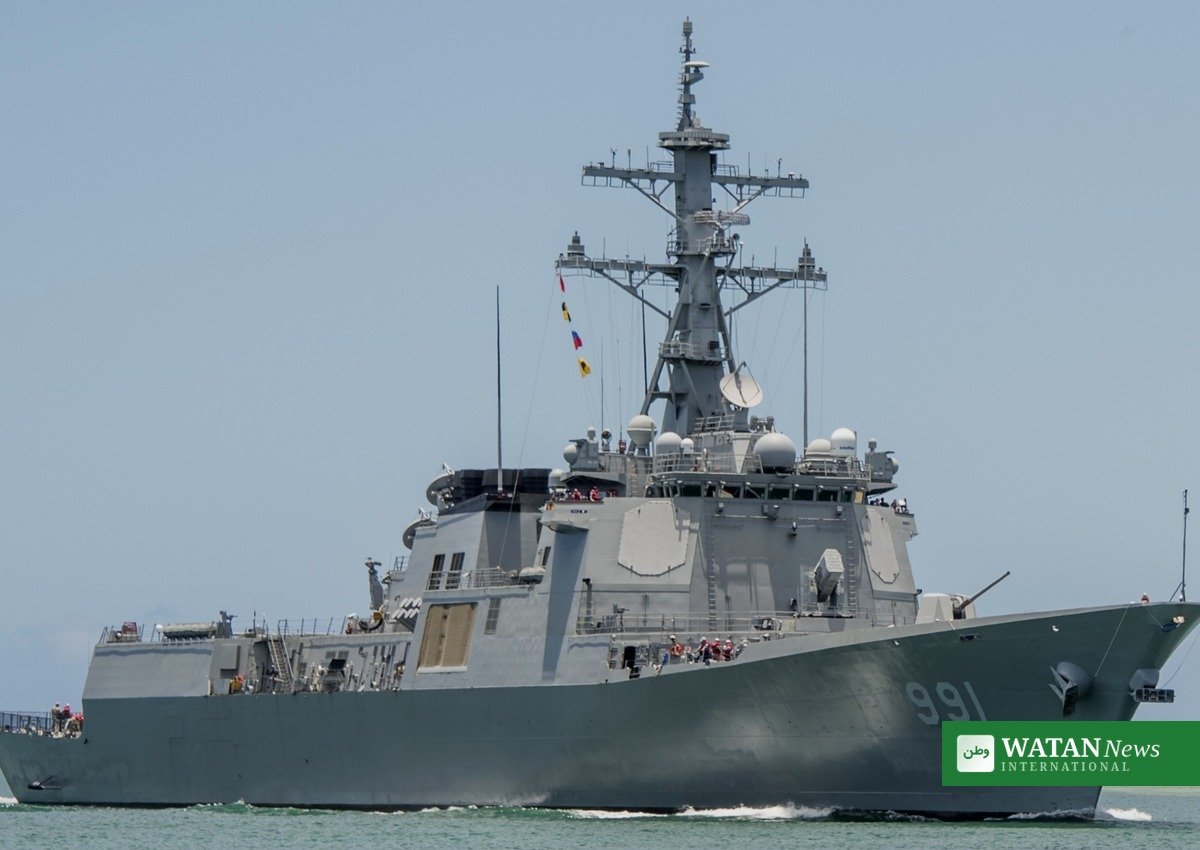
South Korea plans to expand the operations of its anti-piracy Cheonghae unit to waters closer to the Strait of Hormuz, the country’s Defence Ministry said on Thursday, in what would be Seoul’s first contribution to the conflict-stricken region. The South Korea Cheonghae Hormuz expansion would move the naval mission from the Gulf of Aden toward the southern approaches of the world’s most important oil chokepoint, following pressure from United States President Donald Trump for greater support in the war in Iran.
The government will submit a motion to parliament to extend the unit’s deployment to the Middle East, which is set to expire at the end of 2026, a ministry spokesperson said, confirming a report by Yonhap News Agency. The motion still needs approval from President Lee Jae Myung and the cabinet, with cabinet endorsement expected next week before it goes to the National Assembly.
FAKTA
- What is changing: the Cheonghae unit’s area of operations would extend northeast from the Gulf of Aden to waters south of Oman in the Arabian Sea, near the port of Duqm, about 650 kilometres from the Strait of Hormuz.
- New assets: one P-8A maritime patrol aircraft, an explosive ordnance disposal team and unmanned mine-countermeasure systems, including underwater, surface and remotely operated vehicles.
- More personnel: 75 additional service members, bringing the unit’s total to 395.
- What is not included: the Gulf of Oman, which directly adjoins the Strait of Hormuz, is not part of the expanded area, and the patrol aircraft will be barred from targeting or monitoring Iranian territory, territorial waters or the interior of the strait.
- Next steps: cabinet endorsement next week, presidential approval, then a vote in the National Assembly.
What the South Korea Cheonghae Hormuz expansion involves
The revised deployment mandate would roughly double the unit’s operational radius to about 1,930 kilometres. The Cheonghae unit has been stationed in the Gulf of Aden since 2009 to ensure the safe navigation of commercial vessels, and its current deployment is renewed annually through parliamentary approval.
At present the unit consists of a 4,400-ton destroyer, a naval helicopter, up to three high-speed boats and around 300 to 320 service members. Its 49th contingent, aboard the destroyer Chungmugong Yi Sun-sin, left for the Gulf of Aden on 2 October. Under the plan, the new patrol aircraft and mine-countermeasure assets would be based in Djibouti, at the strategic chokepoint linking the Red Sea with the Gulf of Aden, with consultations with Djibouti to begin once the parliamentary process is under way.
Why Seoul is moving now
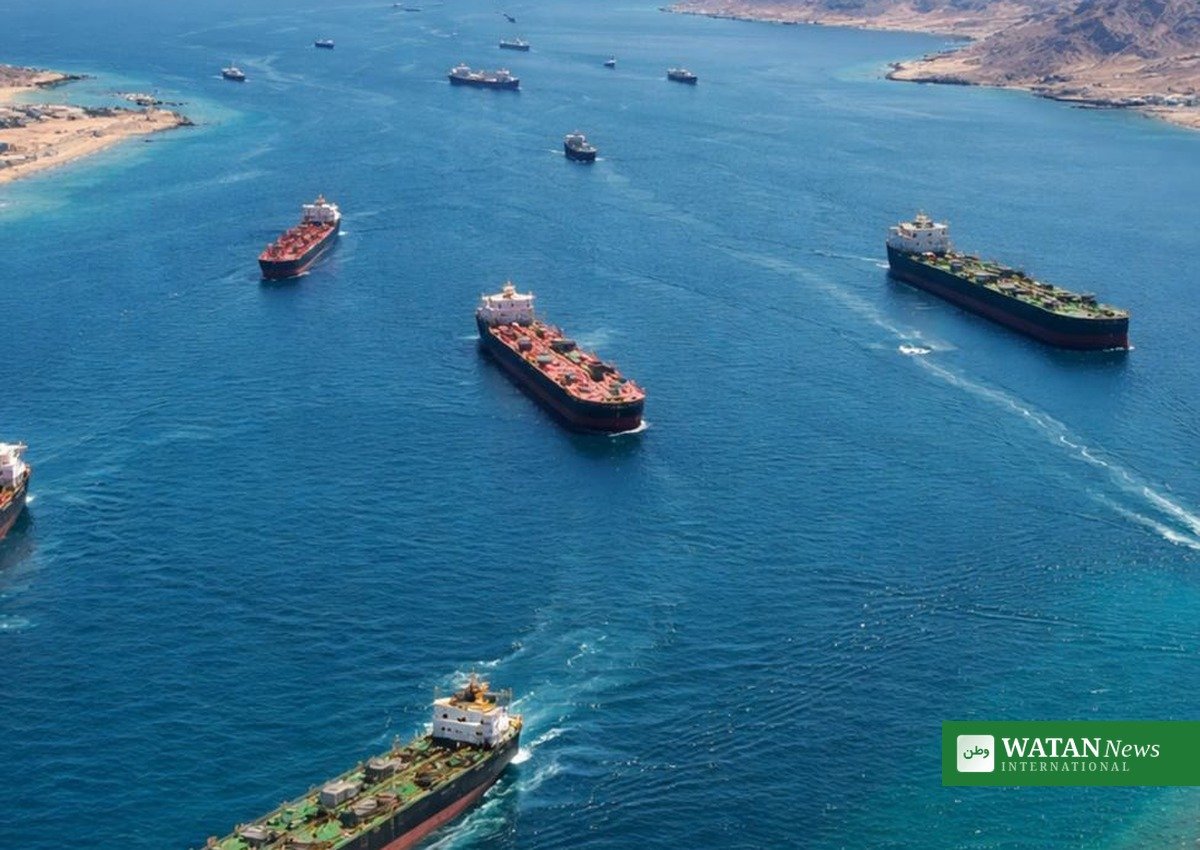
Reuters reported that the move follows pressure from President Trump, who has criticised Seoul for what he called insufficient support for the war in Iran and scaled back major joint military drills between the two countries’ armed forces this summer. South Korea relies heavily on oil imports and sourced 70 percent of its supplies from the Middle East in 2025, most of it delivered through the Strait of Hormuz, according to the Industry Ministry.
Seoul has stressed the limits of the mission. President Lee said on 18 September that he would not deploy military assets to the Middle East in a way that could draw the country into conflict, while saying Seoul was reviewing a greater role in safeguarding navigation in the region. National Security Adviser Wi Sung-lac has said Seoul will strictly adhere to the principle of never participating in or intervening in any war, and officials say operations will remain restricted to the open waters south of Oman.
Preparing for mine-clearing after hostilities
The deployment of the explosive ordnance disposal team and unmanned mine-countermeasure systems is intended to prepare for a possible international mine-clearing operation in the Strait of Hormuz that could begin once hostilities between the United States and Iran end, according to South Korean reports. Deploying those non-combat assets for operations inside the strait itself would require separate parliamentary approval, a step defence officials say the government is prepared to take.
The expansion comes amid heightened danger for shipping in the region. South Korean officials have pointed to the need to protect South Korean vessels and crews, and the unit’s destroyer will continue its rotational mission escorting commercial ships and ensuring maritime safety in the region. For more regional coverage, see Watan News Asia coverage.
Author

usmanch0013@gmail.com
Related Posts

South Sudan Children Demand Climate Justice Ahead of COP31
- 0
- 1,052 word
Children in Juba adopted the declaration “Our Future, Our Rights, Our Climate” at a pre-COP31 simulation event, demanding climate-resilient schools, accessible climate...
Read out all
TUI Forest Mallorca Wins Global Award for Climate Adaptation in Tourism
- 0
- 838 words
TUI Forest Mallorca has won the 2026 Global Responsible Tourism Award for adapting to climate change, recognising its restoration work in the...
Read out all
Saudi Arabia and Syria Sign Defence Cooperation Agreement in Riyadh
- 0
- 582 words
Saudi Arabia and Syria have signed a defence cooperation agreement between their defence ministries during Syrian President Ahmed al-Sharaa's visit to Riyadh,...
Read out all
Congo to Launch UN Tree Decade Early with 200,000 Trees at Ignie
- 0
- 1,223 word
The Republic of the Congo will launch the UN Decade on Afforestation and Reforestation early on 6 November 2026 with a mass...
Read out all
UK Introduces Energy Independence Bill to End New North Sea Oil and Gas Licences
- 0
- 801 words
The UK has introduced the Energy Independence Bill, ending new North Sea oil and gas exploration licences while promising cheaper bills, stronger...
Read out all
UNDP Backs 20 Sierra Leone Innovators Turning Plastic Waste Into Businesses
- 0
- 686 words
UNDP has launched a three-day training programme in Freetown for 20 Sierra Leonean innovators developing plastic-pollution solutions, aiming to turn local ideas...
Read out all