- 0
- 801 words
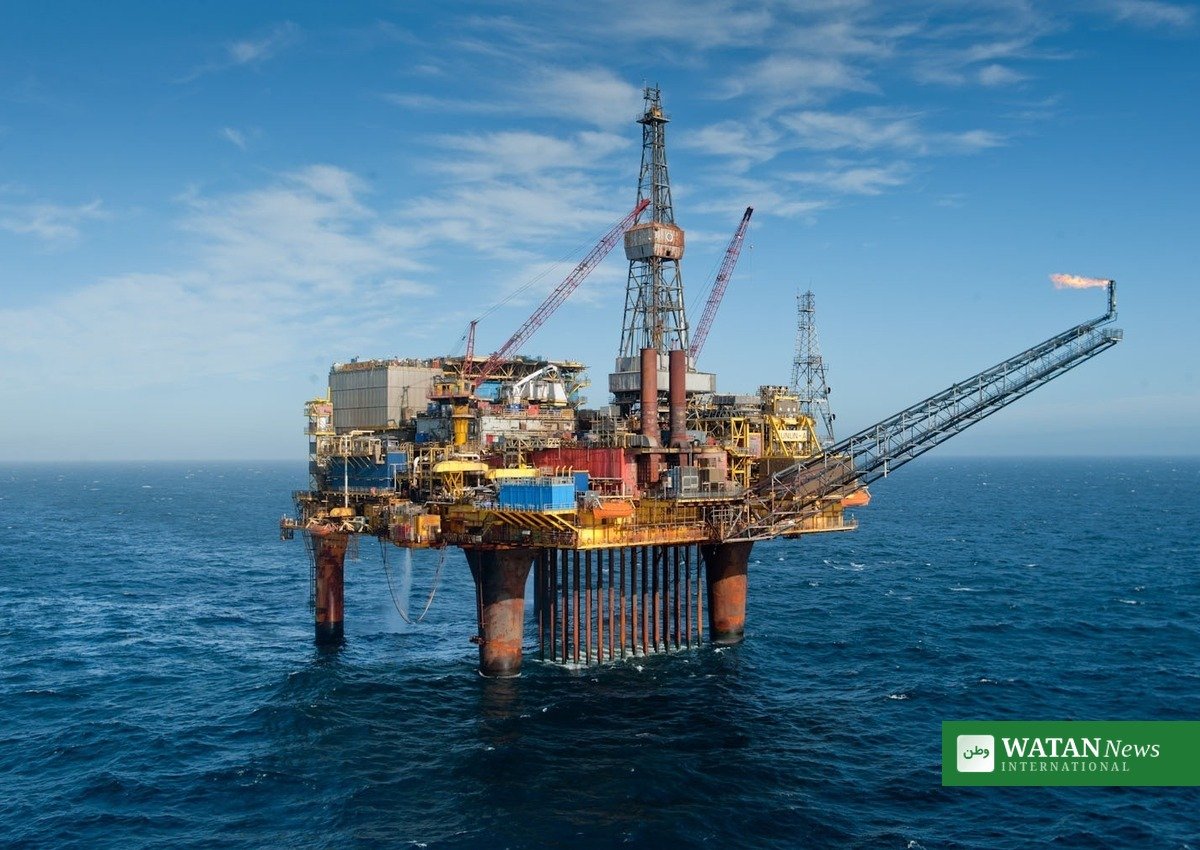
The United Kingdom has introduced the UK Energy Independence Bill to Parliament, landmark legislation that would end new licences to explore for oil and gas in the North Sea while promising cheaper household bills and greater public control over the energy system.
The Bill, introduced on Wednesday, 4 November, delivers on the government’s manifesto commitment to issue no new oil and gas licences for new fields, while supporting continued production from areas that are already licensed.
FAKTA: UK Energy Independence Bill at a glance
- What it is: the Energy Independence Bill, introduced to Parliament on 4 November 2026.
- North Sea: no new licences to explore new oil and gas fields; production continues in existing licensed areas.
- Transitional Energy Certificates: new certificates allowing further production in already explored areas through existing infrastructure — potentially around 60 million barrels of oil and hundreds of jobs.
- Household bills: plans to scrap gas standing charges, with around 60% of gas account holders expected to save an average of £45 a year.
- Next step: the Bill must pass through Parliament, including first reading, amendments and royal assent, before becoming law.
What the UK Energy Independence Bill Means for the North Sea
Under the Bill, the North Sea Transition Authority would lose the power to grant new licences for exploring new oil and gas fields. The government describes its approach as pragmatic: ending new exploration while backing production from fields that already hold licences.
New Transitional Energy Certificates would allow companies to produce more from areas that form part of, or sit next to, an existing field and are linked by existing infrastructure. The government says this could unlock around 60 million barrels of oil and support hundreds of jobs.
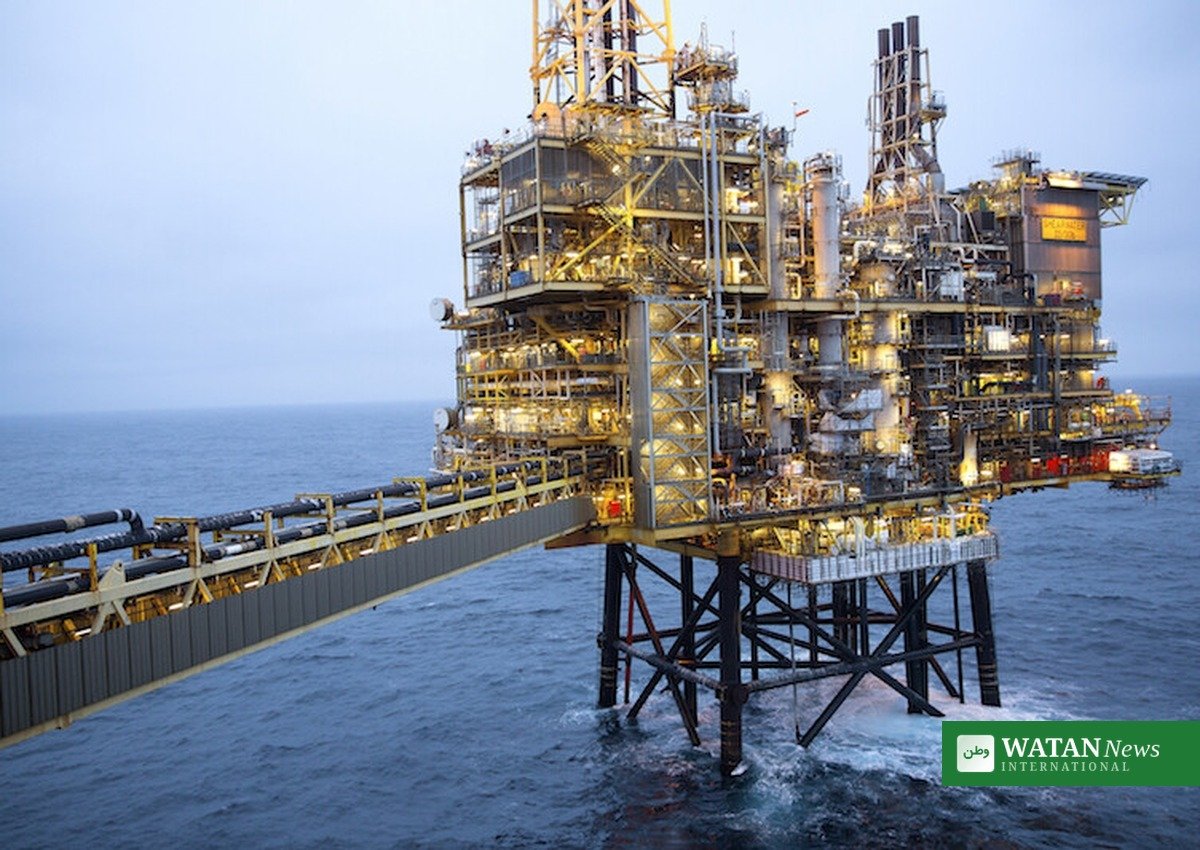
Oil and gas will remain part of Britain’s energy mix for decades to come, the government said, backed by a £2 billion Energy Wealth Fund and a North Sea Jobs Service to support workers and investment in future industries. The Bill would also end new licences for onshore oil and gas fields in England, including licences that could be used for shale-gas fracking.
Cheaper Bills and Stronger Consumer Protections
The Bill builds on last week’s Budget. The government will bring forward amendments to scrap standing charges on household gas bills, ending the daily charge paid even when no gas is used. Around 23 million households would gain greater control over their energy costs.
It would also put on a lasting legal footing the decision to shift 75% of domestic Renewables Obligation costs from energy bills to public spending, protecting savings already delivered to households. The shift has already removed around £90 a year from average household bills, according to the government.
The energy regulator Ofgem would receive tougher powers to crack down on rogue energy companies and bosses, including over unfair bonuses, while energy brokers and price comparison services would come under regulation to tackle mis-selling and hidden commissions — a change expected to save businesses around £100 million a year.
Homes, Communities and the Grid
The Bill would establish the Warm Homes Agency in law to help families access support for insulation and clean heating, and give local authorities stronger powers against landlords who fail energy efficiency standards, with fines of up to £30,000. Upgraded rented homes are expected to save households around £210 a year by 2030.
Developers would be required to offer communities up to a 20% stake in new renewable energy projects, alongside mandatory community benefits, so local people share in the rewards. A publicly owned Great British Grid company would be established in law through an upcoming amendment, alongside reforms to speed up electricity connections.
Employment protections would also be extended to offshore renewable and low-carbon workers beyond UK territorial waters, closing gaps in minimum wage, unfair dismissal and working-time rights.
Reaction to the Bill
Prime Minister Andy Burnham said the changes would “bring bills down for good, give families greater security and put Britain back in control of its energy future.” Energy Secretary Miatta Fahnbulleh described the Bill as a “first downpayment on fixing a broken system, protecting consumers from unfair costs and putting the public back in control.”
North Sea Transition Authority chief Stuart Payne welcomed the legislation, saying the regulator “stands ready to get to work” on the changes. Oceana UK executive director Hugo Tagholm called the Bill “a victory for our ocean.” The Conservatives, by contrast, have criticised the legislation as dangerous, arguing it risks Britain’s economic and energy position.
Reports of the Bill’s introduction also noted that it does not itself decide the future of the contested Rosebank field off Shetland. The Bill will now go through first reading before amendments and, if passed, royal assent.
For more coverage from the region, see Watan News International’s Europe news section.
Author

usmanch0013@gmail.com
Related Posts

UNDP Backs 20 Sierra Leone Innovators Turning Plastic Waste Into Businesses
- 0
- 686 words
UNDP has launched a three-day training programme in Freetown for 20 Sierra Leonean innovators developing plastic-pollution solutions, aiming to turn local ideas...
Read out all
Türkiye to Unveil $6 Billion Industrial Decarbonization Platform at COP31
- 0
- 823 words
Türkiye will unveil its Industrial Decarbonization Investment Platform at COP31 in Antalya, aiming to mobilise more than $6 billion by 2030 and...
Read out all
Morocco Says It Will Uphold Western Sahara Ceasefire After UN Mission Ends
- 0
- 766 words
Morocco says its voluntary commitment to the Western Sahara ceasefire will not change after the UN peacekeeping mission ends, the Royal Palace...
Read out all
The World’s Most Luxurious Resorts and Premium Escapes: Islands, Mediterranean, Cities and Alps
- 0
- 1,156 word
From Maldives overwater villas and Santorini caldera suites to Dubai skylines, Swiss Alps resorts and Kyoto heritage stays: a guide to the...
Read out all
South Africans Vote in Local Elections in Tough Test for the ANC
- 0
- 543 words
South Africans voted on 4 November 2026 in municipal elections seen as a tough test for the ANC, with failing services, crime...
Read out all
Pakistan Cuts Petrol and Diesel Prices Again From 4 November
- 0
- 558 words
Pakistan has cut petrol by Rs5.45 to Rs369.06 per litre and diesel by Rs3.68 to Rs391.52 per litre from 4 November 2026,...
Read out all