- 0
- 686 words
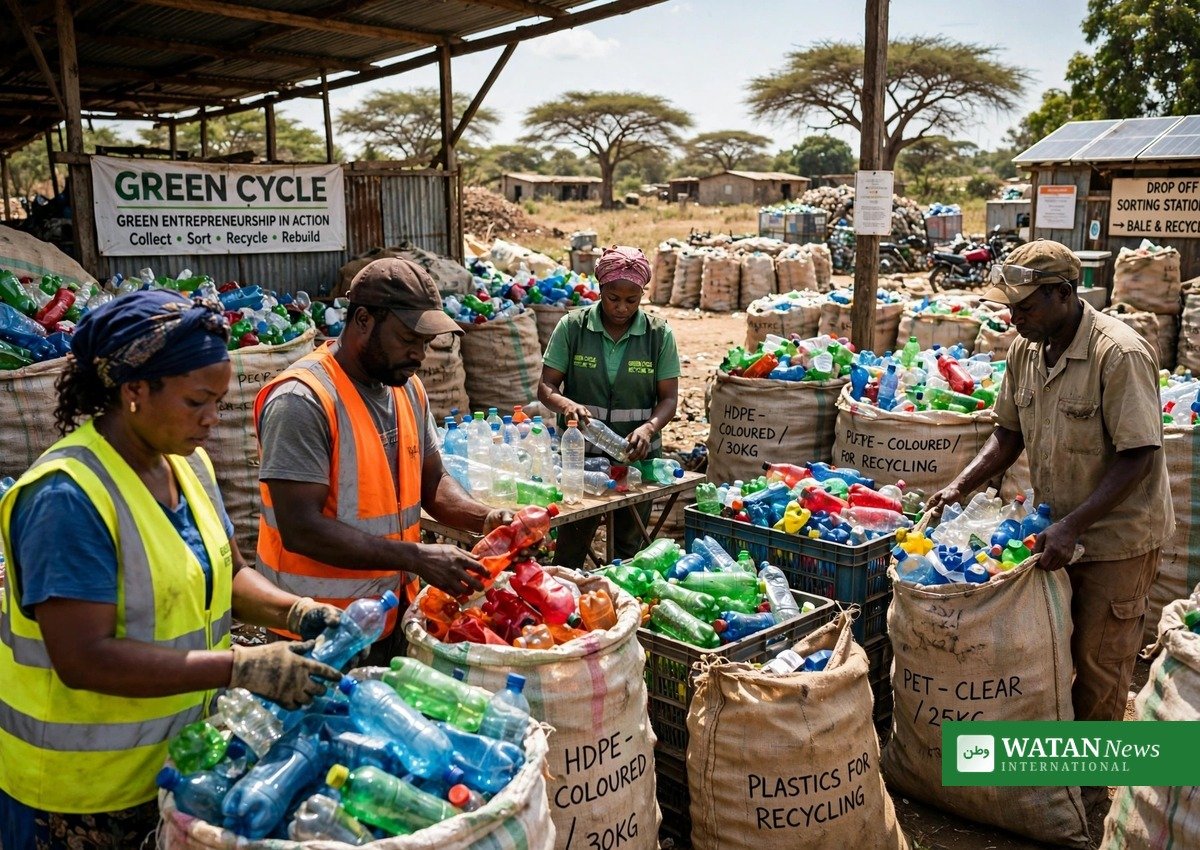
Freetown, 5 November 2026: The United Nations Development Programme (UNDP) has launched a three-day training programme for 20 Sierra Leonean innovators developing solutions to plastic pollution, aiming to turn locally developed ideas into commercially viable businesses that create jobs and cut plastic waste. The training, launched in Freetown in the week of 27 October 2026, is part of UNDP’s Global Plastics Innovation Programme (GPIP).
The 20 participants were selected under the programme, which is funded by the United Nations Peace and Development Trust Fund. Their ventures work across plastic collection, recycling, reuse, alternative materials and circular business models. The training combines business development, financial management, investment readiness, market expansion, strategic partnerships and measuring the environmental and social impact of their work, with continued technical assistance to follow.
Why local businesses matter for plastic waste
Plastic pollution is a problem that is solved street by street: collection, sorting and recycling only work when local enterprises can collect material reliably, sell it at a viable price and keep operating. UNDP Deputy Resident Representative in Sierra Leone Kevin Petrini has underscored the importance of supporting homegrown innovations that address environmental challenges while generating economic opportunities.
Binta Barrie, UniPod Lead for the Zero-Waste Lab at Fourah Bay College, welcomed the initiative, which links university-based innovation support with the entrepreneurs building the businesses. The distinction matters: training 20 entrepreneurs is an initial milestone, not evidence that 20 businesses have already achieved commercial success. The programme’s test will be how many of the ventures survive, grow and keep plastic in use after the training ends.
A programme across six countries
The Global Plastics Innovation Programme runs from 2024 to 2027 across six countries: Sierra Leone, Nigeria, South Africa, Tunisia, China and Viet Nam. It forms part of UNDP’s broader efforts across Africa to support locally led innovation that reduces plastic pollution, advances circular economy solutions, creates green jobs and promotes more sustainable patterns of production and consumption.
What zero waste means in practice
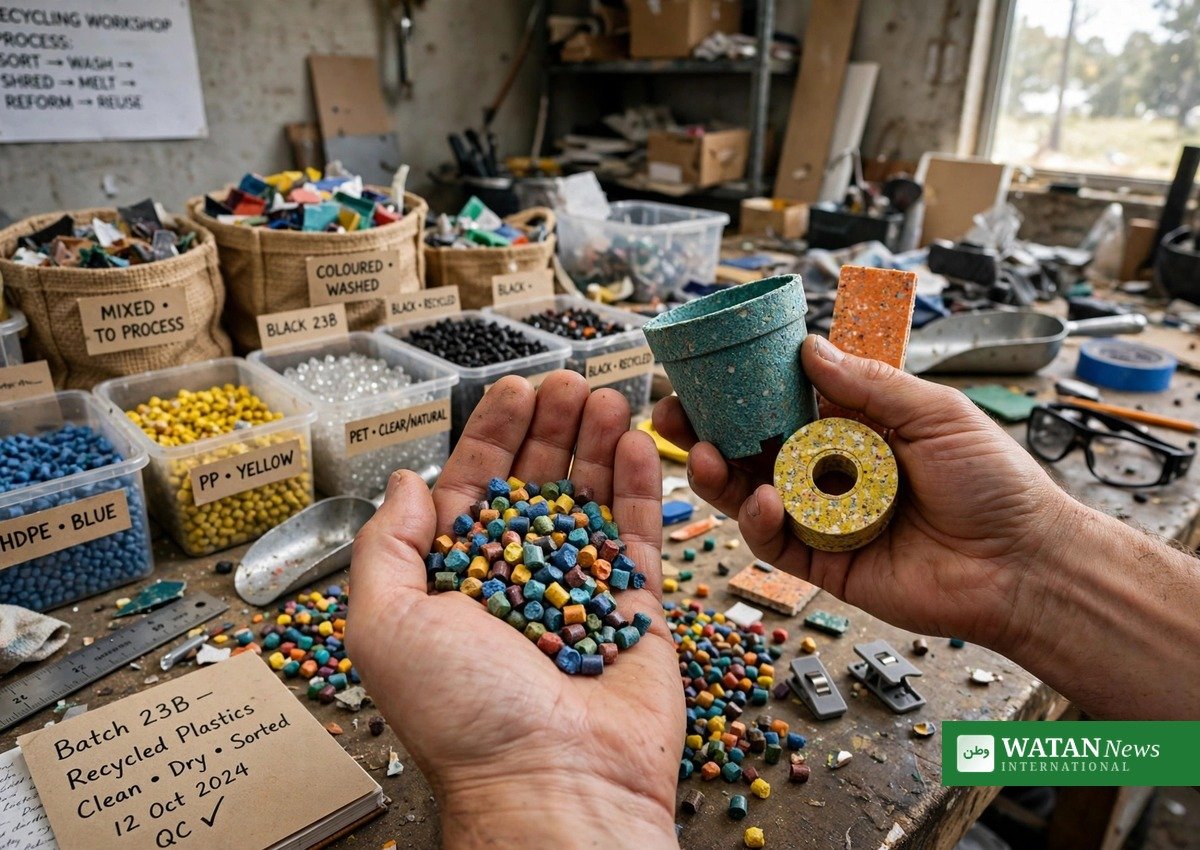
A zero-waste approach asks first whether a product or its packaging can be avoided, then whether it can be designed to last longer, reused or refilled, and repaired before it is recycled. Clean-ups and recovery deal with material that has already entered the environment; the upstream approach in Sierra Leone aims to stop plastic becoming waste in the first place and to keep its value in the local economy.
FAKTA
- Programme: UNDP Global Plastics Innovation Programme (GPIP), funded by the United Nations Peace and Development Trust Fund.
- Training: Three-day programme in Freetown, launched in the week of 27 October 2026, for 20 selected Sierra Leonean innovators.
- Focus: Plastic collection, recycling, reuse, alternative materials and circular business models.
- Support: Business development, financial management, investment readiness, market expansion, partnerships and impact measurement, plus continued technical assistance.
- Scope: GPIP runs 2024–2027 in Sierra Leone, Nigeria, South Africa, Tunisia, China and Viet Nam.
Conclusion
Sierra Leone’s plastic challenge will not be solved by one training course, but the GPIP approach bets on the people closest to the problem: local innovators who already collect, sort and reprocess plastic. If their businesses become viable, the environmental gain and the jobs come together. The next milestone to watch is not the training itself, but the ventures it produces.
Frequently Asked Questions
What is the Global Plastics Innovation Programme?
It is a UNDP programme, funded by the United Nations Peace and Development Trust Fund, that supports locally developed solutions to plastic pollution and turns them into commercially viable businesses. It runs from 2024 to 2027.
Who are the 20 Sierra Leonean innovators?
They are entrepreneurs selected under the programme whose ventures work on plastic collection, recycling, reuse, alternative materials and circular business models in Sierra Leone.
What does the three-day training cover?
Business development, financial management, investment readiness, market expansion, strategic partnerships and measuring environmental and social impact, with continued technical assistance afterwards.
Which countries does GPIP cover?
Six countries: Sierra Leone, Nigeria, South Africa, Tunisia, China and Viet Nam.
Does the training mean 20 successful businesses already exist?
No. Training 20 entrepreneurs is an initial milestone. Commercial success will depend on whether the ventures grow, find markets and keep operating after the programme’s support.
Author

usmanch0013@gmail.com
Related Posts
UK Introduces Energy Independence Bill to End New North Sea Oil and Gas Licences
- 0
- 801 words
The UK has introduced the Energy Independence Bill, ending new North Sea oil and gas exploration licences while promising cheaper bills, stronger...
Read out all
UNDP støtter 20 innovatører i Sierra Leone, der gør plastaffald til forretning
- 0
- 710 words
UNDP har lanceret et tre dage langt træningsprogram i Freetown for 20 innovatører fra Sierra Leone, der udvikler løsninger på plastforurening, for...
Read out all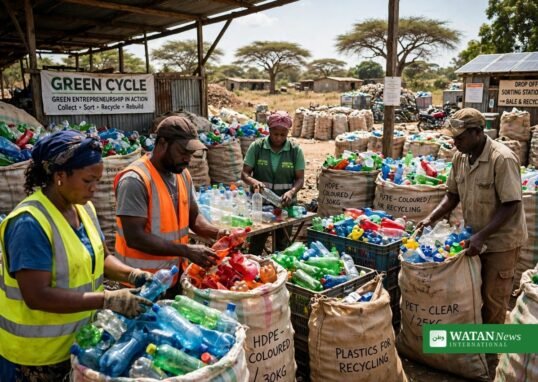
سیرا لیون: یو این ڈی پی 20 اختراع کاروں کو پلاسٹک فضلے سے کاروبار بنانے کی تربیت دے رہا ہے
یو این ڈی پی نے فری ٹاؤن میں سیرا لیون کے 20 اختراع کاروں کے لیے تین روزہ تربیتی پروگرام شروع کیا...
Read out all
کاپ31 میں ترکی 6 ارب ڈالر کے صنعتی ڈی کاربنائزیشن پلیٹ فارم کی نقاب کشائی کرے گا
ترکی کاپ31 میں اپنے صنعتی ڈی کاربنائزیشن سرمایہ کاری پلیٹ فارم کی نقاب کشائی کرے گا جس کا ہدف 2030 تک 6...
Read out all
Tyrkiet vil præsentere 6 milliarder dollar stor platform for grøn industri ved COP31
- 0
- 848 words
Tyrkiet vil præsentere sin platform for industrielle dekarboniseringsinvesteringer ved COP31 i Antalya med målet om at mobilisere over 6 milliarder dollar frem...
Read out all
Türkiye to Unveil $6 Billion Industrial Decarbonization Platform at COP31
- 0
- 823 words
Türkiye will unveil its Industrial Decarbonization Investment Platform at COP31 in Antalya, aiming to mobilise more than $6 billion by 2030 and...
Read out all