- 0
- 866 words
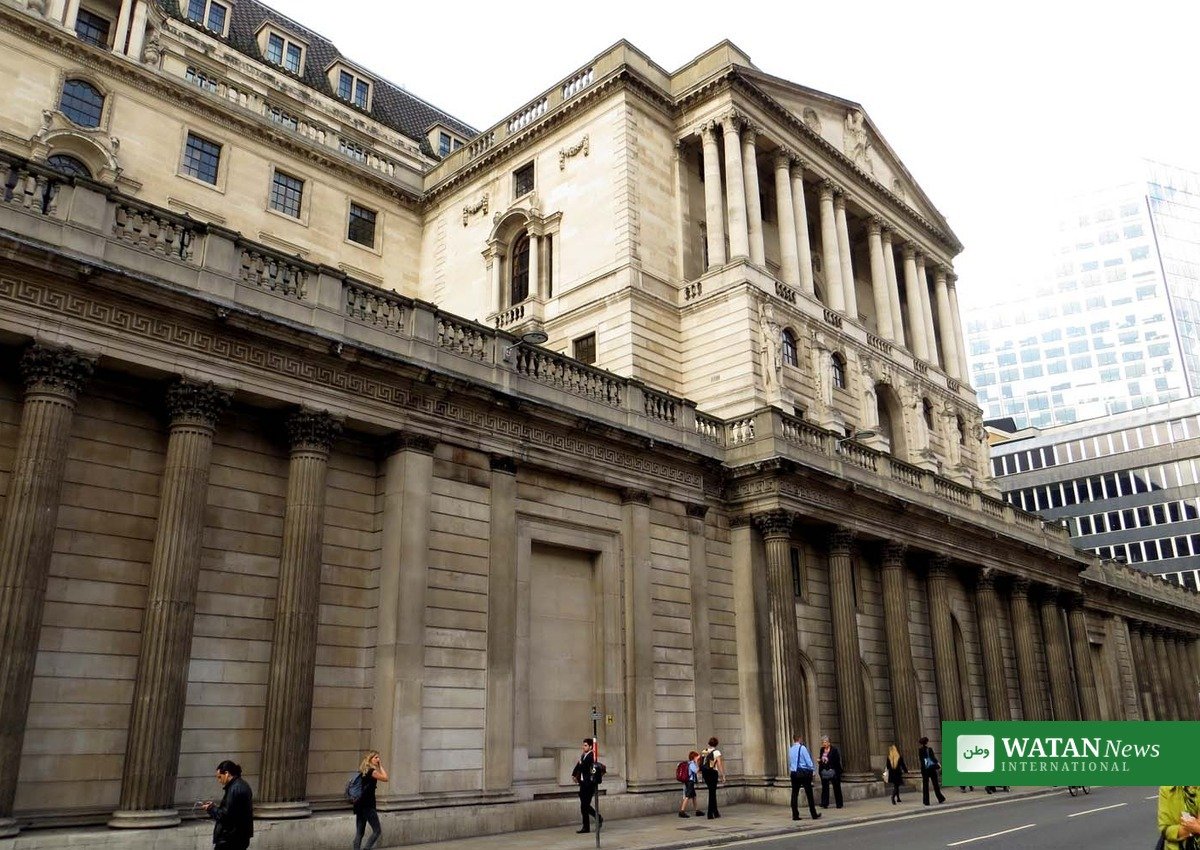
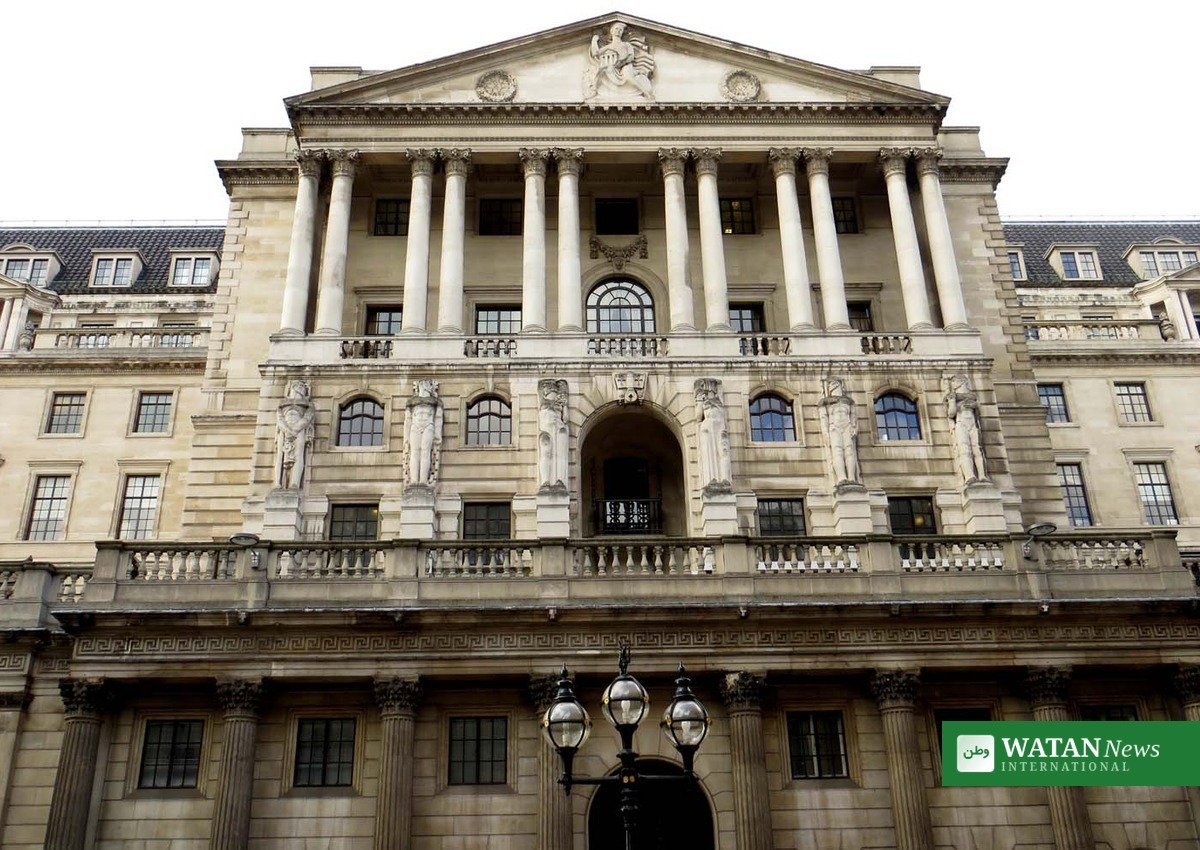
The Bank of England raised interest rates on Thursday in its first increase in more than three years, lifting Bank Rate to 4% as policymakers warned that further rises are likely if the conflict in the Middle East continues to push up energy prices.
The Bank of England interest rate rise, announced at midday on Thursday 5 November, takes borrowing costs from 3.75% to 4%. The Bank’s Monetary Policy Committee voted 8-1 in favour of the quarter-point increase, the first rise since August 2023 and the first change in rates since a cut last December.
FAKTA
- Decision: Bank Rate raised by 0.25 percentage points, from 3.75% to 4%, announced at 12:00 GMT on Thursday 5 November 2026.
- Vote: The Monetary Policy Committee voted 8-1 for the increase. Catherine Mann dissented, voting for a larger half-point rise to 4.25%.
- First rise since: August 2023 – the first increase in more than three years, after the rate was held at each of the last six meetings. Bank Rate peaked at 5.25% in 2023-24.
- Inflation: UK consumer price inflation stood at 3.5% in the year to September 2026, up from 3.1% in August and well above the Bank’s 2% target. The Bank expects inflation to reach around 5% by the middle of next year.
- Outlook: Governor Andrew Bailey said the rise should not be seen as the first in an inevitable long sequence of hikes, but warned it was unlikely to be the last unless the conflict in the Middle East is resolved.
- Next decision: The Monetary Policy Committee announces its next interest rate decision on 17 December.
Bank of England Interest Rate Rise Driven by Energy Prices
The Bank said the increase was needed because of the inflationary pressure building from months of high energy prices. While there was little evidence so far of faster inflation outside the sectors directly affected by higher energy costs, the Bank said the amount of inflation pressure coming down the road required a rate rise now.
In its central forecast, the Bank now sees inflation peaking at an average of 4.8% in the second quarter of next year. In a more adverse scenario, in which oil prices peak at around $130 a barrel compared with around $100 currently, inflation would hit 6.2% in the third quarter of 2027. Under the central scenario, inflation is not expected to return to the Bank’s 2% target until the third quarter of 2028, six months later than the Bank predicted in July.
Governor Andrew Bailey said: “Today’s increase shouldn’t be seen as the first in an inevitable long sequence of hikes. But unless the conflict in the Middle East is resolved, neither does it seem likely to be the last increase.” He added: “Without news which softens the risks to inflationary pressures, I can see the argument for a further increase in rates.”
Policymakers Split on How Much Further Rates Must Rise
The committee was divided on the path ahead. Deputy Governor Clare Lombardelli said a further rate hike was likely to be needed in the near term. Chief Economist Huw Pill and external member Megan Greene also spoke of a need for further tightening and additional hikes.
Catherine Mann, the only member to vote against the quarter-point rise, wanted a half-point increase to 4.25%. She said last month that the Bank had been slow to reassure markets that it had a grip on inflation, and in the minutes of November’s decision she said she was concerned about “non-linear inflation risks” as consumer price inflation had risen to 3.5% in September.
Two members who had previously been reluctant to raise rates, Swati Dhingra and Alan Taylor, said they would need stronger evidence of second-round effects – price and wage rises spreading beyond energy – before backing more tightening.
Financial markets have priced in three quarter-point rate rises for 2027, more than most economists think is likely. Bailey said the difference reflected markets pricing in tail risks of a sharp further rise in energy prices, while economists’ expectations were based on the single most likely path of a smaller amount of further tightening.
Growth Revised Up, but Household Incomes Set to Fall
The Bank revised up its expectations for growth this year and next to 1.6% and 1.3% respectively – notably stronger than the government’s Office for Budget Responsibility predicted last week. The upgrade follows strong official data this year, and the Bank attributed some of the strength to spending on artificial intelligence and to a small, temporary boost from finance minister John Healey’s annual budget last week.
But after inflation and taxes, British households’ income from work was set to fall both this year and next, the Bank said. Healey’s budget would lower inflation by 0.25 percentage points at its peak but raise it later on, when temporary cost-of-living assistance expired.
The rise will immediately affect homeowners with tracker mortgages linked to Bank Rate, while savers may see better returns on savings accounts. The Bank of England is the latest major central bank to move: the US Federal Reserve raised its rate last month for the first time in three years.
For more on the UK economy and markets, see the Business news section.
Author

usmanch0013@gmail.com
Related Posts

China Steps Up Middle East Diplomacy with Envoy Mission to Gulf States
- 0
- 498 words
China has sent three special envoys on shuttle diplomacy to seven countries across the Gulf, the Red Sea and the Horn of...
Read out all
Cristiano Ronaldo Retires From Portugal Duty After 23 Years and 146 Goals
- 0
- 677 words
Cristiano Ronaldo has retired from international football after 23 years with Portugal, ending a record career of 234 appearances and 146 goals.
Read out all
France Hit by Nationwide Protests and Strikes as Pressure Mounts on Macron
- 0
- 481 words
France faced a nationwide day of strikes and demonstrations on 5 November, with rallies in around 260 towns and cities and 70,000...
Read out all
COP30 Roadmaps Chart the Path Away From Fossil Fuels and Forest Loss
- 0
- 1,321 word
The COP30 Presidency has launched two roadmaps — one for transitioning away from fossil fuels and one for halting deforestation by 2030...
Read out all
Democrats’ 2028 Field Takes Shape as Potential Candidates Emerge After Midterms
- 0
- 487 words
With the 2026 midterms over, a wide field of Democrats is positioning for the 2028 presidential race, with governors, senators and former...
Read out all
Oil Prices Edge Higher as Iran War Fears Keep Energy Markets on Alert
- 0
- 470 words
Oil prices edged higher on Thursday as traders weighed the uncertain course of the war between the United States, Israel and Iran,...
Read out all