- 0
- 470 words
Oil prices edged higher on Thursday as traders weighed the uncertain course of the war between the United States, Israel and Iran, a day after crude suffered one of its steepest sell-offs in months. The modest recovery came as investors tried to judge whether the conflict was heading towards a negotiated end or a fresh escalation.
FAKTA
- Brent crude: up 34 cents to $94.96 a barrel by 0825 GMT on Thursday.
- US West Texas Intermediate: down 27 cents to $87.85 a barrel.
- Both benchmarks fell more than 8 percent on Wednesday, their lowest settlement since 31 August.
- Eurasia Group: renewed US strikes 60 percent, a deal 10 percent, prolonged standoff 30 percent.
- Fresh escalation could push Brent to $110–$125 a barrel, the consultancy warns.
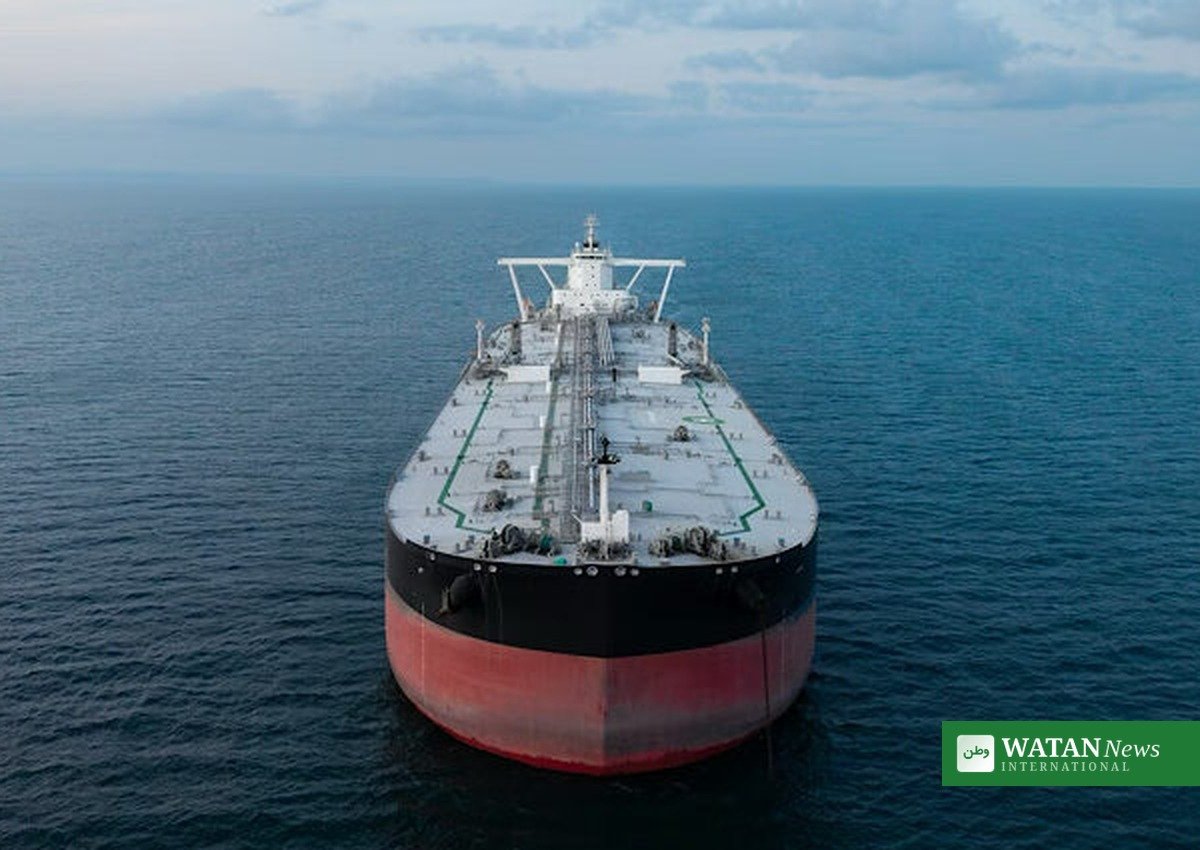
- Two tankers and a tugboat caught fire in the Strait of Hormuz after taking unauthorised routes, Iran’s Revolutionary Guard said.
Markets Steady After Sharp Sell-Off
Wednesday’s plunge followed heavy losses for President Donald Trump’s Republican Party in the midterm elections, which raised hopes of a diplomatic way out of the war. Mr Trump has said the United States has no immediate plans to strike Iran, and he acknowledged that the war and the higher fuel prices it brought for American households had weighed on voters. Analysts cautioned, however, that the situation remained far from settled. June Goh of Sparta Commodities said traders were watching closely for Mr Trump’s response to the election result, while uncertainty around the talks and shrinking global strategic oil reserves kept the market on edge.
Diplomacy or Escalation?
Eurasia Group lowered its estimate of renewed US strikes on Iran from 65 percent to 60 percent, but it also cut the chances of a negotiated agreement from 20 percent to 10 percent, as Iran held firm on its demands. The chance of a prolonged standoff rose from 15 percent to 30 percent. Citi warned that with the elections over, the White House could lean more heavily on its executive powers in foreign policy, raising the risk of further military action. A fresh escalation would probably send Brent crude sharply higher, into a range of $110 to $125 a barrel.
Hormuz and the Supply Picture
Shipping through the Strait of Hormuz, the key Gulf oil shipping route, remained a central worry. Iran’s Revolutionary Guard said the two tankers and tugboat had caught fire in separate incidents after the vessels tried to use unauthorised routes. Shipments have largely recovered, but transport costs remain high. JPMorgan estimated that rising exports and weaker demand had returned the global oil market to a surplus of 1.1 million barrels a day in September, widening to 1.4 million in October. Even so, commercial oil stocks remain near 15-year lows, according to Mukesh Sahdev of energy consultancy XAnalysts. In the United States, oil inventories fell last week while demand reached its highest level in a year. More international news is available on the Watan News English homepage.
Author

usmanch0013@gmail.com
Related Posts
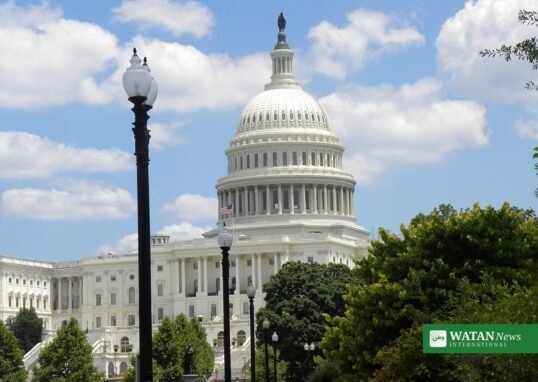
Democrats’ 2028 Field Takes Shape as Potential Candidates Emerge After Midterms
- 0
- 487 words
With the 2026 midterms over, a wide field of Democrats is positioning for the 2028 presidential race, with governors, senators and former...
Read out all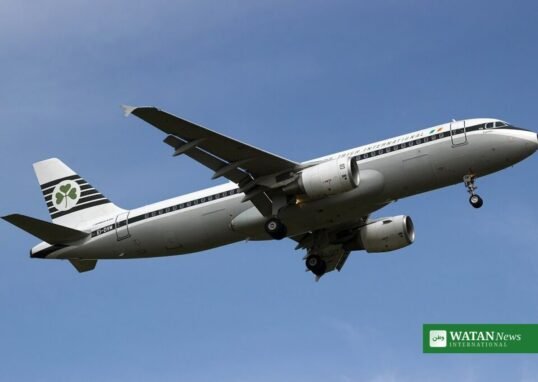
Fresh Bomb Threats Disrupt Flights Across Europe as Aer Lingus Jet Diverted to French Military Base
- 0
- 788 words
Fresh bomb threats disrupted flights across Europe on Thursday, diverting an Aer Lingus Dublin–Rome flight to a French military base as fighter...
Read out all
Green Ambassadors of 2026–27: The Young Volunteers Turning Climate Promises Into Local Action
- 0
- 1,140 word
Thirty young ambassadors in Pennsylvania, 800 in Uzbekistan and more than 1,000 in the EU Climate Pact: a new generation of green...
Read out all
Indigenous Climate Champions Take Their Message to COP31 in Antalya
- 0
- 1,206 word
The WWF-supported Oceania First Voices delegation of Indigenous climate advocates from Australia and the Pacific will travel to COP31 in Antalya, pressing...
Read out all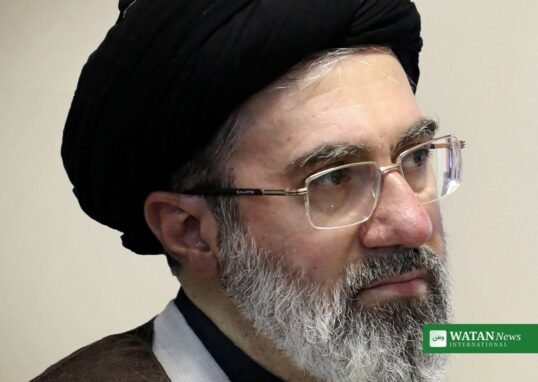
Iran’s Khamenei Warns of Wider War if US Resumes Attacks
- 0
- 914 words
Iran's Supreme Leader Mojtaba Khamenei has warned that any renewed US attack would draw a far wider response, dismissing hopes that the...
Read out all
North Korea Tests New Air-Defence Missile System and Stages Cruise Missile Drill
- 0
- 499 words
North Korea has test-fired a newly designed air-defence missile system and staged a long-range cruise missile drill, state media KCNA reported on...
Read out all