- 0
- 914 words
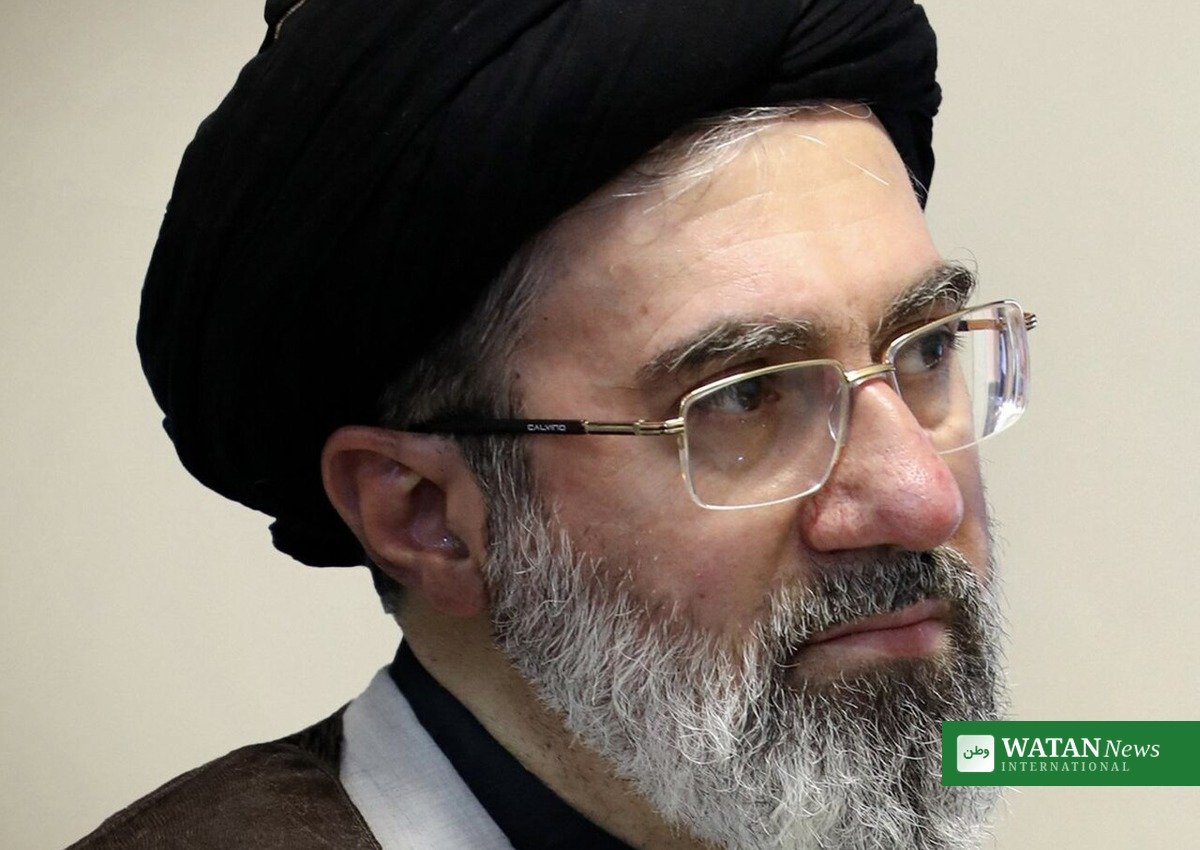
Iran’s Supreme Leader Mojtaba Khamenei warns of wider war if the United States resumes its attacks, dismissing hopes that the Democrats’ victory in Tuesday’s midterm elections will soften Washington’s stance toward Tehran.
In a written statement published on his website on Wednesday, Khamenei said anyone expecting a shift in American policy toward Iran was “seriously mistaken” and warned that any renewed US attack would draw a far wider response.
FAKTA
- Who: Iran’s Supreme Leader Mojtaba Khamenei, who took power in March 2026.
- What: He warned that if the United States repeats its attacks, the war will take on “much wider dimensions”.
- When: The statement was published on Wednesday, 4 November 2026, on the anniversary of the 1979 seizure of the US embassy in Tehran.
- Context: The warning follows US strikes on Qeshm Island in the Strait of Hormuz earlier this week and the Democrats’ victory in both chambers of Congress in Tuesday’s midterm elections.
- Diplomacy: Iran says it still seeks a negotiated solution, while the United States has warned it could carry out a short but intensive military campaign after the midterms.
Khamenei warns of wider war as US weighs new strikes
“Those who still harbour even the slightest hope that the behaviour of the hegemonic system might change through partisan or factional shifts, or who imagine that making concessions to the United States can dissuade it from hostility towards the Iranian nation, are seriously mistaken,” Khamenei said in the statement.
“In the event of repeated transgression, it will take on much wider dimensions,” he added, warning that any renewed US attacks on Iran could lead to a wider conflict.
Khamenei said Iran’s control of the Strait of Hormuz had shattered the “myth of America’s invincibility”. The strait carries about a fifth of the world’s oil supply in peacetime, and Iran has sought to use its position there to press Washington to lift a US naval blockade on Iranian oil exports.
The statement was issued on the anniversary of the 1979 seizure of the US embassy in Tehran, which Iran marks each year as the National Day of the Fight Against Global Arrogance. Khamenei has not appeared in public since he took power in March, after his father and predecessor, Ayatollah Ali Khamenei, was killed in US-Israeli strikes in February.
Midterms and the threat of a ‘heavy hit’
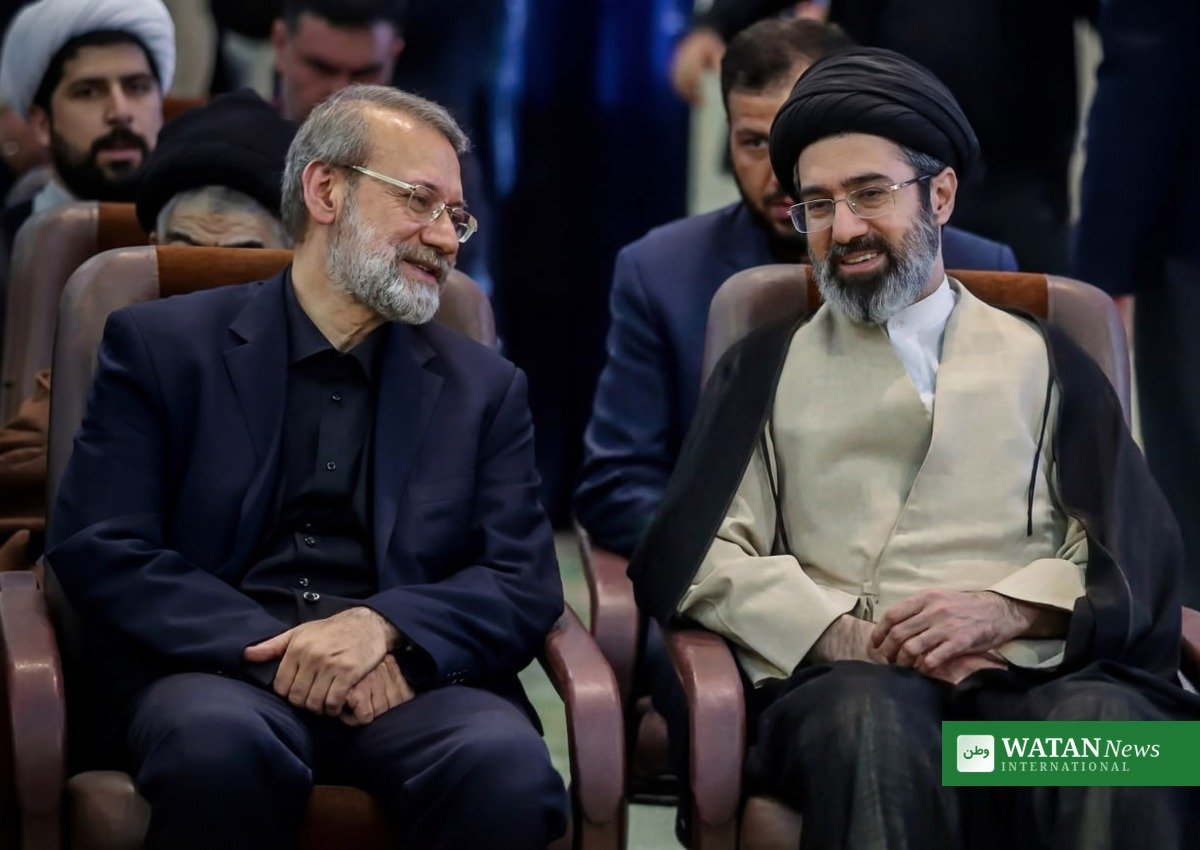
Khamenei’s warning came hours after the Democrats scored a historic victory in Tuesday’s midterm elections, taking control of both chambers of Congress. President Donald Trump has acknowledged that the war with Iran likely contributed to the Republicans’ poor performance, but argued that voters were reacting to higher petrol prices rather than the military campaign itself.
“I don’t think it’s the war,” Trump told Fox News on Tuesday. “I think it’s the gasoline prices. People agree with what I’m doing on Iran, but they really probably weren’t willing to do the short-term consequences of paying more for gasoline.”
Trump has also left open the possibility of a major new attack on Iran, telling the Fox & Friends programme on Tuesday that some people were pushing for what he described as a “heavy hit”.
“A lot of people would like to do the heavy hit. A lot of people wouldn’t,” he said.
The warning follows US strikes on Qeshm Island in the Strait of Hormuz earlier this week, which Iranian state media reported as explosions on the island. The United States has warned it could carry out a short but intensive military campaign against Iran after the midterms, although Trump has also said another attack might not be necessary.
“I’m ready, we’re ready. We’re locked and loaded if we need to go, but there may be no reason for it,” he said in an interview with the Financial Times.
Diplomacy continues amid the threats
Other senior Iranian officials struck a more conciliatory tone on Wednesday. Mohammad Bagher Ghalibaf, Iran’s chief negotiator with Washington and its parliament speaker, said the midterm result showed that Americans had voted against the war.
“Conscience or the cost of living, Americans said NO TO WAR, and we endorse this message,” Ghalibaf said.
Iran’s President Masoud Pezeshkian has said his government is still seeking a solution through talks, and Iran has said the US response to its proposals for reopening the Strait of Hormuz remains unconvincing. The war, which began in February when the United States and Israel launched a major wave of strikes on Iran, has been at a stalemate for months, and the warning adds to tensions across the Middle East.
At the same time, Hamidreza Moghadamfar, an adviser to the commander-in-chief of the Islamic Revolutionary Guard Corps, said Iran would hit targets beyond US bases if Gulf states allowed Washington to launch attacks from their territory. Speaking at a rally in Bandar Abbas, he named the United Arab Emirates and Bahrain and said Iran would respond with a “new doctrine and new technology”.
Analysts warn the coming weeks could be particularly volatile. Trita Parsi, executive vice president of the Quincy Institute for Responsible Statecraft, said the Democrats’ victory could increase the risk of escalation before the new Congress takes control in January.
“The combination of him running out of time and him becoming more reckless as a result of a defeat creates a very dangerous period for the next two months,” Parsi said.
Author

usmanch0013@gmail.com
Related Posts
Indigenous Climate Champions Take Their Message to COP31 in Antalya
- 0
- 1,206 word
The WWF-supported Oceania First Voices delegation of Indigenous climate advocates from Australia and the Pacific will travel to COP31 in Antalya, pressing...
Read out all
North Korea Tests New Air-Defence Missile System and Stages Cruise Missile Drill
- 0
- 499 words
North Korea has test-fired a newly designed air-defence missile system and staged a long-range cruise missile drill, state media KCNA reported on...
Read out all
COP31 Opens in Antalya on Monday: What Is at Stake at the UN Climate Summit
- 0
- 1,285 word
COP31 opens in Antalya on Monday 9 November, with more than 190 countries gathering for two weeks of climate talks. Finance, just...
Read out all
New Zealand Election Too Close to Call as Leaders Make Final Appeals
- 0
- 474 words
New Zealand votes on Saturday in an election too close to call, with final polls putting National narrowly ahead of Labour and...
Read out all
Hong Kong Activist Joshua Wong Jailed for 10 Years in National Security Case
- 0
- 718 words
Hong Kong activist Joshua Wong jailed 10 years after pleading guilty to conspiring to collude with foreign forces under the national security...
Read out all
African Union Opens ClimSA Training for Journalists on Ethical Weather and Climate Reporting
- 0
- 998 words
The African Union Commission is training journalists across Africa to report weather forecasts, seasonal outlooks and early warnings accurately and ethically, in...
Read out all