- 0
- 795 words
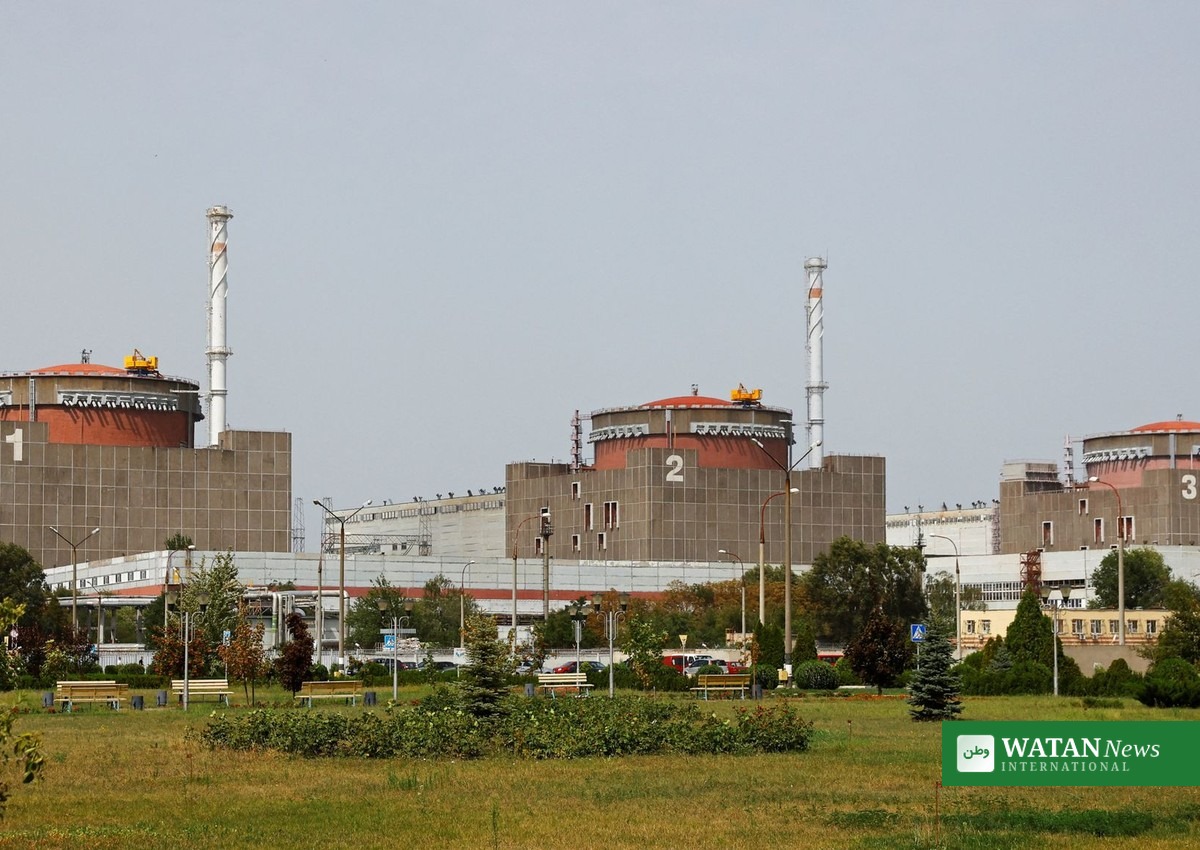
The Zaporizhzhia nuclear plant power loss left Europe’s largest nuclear power station running on emergency diesel generators on Sunday, after its last remaining external power line was disconnected in the early hours of the morning, Ukraine’s nuclear operator and the United Nations atomic watchdog said.
FAKTA
- What happened: The 330 kV Ferosplavna-1 power line disconnected at 02:36 local time on Sunday 8 November. An automatic attempt to reconnect the line failed, and the plant is now powered only by backup diesel generators.
- Safety status: All six reactors are in cold shutdown. The generators are supplying power for reactor cooling and other essential safety functions. Radiation levels at the site and in the surveillance zone are normal, the plant’s management said.
- Fuel: The International Atomic Energy Agency (IAEA) said the plant has enough fuel to run a limited number of emergency diesel generators for about two weeks.
- Frequency: Ukraine’s nuclear operator Energoatom said this is the 16th complete loss of external power at the plant since the start of 2026, and that outages have become more frequent.
- Cause: The cause and the exact location of the disconnection are not yet known, the IAEA said. The plant’s management said the line was shut down by automatic protection after sustaining damage.
- The plant: Zaporizhzhia is Europe’s largest nuclear power station, with six reactors and a total capacity of 6,000 megawatts, near Enerhodar in south-eastern Ukraine. It has been under Russian control since the first weeks of the 2022 invasion.
What happened at Zaporizhzhia
The Russian-controlled plant lost its off-site electricity supply after the Ferosplavna line disconnected, the IAEA said in a post on X. The plant produces no electricity itself, but needs power supplied from outside to keep its nuclear fuel cool.
The plant’s Russian-installed management said the Ferosplavna line had been shut down by “automatic protection”, and that backup diesel generators were supplying power to the equipment required for safe operation. “Staff at the Zaporizhzhia nuclear power plant are monitoring all operational parameters of the equipment. All necessary measures to maintain the safe condition of the power units are being taken in full,” the management said in a statement posted on the MAX messenger app.
The IAEA, whose inspectors are present at the site, confirmed the loss of external power and said the plant was relying on “emergency diesel generators for reactor cooling and other essential nuclear safety and security functions”. The agency’s Director General, Rafael Grossi, has stressed the urgency of restoring the grid connection and reinforcing diesel stocks to avoid any risk to nuclear safety.
Zaporizhzhia nuclear plant power loss is the 16th blackout of 2026
Energoatom said the Ferosplavna-1 line was the plant’s last working external connection. The main Dniprovska power line has remained unavailable, the IAEA said on 23 October, and a second line was cut in March.
In early September, a local ceasefire brokered by the IAEA took effect to allow repairs to restore external power to the plant, which at that time had been without it since 20 August. The repeated blackouts have become a regular feature of the war: Moscow and Kyiv have regularly accused each other of military action that compromises nuclear safety at the site.
Why the blackout matters
Even in cold shutdown, the plant’s six reactors and their spent fuel pools need a constant power supply for cooling. Diesel generators are only a short-term backup: they depend on finite fuel stocks and on maintenance, and if they fail or run out of fuel the plant faces a direct risk to fuel cooling and radiation safety.
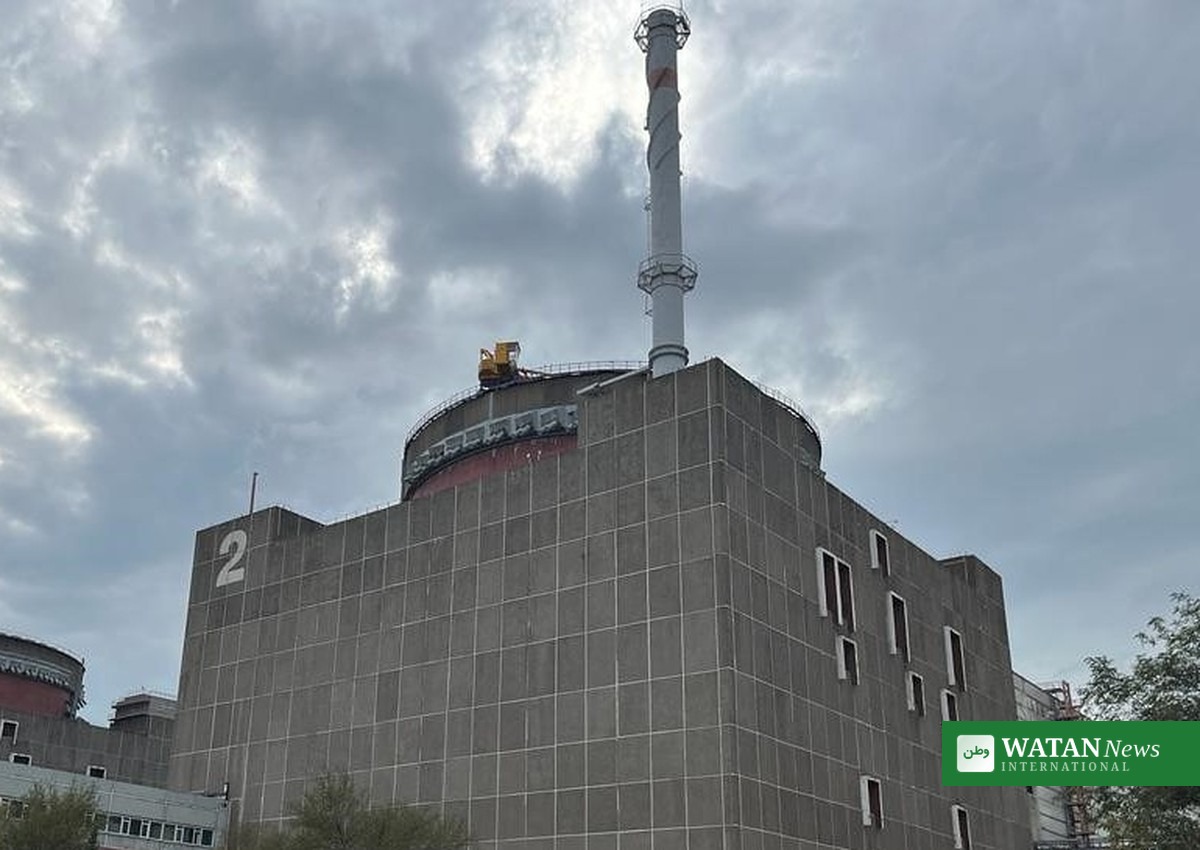
The IAEA has repeatedly warned that a total loss of power at the plant could lead to a serious radiation accident. Its inspectors remain at the site and monitor safety, including during shelling.
Wider strikes on Ukraine’s power grid
The blackout at the plant came during a wider night of Russian strikes on Ukrainian energy infrastructure. The attacks left more than 600,000 people without power in the eastern Dnipropetrovsk region and caused new outages across six regions, according to regional officials and wire reports. Power workers were working to restore electricity, hampered by continued shelling, and hospitals and critical infrastructure were relying on generators.
What happens next
Attention now turns to restoring the external power connection and to the plant’s diesel reserves, which the IAEA estimates at about two weeks for a limited number of generators. Repair crews need access to the damaged line, and any restoration depends on the fighting around the plant, which sits on the front line along the Dnipro River. The IAEA said it would continue to monitor the situation at the site. For more world news, see Watan News World.
Author

usmanch0013@gmail.com
Related Posts

COP31 Youth Day: Children Hand Over Climate Demands as Education Alliance Hits 100 Countries
- 0
- 1,341 word
Children and young people took centre stage at COP31 on 14 November, presenting a Children's Call to Action as UNESCO's climate-education alliance...
Read out all
Green Jet Fuel Costs Too Much and Is Too Scarce, Asia-Pacific Airlines Warn as COP31 Debates Aviation’s Future
- 0
- 1,082 word
Asia-Pacific airlines say sustainable aviation fuel remains too expensive and too scarce to decarbonise flying, warning COP31 that the cost cannot fall...
Read out all
COP31 Finance Day: Four More Nations Join BRIDGE as Stiell Demands Finance That Breaks the Debt Trap
- 0
- 1,236 word
Four more countries joined the Climate Implementation Bridge on COP31's Finance and Trade Day, while UN climate chief Simon Stiell told ministers...
Read out all
COP31: 100+ Leaders Back Green Industry Compact and Waste Targets on Summit’s First Day
- 0
- 967 words
More than 100 national leaders met in Antalya for the first day of the COP31 Leaders' Summit, putting green industry, electrification and...
Read out all
COP31: Pacific Resilience Facility Passes $200 Million as New Fund Launches for Least Developed Nations
- 0
- 1,075 word
The Pacific Resilience Facility has passed $200 million in pledges at COP31 in Antalya, and a new green industrialisation mechanism has launched...
Read out all
Ethiopia Brings 56 Billion Seedlings to COP31 as Green Legacy Becomes a Model for Halting Deforestation by 2030
- 0
- 1,081 word
At COP31 in Antalya, Ethiopia presented its Green Legacy Initiative — more than 56 billion seedlings planted since 2019 — as proof...
Read out all