
- 0
- 967 words
More than 100 national leaders and United Nations Secretary-General António Guterres gathered in Antalya on 11 November 2026 for the first day of the COP31 Leaders’ Summit, putting electrification, green industry and waste at the centre of the climate agenda.
Host President Recep Tayyip Erdoğan opened the summit with a call to action, then chaired leader-level events on electrification and green industrialisation, while First Lady Emine Erdoğan led a leader-level event on zero waste. The COP31 Presidency also launched a Circularity Knowledge Sharing Network and hosted a high-level dialogue on methane from the waste sector.
Key facts
- More than 100 national leaders attended the first day of the COP31 Leaders’ Summit in Antalya on 11 November 2026.
- Industry accounts for around a quarter of direct global CO2 emissions.
- Leaders backed cutting the projected growth in global municipal solid waste generation by at least 50 per cent by 2035.
- The global circular material use rate is to rise to at least 15 per cent.
- The waste sector accounts for around 20 per cent of human-caused methane emissions.
Electrification takes centre stage
Addressing world leaders, President Erdoğan said respect for nature lies at the heart of Türkiye’s civilisation, adding: “Earth is a sacred trust that must be protected and cared for… This culture, which considers bread as fertility, water as holy, and a tree as life, serves as our compass in our environmental and climate policies.”
Following his address, President Erdoğan hosted a leader-level event on electrification, attended by Secretary-General Guterres. The event aimed to build political momentum on electrification and discuss the opportunities and barriers to progress. Türkiye led by example by publishing its own National Energy Plan earlier in November.
President Erdoğan said Türkiye is guided by a green transition across all sectors of its economy. “We are increasing our renewable energy investments, boosting energy efficiency, and promoting clean transport solutions,” he said. Türkiye and China signed a renewable energy deal worth around $15 billion on the COP31 sidelines, covering new solar and wind capacity, storage and transmission.
Green Industrialisation Compact
The COP31 Presidency also hosted a leader-level event on advancing green industrialisation, building political support for the Antalya Green Industrialization Compact. With industry accounting for around a quarter of direct global CO2 emissions, the Compact aims to accelerate investment in and create markets for near-zero and low-emissions industrial production.
The Compact supports the COP31 Presidency’s targets on electrification and circularity, with the electrification of industrial processes and the increasing use of circular materials acting as key mechanisms for decarbonising industry.
COP31 President Murat Kurum said there is much common ground between climate action and the national interest. “Using energy more efficiently makes energy supplies more secure. Investing in water strengthens food security. Clean technologies create opportunities for industry and employment. Resilient cities strengthen our economies,” he said.
Waste and methane in focus
At the summit, First Lady Emine Erdoğan spoke at a leader-level event on zero waste, designed to strengthen political support for reducing the projected growth in global municipal solid waste generation by at least 50 per cent by 2035 and raising the global circular material use rate to at least 15 per cent.
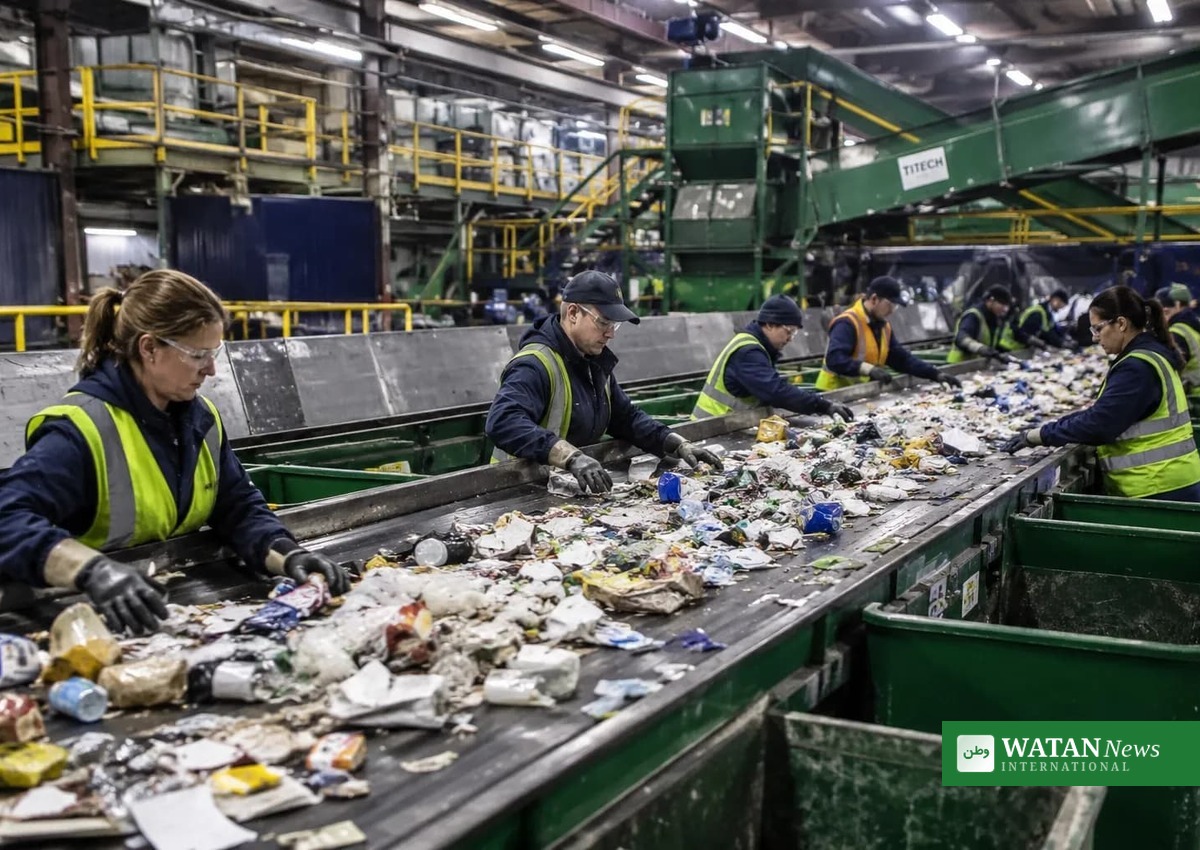
The waste sector accounts for around 20 per cent of human-caused methane emissions, a greenhouse gas 80 times more potent than carbon dioxide in terms of atmospheric warming, according to the COP31 Presidency.
Alongside the zero-waste event, the COP31 Presidency hosted a Global High-Level Dialogue on Methane Emissions from the Waste Sector to help identify policies and projects that can drive forward methane reduction. In the morning, the Presidency also launched the Circularity Knowledge Sharing Network, which will accelerate the integration of circular economy approaches into climate policy and help successful solutions get adopted and scaled. At both events, the Presidency issued a voluntary call urging attendees to reaffirm their commitment and take practical action.
Zero waste is a thematic priority for the COP31 Presidency, and on the opening day of the summit the COP31 High-Level Champion launched the #OneBillion Challenge, which aims to mobilise people and organisations to reduce food waste.
What happens next
On the summit’s second day, leaders turned to resilient cities and energy-efficient buildings. Cities and homes moved to the centre of climate action at COP31, with the Antalya Compact for Energy Efficient Buildings and new finance for vulnerable nations on the agenda. Technical talks closed in gridlock at the COP31 midpoint, with ministers taking over the negotiations for week two, which runs until the summit closes on 20 November.
Frequently asked questions
What is the Antalya Green Industrialization Compact?
It is a COP31 Presidency initiative launched at the Leaders’ Summit to accelerate investment in and create markets for near-zero and low-emissions industrial production. Industry accounts for around a quarter of direct global CO2 emissions, and the Compact supports the Presidency’s targets on electrification and circularity.
What waste targets did leaders back at COP31?
Leaders backed reducing the projected growth in global municipal solid waste generation by at least 50 per cent by 2035 and raising the global circular material use rate to at least 15 per cent.
Why does waste matter for the climate?
The waste sector accounts for around 20 per cent of human-caused methane emissions, according to the COP31 Presidency. Methane is 80 times more potent than carbon dioxide in terms of atmospheric warming.
What is the Circularity Knowledge Sharing Network?
It is a network launched by the COP31 Presidency on the morning of 11 November 2026 to accelerate the integration of circular economy approaches into climate policy and help successful solutions get adopted and scaled.
What is the Global High-Level Dialogue on Methane from the Waste Sector?
It is a COP31 Presidency event hosted during the Leaders’ Summit to identify policies and projects that can drive down methane emissions from waste. Attendees were urged to reaffirm their commitment and take practical action.
Author

usmanch0013@gmail.com
Related Posts

COP31 Finansdag: Fire nye lande slutter sig til BRIDGE, mens Stiell kræver finansiering, der bryder gældsfælden
- 0
- 1,303 word
Fire nye lande sluttede sig til Climate Implementation Bridge på COP31's Finans- og Handelsdag, mens FN's klimachef Simon Stiell sagde til ministrene,...
Read out all
کاپ31 فنانس ڈے: برج میں چار مزید ملک شامل، اسٹیل کا مطالبہ کہ مالیہ قرض کے جال سے نکالے
کاپ31 کے فنانس اور تجارت کے دن چار مزید ملک کلائمیٹ امپلیمنٹیشن برج میں شامل ہوئے، جبکہ اقوام متحدہ کے موسمیاتی سربراہ...
Read out all
COP31 Finance Day: Four More Nations Join BRIDGE as Stiell Demands Finance That Breaks the Debt Trap
- 0
- 1,236 word
Four more countries joined the Climate Implementation Bridge on COP31's Finance and Trade Day, while UN climate chief Simon Stiell told ministers...
Read out all
COP31: Over 100 ledere bakker op om grøn industri og affaldsmål på topmødets første dag
- 0
- 1,007 word
Mere end 100 nationale ledere mødtes i Antalya på den første dag af COP31's ledertopmøde og satte grøn industri, elektrificering og affald...
Read out all
کاپ31: سربراہی اجلاس کے پہلے روز 100 سے زائد رہنماؤں کی سبز صنعت اور فضلے کے اہداف کی حمایت
11 نومبر 2026 کو انطالیہ میں کاپ31 سربراہی اجلاس کے پہلے روز 100 سے زائد قومی رہنما جمع ہوئے اور سبز صنعت،...
Read out all
COP31: Pacific Resilience Facility passerer 200 millioner dollar, og ny mekanisme lanceres for de mindst udviklede lande
- 0
- 1,152 word
Pacific Resilience Facility har passeret 200 millioner dollar i tilsagn ved COP31 i Antalya, og en ny mekanisme for grøn industrialisering er...
Read out all