- 0
- 1,456 word
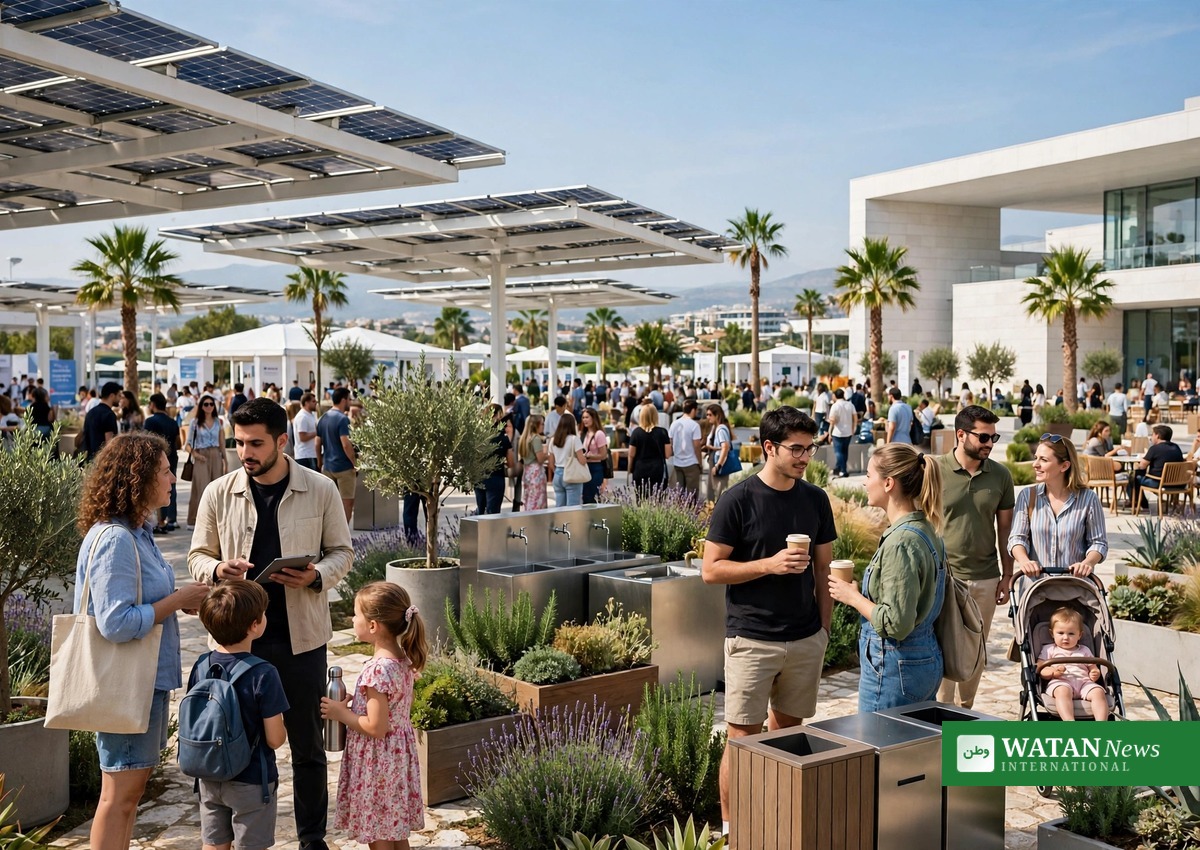
When COP31 opens in Antalya on Monday 9 November, the negotiations will take place in the accredited-only Blue Zone — but the summit’s ideas about how people actually live will be on public display next door. The COP31 Green Zone, the public face of the conference, opens the same day at the Antalya Expo Center, turning climate goals into twelve days of workshops, exhibitions, food, art and hands-on experiences built around sustainable living.
Nearly 200 countries will convene in Antalya for COP31, the 31st Conference of the Parties to the United Nations Framework Convention on Climate Change, which runs until 20 November. While delegates negotiate in the Blue Zone, the Green Zone is where those goals “take shape as projects, partnerships and solutions that touch everyday life”, according to the official COP31 Presidency site.
The public face of COP31
The Green Zone brings together public institutions, local governments, businesses, academia, civil society, young people and artists from 9 to 20 November. Entry is by prior registration, and the zone will be closed to visitors on 11 and 12 November, when the World Leaders’ Summit takes place.
Visitors will find seven thematic hubs, with panels, talks and presentations on seven stages every day, alongside pavilions telling the climate story of Türkiye and its regions. The COP Tower and Start Up Zone bring climate startups together with business, while the Houses of the Seven Regions showcase regional culture and gastronomy, and the Anatolian Garden offers an open-air space to meet and relax. There is a dedicated Youth and Children’s Centre, and evenings close with concerts at the amphitheatres.
Art has a central place too. COPArt, the Green Zone’s culture and art programme, brings more than 1,000 works and over 50 open-air installations across the 1.1-million-square-metre campus — the first time in COP history that art extends across an entire conference site. Its stage hosts talks on water, biodiversity, the future of cities and cultural heritage.
Twelve days of everyday climate action
The Green Zone follows the thematic days of the Blue Zone, exploring the implementation, investment and technology side of whatever is on the negotiating table that day. COP31 opens in Antalya on Monday with nearly 200 countries at the table, and the daily-life programme runs as follows:
- 9 November — Food, Agriculture and Health: food security, irrigation and water efficiency, food systems and climate change and health.
- 10 November — Energy and Transport: energy security, electrification, grid infrastructure and sustainable transport.
- 11 November — Zero Waste: resource efficiency, methane and the circular economy. Green Zone closed to visitors for the Leaders Summit.
- 12 November — Resilient Cities and Built Environment: climate-friendly buildings, urban resilience, disaster risk management and smart mobility. Green Zone closed to visitors for the Leaders Summit.
- 13 November — Finance and Trade: green transformation, climate-based investment, green finance and carbon markets.
- 14 November — Children, Youth, Education and Skills: climate literacy, green skills, academia and lifelong learning.
- 15 November — Hubs in the Spotlight: each hub around its own main theme.
- 16 November — Science, Industry and Technology: green industrialisation, digitalisation, artificial intelligence and low-carbon manufacturing.
- 17 November — Ocean, Seas, Nature and Land Use: ocean and marine ecosystems, coastal resilience, the blue economy and forest restoration.
- 18 November — Human and Social Development: tourism, cultural heritage, employment and livelihoods, traditional knowledge, vulnerable groups and women’s empowerment.
- 19 November — İmece: Enhancing Implementation: capacity building, investment-ready projects and access to finance.
- 20 November — Connect to Funds: final negotiations, with national and international funds and incentives matched to projects from 10:00 to 17:00.
The food theme on day one connects directly with what delegates and visitors will eat: the COP31 Presidency is targeting 60 percent meat-free catering in Antalya, with two fully plant-based cafés. Read how COP31 is putting plant-based meals on the menu.
Why everyday living matters: the evidence
The focus on daily life is backed by fresh evidence. A March 2026 report by the Hot or Cool Institute, “Nature-Positive Lifestyles”, funded by the United Nations Environment Programme and SITRA, finds that everyday consumption patterns play a central role in driving biodiversity loss — and that food is the dominant driver, accounting for 51 to 84 percent of total lifestyle impacts across the countries studied.
Meat is the largest single hotspot. Annual meat intake reaches 100 kilograms per person in Brazil, 75 kilograms in Finland and 60 kilograms in Japan, with land-use change from livestock driving most of the impact. The report calculates a lifestyle biodiversity footprint of 44 pBDe per person per year in Brazil, compared with 27 in Japan and 20 in Finland. If everyone consumed like Brazil, the report finds, 36 percent of global species would face extinction risk, against 22 percent under Japan-level consumption and 16 percent under Finland-level consumption.
The same report stresses that individual behaviour change alone is not enough. Sustainable lifestyles depend on coordinated changes in provisioning systems, markets, infrastructure and social norms — including “choice-editing” policies such as product standards, fiscal incentives and urban planning that phase out harmful options while making low-impact alternatives the easy default. It compiles more than 100 existing policy measures from around the world showing that such approaches already work.
Türkiye’s own sustainable-living agenda
The host country is using COP31 to push daily-life change into the global agenda. The COP31 Presidency has set three targets for 2035: raising electricity’s share of global final energy consumption to 35 percent, halving the growth in global waste, and cutting the energy intensity of buildings by 25 percent — all measures that reach directly into homes, transport and daily consumption.
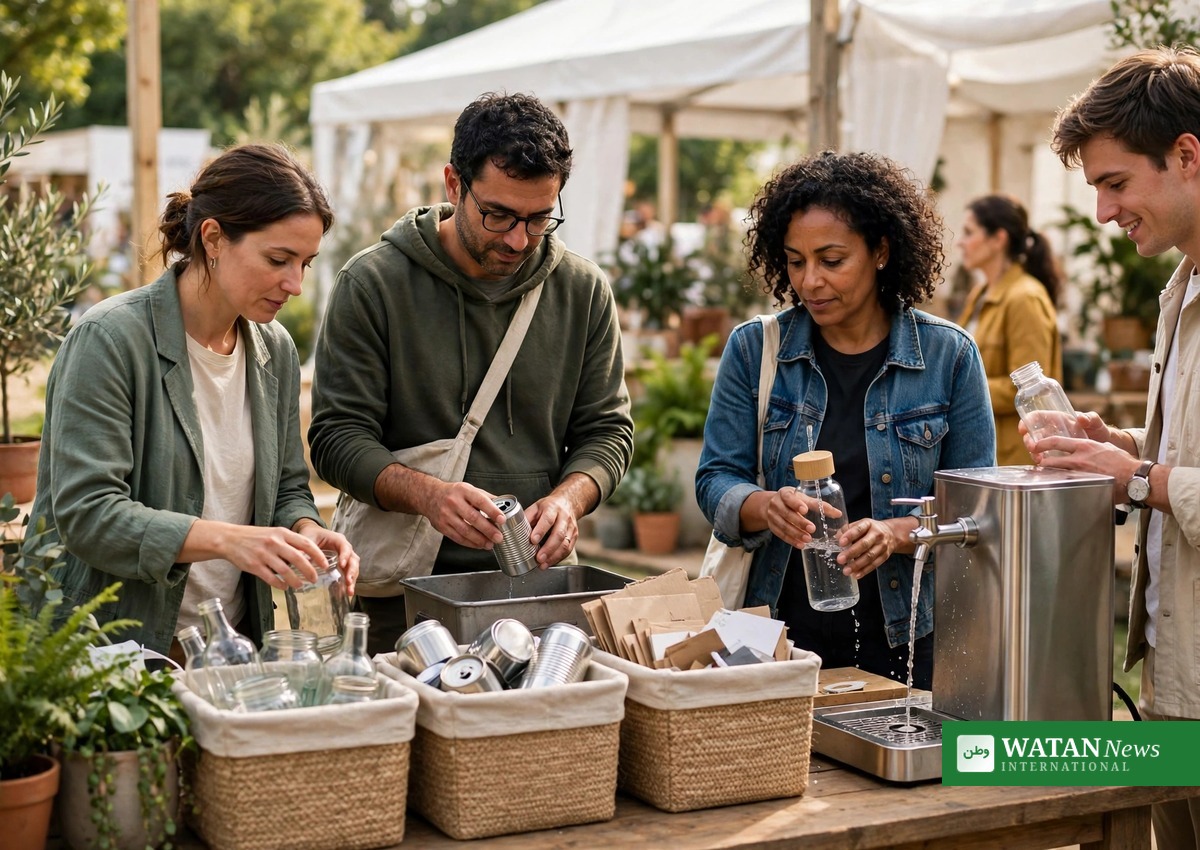
The Zero Waste hub in the Green Zone carries the same message. Its programme is being shaped with the Zero Waste Foundation, pioneer of a movement launched in Türkiye in 2017 that became a global call when, on Türkiye’s initiative, the United Nations General Assembly declared 30 March the International Day of Zero Waste. Deposit return systems, marine ecosystem protection, methane reduction and circular economy practices can be heard about and tried out at the Zero Waste Application and Workshop Centre.
Prof. Özdemir of Üsküdar University argues that COP31 should speak not only about energy and finance but about how sustainable ways of living can be built within societies — water conservation and water ethics, sustainable agriculture, urban transformation, the circular economy and simple, moderate, nature-compatible lifestyle models. Türkiye is among the countries experiencing water stress, he notes, with 186 of its 240 lakes dried up. The same call for balance runs through “Mizan: A Covenant for the Earth”, a declaration carried out by the United Nations Environment Programme with contributions from Üsküdar University and environmentalists.
FAKTA
- Green Zone: 9–20 November 2026, Antalya Expo Center; open to the public with prior registration; closed to visitors on 11–12 November for the Leaders Summit.
- Programme: seven thematic hubs with panels on seven stages every day; sessions streamed live on YouTube and the COP31 mobile app.
- COPArt: more than 1,000 works and over 50 open-air installations across the 1.1-million-square-metre campus — a first in COP history.
- Presidency targets for 2035: 35 percent electrification; halve the growth in global waste; buildings’ energy intensity down 25 percent.
- Lifestyles evidence: food drives 51–84 percent of lifestyle biodiversity impacts; meat is the largest hotspot (Hot or Cool Institute, “Nature-Positive Lifestyles”, March 2026).
- Zero Waste: movement launched in Türkiye in 2017; 30 March is the UN International Day of Zero Waste.
Frequently asked questions
What is the COP31 Green Zone?
It is the public part of COP31 at the Antalya Expo Center, open from 9 to 20 November 2026. While the Blue Zone hosts the official UN negotiations for accredited participants only, the Green Zone is where the public, businesses, local governments, academia, youth organisations and civil society can see, try and discuss climate solutions.
Do I need to register to visit the Green Zone?
Yes. Prior registration is required to visit, and the Green Zone is closed to visitors on 11 and 12 November, when the World Leaders’ Summit takes place.
What can visitors actually do there?
Visitors can attend panels on seven stages, join hands-on workshops — including at the Zero Waste Application and Workshop Centre — explore pavilions and the Houses of the Seven Regions, take part in youth and children’s programmes, see the COPArt exhibitions and end the day with concerts at the amphitheatres.
Why is sustainable living part of a climate summit?
Because everyday consumption drives much of the damage: food alone accounts for 51 to 84 percent of lifestyle biodiversity impacts, according to the Hot or Cool Institute’s 2026 report. The COP31 Presidency’s 2035 targets on electrification, waste and building energy also reach directly into daily life.
What happens on the final day?
On 20 November the Green Zone programme closes with Connect to Funds, a day dedicated to matching projects with sources of finance, running from 10:00 to 17:00 alongside the final negotiations.
The Green Zone is where COP31 stops being only a negotiation and becomes something visitors can touch, taste and try — a reminder that the climate decisions made in the Blue Zone are ultimately about how people live, eat, travel and build their homes.
Author

usmanch0013@gmail.com
Related Posts
کاپ31: ترکیے نے جنگلات کی آگ سے مشترکہ مقابلے کے لیے انطالیہ ایکشن پلان پیش کر دیا
ترکیے نے کاپ31 میں انٹیگریٹڈ فائر مینجمنٹ انطالیہ ایکشن پلان پیش کر دیا ہے اور تمام ممالک کو جنگلات کی آگ کے...
Read out all
COP31: Tyrkiet lancerer Antalya-handlingsplan mod skovbrande
- 0
- 1,315 word
Tyrkiet har på COP31 lanceret Antalya-handlingsplanen for integreret brandbekæmpelse og inviteret alle lande til at deltage i den fælles kamp mod skovbrande.
Read out all
COP31: Türkiye Launches Antalya Action Plan to Fight Forest Fires Together
- 0
- 1,306 word
Türkiye has launched the Integrated Fire Management Antalya Action Plan at COP31, inviting all countries to join a shared fight against forest...
Read out all
Fourteen Killed, 30 Injured in Fujairah Pile-Up Involving 23 Vehicles
- 0
- 734 words
Fourteen people were killed and 30 injured in a 23-vehicle pile-up on Sheikh Khalifa bin Zayed Road at the entrance to Fujairah,...
Read out all
COP31: Affaldsindsamlere kræver klimapenge til sig selv – ikke til forbrændingsanlæg
- 0
- 1,491 word
På COP31 i Antalya siger affaldsindsamlere og zero waste-grupper, at klimapengene skal nå de mennesker, der indsamler, sorterer og komposterer affald —...
Read out all
کاپ31 میں کچرا چننے والوں کا مطالبہ: موسمیاتی رقم ان تک پہنچے، جلانے والے پلانٹس تک نہیں
انطالیہ میں کاپ31 کے مالیاتی دن پر کچرا چننے والے اور زیرو ویسٹ تنظیمیں مطالبہ کر رہی ہیں کہ موسمیاتی رقم ان...
Read out all