- 0
- 928 words
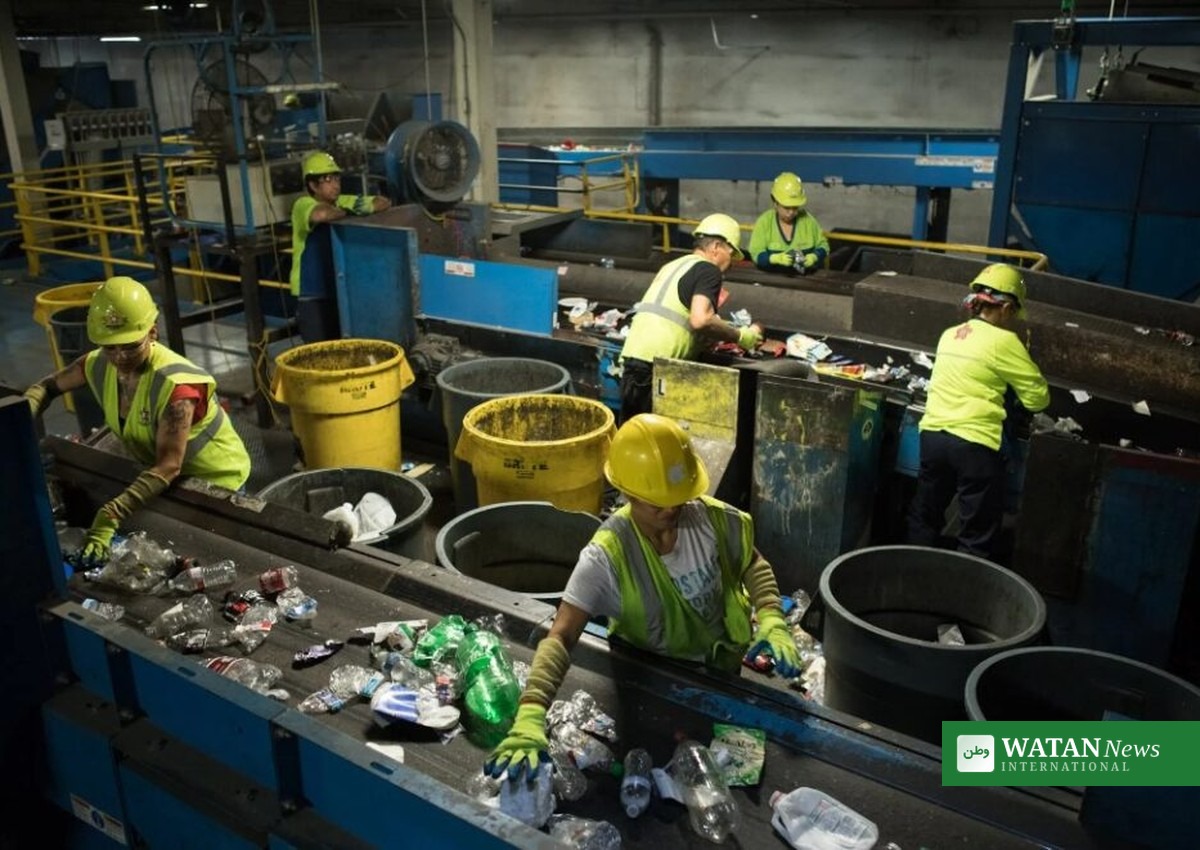
Zero waste has moved from the margins of the climate talks to the centre of COP31 in Antalya. The COP31 Presidency has made it the first of ten priority themes in its Action Agenda, with a target to halve the projected increase in global municipal waste generation by 2035 — a goal the presidency says turns waste from a climate problem into an implementation opportunity.
The 2035 waste targets
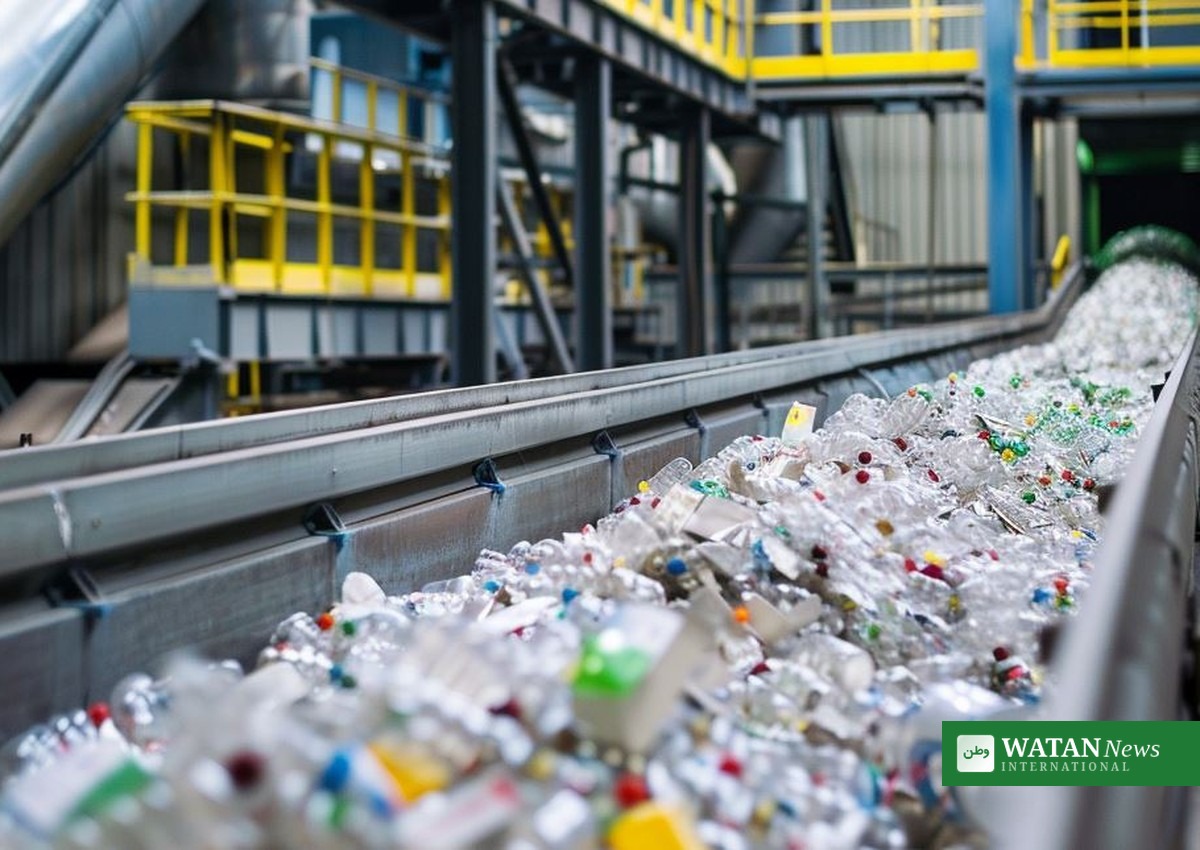
The targets were announced by the COP31 Presidency in June 2026 at the UN climate meetings in Bonn and restated by COP31 President Murat Kurum in Ankara in October. They aim to halve the projected growth in global waste by 2035 and to raise the global circular material use rate — the share of materials that are reused or recycled — to at least 15 percent by the same year. That rate currently stands at 6.9 percent.
The presidency also encourages countries to include waste-related methane reduction in their updated national climate plans, known as Nationally Determined Contributions. A Global High-Level Dialogue on Methane Emissions from the Waste Sector is part of the COP31 programme, and a Zero Waste Day will be held on 11 November, coinciding with the leaders’ summit.
Why waste is a climate issue
Waste is a bigger climate problem than many people realise. The waste sector is the third largest source of human-caused methane, responsible for about 30 percent of global warming since the Industrial Revolution, according to the COP31 Presidency. Waste accounts for roughly 20 percent of human-caused methane emissions, and methane is one of the fastest ways to slow near-term warming.
The scale keeps growing. The UN Environment Programme and the International Solid Waste Association project that solid waste generation will rise from 2.3 billion tonnes in 2023 to 3.8 billion tonnes by 2050 — an increase of about 50 percent. The UN Secretary-General’s Call to Action on Methane includes three actions for the waste sector: phase out open dumping and uncontrolled landfills, capture methane from waste and wastewater, and cut food loss and waste.
Türkiye’s zero-waste model
Türkiye is presenting its own experience as the model behind the targets. The Zero Waste Movement was launched in 2017 under the leadership of First Lady Emine Erdoğan, and the Zero Waste Foundation now carries the work forward. COP31 High-Level Climate Champion Samed Ağırbaş is the foundation’s president.
According to COP31 President Murat Kurum, Türkiye has raised its recycling rate from 13 percent in 2017 to 37 percent in 2025, recovering 90 million tonnes of waste and contributing about 365 billion Turkish lira — around $8.4 billion — to the economy over the period. Workshops on zero waste, the environment and climate change have been held across all 81 of Türkiye’s provinces, and their findings are feeding into a Local Climate Action Call for COP31 to be presented in Antalya.
Zero Waste Day and the summit itself
COP31 is putting the zero-waste principle into practice at the venue as well. Under the COP31 Zero Waste Summit Guide, single-use plastic products are being minimised across the summit, pavilions are built to modular, demountable and reusable standards, and recycling points are a core part of the venue design. The summit has already become the first climate summit to earn zero-waste certification.
The wider push is backed by the Global Zero Waste Forum 2026, which produced the Istanbul Platform: a Call to Action on Zero Waste that positions zero waste and circularity as central pillars of climate action. The International Solid Waste Association’s Declaration for COP31 sets three priorities: circular and climate-resilient systems, organic waste and methane, and climate finance. A Zero Waste Action Platform launched in Türkiye in June connects initiatives with the funding and partners they need.
FAKTA
- COP31 target: halve the projected growth in global waste by 2035.
- Circular material use rate: raise to at least 15 percent by 2035, from 6.9 percent today.
- Global solid waste: 2.3 billion tonnes in 2023, projected to reach 3.8 billion tonnes by 2050.
- Waste is the third largest source of human-caused methane — about 20 percent of the total.
- Zero Waste Day at COP31: 11 November 2026, Antalya.
- Türkiye’s recycling rate: 13 percent in 2017 to 37 percent in 2025; 90 million tonnes recovered.
From targets to delivery
The test in Antalya is whether voluntary targets become national plans. Discussions will focus on translating the waste target into updated climate plans, cutting landfill methane at scale and getting climate finance to the projects that need it. The presidency’s message is that zero waste is not only about cleaner streets: it is about cutting methane fast, keeping materials in use and turning a growing waste mountain into a measurable climate result.
Frequently asked questions
What is COP31’s zero-waste target?
The COP31 Presidency aims to halve the projected growth in global waste by 2035 and raise the global circular material use rate to at least 15 percent, from 6.9 percent today.
Why does waste matter for the climate?
The waste sector is the third largest source of human-caused methane, about 20 percent of the total. Methane traps far more heat than carbon dioxide in the short term, so cutting it slows warming quickly.
How much waste does the world produce?
Global solid waste generation was 2.3 billion tonnes in 2023 and is projected to reach 3.8 billion tonnes by 2050, according to the UN Environment Programme and the International Solid Waste Association.
What has Türkiye achieved on zero waste?
Türkiye’s recycling rate rose from 13 percent in 2017 to 37 percent in 2025, with 90 million tonnes of waste recovered since the Zero Waste Movement began.
What is Zero Waste Day at COP31?
A themed day on 11 November 2026, held during the leaders’ summit, dedicated to zero waste and the circular economy, including a high-level dialogue on methane from the waste sector.
Author

usmanch0013@gmail.com
Related Posts
COP31 ungdomsdag: Børn overdrager klimakrav, mens uddannelsesalliance når 100 lande
- 0
- 1,337 word
Børn og unge indtog hovedrollen ved COP31 den 14. november og fremlagde en børneopfordring til klimahandling, mens UNESCO's klimauddannelsesalliance nåede 100 lande.
Read out all
کاپ31 میں نوجوانوں کا دن: بچوں نے موسمیاتی مطالبات پیش کیے اور تعلیمی اتحاد 100 ملکوں تک پہنچ گیا
کاپ31 میں 14 نومبر کو بچوں اور نوجوانوں نے مرکزی کردار ادا کیا اور موسمیات پر بچوں کا مطالبہ برائے عمل پیش...
Read out all
COP31 Youth Day: Children Hand Over Climate Demands as Education Alliance Hits 100 Countries
- 0
- 1,341 word
Children and young people took centre stage at COP31 on 14 November, presenting a Children's Call to Action as UNESCO's climate-education alliance...
Read out all
Bæredygtigt flybrændstof er for dyrt og for sjældent, advarer Asien-Stillehavets flyselskaber
- 0
- 1,089 word
Flyselskaberne i Asien og Stillehavet siger, at bæredygtigt flybrændstof fortsat er for dyrt og for sjældent til at gøre flyvning grøn.
Read out all
پائیدار ہوا بازی ایندھن بہت مہنگا اور کم دستیاب، ایشیا پیسیفک ایئرلائنز کا انتباہ
ایشیا پیسیفک ایئرلائنز کا کہنا ہے کہ پائیدار ہوا بازی ایندھن اب بھی بہت مہنگا اور کم دستیاب ہے، اور اس کی...
Read out all
Green Jet Fuel Costs Too Much and Is Too Scarce, Asia-Pacific Airlines Warn as COP31 Debates Aviation’s Future
- 0
- 1,082 word
Asia-Pacific airlines say sustainable aviation fuel remains too expensive and too scarce to decarbonise flying, warning COP31 that the cost cannot fall...
Read out all