- 0
- 785 words
The nationwide ground stop lifted on Friday evening, more than four hours after the Federal Aviation Administration (FAA) halted departing flights across the United States because of a communications outage at air traffic control centres.
The FAA announced on its website at around 8:30 p.m. ET that the nationwide ground stop had been cancelled, and flights began moving again shortly afterwards. The order had taken effect at 3:54 p.m. ET, bringing departures to a standstill at airports across the country.
FAKTA
- What happened: The FAA ordered a nationwide ground stop on Friday afternoon, then lifted it after more than four hours.
- When: The order took effect at 3:54 p.m. ET on Friday, 13 November; the stop was cancelled at about 8:30 p.m. ET.
- Cause: A communications outage linked to outdated air traffic control technology. Switches and routers in the system were overloaded, according to Transportation Secretary Sean Duffy.
- Impact: Nearly 7,000 flights were delayed or cancelled, according to Reuters. FlightAware counted more than 10,000 delays and more than 3,000 cancellations by early evening, with cancellations passing 5,500 by 8 p.m. ET.
- Safety: Officials said there was no evidence of a cyberattack and the public was never in danger.
- History: Only the second nationwide ground stop since the 11 September 2001 attacks. The previous one followed the failure of a pilot-alert system in January 2023.
Nationwide ground stop lifted: flights resume after four-hour halt
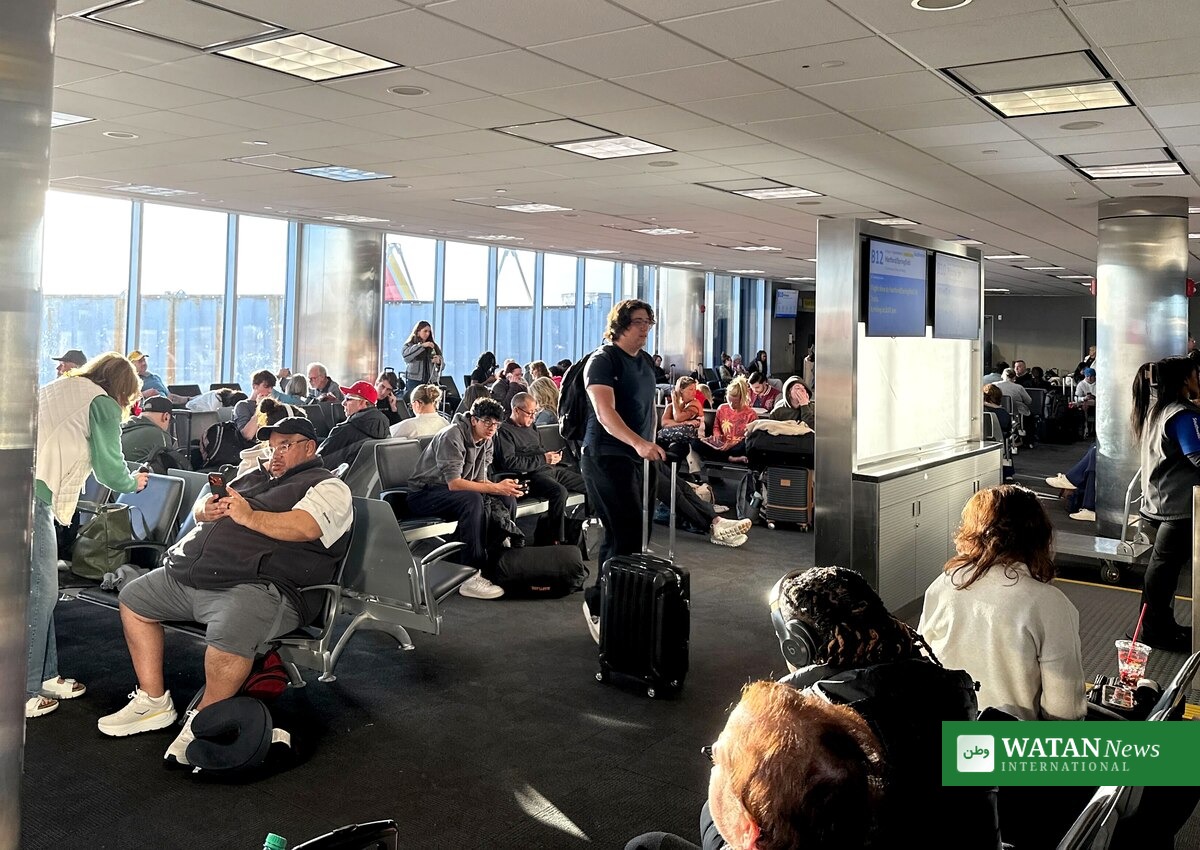
The nationwide ground stop lifted at one of the busiest moments of the travel week, with thousands of passengers stranded at airports or scrambling to find other ways home. Flights already in the air were allowed to land, while inbound international flights were handled case by case.
Transportation Secretary Sean Duffy said it would take some time to get flights back to capacity, and he gave no timetable for a full return to normal schedules. “We’re going to have some make-up to do,” he said, adding that he expected operations to be back up before the Thanksgiving travel period, which begins on 26 November.
Airlines warned that the disruption would ripple through the weekend. Aircraft and crews were left out of position, and some crews had timed out, leaving carriers to reset their schedules for Saturday and Sunday.
Outdated technology blamed for communications failure
Duffy said the FAA began identifying instability in radar and communications systems at traffic control centres at 3:36 p.m. ET. “What we have is an incredibly old air traffic control system,” he said, adding that switches and routers got “overloaded” in the system’s analog technology and began giving inconsistent data, which led the agency to shut the system down.
He warned that the disruption could be a taste of what is to come without upgrades, pointing to earlier isolated breakdowns in New York and Newark. “You will have more of these. You will have more of them, unless the American people and Congress tell us to build,” Duffy said.
President Donald Trump has declared the air traffic control failures “a national emergency”, and Duffy renewed the request for Congress to approve funding to modernise the system. Trump had asked for $30 billion; Duffy said he wanted $50 billion.
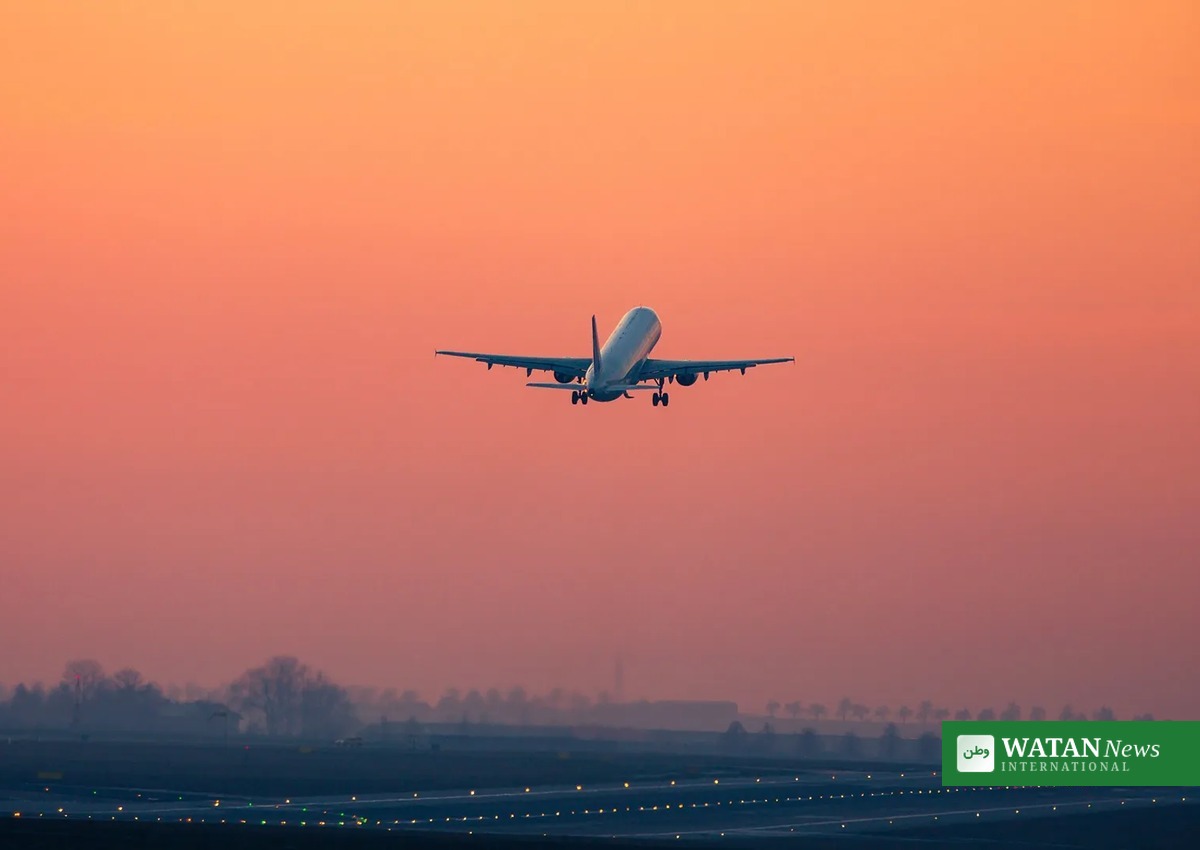
A commercial jet takes off at sunset. Flights began moving again on Friday evening, but airlines warned that schedules would take days to return to normal.
No sign of cyberattack, officials say
Homeland Security Secretary Markwayne Mullin said there was no indication that the outage was a deliberate attack. “There is no prior indication as of yet that this was a nefarious attack against us,” he said, adding that there was “zero evidence” that a cyberattack had brought the system down.
Mullin sought to reassure travellers after the stop was lifted. “The public was never at danger through this process. There (were) never any lives at risk. There was no flights at risk,” he said. “All your loved ones are safe.”
Microsoft, which suffered a separate worldwide outage on Friday, said it had “no indication that the FAA’s nationwide ground stop is related to any Microsoft services.”
Recovery will take days
More than 1.5 million passengers had been scheduled to fly in the United States from 4 p.m. ET onwards on Friday, according to aviation analytics firm Cirium. The most affected airports included Chicago O’Hare, Atlanta’s Hartsfield-Jackson and Dallas-Fort Worth, according to FlightAware.
Airlines issued flexible travel waivers, and travellers were advised to check directly with their airline before heading to the airport. U.S.-bound departures from 42 European countries had also been suspended at the FAA’s request during the stoppage.
Watan News reported earlier on Friday that the FAA had ordered the nationwide ground stop after the communications failure. Read the earlier report here: FAA orders nationwide ground stop as air traffic control communications fail.
Author

usmanch0013@gmail.com
Related Posts

COP31: Bangladesh to Restore Mangroves with Up to $30m Climate Funding as PM Pledges 250 Million Trees
- 0
- 873 words
Bangladesh has been selected for up to US$30 million in climate resilience funding under the Climate Investment Funds' ARISE programme, announced at...
Read out all
COP31: Tourism Heads to Its Thematic Day Wanting Proof, Not More Pledges
- 0
- 865 words
Tourism takes centre stage at COP31 on 18 November for its own thematic day, five years after the Glasgow Declaration — with...
Read out all
COP31 Zero Waste: UNEP Launches Critical Middle Coalition as Food and Waste Take Centre Stage
- 0
- 1,256 word
UNEP launches the Critical Middle Coalition at COP31 in Antalya on Saturday, putting food systems, circularity and zero waste at the centre...
Read out all
COP31 First Week Ends With Draft Texts, a Cover-Decision Row and Finance Pledges Down 70%
- 0
- 1,225 word
COP31's first week in Antalya ended with draft texts on most tracks, a row over the cover decision, and public climate finance...
Read out all
Tanker hits docked cruise ship in New Orleans, sending passengers into the Mississippi
- 0
- 534 words
A tanker has struck a docked river cruise ship in New Orleans, capsizing it with 129 passengers aboard and sending people into...
Read out all
FAA orders nationwide ground stop as air traffic control communications fail
- 0
- 712 words
The Federal Aviation Administration has halted all departing flights across the United States after a communications failure hit air traffic control centres,...
Read out all