- 0
- 1,225 word
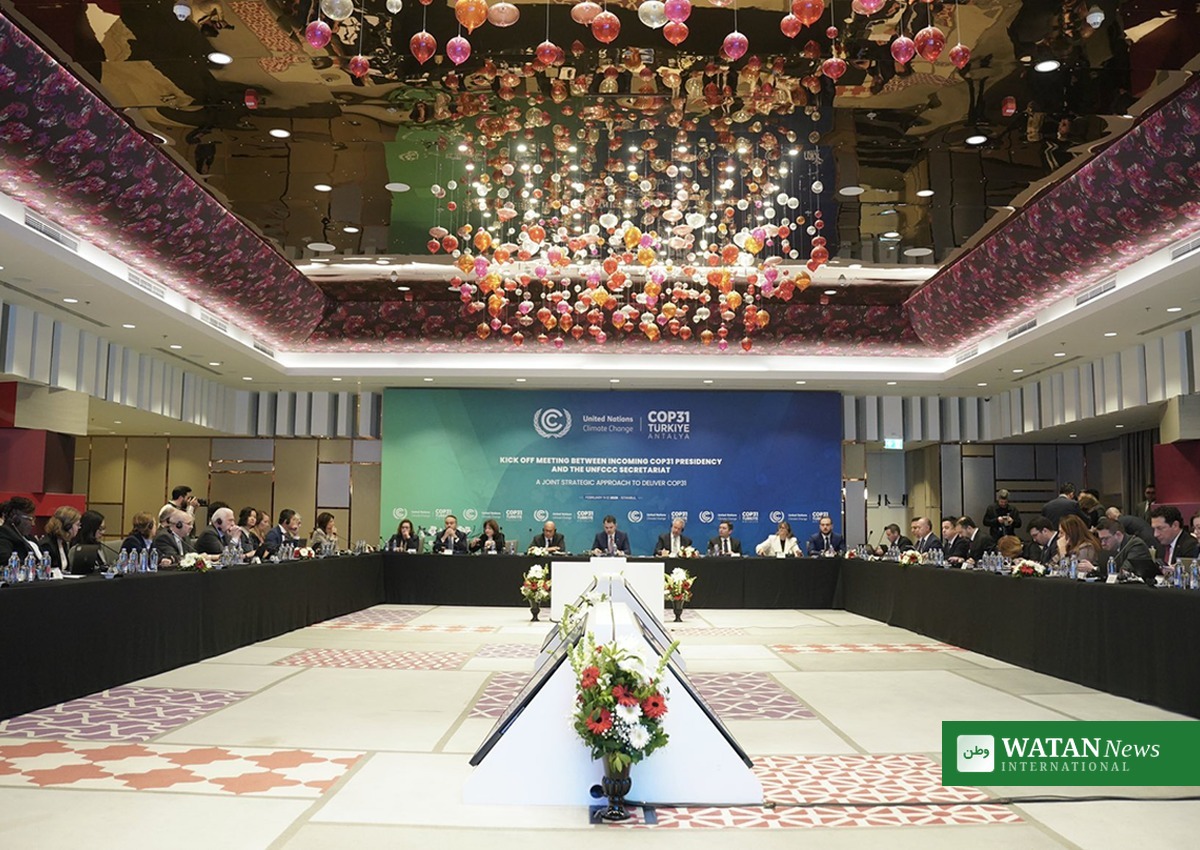
COP31’s first week in Antalya ended on Friday with draft negotiating texts on most tracks, a growing row over the summit’s overarching cover decision, and a warning that public climate finance pledges have fallen about 70 percent from 2025 levels.
Negotiators from close to 200 countries have spent the week in the Turkish resort city working through the formal agenda of the 31st UN climate conference, which runs from 9 to 20 November. The first week closed with progress on paper — but with the hardest questions, above all money, still unresolved.
Draft texts emerge, but finance talks stall
Negotiations got off to a relatively smooth start after governments avoided an “agenda fight” over what should be up for discussion, according to Carbon Brief’s weekly summary of the talks. As the first week drew to a close, draft texts had emerged from most of the negotiating tracks.
But the most contentious issues remained stalled, including the new climate finance work programme — the process meant to organise how countries discuss funding for climate action in developing countries. Talks on a just transition mechanism for workers also took shape during the week, but the details of its institutional arrangements are still unsettled.
The cover-decision row
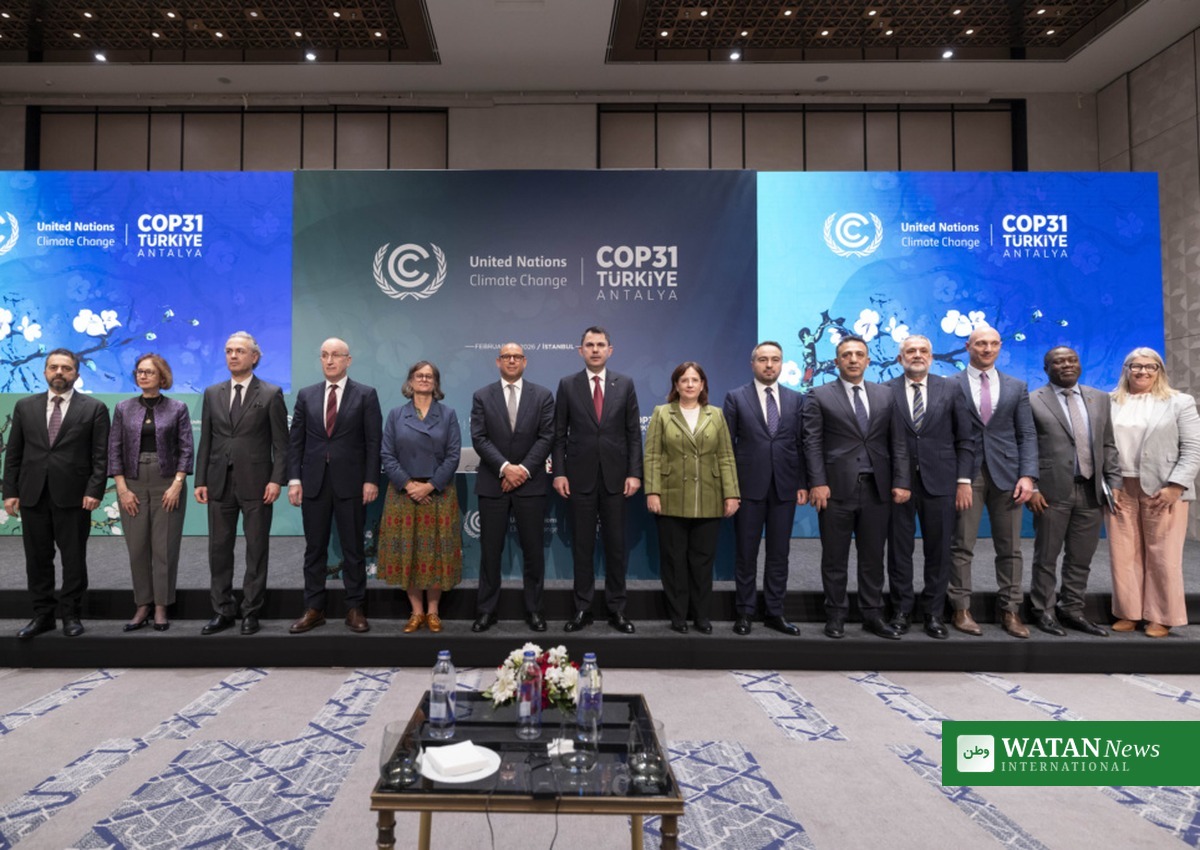
A presidency move for an overarching “cover decision” — a single political text wrapping up the summit’s outcomes — faced unprecedented procedural pushback from Russia and others, Carbon Brief reported. Talks continued after the release of an initial “reflections” text, effectively a wish list of every country’s priorities.
For now, the reflections text mentions “responding” to a 1.5C overshoot and “welcoming” the fossil-fuel and deforestation roadmaps. A draft cover decision is due early next week. Climate Change News also reported that governments were starting to narrow the options for a political decision in Antalya, while some emerging economies have questioned whether a cover decision is needed at all.
Finance pledges down about 70 percent
The sharpest warning of the week came on finance. Carbon Brief analysis shows that the amount of public climate finance pledged by developed countries in the coming years is around 70 percent lower than it was in 2025, after sweeping cuts to foreign aid by many of the biggest donors.
Barbados Prime Minister Mia Mottley cited the analysis in an address to leaders on Wednesday, telling them: “My friends, let us be clear: pledges are not payments. But even the promised pledges are now 70% below previous levels.”
The shortfall is already shaping the negotiations. The European Union and other developed countries want the new climate finance work programme to keep a broad focus, covering private-sector finance, development banks and wealthier developing countries. The G77 and China coalition wants it to focus exclusively on Article 9.1 of the Paris Agreement, which says developed countries “shall provide financial resources” to developing countries.
Some parties, notably the Like-minded Developing Countries, want a new process that holds developed countries to account, including an action plan that ratchets up finance over time and burden-sharing arrangements setting out how much each party should provide. Climate Change News also reported that Pacific nations left a COP31 pledging event for a new fund without new pledges.
Divisions over finance are already spilling into other tracks. Early text on the global goal on adaptation may or may not flesh out a target to triple adaptation finance. Ministers did sign the Antalya Statement this week, backing policy action to grow international carbon markets to $21 billion by 2035, but that is private finance — it does not replace public funding.
The week in brief
Another top priority for the joint Turkish-Australian presidency is a pledge for 35 percent of global final energy to come from electricity by 2035. Carbon Brief understands that more than 50 countries are now either firm signatories or supporters of the idea, though few have endorsed it publicly so far.
UN Secretary-General António Guterres told a gathering of around 80 world leaders that it was “make or bake time”, warning that “the brutal truth is that the climate crisis is outrunning us” and that leaders “cannot keep expanding fossil-fuel production while claiming to be committed to 1.5C”.
Newly re-elected Brazilian President Luiz Inácio Lula da Silva told the leaders’ summit that “science and multilateralism remain under attack”, while UK Prime Minister Andy Burnham — the only G7 leader to attend — said electrification is “how we make clean power cheap power”.
More than 92,000 people have registered to attend COP31, potentially making it the largest COP in history, according to Carbon Brief analysis. Around 14,000 delegates are registered as host-country guests — more than 10 times the number at COP30 in Brazil. The US government has again declined to send a delegation.
Elsewhere, Brazil’s tropical-forest fund received only $88 million in new pledges but needs to raise $2.2 billion in 49 days to meet its target for this year. The Brazilian COP30 presidency formally presented its global fossil-fuel roadmap in a packed plenary, and China has decided not to bid to host COP33.
FAKTA
- COP31 runs from 9 to 20 November 2026 in Antalya, Türkiye, with negotiators from close to 200 countries.
- Draft negotiating texts have emerged from most tracks, but the new climate finance work programme remains stalled.
- The presidency’s cover decision faced procedural pushback; an initial “reflections” text is out and a draft is due early next week.
- Public climate finance pledges are around 70 percent lower than in 2025, according to Carbon Brief analysis.
- The presidency’s electrification pledge aims for 35 percent of global final energy from electricity by 2035, with more than 50 countries signed up or supportive.
- More than 92,000 people have registered to attend, potentially the largest COP in history.
What happens next
The second week will decide whether the summit produces a substantive outcome. A draft cover decision is expected early next week, ministers will gather for a Coalition-hosted roundtable on carbon markets on Monday, 16 November, and negotiators must bridge the finance divide before the conference closes on 20 November.
Frequently asked questions
What is a COP cover decision?
A cover decision is a single overarching political text adopted at the end of a COP that wraps up the summit’s main outcomes. It sits above the individual negotiating tracks and records what governments agreed — or could not agree — across the conference.
Why have climate finance pledges fallen?
According to Carbon Brief analysis, public climate finance pledged by developed countries in the coming years is around 70 percent lower than in 2025, largely because many of the biggest donors have made sweeping cuts to foreign aid budgets. Only a few have come forward with new pledges ahead of COP31.
What is the climate finance work programme dispute about?
Governments disagree on the scope of a new work programme for climate finance. Developed countries want a broad focus covering private finance, development banks and wealthier developing countries, while the G77 and China want it to focus only on Article 9.1 of the Paris Agreement, under which developed countries “shall provide financial resources”.
What is the 35 percent electrification pledge?
It is a presidency priority for COP31 under which 35 percent of global final energy would come from electricity by 2035. Carbon Brief understands more than 50 countries are now firm signatories or supporters, though few have endorsed it publicly so far.
What happens in the second week of COP31?
Negotiators will work from the draft texts towards final decisions, a draft cover decision is due early in the week, ministers take a bigger role, and the conference is scheduled to close on 20 November 2026.
Author

usmanch0013@gmail.com
Related Posts
COP31 nul affald: UNEP lancerer Critical Middle-koalition, mens mad og affald rykker i centrum
- 0
- 1,254 word
UNEP lancerer Critical Middle-koalitionen ved COP31 i Antalya lørdag og sætter fødevaresystemer, cirkularitet og nul affald i centrum for klimahandlingen.
Read out all
کاپ31 میں زیرو ویسٹ: یو این ای پی نے کریٹیکل مڈل اتحاد کا آغاز کر دیا
یو این ای پی نے ہفتے کو انطالیہ میں کاپ31 کے دوران کریٹیکل مڈل اتحاد شروع کر دیا، جس سے خوراک کے...
Read out all
COP31 Zero Waste: UNEP Launches Critical Middle Coalition as Food and Waste Take Centre Stage
- 0
- 1,256 word
UNEP launches the Critical Middle Coalition at COP31 in Antalya on Saturday, putting food systems, circularity and zero waste at the centre...
Read out all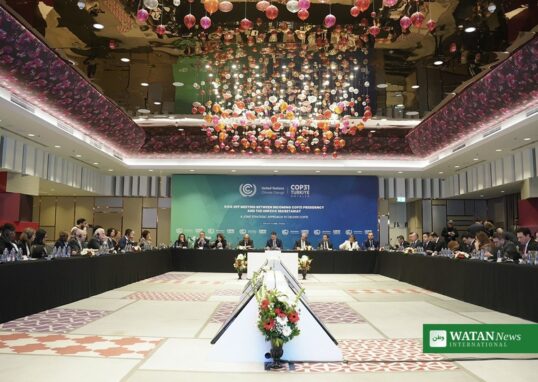
COP31’s første uge: Udkast på bordet, strid om cover-beslutning og finansløfter 70 procent lavere
- 0
- 1,313 word
COP31's første uge i Antalya sluttede med udkast på de fleste spor, strid om cover-beslutningen og offentlige klimafinansløfter omkring 70 procent lavere...
Read out all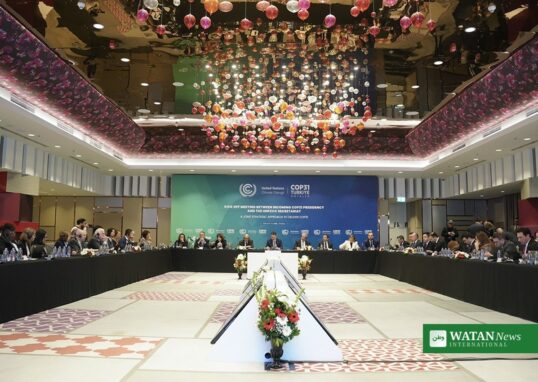
کاپ31 کا پہلا ہفتہ: مسودے سامنے آ گئے، کور فیصلے پر اختلاف، مالی وعدے 70 فیصد کم
انطالیہ میں کاپ31 کا پہلا ہفتہ مسودوں، کور فیصلے پر اختلاف اور 2025 کے مقابلے میں تقریباً 70 فیصد کم مالی وعدوں...
Read out all
Tanker hits docked cruise ship in New Orleans, sending passengers into the Mississippi
- 0
- 534 words
A tanker has struck a docked river cruise ship in New Orleans, capsizing it with 129 passengers aboard and sending people into...
Read out all