- 0
- 1,157 word
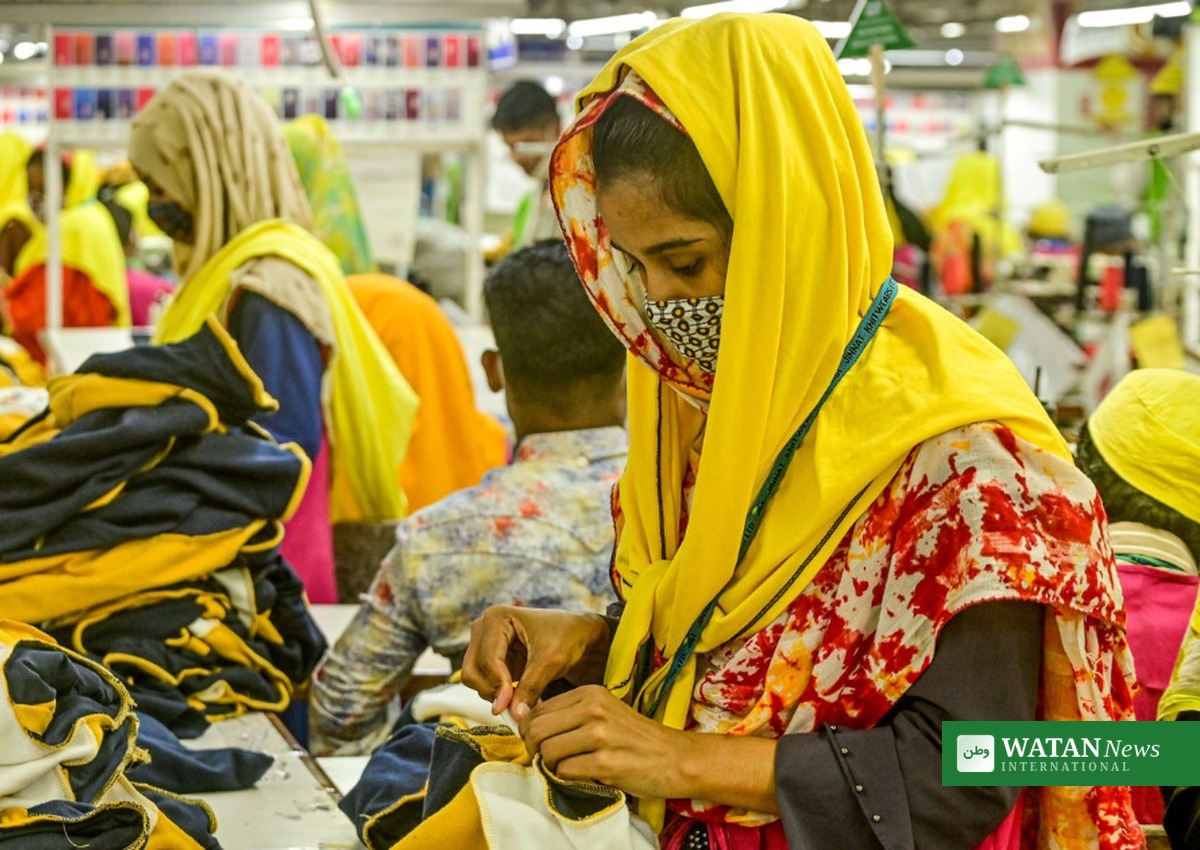
Antalya, Türkiye — A garment factory in Bangladesh has won the 2026 World Championship for Energy Savings, taking the top prize in the renovated buildings category at a ceremony held during the COP31 climate conference in Antalya on 12 November.
HAMS Garments Ltd. won the World Champion award for cutting its associated emissions by 78.1 percent, according to the competition organisers’ analysis of the factory’s submitted energy data. The award was presented at the International Sustainable Buildings Competition Awards Ceremony, held alongside the YeS Honor Awards under the COP31 Presidency.
Peter Templeton, President and CEO of the U.S. Green Building Council (USGBC), presented the award to Engr. Md. Shafiqur Rahman, Managing Director of HAMS Garments, and Ananta Ahmed, Principal LEED Consultant, LEED Accredited Professional and USGBC Faculty member, who received it on behalf of the project.
Key facts
- Winner: HAMS Garments Ltd., Bangladesh — World Champion, Renovated Building Category, World Championship for Energy Savings (WCES) 2026.
- Result: 78.1 percent reduction in associated emissions, measured from submitted energy data.
- Ceremony: International Sustainable Buildings Competition Awards Ceremony, COP31, Antalya, 12 November 2026.
- Building: An existing apparel factory of 203,030 square feet (18,861.95 square metres) with around 3,216 regular occupants.
- Certification: LEED Platinum, 108 of 110 points, under LEED v4 Operations and Maintenance: Existing Buildings.
- Payback: The improvements were implemented cost-effectively, with an investment payback period of less than three years, according to the project team.
A renovated factory, not a new building
The recognition matters because HAMS is not a new building. It is an existing garment factory that was transformed through targeted investment, effective management and operational improvements — the kind of change the championship was created to reward.
The World Championship for Energy Savings is led by Action for Market Transformation (A4MT) and was launched by the Global Alliance for Buildings and Construction (GlobalABC) at the ministerial meeting of COP30 in Belém, Brazil. It evaluates buildings on measured reductions in energy consumption, rather than design intentions, sustainability labels or projected performance.
The championship aims to accelerate the decarbonisation of the built environment in line with the Buildings Breakthrough, the Chaillot Declaration and the COP30 Action Agenda. Its annual award ceremony is held at the Conference of the Parties — at COP31 it took place alongside the YeS Honor Awards, led by GlobalABC and hosted by the COP31 Presidency. The championship’s organisers described the ceremony as proof that the Antalya Compact’s ambition goes beyond words.
How the savings were achieved
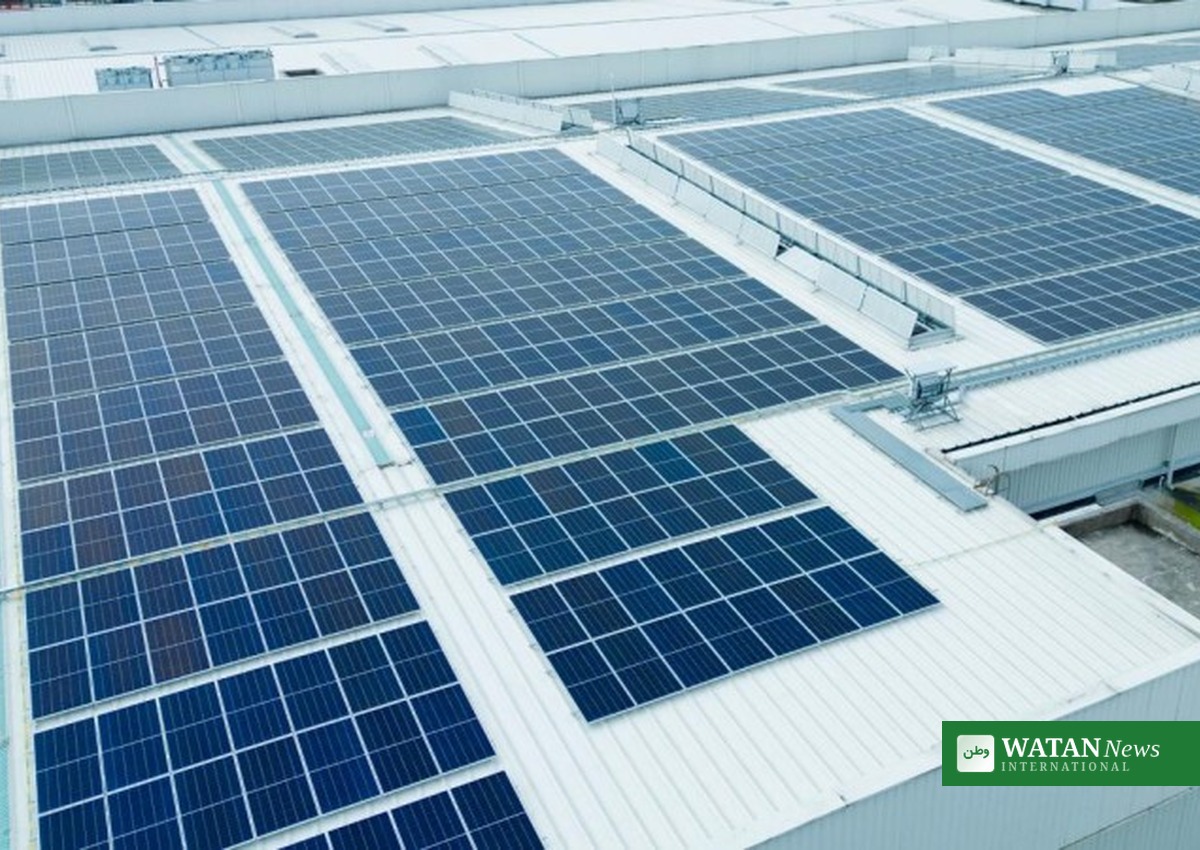
The factory recorded an overall energy saving of 75.25 percent and a renewable energy contribution of 47.36 percent. A major investment was a 550 kW on-site solar photovoltaic system, which substantially reduced dependence on grid electricity and fossil-fuel-based energy.
The transformation combined energy auditing, efficiency improvements, renewable energy, commissioning, metering, operational controls, preventive maintenance and staff engagement. Technical guidance came from 360 Total Solution Limited (360 TSL), led by Ananta Ahmed, working with HAMS management and its operations team.
The results were independently demonstrated through the building’s LEED certification. The final LEED review confirmed that HAMS earned all available points in five categories: energy and atmosphere, indoor environmental quality, sustainable sites, transportation, and materials and resources. The assessment also documented 51.69 percent lower calculated indoor water use compared with the LEED baseline.
In waste management, the factory diverted 99.33 percent of ongoing consumables waste and 96.15 percent of maintenance and renovation waste from landfill. Its assessed alternative transportation rate among employees stood at 97.86 percent. Other measures included ventilation management, air filtration, carbon dioxide monitoring, thermal comfort, improved lighting, daylight access, outdoor views and green cleaning practices.
Why buildings matter at COP31
Buildings are one of the largest sources of climate pollution: according to UNEP’s Global Alliance for Buildings and Construction, the buildings and construction sector accounts for 37 percent of global energy-related carbon dioxide emissions. Most of that footprint sits in buildings that already exist, which is why a prize for renovated buildings carries weight beyond a single factory.
The COP31 Presidency has put implementation at the centre of the Antalya conference, and the championship’s organisers thanked the Presidency team for putting buildings at the forefront of the agenda. Presenters and sponsors at the ceremony included Esther Finidori, Chief Sustainability Officer at Schneider Electric, Peter Templeton of the U.S. Green Building Council, and Frank Wolke of Germany’s Federal Ministry for the Environment, Climate Action, Nature Conservation and Nuclear Safety. Partners supporting the championship included the U.S. Green Building Council, the China Academy of Building Research, ADEME, CIBSE, CONUEE, the Regional Center for Renewable Energy and Energy Efficiency, and the Kenya Green Building Society.
What it means for Bangladesh’s garment industry
For Bangladesh’s garment industry — one of the world’s largest — the recognition provides an international example of how existing factories can reduce emissions, conserve resources and improve operational performance while maintaining commercial viability. The company was also selected among the top three projects recognised through the 2026 LEED Greenbuild programme.
According to the project team, the improvements were implemented cost-effectively, with the savings expected to recover the investment within less than three years. HAMS’ achievement highlights the potential for manufacturers to pursue measurable sustainability improvements with both environmental benefits and financial returns — a message the COP31 Presidency has been pressing throughout the conference, as Watan News reported in its coverage of COP31’s zero-waste push.
Frequently asked questions
What is the World Championship for Energy Savings?
It is a global competition led by Action for Market Transformation and launched by the Global Alliance for Buildings and Construction at COP30 in Belém. It recognises buildings that demonstrate significant, verified improvements in energy performance, judged on measured reductions in energy consumption.
What did HAMS Garments achieve?
The Bangladeshi garment factory cut its associated emissions by 78.1 percent, recorded an overall energy saving of 75.25 percent, and reached a renewable energy contribution of 47.36 percent, with a 550 kW on-site solar system. It also earned LEED Platinum certification with 108 of 110 points.
When and where was the award presented?
The award was presented at the International Sustainable Buildings Competition Awards Ceremony during COP31 in Antalya, Türkiye, on 12 November 2026, by Peter Templeton, President and CEO of the U.S. Green Building Council.
Why does a renovated building award matter?
Most buildings that will exist in 2050 already stand today, and the buildings sector accounts for 37 percent of global energy-related carbon dioxide emissions, according to UNEP’s Global Alliance for Buildings and Construction. Showing that an existing factory can cut emissions by more than three quarters proves that deep savings are possible without new construction.
Did the improvements pay for themselves?
According to the project team, yes — the investment payback period was less than three years, with the savings generated expected to recover the investment within that period.
The championship now looks ahead to its next chapter at COP32, with the organisers inviting more buildings to enter. For the garment industry, HAMS has set a benchmark: deep energy savings in an existing factory, verified by measurement, recognised on the world stage — and paid back in under three years.
Author

usmanch0013@gmail.com
Related Posts
Zelenskyy Says US Raised Ukraine NATO Membership in Exchange for Donbas Withdrawal
- 0
- 902 words
US negotiators have raised the idea of Ukraine joining NATO in exchange for Kyiv withdrawing from the eastern Donbas region, President Volodymyr...
Read out all
Bangladeshsk tøjfabrik vinder verdensmesterskab i energibesparelse ved COP31
- 0
- 1,127 word
HAMS Garments i Bangladesh har vundet verdensmesterskabet i energibesparelse 2026 med en reduktion af emissionerne på 78,1 procent. Prisen blev overrakt ved...
Read out all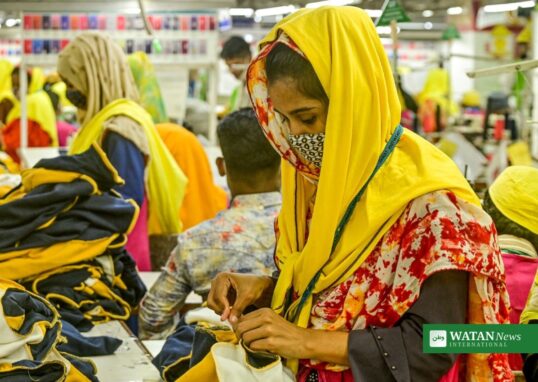
کاپ31: بنگلہ دیش کی گارمنٹس فیکٹری نے عالمی توانائی بچت چیمپئن شپ جیت لی
بنگلہ دیش کی ہیمز گارمنٹس نے انطالیہ میں کاپ31 کے دوران عالمی توانائی بچت چیمپئن شپ جیت لی — فیکٹری نے اخراج...
Read out all
Canada-US Trade Deal Moves Closer After Lengthy Carney-Trump Talks
- 0
- 493 words
Canadian Prime Minister Mark Carney says Canada and the United States are making progress towards a trade deal after lengthy talks with...
Read out all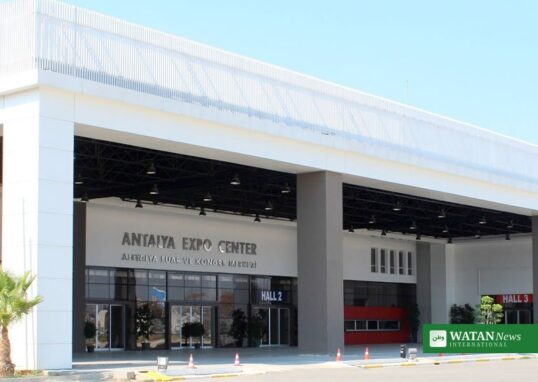
COP31’s anden uge i Antalya: Videnskab, natur og det sidste ryk — begivenhederne at holde øje med
- 0
- 1,518 word
COP31's første uge er ovre. Fra søndag vender konferencen sig mod videnskab, natur og mennesker — og senest fredag skal forhandlingerne levere....
Read out all
انطالیہ میں کاپ31 کا دوسرا ہفتہ: سائنس، فطرت اور حتمی مرحلہ — اہم تقریبات پر نظر
کاپ31 کا پہلا ہفتہ مکمل ہو گیا ہے۔ اتوار سے کانفرنس سائنس، فطرت اور عوام کی طرف مڑے گی — اور جمعے...
Read out all