- 0
- 493 words
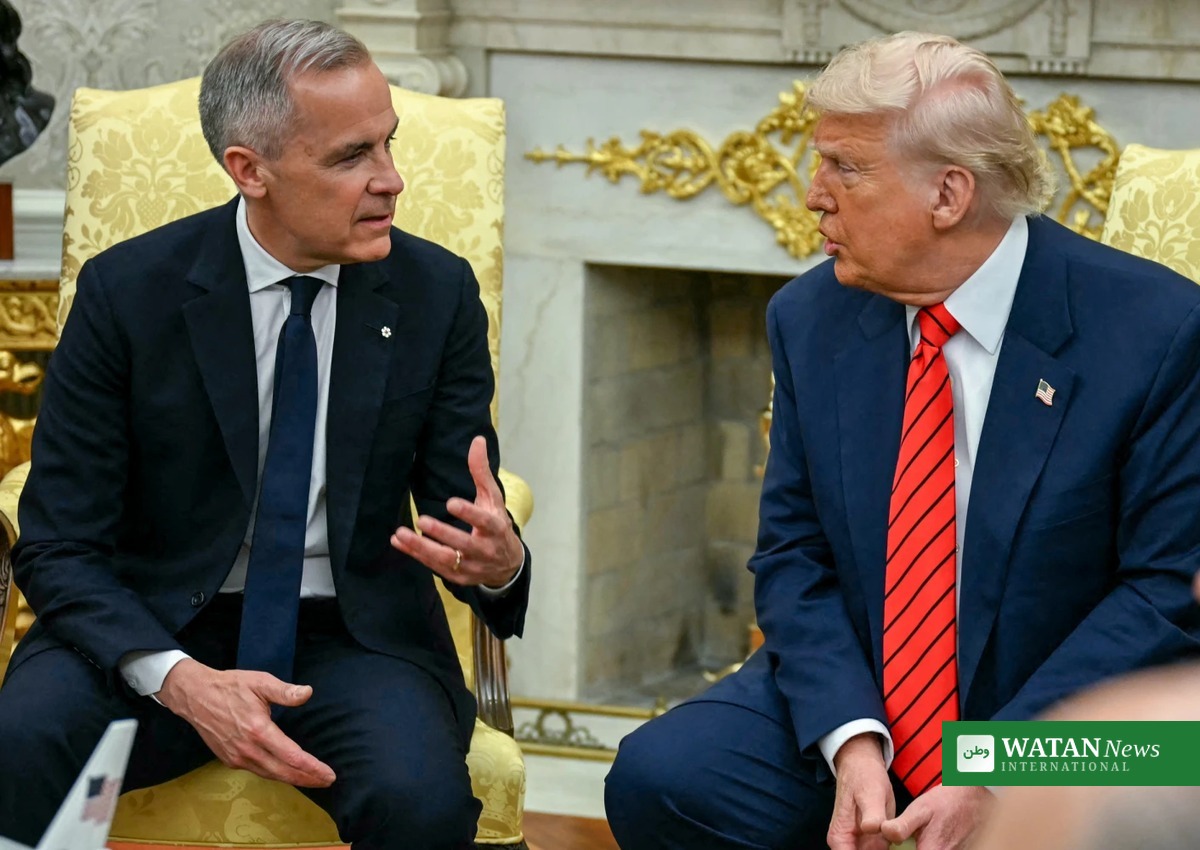
Canada and the United States are moving closer to a new trade agreement after lengthy and substantive talks between Canadian Prime Minister Mark Carney and US President Donald Trump, Carney said on Saturday. The two leaders have not yet reached a final deal, but Carney described the discussions as productive and said negotiations were heading in a positive direction. It marks a clear change of tone after talks collapsed in August, triggering months of tariffs on both sides.
FAKTA
- Prime Minister Mark Carney says Canada and the United States are making progress towards a trade deal after lengthy talks with President Donald Trump.
- Carney spoke on Saturday, 14 November 2026, during a state visit to the Philippines, alongside meetings around the 49th ASEAN Summit.
- No final agreement has been reached, and no terms or timeline have been announced.
- Talks broke down in August 2026; the US has since imposed tariffs of up to 50 percent on Canadian goods, and Canada has retaliated.
- Carney also said Canada would not walk away from NATO and that Europe’s security must be decided by a free Europe and NATO, not Russia.
Talks resume after August breakdown
Negotiations broke down in August, when the two sides could not bridge their differences over US demands. Canada suspended the talks, judging some terms unfair, and the United States imposed tariffs of up to 50 percent on billions of dollars’ worth of Canadian goods. Canada answered with retaliatory tariffs, leaving businesses on both sides facing months of uncertainty.
The tone shifted at the start of November. After a call with Carney on 1 November, Trump told reporters in Iowa that the two sides had the “concept” of a deal good for American farmers and fair for Canada. Carney called it a good conversation and said their teams would work in the coming weeks towards an agreement. Trump also raised the Keystone XL pipeline, although neither side has confirmed any final terms.
Carney said days later that Washington was now “asking less and offering more”. According to reports, US demands touching on French-language content rules and Canada’s other trade agreements are no longer on the table. The auto sector is expected to remain the hardest issue, with tariffs on vehicles and parts central to the dispute.
Carney reaffirms NATO commitment
Carney also used the visit to underline Canada’s commitment to NATO and European security. He said Canada would not abandon the alliance and stressed that the security arrangements of a free Europe should be decided by a free Europe and NATO, not by Russia.
What happens next
Neither leader has given a date for a completed agreement, and no draft text has been published. Negotiating teams will continue working in the coming weeks, and businesses and markets will watch the next round closely. A deal could bring greater certainty for exporters in both countries, but until the remaining differences are resolved, the tariff dispute remains in place.
More international coverage is available on Watan News.
Author

usmanch0013@gmail.com
Related Posts
Zelenskyy Says US Raised Ukraine NATO Membership in Exchange for Donbas Withdrawal
- 0
- 902 words
US negotiators have raised the idea of Ukraine joining NATO in exchange for Kyiv withdrawing from the eastern Donbas region, President Volodymyr...
Read out all
Bangladesh Garment Factory Wins World Energy-Saving Championship at COP31
- 0
- 1,157 word
HAMS Garments Ltd. of Bangladesh has won the 2026 World Championship for Energy Savings, cutting emissions by 78.1 percent. The award was...
Read out all
COP31 Week Two in Antalya: Science, Nature and the Final Push — the Events to Watch
- 0
- 1,502 word
COP31's first week is over. From Sunday, the conference turns to science, nature and people — and by Friday, the negotiations must...
Read out all
Quad Leaders to Meet in Manila on Tuesday in First Summit in Two Years
- 0
- 495 words
Leaders of the United States, Japan, Australia and India are expected to meet in Manila on Tuesday for the first Quad summit...
Read out all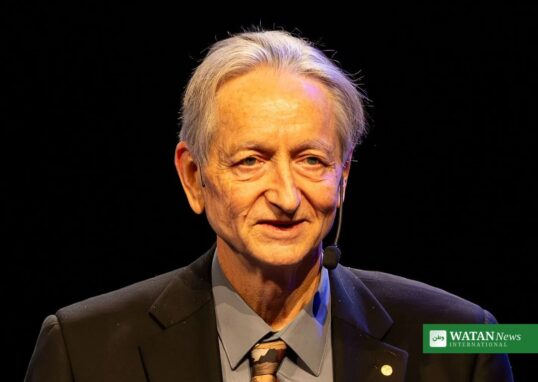
Geoffrey Hinton Warns EU Leaders AI Could Threaten Humanity Within Three Years
- 0
- 499 words
Nobel laureate Geoffrey Hinton has warned EU leaders in Dublin that super-intelligent AI could put humanity at serious risk within three years,...
Read out all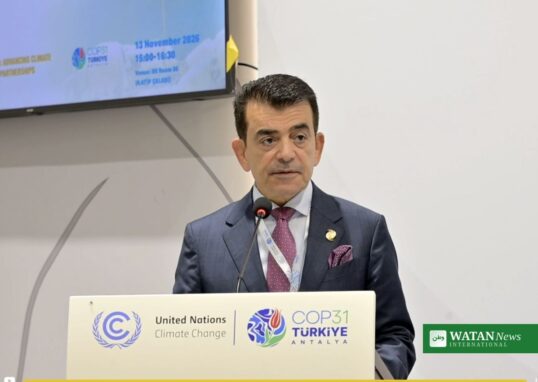
COP31: ICESCO and Pakistan Put Climate Education at the Centre with New Green Curricula Standards
- 0
- 1,437 word
At COP31 in Antalya, ICESCO and Pakistan put climate education at the centre of climate action, launching green curricula standards for the...
Read out all