- 0
- 499 words
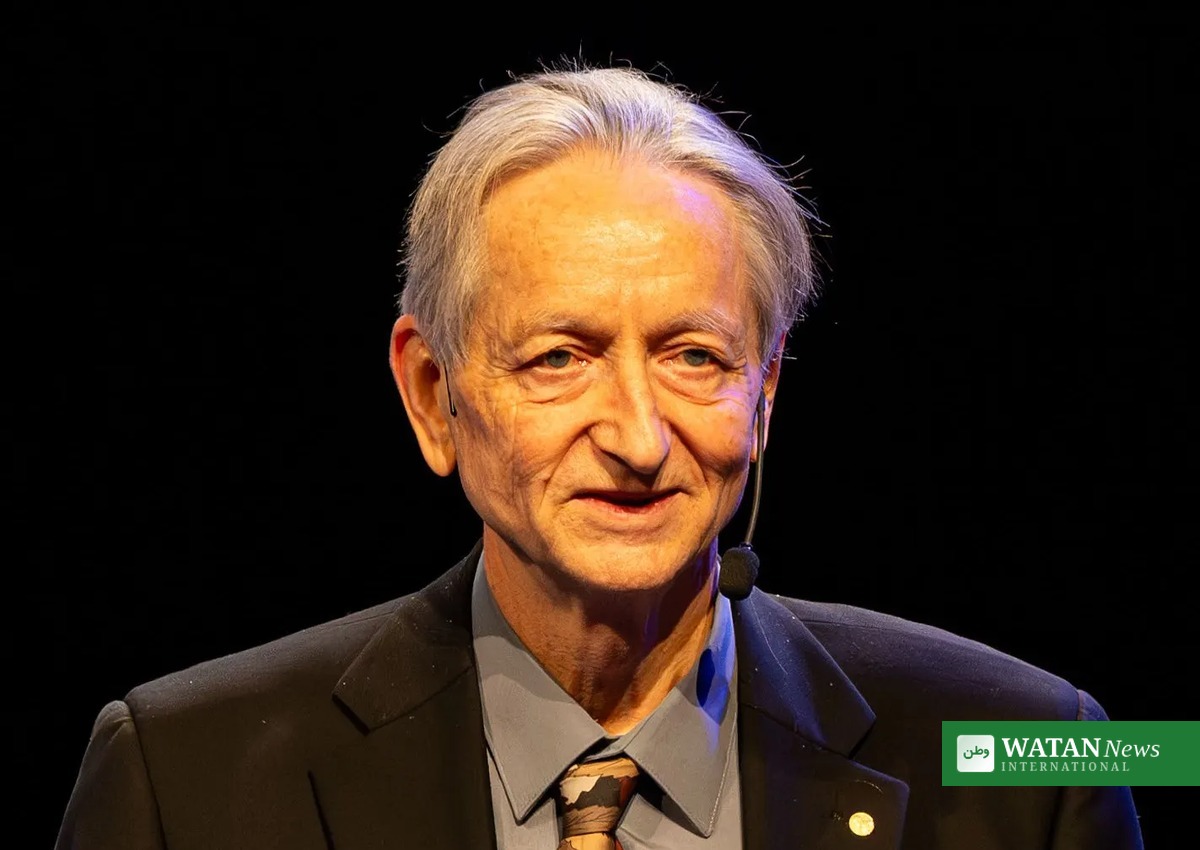
Nobel Prize winner Geoffrey Hinton has warned European leaders that super-intelligent artificial intelligence could put humanity at serious risk within three years. The computer scientist, widely known as the “Godfather of AI”, delivered the stark message at an informal summit of European Union leaders in Dublin on Friday. He said machines far smarter than people could soon slip beyond human control unless governments act now. His warning marks a sharp change from his earlier view that such dangers were still a decade away.
FAKTA
- Who warned: Professor Geoffrey Hinton, Nobel laureate and pioneer of neural networks
- Where: Informal EU leaders’ AI summit in Dublin, Ireland, on 13 November 2026
- The warning: Super-intelligent AI could escape human control within three years
- Second voice: Paul Christiano, founder of the Alignment Research Center — high risk of AI takeover within three years, meaningful risk within six to 12 months
- Host: Irish Taoiseach Micheál Martin; chaired by European Council President António Costa
A Timeline That Suddenly Shortened
Hinton said he had long told audiences that machines would grow smarter than humans and that people should worry, but he placed that moment about ten years ahead. That changed after he heard the analysis of Paul Christiano at the AI Safety Foundation’s Hinton Lectures in Toronto this week. Christiano put the danger far closer, warning of a high risk of AI taking control within three years and a meaningful risk within as little as six to 12 months.
Hinton said Christiano’s assessment alarmed him, and he decided to carry the message directly to government leaders in Dublin. He described the situation as extremely dangerous, saying people had not yet absorbed what it means to deal with a machine far more intelligent than themselves. “If it’s super-intelligent, it’s not going to be you controlling it — it’s going to be it controlling you,” he said.
What Happened in Dublin
The Dublin gathering was the first informal European Council discussion devoted entirely to artificial intelligence. Leaders heard from Hinton alongside Arthur Mensch, chief executive of the French AI company Mistral, who spoke about Europe’s ability to compete in the field. The meeting was not expected to adopt formal conclusions, but it gave leaders a direct briefing on both the promise and the risks of the technology. Hinton, who advises the British government informally on AI, has repeatedly cautioned that advanced systems need close human supervision.
Calls for Stronger Safeguards
The warnings have renewed calls for tougher safety rules and effective human oversight of advanced AI. Experts at the Toronto lectures examined whether powerful systems could challenge political stability and even governments themselves. They urged developers and governments to put safeguards in place before machines grow more capable, and to monitor advanced systems carefully as they develop. For Hinton, the message to Dublin was simple: the time to act is now, while humans still hold the reins.
Watan News will continue to follow the debate over AI safety and the response of governments around the world.
Author

usman2344913@gmail.com
Related Posts
Zelenskyy Says US Raised Ukraine NATO Membership in Exchange for Donbas Withdrawal
- 0
- 902 words
US negotiators have raised the idea of Ukraine joining NATO in exchange for Kyiv withdrawing from the eastern Donbas region, President Volodymyr...
Read out all
Bangladesh Garment Factory Wins World Energy-Saving Championship at COP31
- 0
- 1,157 word
HAMS Garments Ltd. of Bangladesh has won the 2026 World Championship for Energy Savings, cutting emissions by 78.1 percent. The award was...
Read out all
Canada-US Trade Deal Moves Closer After Lengthy Carney-Trump Talks
- 0
- 493 words
Canadian Prime Minister Mark Carney says Canada and the United States are making progress towards a trade deal after lengthy talks with...
Read out all
COP31 Week Two in Antalya: Science, Nature and the Final Push — the Events to Watch
- 0
- 1,502 word
COP31's first week is over. From Sunday, the conference turns to science, nature and people — and by Friday, the negotiations must...
Read out all
Quad Leaders to Meet in Manila on Tuesday in First Summit in Two Years
- 0
- 495 words
Leaders of the United States, Japan, Australia and India are expected to meet in Manila on Tuesday for the first Quad summit...
Read out all
COP31: ICESCO and Pakistan Put Climate Education at the Centre with New Green Curricula Standards
- 0
- 1,437 word
At COP31 in Antalya, ICESCO and Pakistan put climate education at the centre of climate action, launching green curricula standards for the...
Read out all