- 0
- 677 words
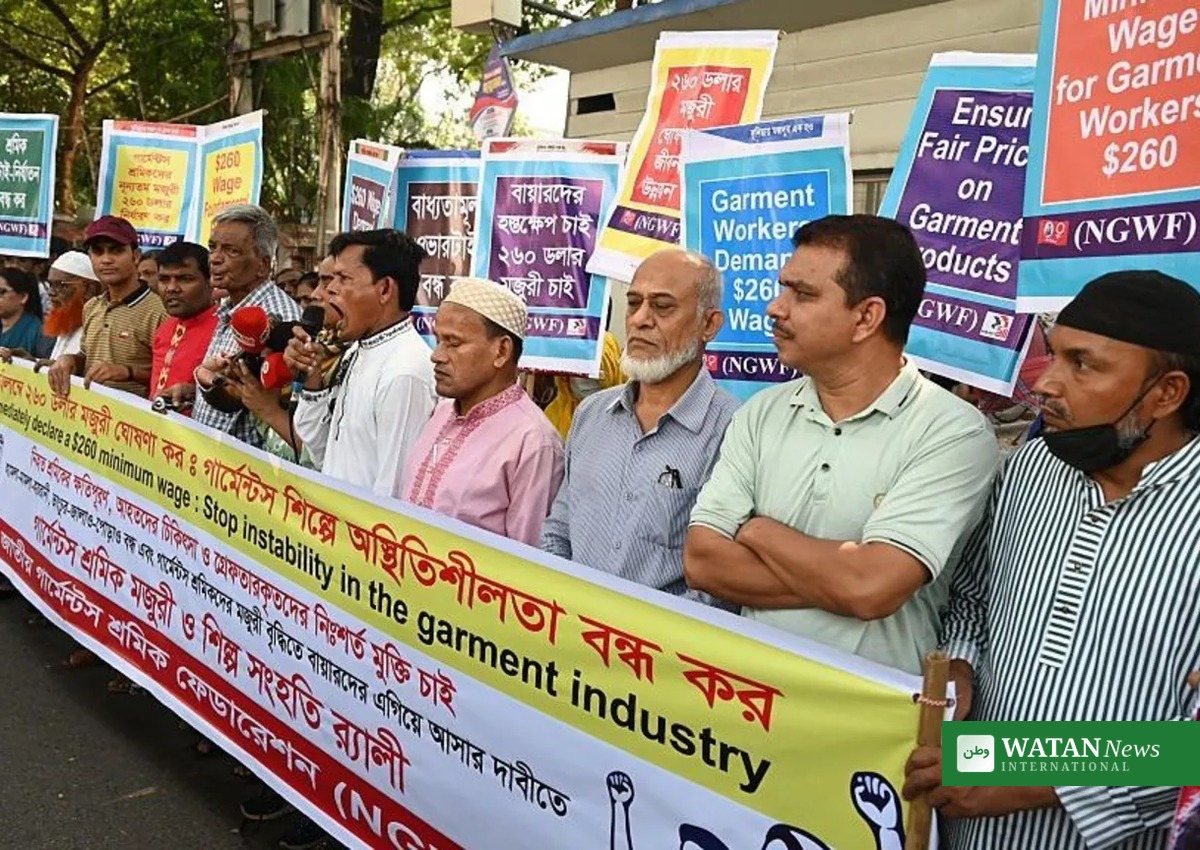
The Bangladesh garment strike has shut nearly 150 factories in the country’s main clothing hubs, as workers demanding a minimum wage of 30,000 taka a month stay away from work and factory owners warn of indefinite closures without pay.
FAKTA
- Factories shut: nearly 150 sites closed in the textile hubs of Savar, Ashulia and Gazipur this weekend
- Workers’ demand: a minimum monthly wage of 30,000 taka (£182), up from the current 12,500 taka
- Owners’ response: 55 factories declared closed indefinitely under Section 13(1) of the Labour Act – “no work, no pay”
- Workers at risk: around 300,000 could temporarily lose their livelihood if the closures spread
- Industry scale: about $40bn in exports a year, 10% of Bangladesh’s GDP, and around four million workers
Closures spread across three hubs
Production remained suspended on Saturday at 147 garment factories in Savar, Ashulia and Gazipur, after workers did not report for duty or owners feared vandalism, according to the Bangladesh Garment Manufacturers and Exporters Association (BGMEA). Owners have so far declared 55 factories closed indefinitely under Section 13(1) of the Bangladesh Labour Act 2006, which allows employers to shut a factory during an illegal strike and withhold wages for the closure.
BGMEA President Mahmud Hasan Khan said factories in the affected areas that cannot continue production “will remain indefinitely closed” from Sunday. The association and the Bangladesh Knitwear Manufacturers and Exporters Association (BKMEA) have called for protection for factories, and questioned whether they can keep taking part in wage-board talks without an assurance that factories will be protected.
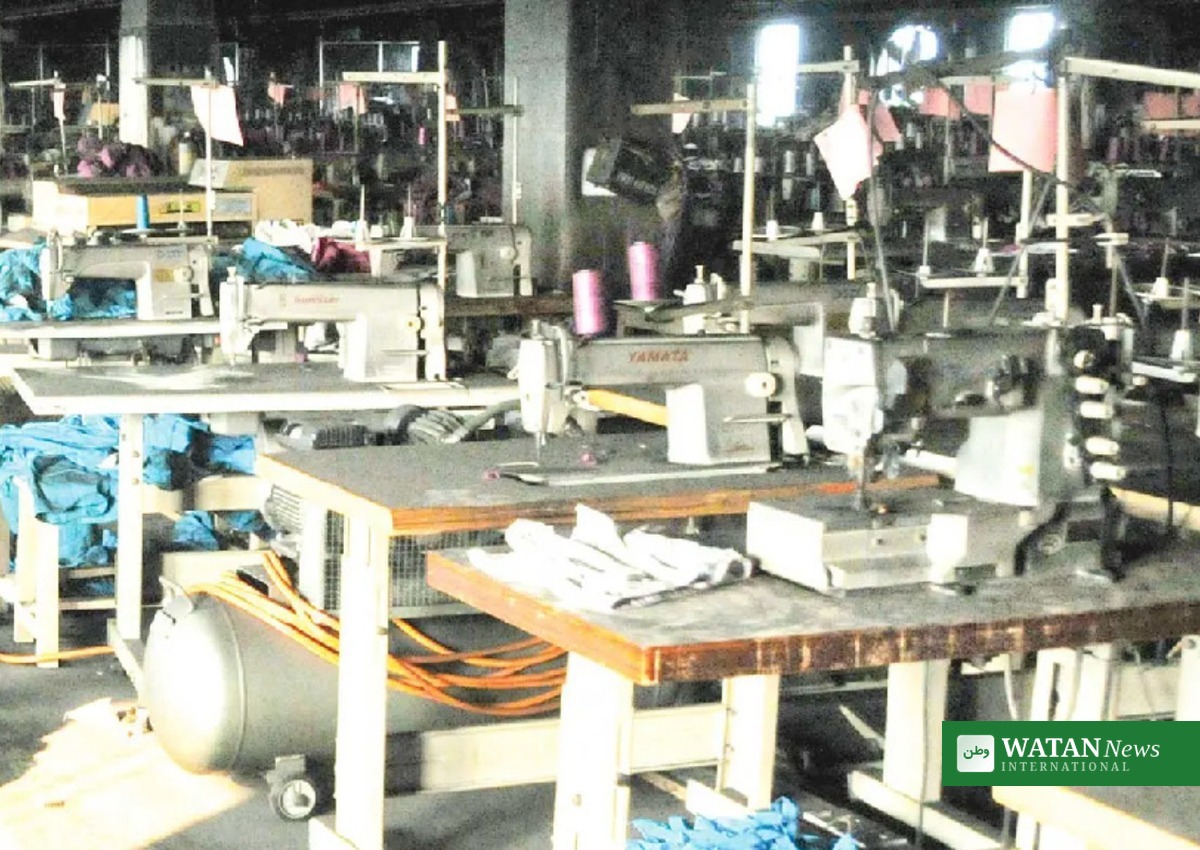
Idle sewing machines in a garment factory in Bangladesh. Owners say factories that cannot keep production going will stay shut indefinitely.
The wage gap at the heart of the Bangladesh garment strike
Garment workers have been protesting since mid-October, demanding a minimum monthly wage of 30,000 taka. The current minimum, set in 2023, is 12,500 taka, and workers say it is no longer enough to deal with the cost of living. At the latest meeting of the government’s minimum wage board on 9 November, the workers’ representative proposed 32,000 taka a month.
Factory owners have yet to table their figure. BGMEA leaders, speaking anonymously, told The Business Standard that the consensus at an internal meeting was that a minimum wage above 14,000 taka would be unsustainable for the industry, though some owners were willing to offer more. The BGMEA is due to submit its proposal at the wage board meeting on Monday, 16 November.
Joly Talukder, vice president of the Garment Workers Trade Union Centre, told the BBC that “workers have carried the costs for years” while factory owners and global retailers profit from their exploitation. “They are asking for a wage they can survive on. How can any person of conscience stand against such a basic human demand?” she said.
Highway blocked and shipments at risk
Over the weekend, workers blocked the Dhaka-Tangail highway in Gazipur. On Sunday morning they massed on the road and stopped traffic for about an hour before police stepped in, and a similar blockade on Saturday followed rumours that a worker injured in a clash with police on Thursday had died.
Owners fear missed shipment deadlines as some factories have been unable to operate for nearly two weeks. One buyer has asked a factory owner to ship some products by air and defer other shipments until next year, and air freight can cost around 13 times as much as the usual shipping method. The industry makes clothes for big brands including H&M, Primark and Zara, and Bangladesh is the world’s second-largest exporter of ready-to-wear clothes after China, so a long stoppage could have a knock-on effect for international buyers.
What happens next
The government formed a minimum wage board on 1 November to recommend a revised pay structure. The board, chaired by a senior district judge, said at its first meeting it would finalise its recommendations by the end of November, and the new structure is expected to take effect from 1 December. Whether the BGMEA takes part in further meetings will depend on how the situation on the ground develops.
Bangladesh garment strike: factories shut as wage talks continue – follow the latest on Watan News.
Author

usmanch0013@gmail.com
Related Posts
COP31 Puts Climate Awareness on Centre Stage with Today’s ACE Event on Education and Youth
- 0
- 1,140 word
COP31 hosts its flagship climate-awareness event in Antalya today, 16 November, bringing education, public awareness and young people into the heart of...
Read out all
COP31 Youth Demand Decision-Making Power, Not Token Seats at the Table
- 0
- 1,314 word
Youth leaders from 15 countries told COP31 in Antalya they want decision-making power, not token representation — six demands for permanent youth...
Read out all
Miguel Ángel Félix Gallardo, Founder of Mexico’s Guadalajara Cartel, Dies at 80
- 0
- 631 words
Miguel Ángel Félix Gallardo, founder of Mexico's Guadalajara cartel and the man known as the “boss of bosses”, has died in hospital...
Read out all
COP31 Sets 20% Electric Goal for Shipping by 2035 as 30+ Maritime Groups Back Breakthrough
- 0
- 1,453 word
At COP31 in Antalya, the Environmental Defense Fund and RMI launched a goal for electricity to supply at least 20% of international...
Read out all
Cape Verde’s José Maria Neves Wins Re-election as President
- 0
- 484 words
Cape Verde's President José Maria Neves has won re-election with 63.8 per cent of the vote, according to provisional results from the...
Read out all
Indonesia Launches Forest Carbon Trading Across 38.6 Million Hectares at COP31
- 0
- 1,656 word
At COP31 in Antalya, Indonesia launched a provincial forest carbon trading programme covering 38.6 million hectares, won a $100 million results-based payment...
Read out all