- 0
- 631 words
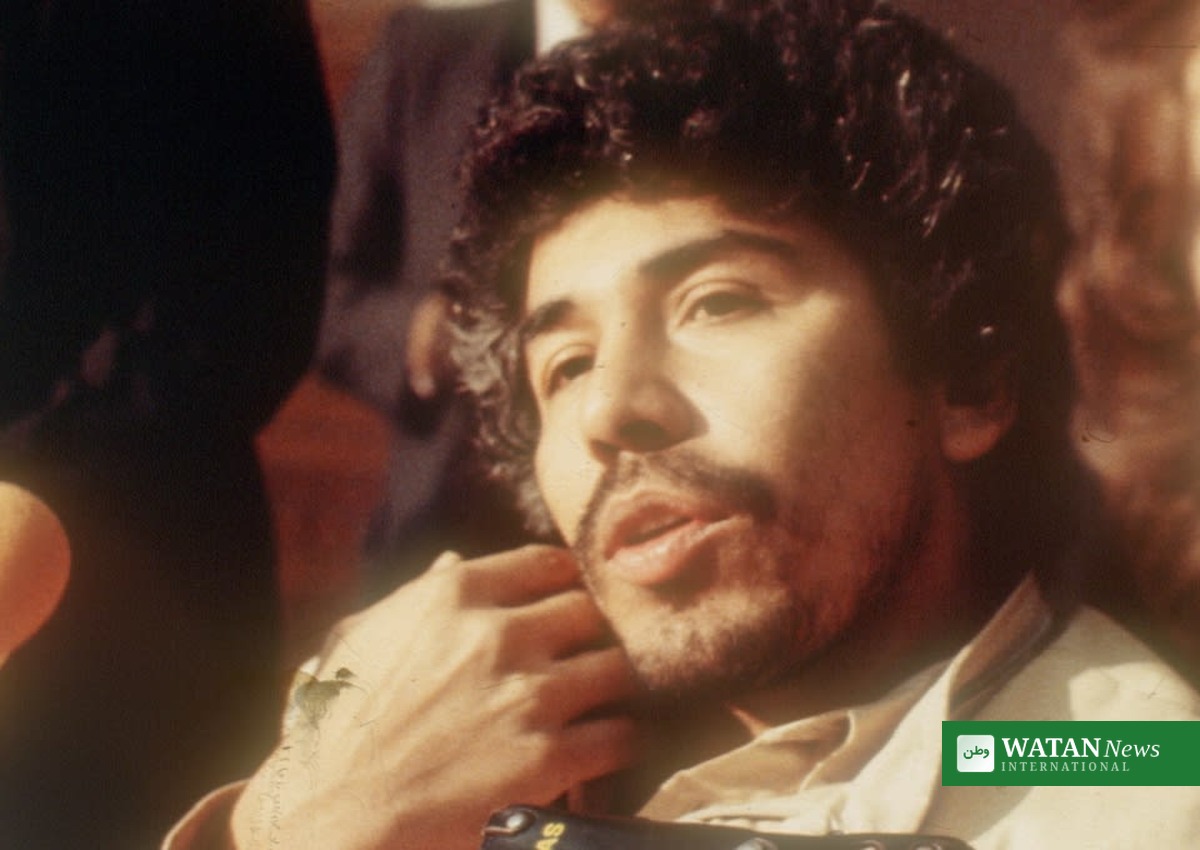
Miguel Ángel Félix Gallardo dies at 80, closing the life of the man who built Mexico’s first great drug cartel and spent the last 37 years of his life in prison. The founder of the Guadalajara cartel died in hospital in Guadalajara on Sunday after suffering multiple organ failure, local security authorities said.
FAKTA
- Died: Sunday 15 November 2026, aged 80, in a private hospital in Guadalajara, Jalisco state
- Cause of death: multiple organ failure, two days after he was transferred from prison for emergency treatment
- Known as: “the boss of bosses”, founder of the Guadalajara cartel
- In custody since: his arrest in 1989
- Convicted: over the 1985 kidnapping and murder of US Drug Enforcement Administration agent Enrique “Kiki” Camarena
- Born: 1946 in Culiacán, Sinaloa
Felix Gallardo dies in hospital after prison transfer
Local security authorities said Félix Gallardo was transferred to a private hospital in the western city of Guadalajara two days before his death, and died at around 2 p.m. local time on Sunday. He had suffered from several health issues in recent years, and his lawyers had repeatedly sought house arrest on the grounds of his deteriorating health.
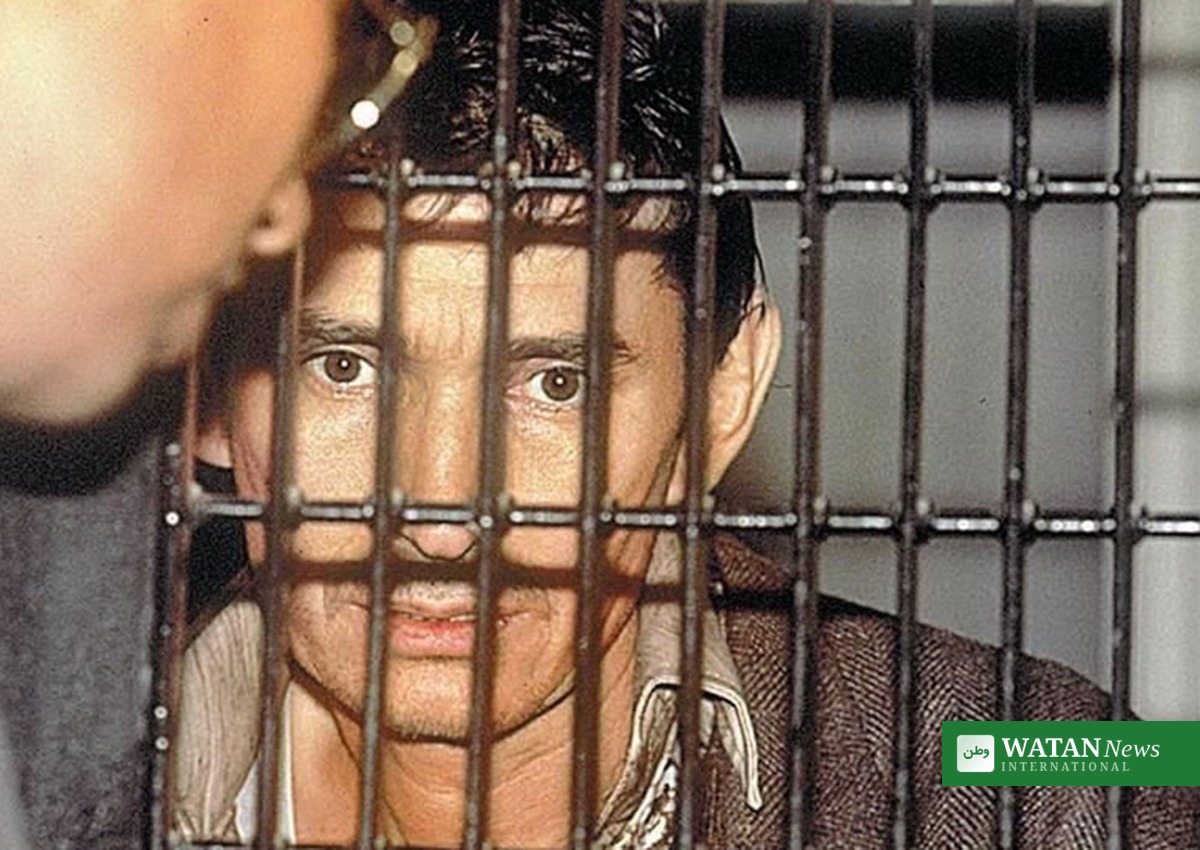
He had been an inmate in a maximum-security prison in western Jalisco state since his arrest in 1989. In his final years he was blind in one eye, practically deaf and unable to walk on his own, according to a prison interview he gave to the Spanish-language US network Telemundo in 2021. He maintained his innocence until the end.
The ‘boss of bosses’ who built the Guadalajara cartel
Born in 1946 in Culiacán, Sinaloa, Félix Gallardo worked as a police officer and bodyguard for a local governor before becoming a criminal capo known as the “boss of bosses”. Rising to prominence in the 1970s, he became an architect of Mexico’s modern drug trade.
Together with fellow kingpins Rafael Caro Quintero and Ernesto Fonseca Carrillo, known as “Don Neto”, he set up the cartel in Guadalajara, the Jalisco state capital. It became the first organisation to move cocaine to the United States on a massive scale, and forged an alliance with Colombian drug barons, including Pablo Escobar’s Medellín cartel.
His narcotics empire expanded through the 1970s and 1980s with bribes that won protection from corrupt officials and innovations such as using light aircraft to move drugs across the continent. His rise ignited a series of turf wars that have led to hundreds of thousands of deaths and disappearances in the decades since.
The Camarena murder and the fall
Félix Gallardo was arrested in 1989 and sentenced to 40 years in prison on drug-trafficking and weapons charges tied to the Guadalajara cartel. While already behind bars, he faced a separate prosecution over the 1985 kidnapping and murder of DEA agent Enrique “Kiki” Camarena and Mexican pilot Alfredo Zavala Avelar.
Camarena’s killing caused a diplomatic dispute with Washington, which pressed Mexico hard to arrest those involved. In 2017, a federal court found Félix Gallardo guilty in that case and imposed a further 37-year sentence. He denied responsibility for the killings, telling Telemundo: “Thirty-two years have passed… That’s an eternity for a man who did not commit any crime.”
Final years behind bars
The organisation he built later fragmented into rival groups, and the networks he created fed into the cartels that followed, including the Sinaloa cartel. His rise and fall was portrayed on screen by Mexican actor Diego Luna in the 2018 hit Netflix series “Narcos: Mexico”.
His death comes as Mexico continues to count the cost of the drug war his empire helped to start. A day earlier, a Mexican journalist was found dead in Acapulco, in a country where reporters covering crime and security still face deadly risks.
Author

usmanch0013@gmail.com
Related Posts

COP31 Youth Demand Decision-Making Power, Not Token Seats at the Table
- 0
- 1,314 word
Youth leaders from 15 countries told COP31 in Antalya they want decision-making power, not token representation — six demands for permanent youth...
Read out all
COP31 Sets 20% Electric Goal for Shipping by 2035 as 30+ Maritime Groups Back Breakthrough
- 0
- 1,453 word
At COP31 in Antalya, the Environmental Defense Fund and RMI launched a goal for electricity to supply at least 20% of international...
Read out all
Cape Verde’s José Maria Neves Wins Re-election as President
- 0
- 484 words
Cape Verde's President José Maria Neves has won re-election with 63.8 per cent of the vote, according to provisional results from the...
Read out all
Indonesia Launches Forest Carbon Trading Across 38.6 Million Hectares at COP31
- 0
- 1,656 word
At COP31 in Antalya, Indonesia launched a provincial forest carbon trading programme covering 38.6 million hectares, won a $100 million results-based payment...
Read out all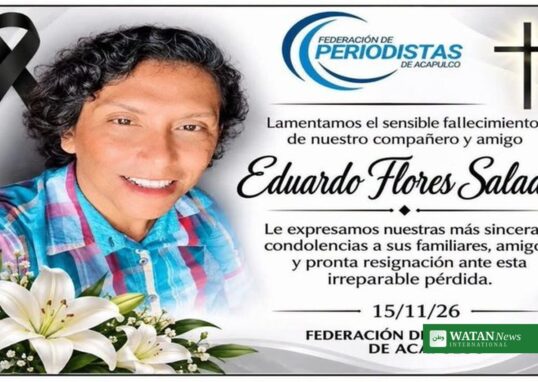
Mexican Journalist Eduardo Flores Salado Found Dead in Acapulco
- 0
- 694 words
Mexican journalist Eduardo Flores Salado was found dead on the outskirts of Acapulco on Saturday night. State prosecutors have opened a murder...
Read out all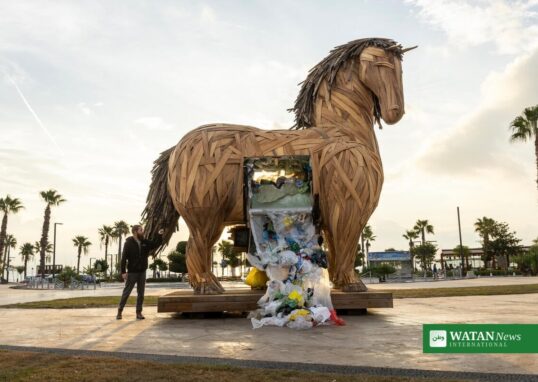
COP31: Greenpeace Trojan Horse Puts Plastics Treaty Back on the Agenda as Final Talks Near
- 0
- 1,367 word
A six-metre wooden Trojan Horse spilling plastic waste stood in Konyaalti, Antalya, on 13 November as Greenpeace pressed COP31 for a strong...
Read out all