- 0
- 579 words
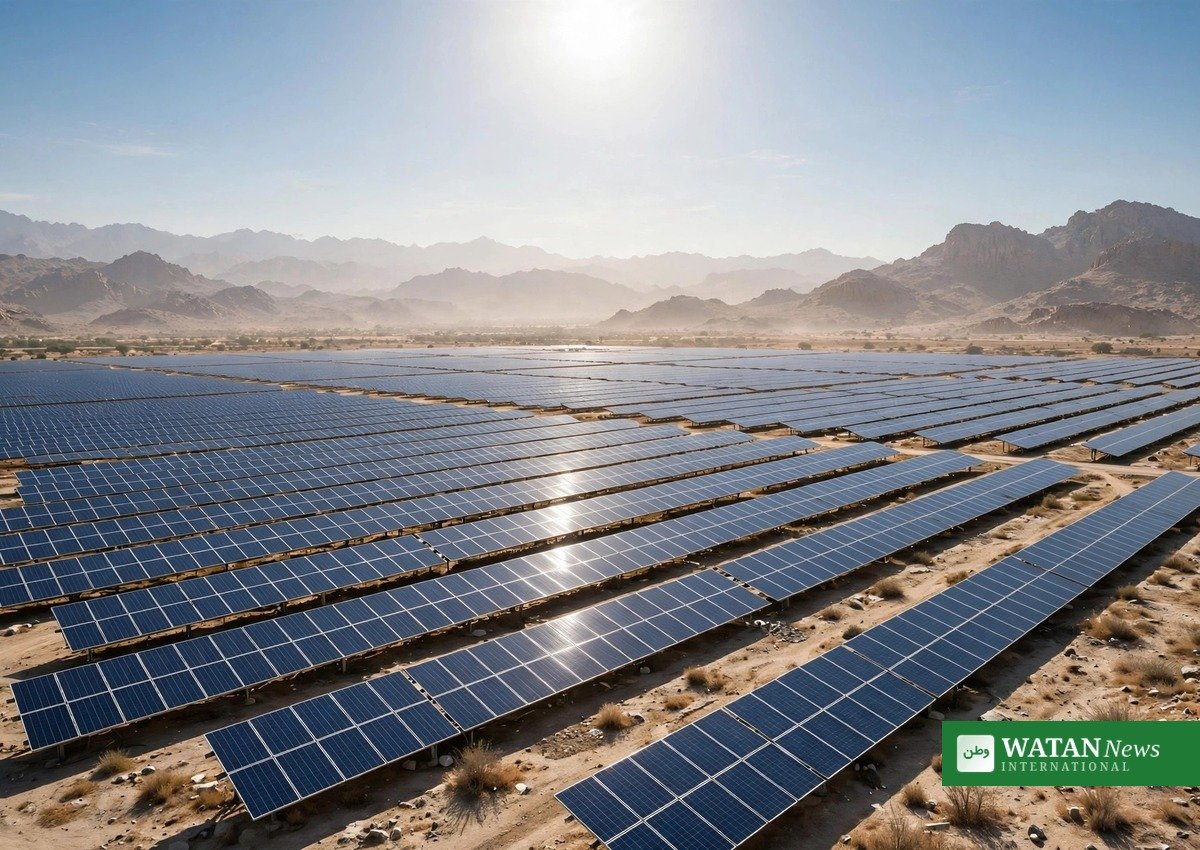
KARACHI — Pakistan’s energy transformation has gathered remarkable momentum in recent years, as the country’s renewable energy sector — led by a record-breaking rooftop solar boom — rewrites the rules of its power economy. Around 34 gigawatts of solar capacity has entered the system, cutting LNG imports and lifting clean energy to more than half of the country’s total generation in 2025, according to industry and think-tank reporting.
The transformation is market-driven as much as policy-driven. Solar has become the cheapest electricity option for households and factories, with payback periods as short as 3–6 years when combined with storage. Clean energy now supplies more than 42 percent of grid-connected capacity and over 50 percent of total generation in 2025.
FAKTA
- Pakistan’s solar boom reached around 34 GW of capacity, cutting LNG demand and reshaping the energy mix (source: greentechlead).
- Clean energy made up more than 42% of grid-connected capacity and over 50% of total generation in 2025, according to IEEFA reporting carried by Microgrid Media.
- The government’s Alternative and Renewable Energy Policy (2019) targets 20% renewables by 2025 and 30% by 2030 (excluding large hydro).
- The long-term 30:30:30:10 mix envisaged for 2030: 30% wind and solar, 30% hydropower, 30% thermal and 10% nuclear.
- In 2019 the baseline was modest: around 1.2 GW of wind and 1.3 GW of solar; solar with storage now pays back in 3–6 years.
- Authorities have proposed cutting the net-metering buyback rate from Rs 27 to Rs 10 per kWh, sparking industry debate.
Pakistan’s renewable energy boom
Pakistan’s transformation began from a modest base: around 1.2 GW of wind and 1.3 GW of solar in 2019. The jump to roughly 34 GW of solar came as cheap panel imports, expensive grid electricity and unreliable supply pushed households and industry toward self-generation. Hydro’s balancing act is part of the same story: flexible hydropower has been used to balance variable renewables, ramping output from about 1,800 MW in low-demand hours to 4,100 MW at peak.

Policy targets: 30 percent by 2030
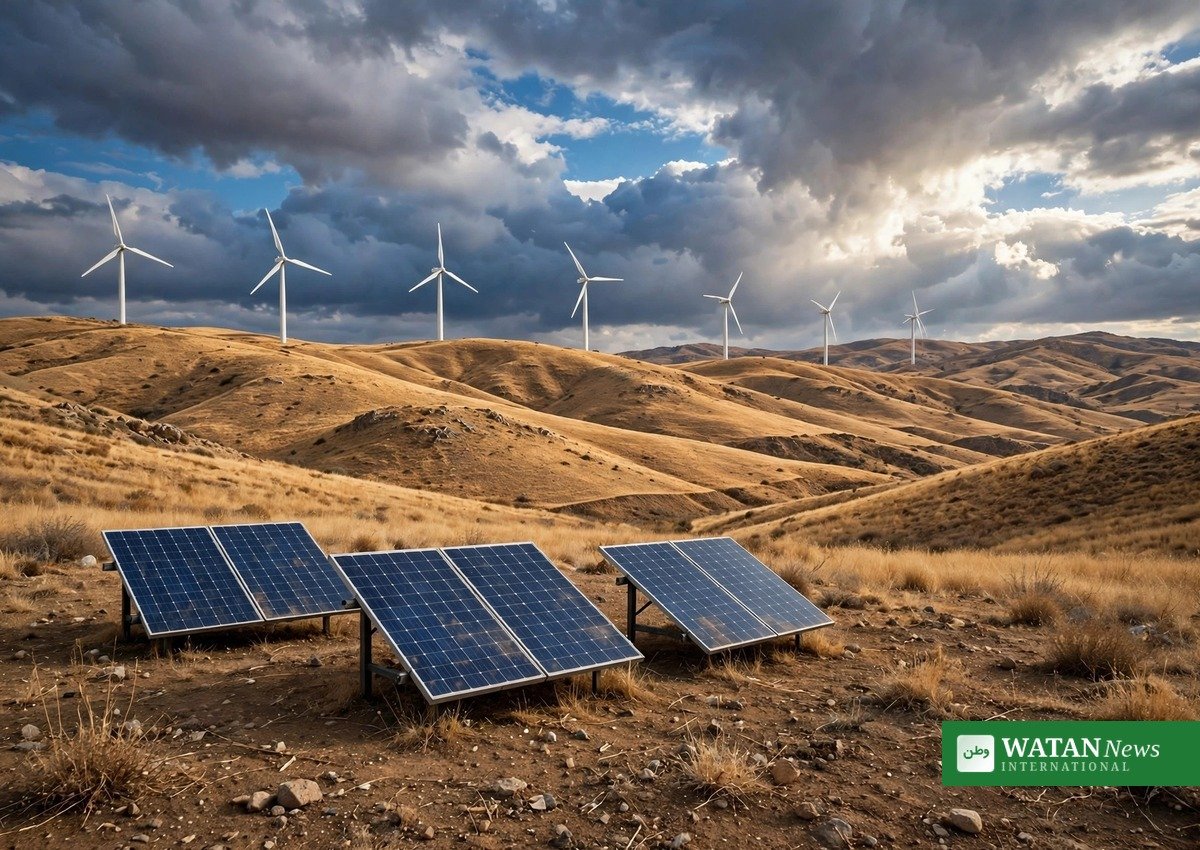
The government’s Alternative and Renewable Energy Policy (2019) set targets of 20 percent renewables by 2025 and 30 percent by 2030 (excluding large hydropower). The longer-term 30:30:30:10 mix envisaged for 2030 — 30 percent wind and solar, 30 percent hydropower, 30 percent thermal and 10 percent nuclear — frames the country’s transition to 60 percent clean energy by 2030.
Policymakers are now adjusting the incentive framework, with a proposal to reduce the net-metering buyback rate from Rs 27 to Rs 10 per kWh — a move that has divided installers, consumers and utilities over the future pace of rooftop adoption. Read our continuing energy coverage on the main Watan News site.
Why it matters
Pakistan imports the overwhelming majority of its fuel for thermal power — close to 90 percent — leaving the economy exposed to fuel-price shocks. The solar boom is therefore both a climate story and a balance-of-payments story: every kilowatt-hour generated from the sun is one less kilowatt-hour of imported fuel. If the country holds its course toward 60 percent clean energy by 2030, its power sector could become one of the developing world’s most rapid energy transitions.
FAQ
What is Pakistan’s renewable energy target?
Under the Alternative and Renewable Energy Policy 2019, Pakistan targets 20 percent renewables by 2025 and 30 percent by 2030, excluding large hydropower. Clean energy is targeted at 60 percent of the mix by 2030.
What is driving the solar boom?
Cheap imported panels, expensive and unreliable grid electricity, and payback periods of just 3–6 years for solar with storage have made self-generation the cheapest option for many households and businesses.
Author

usmanjaved13132@gmail.com
Related Posts
Vestaustralien passerer 5,73 milliarder returnerede beholdere på seks år
- 0
- 696 words
Vestaustraliens pantordning Containers for Change har passeret 5,73 milliarder returnerede beholdere siden oktober 2020 og har genereret mere end 22,26 millioner dollar...
Read out all
مغربی آسٹریلیا میں چھ سال میں 5.73 ارب کنٹینر واپس کیے گئے
مغربی آسٹریلیا کی کنٹینر ڈپازٹ اسکیم کنٹینرز فار چینج کے تحت اکتوبر 2020 سے اب تک 5.73 ارب سے زیادہ کنٹینر واپس...
Read out all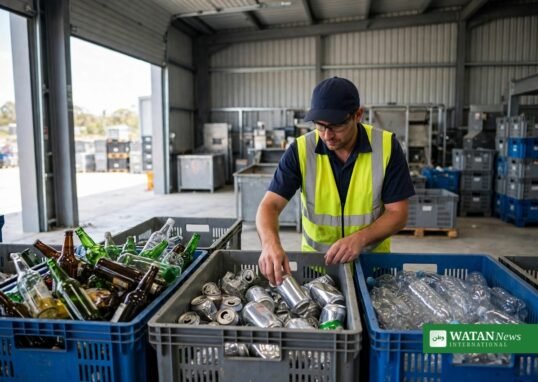
Western Australia Passes 5.73 Billion Containers Returned in Six Years
- 0
- 694 words
Western Australia's Containers for Change scheme has passed 5.73 billion containers returned since October 2020, generating more than $22.26 million in donations...
Read out all
Indien fremlægger COP31-prioriteter: Forudsigelig klimafinansiering, ingen nye topstyrede mål
- 0
- 743 words
Indien har fremlagt sine forhandlingsprioriteter for COP31 i Antalya med forudsigelig, offentlig og koncessionel klimafinansiering i centrum og krav om, at modvirkning...
Read out all
بھارت نے کاپ31 کے لیے ترجیحات پیش کر دیں: قابل پیش گوئی موسمیاتی مالیات، نئے اوپری اہداف نہیں
بھارت نے انطالیہ میں ہونے والی کاپ31 کے لیے اپنی مذاکراتی ترجیحات پیش کر دی ہیں، جن میں قابل پیش گوئی، عوامی...
Read out all
India Sets Out COP31 Priorities: Predictable Climate Finance, Not New Top-Down Targets
- 0
- 757 words
India has set out its negotiating priorities for COP31 in Antalya, putting predictable, public and concessional climate finance first and insisting that...
Read out all