- 0
- 1,402 word
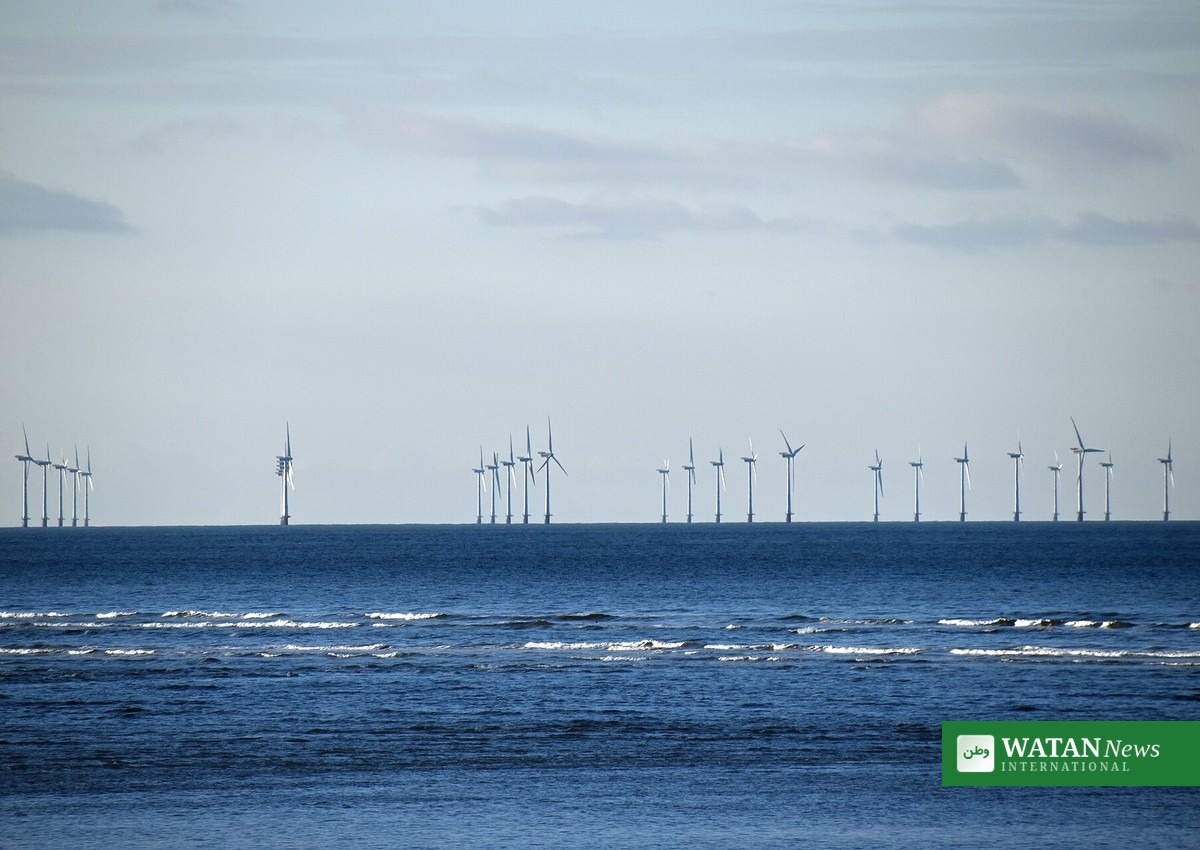
ANTALYA — Eleven countries have announced national roadmaps to move away from fossil fuels at COP31 in Antalya, in the clearest sign yet that the COP28 promise to transition away from fossil fuels is turning into national plans. Denmark led the announcements at a ministerial press conference on Tuesday, unveiling a roadmap that aims to cut the country’s fossil fuel use by 85% by 2035.
The announcements came at an event titled “Denmark: Ministerial Press Conference on Divesting Away from Fossil Fuels”, held on Tuesday 17 November in the second week of the talks. Spain, Portugal, Luxembourg and Ireland said they will publish their own roadmaps, while Vanuatu, the Marshall Islands and Tuvalu are working on a Pacific roadmap. France, Germany, Finland and the Netherlands had announced roadmaps earlier, bringing the total number of countries working on such plans to eleven, according to the organisers.
Denmark’s roadmap: the details
Denmark’s plan, presented by Samira Nawa, the Danish Minister for Climate, Energy and Utilities, aims to cut fossil fuel use by 85% by 2035, end coal production by 2028, eliminate fossil fuel subsidies by 2030, and end oil and gas production by 2050. It also includes what Nawa called “a brand new halt to new oil and gas heating installations in homes”.
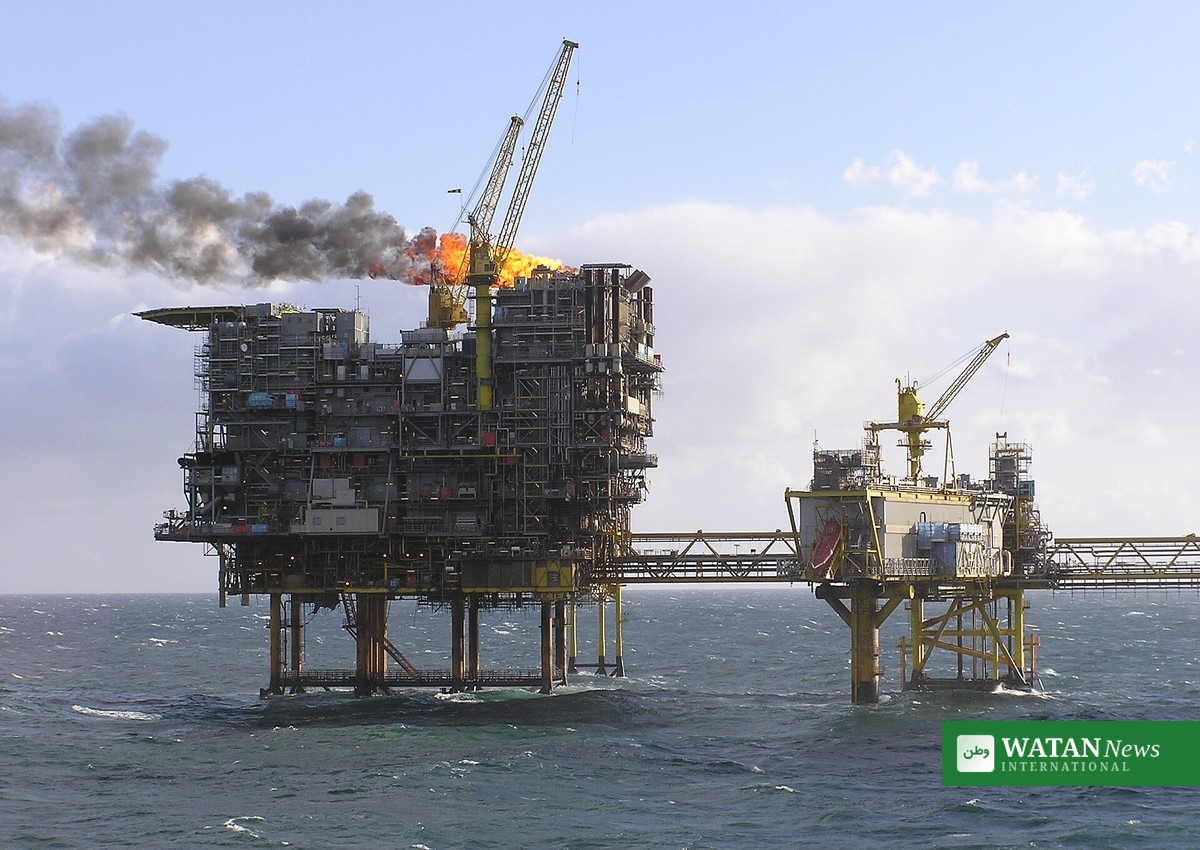
Denmark was the European Union’s largest oil producer, and in 2020 it set a 2050 cut-off date for oil and gas extraction in the North Sea and cancelled all future licensing rounds. Nawa congratulated the COP31 presidency on its work on a roadmap for moving away from fossil fuels, and said renewable energy was replacing fossil fuels. She said Denmark would keep pushing for a fossil fuel phase-out until the next Global Stocktake, the United Nations’ periodic review of climate progress.
Spain, Portugal, Luxembourg and Ireland join in
Spain’s Deputy Prime Minister and Minister for Ecological Transition, Sara Aagesen, said about 57% of Spain’s electricity now comes from renewable sources, and that moving away from fossil fuels required political will. “Today, as Spain, we want to announce that we will present our roadmap for moving away from fossil fuels. We invite all other countries to take steps in the same direction,” she said.
Portugal’s deputy minister for energy, Jean Barroca, said his country aims to reach climate neutrality by 2045 and will announce an updated version of its roadmap on Wednesday 18 November. Portugal has already cut its dependence on imported fuels from 90% to 65%, he said, and wants to go further to protect its energy security.
Luxembourg’s Minister for the Environment, Climate and Biodiversity, Serge Wilmes, said adaptation alone was not enough and that moving away from fossil fuels had to be part of the response. “We cannot continue to talk about how to manage this crisis while keeping the tap that created the crisis running,” he said. Luxembourg will present its roadmap by the next conference on phasing out fossil fuels, to be held in Tuvalu in 2027.
Ireland’s Minister for Climate, Darragh O’Brien, said Ireland would present its national roadmap for phasing out fossil fuels this week.
Pacific islands: plans must become action
Vanuatu’s special envoy for climate change and the environment, Ralph Regenvanu, said Pacific countries could attract more investment, strengthen their energy security and speed up the shift to renewables by acting together. The Marshall Islands’ Vice President and Environment Minister, Jess Gasper, called for concrete progress on the roadmaps already announced. “A roadmap is just a design unless you use it to get started,” he said, inviting countries and partners ready to make real progress to join a group of high-ambition nations taking concrete steps.
Gasper also announced that the Marshall Islands was joining a coalition that aims to phase out fossil fuel incentives, including subsidies. “Electrification is nothing more than an empty promise if it is achieved with coal, oil and other fossil fuels, which in the first place leave us at risk of exceeding the targeted limits for global temperature increase,” he said.
A briefing by the World Wide Fund for Nature on Wednesday 18 November welcomed the momentum. Fentje Jacobsen, the organisation’s interim director for climate and energy in Germany, said the growing number of roadmaps showed that political momentum was continuing despite difficulties in the formal negotiations. Susanne Waage, its fossil fuel transition lead in Norway, said governments must change their current fossil fuel decisions rather than focus only on long-term ambitions.
Why fossil fuel phase-out roadmaps matter now
Governments agreed at COP28 in Dubai in 2023 to transition away from fossil fuels in energy systems, but the deal set no dates and no national plans. At COP30 in Belém in 2025, more than 80 countries pushed for a negotiated global roadmap, but oil-producing states opposed it and the roadmap was dropped from the final text. Brazil’s COP30 presidency then published a voluntary global roadmap of about 180 pages on 3 November 2026, and countries are now writing national versions of it. That global roadmap was published six days before COP31 opened.
The gap between promises and production remains wide. The United Nations Environment Programme’s Production Gap Report found that governments planned to produce about 110% more fossil fuels in 2030 than would be consistent with limiting warming to 1.5°C, with planned coal output around 240% above that level. The International Monetary Fund estimated that global fossil fuel subsidies reached a record $7 trillion in 2022, about 7.1% of global GDP. The International Energy Agency has warned that power grids risk becoming “the weak link of clean energy transitions”, with at least 3,000 gigawatts of renewable projects waiting to connect to grids worldwide.
The roadmap announcements sit outside the formal negotiations, where ministers are working through an 18-page draft cover decision that still leaves major differences to resolve. That draft, circulated on 16 November, also calls for a phase-out of fossil fuels, but its wording remains contested. Australia, which co-hosts COP31 and leads the negotiations, has not announced a national roadmap of its own.
FAKTA
- 11 countries are now working on national fossil fuel transition roadmaps, according to the organisers.
- Denmark: fossil fuel use down 85% by 2035; coal production ends 2028; fossil fuel subsidies gone by 2030; oil and gas production ends 2050.
- Spain: about 57% of electricity now comes from renewable sources.
- Portugal: climate neutrality by 2045; updated roadmap due on 18 November.
- $7 trillion: global fossil fuel subsidies in 2022, about 7.1% of global GDP, according to the International Monetary Fund.
- COP31 closes on Friday, 20 November 2026, in Antalya, Türkiye.
What happens next
Portugal’s updated roadmap is due on Wednesday 18 November, and Ireland’s roadmap is expected later this week. A follow-up conference on phasing out fossil fuels is planned in Tuvalu in 2027, where the second International Conference on the Just Transition Away from Fossil Fuels will also be held.
The formal negotiations continue until Friday 20 November, with ministers trying to bridge differences over finance, fossil fuels and the 1.5°C limit. The roadmaps announced on Tuesday do not change the negotiating text, but they give the COP28 promise something it did not have before: national plans, with dates, that other countries can now be measured against.
Frequently Asked Questions
What is a fossil fuel phase-out roadmap?
It is a national plan setting out how a country will move away from coal, oil and gas, with dates, policies and investment priorities. It turns the COP28 promise to transition away from fossil fuels into concrete domestic action.
Which countries announced roadmaps at COP31?
Denmark unveiled its roadmap on 17 November. Spain, Portugal, Luxembourg and Ireland said they will publish theirs, and Vanuatu, the Marshall Islands and Tuvalu are working on a Pacific roadmap. France, Germany, Finland and the Netherlands had announced roadmaps earlier, bringing the total working on plans to eleven, according to the organisers.
What does Denmark’s roadmap promise?
Denmark aims to cut fossil fuel use by 85% by 2035, end coal production by 2028, eliminate fossil fuel subsidies by 2030, end oil and gas production by 2050, and stop new oil and gas heating installations in homes.
Why did countries need roadmaps after COP28?
COP28 agreed to transition away from fossil fuels but set no dates or national plans. COP30 in 2025 failed to agree a negotiated global roadmap, so Brazil’s COP30 presidency published a voluntary global roadmap on 3 November 2026, and countries are now writing national versions of it.
What happens next?
Portugal’s updated roadmap is due on 18 November, Ireland’s is expected this week, and a follow-up conference on phasing out fossil fuels is planned in Tuvalu in 2027. COP31 itself closes on Friday, 20 November 2026, in Antalya, Türkiye.
Author

usmanch0013@gmail.com
Related Posts
Nul-affaldsbyer i centrum på COP31: Cirkulær handling skal ind i klimaplanerne
- 0
- 1,398 word
Nul-affaldsbyer indtog tirsdag centrum på COP31, da en session i Finland-pavillonen viste, hvordan byer omsætter cirkulære økonomiske idéer til praktisk klimahandling —...
Read out all
کاپ31: زیرو ویسٹ شہر مرکز توجہ، سرکلر معیشت موسمیاتی منصوبوں کا حصہ بنے گی
کاپ31 میں منگل کے روز زیرو ویسٹ شہر مرکز توجہ بن گئے، جب فن لینڈ پویلین کے سیشن نے دکھایا کہ شہر...
Read out all
Zero Waste Cities Take Centre Stage at COP31 as Circular Action Enters Climate Plans
- 0
- 1,385 word
Zero waste cities took centre stage at COP31 on Tuesday as a Finland Pavilion session showed how cities turn circular economy ideas...
Read out all
COP31 i dødvande: Anden globale statusopgørelse lanceret, nye tekster torsdag
- 0
- 1,689 word
Landene lancerede onsdag den anden globale statusopgørelse på COP31, mens ministrene fortsat er låst fast i uenighed om finansiering, fossile brændstoffer og...
Read out all
کاپ31: تعطل برقرار، دوسرا گلوبل اسٹاک ٹیک شروع، نئے مسودے جمعرات کو پیش ہوں گے
کاپ31 میں بدھ کے روز دوسرا گلوبل اسٹاک ٹیک شروع ہوا، جب کہ وزرا مالیات، فوسل فیول اور موافقت پر تعطل کا...
Read out all
COP31 Deadlock Deepens as Second Global Stocktake Launches and New Texts Due Thursday
- 0
- 1,587 word
Countries launched the second Global Stocktake at COP31 on Wednesday as ministers remained deadlocked over finance, fossil fuels and adaptation — with...
Read out all