- 0
- 916 words
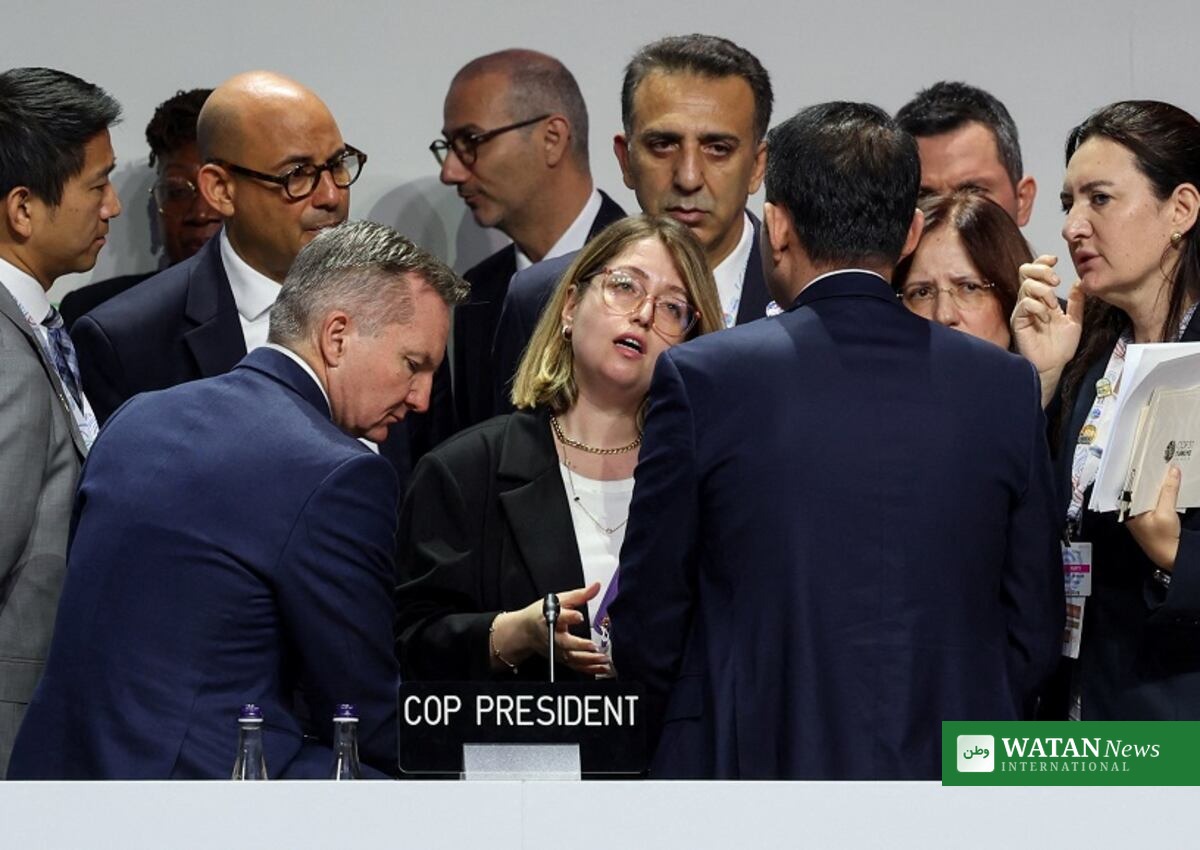
Antalya, Türkiye – The COP31 talks collapse ended the UN climate summit in Antalya on Sunday without a final deal, after nearly 200 countries failed to agree on a text that made no mention of fossil fuels.
COP31 President Murat Kurum told the closing plenary that the draft decisions had not been adopted, two days after the summit was scheduled to end. “It is clear that there are parties in this hall who oppose this text. We recognise that there is no consensus on this document. Therefore, these decisions have not been adopted,” he said.
“We have done our utmost; ultimately, we have not imposed this text on anyone, nor have we issued an ultimatum such as a ‘take it or leave it’ demand,” Kurum added.
FAKTA
- What happened: COP31 ended on Sunday, 22 November 2026, with no final deal adopted.
- Where: The closing plenary in Antalya, Türkiye.
- Why it failed: The final draft made no mention of fossil fuels, oil, coal or a phase-out.
- The draft: 94 paragraphs; a goal to raise electricity’s share of final energy use to 35 per cent by 2035; carbon capture at gigatonne scale; a pledge to triple adaptation finance by 2035 with no baseline.
- What still stands: Carbon-market decisions under Article 6, adopted on Friday evening, and all obligations agreed at earlier summits.
- Next summit: COP32 in Addis Ababa, Ethiopia, in 2027.
COP31 talks collapse: no consensus in the closing plenary
The European Union formally rejected the final draft, saying it would not accept an agreement that ignored the main driver of global warming. “We will not endorse a cover decision or an Antalya pact that does not even mention fossil fuels, which is the key driver of climate change, and we will not accept negotiating backward in time, and we will not accept a COP that green-washes fossil fuel,” an EU delegation spokesman said.
Belgium’s climate minister, Jean-Luc Crucke, called the text “unacceptable” and said: “It’s not the end of multilateralism, but there has to be courage to say no.” The EU had been working with a group of about 130 countries to restore a mention of fossil fuels to the text.
Small island states were among the sharpest critics. The Marshall Islands delegation said: “We have been let down on all sides. We were presented with the worst possible response to overshoot, a response to enhance oil and gas. We will not be forced to accept false solutions. We will not compromise our future to benefit fossil fuel interests.”
On the other side, Russia’s delegate Sergei Kononuchenko said his country could not agree to any formulation on fossil fuels, arguing that if supply shrank faster than demand, the result would be price shocks and energy poverty. Saudi Arabia’s delegation said climate change “requires all solutions on the table” and that it made no sense to take concrete solutions off the table.
Germany’s environment minister, Carsten Schneider, said he hoped a decision could still be reached but was sceptical, noting that many delegates had already left because the conference was supposed to have ended two days earlier. There were also concerns that too many delegations had left Antalya to catch flights home, raising questions about whether enough countries remained for a valid session.
What the draft contained
The presidency had circulated the final text in the early hours of Sunday, a ten-page document of 94 paragraphs that refined an earlier draft rather than reversing it. Its first line recalled the COP28 agreement in Dubai in full, but the words fossil fuels, oil, coal and phase-out did not appear anywhere else in the document.
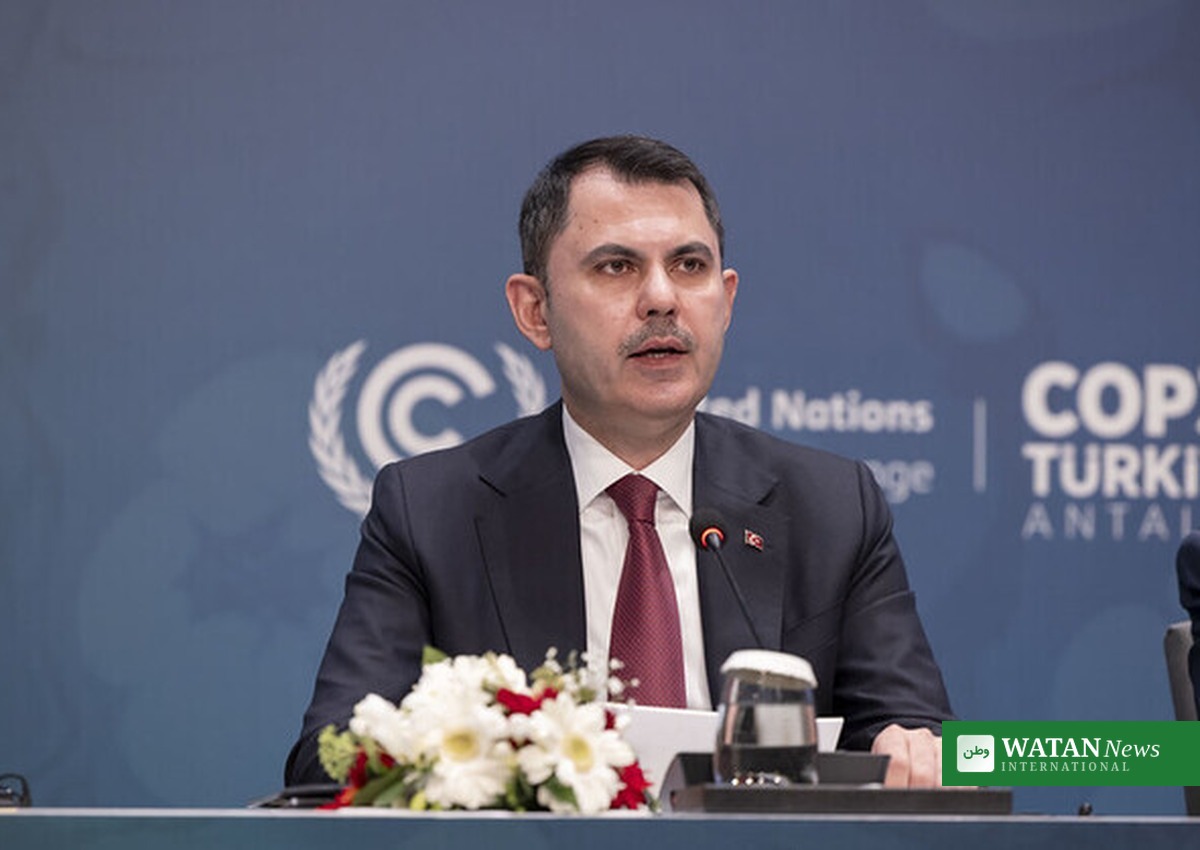
COP31 President Murat Kurum at a COP31 press conference in Antalya, Türkiye.
The text’s headline energy goal was to lift electricity’s share of final energy use to 35 per cent by 2035, from roughly a fifth today. It also set an ambition to deploy carbon capture at gigatonne scale by 2035, a technology several delegations criticised as costly and unproven at large scale.
On finance, the draft reaffirmed a commitment to triple adaptation finance by 2035, but gave no starting point from which the tripling would be measured and no detail on how it would be calculated. The draft would also have been the first COP text to acknowledge that the world will overshoot the 1.5°C limit set by the Paris Agreement, urging that any overshoot be limited in size and duration.
What still stands after the collapse
The failure to agree a political declaration in Antalya does not wipe out the obligations agreed at previous summits or erase the technical and legal frameworks governing multilateral action against climate change. Decisions on carbon markets under Article 6 of the Paris Agreement were adopted on Friday evening and remain in place.
The summit had been due to close on Friday, 20 November, but the presidency tabled a new package in the early hours of Sunday, raising hopes of a last-minute deal. Those hopes ended when the closing plenary could not reach consensus.
First COP collapse in decades
The collapse is the first time a UN climate summit has ended without an agreed outcome since the Hague talks in 2000, according to The Times. Reuters described it as the most serious breakdown since Copenhagen in 2009, when countries failed to adopt the Copenhagen Accord by consensus.
The next summit, COP32 in Addis Ababa, Ethiopia, in 2027, will now inherit the unresolved questions from Antalya, including whether any future agreement can name fossil fuels and how much finance will flow to the countries most exposed to rising temperatures.
Author

usmanch0013@gmail.com
Related Posts
COP31 Launches Global SF6 Pledge to Cut the World’s Most Potent Greenhouse Gas from Power Grids
- 0
- 1,375 word
Thirty-five countries have joined Germany's Global SF6 Pledge at COP31 to phase down sulphur hexafluoride, the most potent greenhouse gas, from the...
Read out all
FBI, DHS and TSA Warn US Airlines of al-Qaeda Calls for Copycat Attacks
- 0
- 635 words
US security agencies have warned airlines and airports that al-Qaeda supporters are urging copycat attacks on commercial flights, citing September’s attempted hijacking...
Read out all
Bolsonaro in Intensive Care with Intestinal Obstruction
- 0
- 531 words
Former Brazilian President Jair Bolsonaro is in intensive care in Brasilia with an acute intestinal obstruction. The hospital says the 71-year-old is...
Read out all
Egyptian Institute Pitches 20-Country Climate Ambassador Network at COP31
- 0
- 1,047 word
Egypt’s Institute of Sustainability and Carbon Footprint pitched a 20-country climate ambassador network at COP31 in Antalya, targeting 20 countries, 20 academic...
Read out all
Earthshot Prize 2026 Winners: Bhutan, Mahindra, Ørsted, Niue and PFAS-Free France Take £1 Million Each
- 0
- 1,199 word
Five winners were crowned at The Earthshot Prize 2026 in Mumbai on 17 November 2026: Bhutan, Mahindra Last Mile Mobility, Ørsted, Niue...
Read out all
Indonesia Factory Fire Kills 3 as Rescuers Search for 36 Missing Workers
- 0
- 361 words
Rescuers in Indonesia searched on Sunday for 36 workers missing after a fire at a candy factory in Serang, Banten, killed 3...
Read out all