- 0
- 546 words
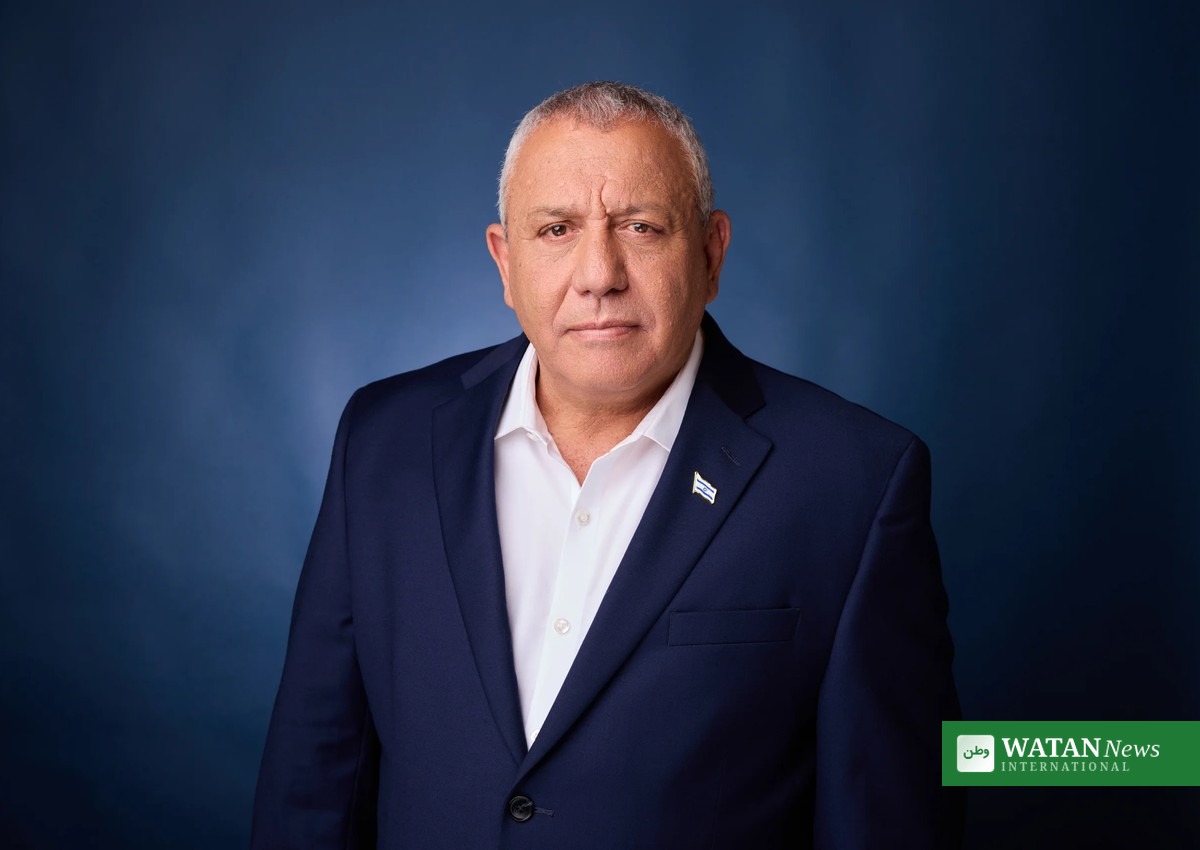
Talks between the parties of caretaker Prime Minister Benjamin Netanyahu and opposition leader Gadi Eisenkot to form a unity government have ended without a deal, after the two sides remained split on who would lead the next government and whether far-right minister Itamar Ben-Gvir would join it. The Likud Yashar coalition talks are the latest attempt to break the deadlock left by October’s inconclusive elections.
FAKTA
- What happened: Delegations from Netanyahu’s Likud and Eisenkot’s Yashar met for four hours at a hotel in Herzliya on Sunday, and the latest round of coalition talks ended without agreement.
- The sticking points: The two sides remained split on who would lead the next government and whether National Security Minister Itamar Ben-Gvir would be part of it, according to Israel’s Channel 12 broadcaster.
- The deadline: Eisenkot has until December 6 to form a government, with the possibility of a 14-day extension, after the October elections gave his bloc 48 seats, 13 short of a majority.
- What comes next: The two parties said in a joint statement that a follow-up meeting would be held, without giving a date or further details.
- The fallback: If the unity talks fail, Yashar plans to seek a confidence vote in the Knesset for a minority government.
Why the Likud Yashar coalition talks stalled
Representatives of the two parties met in Herzliya, near Tel Aviv, for a second round of discussions, following a first round last Sunday. In a joint statement, the parties said they had “outlined their positions on a range of substantive issues and discussed them in detail”, and that a follow-up meeting would be held.
According to the Yedioth Ahronoth newspaper, Likud wanted Ben-Gvir in government, while Yashar insisted on his exclusion. Channel 12 reported that the two sides also remained divided on who would take the premiership in any unity arrangement.
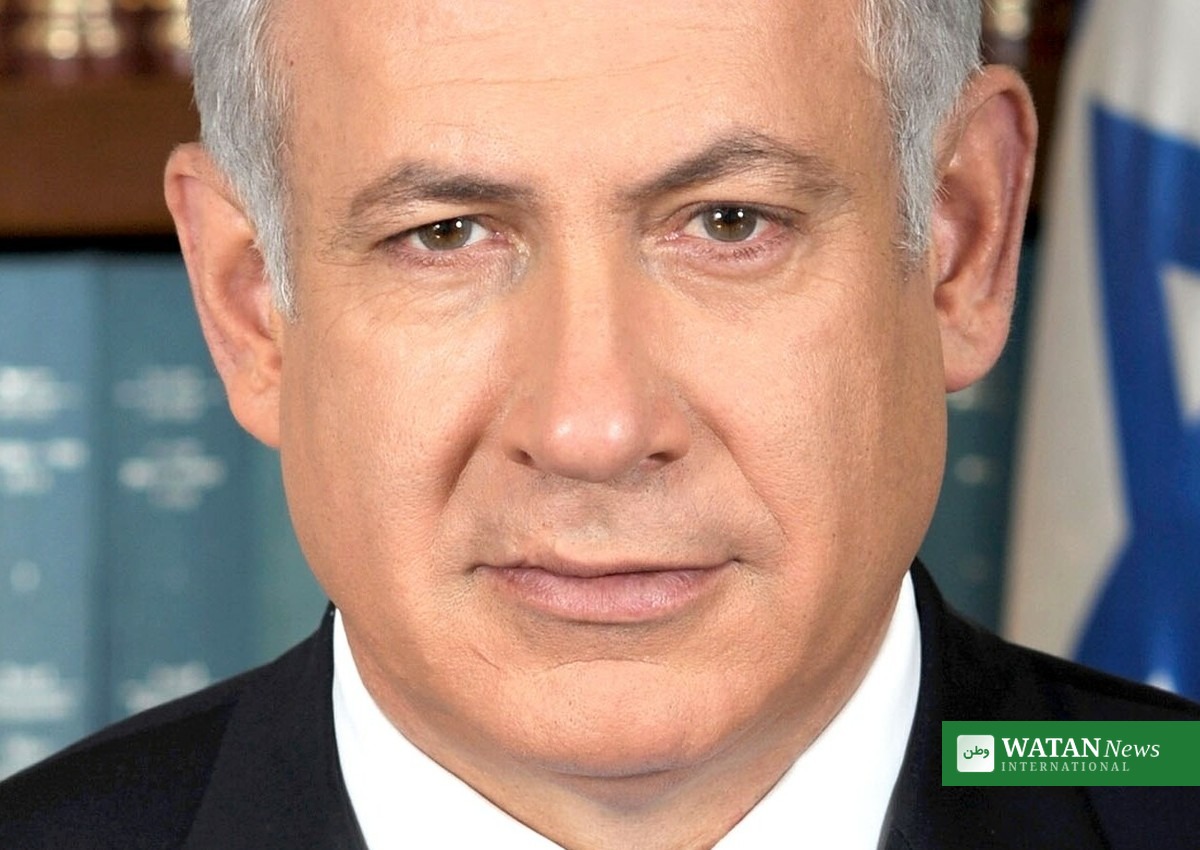
Netanyahu has called for a unity government, saying it was the only way that Israel’s security could be guaranteed. Such an arrangement would allow a government to be formed without the inclusion of parties led by Palestinian citizens of Israel, which won a record 19 seats in the October elections.
A rotation proposal that went nowhere
Channel 12 reported that former Prime Minister Naftali Bennett, who leads the Together list, proposed a coalition of Together, Yashar, Likud and Avigdor Lieberman’s Yisrael Beiteinu, with Eisenkot serving first and Netanyahu succeeding him.
Eisenkot has opposed a rotation, and Netanyahu has reportedly insisted on taking the premiership first, while Lieberman has ruled out joining any government that includes Netanyahu altogether.
The minority-government fallback
If the unity talks fail, Yashar plans to seek a confidence vote in the Knesset for a minority government before Eisenkot’s mandate expires. It would rely on outside support from the Arab Joint List, led by Yousef Jabareen, and the United Arab List, led by Mansour Abbas.
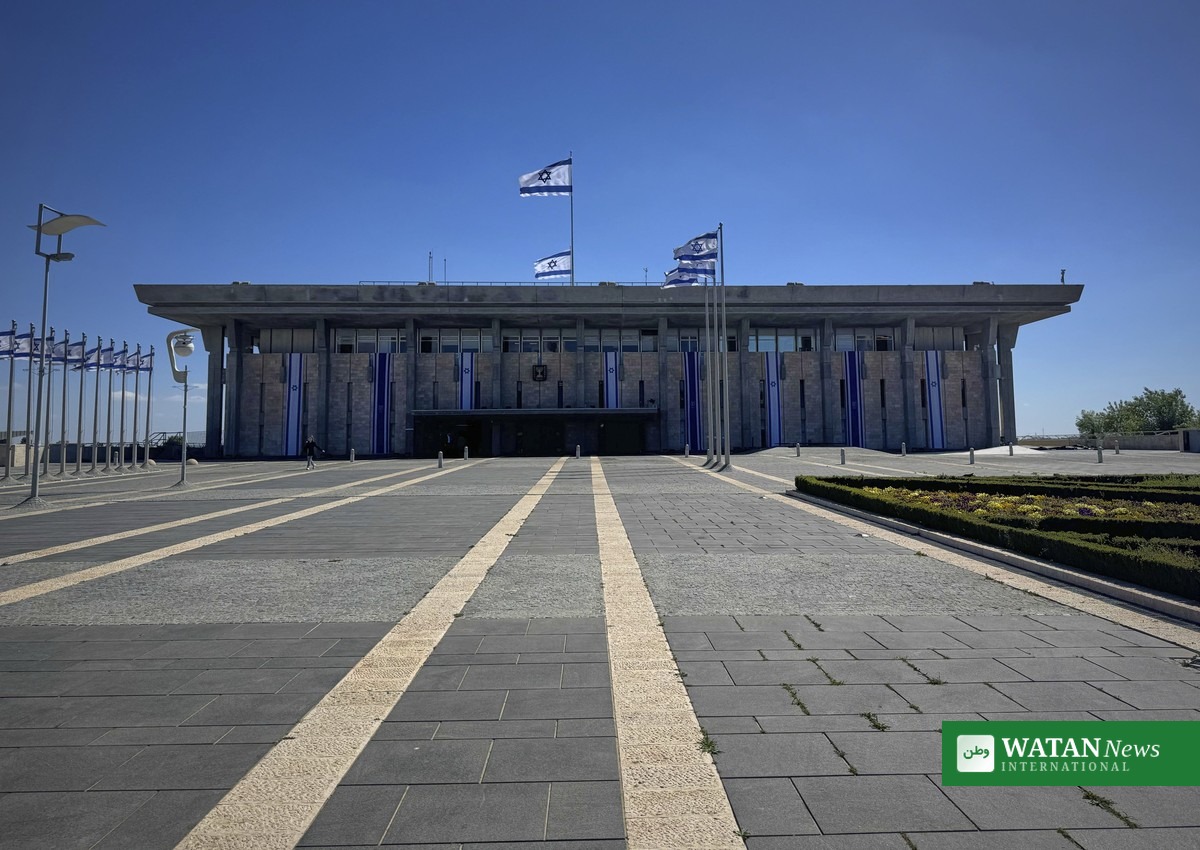
With the December 6 deadline approaching, the failed round leaves Eisenkot with narrowing options: a further round of unity talks, a minority government backed from outside the coalition, or the mandate passing to another candidate.
Author

usmanch0013@gmail.com
Related Posts

China Rehearses Amphibious Landing With Civilian Ships Near Taiwan
- 0
- 496 words
China is rehearsing amphibious landings near Taiwan, linking civilian vessels into an 800-metre floating bridge in Dacheng Bay, satellite images show.
Read out all
Pakistan’s First Astronaut Reaches China’s Tiangong Space Station Aboard Shenzhou-24
- 0
- 918 words
Muhammad Zeeshan Ali has become the first Pakistani to reach orbit and the first foreign astronaut to visit China's Tiangong space station,...
Read out all
Islamabad Hosts Trilateral Defence Talks as Mecca Pact Takes Effect
- 0
- 480 words
Pakistan, Saudi Arabia and Türkiye meet in Islamabad on 27–28 November for the third session of the Strategic Political and Defence Committee...
Read out all
Public Ahead of Leaders on Climate After COP31 Collapse, GlobeScan Finds
- 0
- 980 words
New GlobeScan research finds the public far ahead of its leaders on climate: in every major oil-producing market surveyed, at least three...
Read out all
New Zealand Election Deadlock Leaves Centrist Newcomer as Kingmaker
- 0
- 785 words
New Zealand's final election count has left neither the right-wing incumbents nor the left-wing opposition with a parliamentary majority, handing the centrist...
Read out all
WWF and Amano So Name 24 Young Leaders for 2027 Fellowship Across Africa
- 0
- 1,331 word
WWF and Amano So have named 24 young leaders from 10 African countries for the 2027 WWF-Amano Fellowship, a nine-month programme of...
Read out all