- 0
- 653 words
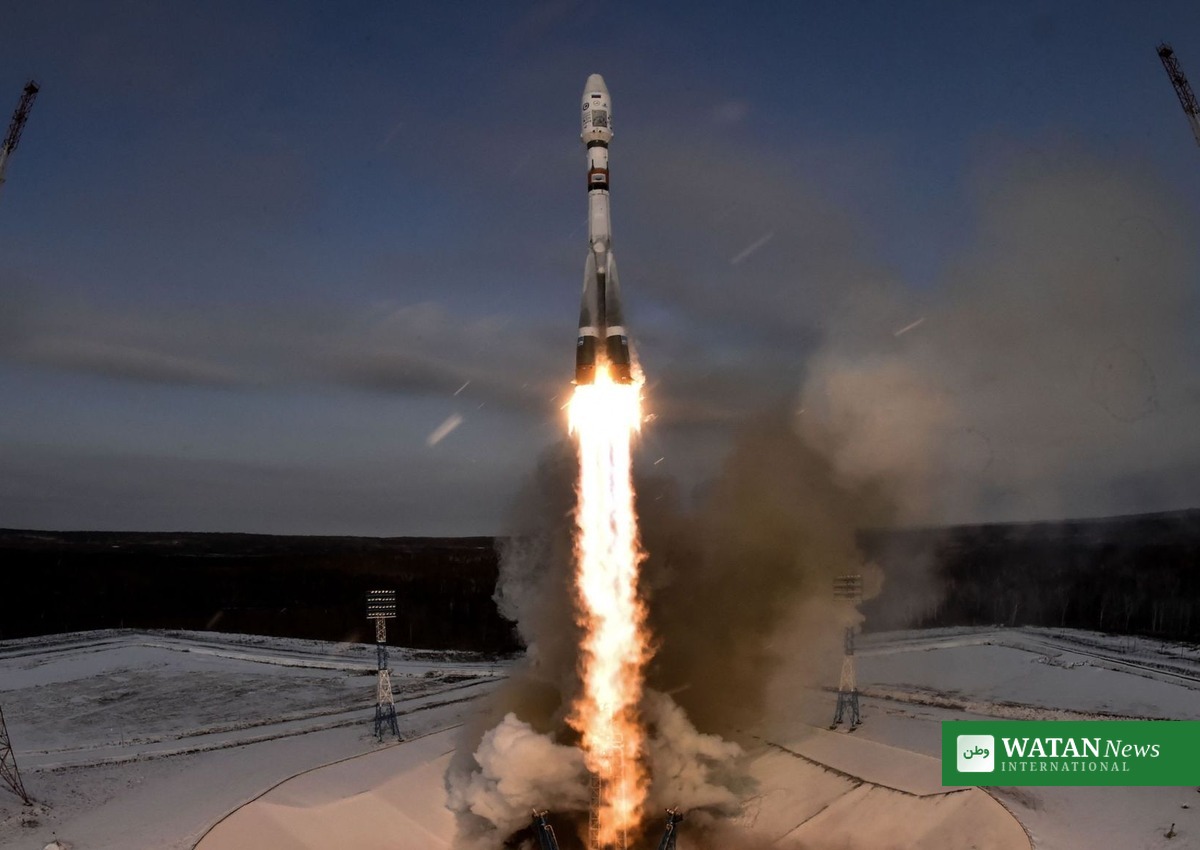
Intelligence services of NATO member states have concluded that Russia plans to launch a nuclear-armed satellite into orbit before the end of the year, according to a joint investigation by German media published on Monday. The Russia nuclear-armed satellite, named Sputnik-S, was assembled several years ago and is stored in the Moscow region, the report said.
FAKTA
- The satellite is named Sputnik-S and was assembled several years ago, according to the report.
- Western intelligence assessments exchanged in early November say it could be launched within 60 days, possibly as early as December.
- Germany’s BND intelligence service and armed forces are monitoring the programme, and senior German officials have been briefed.
- Placing a nuclear weapon in orbit would breach the 1967 Outer Space Treaty.
- Russia has dismissed the reports, saying they rest on unnamed sources and unverified claims.
The Russia nuclear-armed satellite warning
German broadcasters NDR and WDR and the newspaper Süddeutsche Zeitung reported on Monday that NATO members’ intelligence services have exchanged assessments showing that the satellite, named Sputnik-S, was assembled several years ago and is stationed in the Moscow region.
The assessments indicate that the satellite could be launched within 60 days and become operational shortly after reaching orbit, the report said. Germany’s Federal Intelligence Service, the BND, and the Bundeswehr are monitoring the situation, and Defence Minister Boris Pistorius is among the senior German officials who have received intelligence briefings.
A spokesman for German Chancellor Friedrich Merz said the government was taking the reports seriously. Germany’s Defence Ministry declined to comment, citing confidentiality.
The warning builds on an assessment published by the US Defense Intelligence Agency in October, which said Russia was developing a satellite designed to carry a nuclear weapon. The agency said such a capability could cause the rapid and sudden loss or degradation of thousands of satellites operated by countries and companies around the world.
Why a nuclear blast in orbit would matter
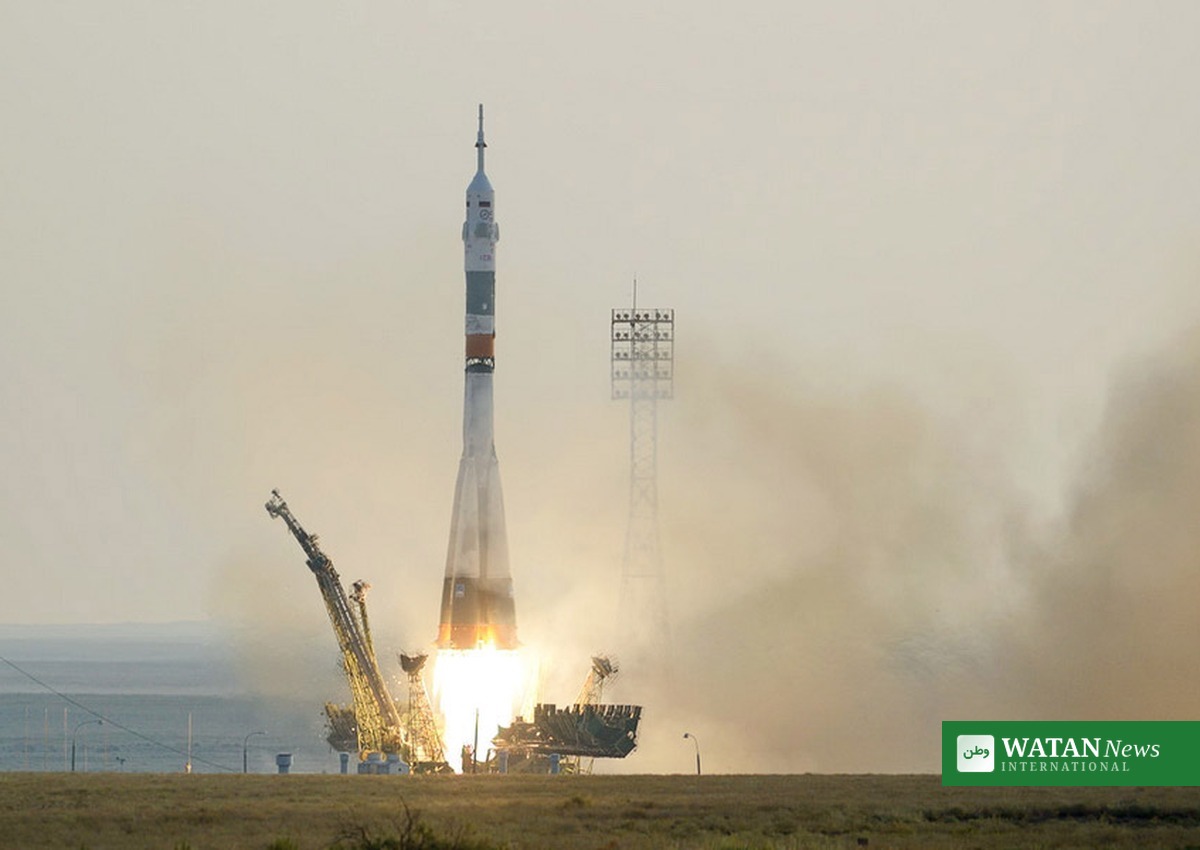
General Stephen Whiting, commander of US Space Command, has warned that a nuclear detonation in orbit could disable around one third of all satellites in low Earth orbit within hours or days, through intense radiation and an electromagnetic pulse, with the remaining satellites failing over the following months.
Satellites in low Earth orbit underpin communications, navigation, weather forecasting, banking and military systems around the world. US officials have also alleged that Russia has for years been developing a nuclear weapon capable of destroying entire satellite networks, including the Starlink internet system used by Ukrainian troops.
Western experts also suspect that Kosmos-2553, a Russian satellite launched in February 2022, is a test platform for components of a nuclear anti-satellite weapon.
Russia rejects the claims
Kremlin spokesman Dmitry Peskov dismissed the German media reports at a briefing on Monday, saying they contained so many “alleged” and “possible” claims attributed to unnamed sources that they were hardly worth taking seriously. The Russian Embassy in Germany also rejected the allegations as unfounded.
President Vladimir Putin said in 2024 that Russia had always been categorically against the deployment of nuclear weapons in space, and Russia denied US assertions that year that Moscow was developing a weapon that could destroy enemy satellites by setting off a nuclear explosion in space.
No intelligence documents or satellite imagery confirming the reported Sputnik-S deployment have been made public, and the assessments have not been independently verified.
Placing a nuclear weapon in orbit would violate Article IV of the 1967 Outer Space Treaty, which prohibits placing nuclear weapons or other weapons of mass destruction in orbit around the Earth. Russia is a signatory to the treaty.
Watan News has previously reported on satellite images showing Russia building a major drone attack base in six weeks — read the story here: Russia Builds Major Drone Attack Base in Six Weeks, Satellite Images Show.
Author

usmanch0013@gmail.com
Related Posts

China Rehearses Amphibious Landing With Civilian Ships Near Taiwan
- 0
- 496 words
China is rehearsing amphibious landings near Taiwan, linking civilian vessels into an 800-metre floating bridge in Dacheng Bay, satellite images show.
Read out all
Pakistan’s First Astronaut Reaches China’s Tiangong Space Station Aboard Shenzhou-24
- 0
- 918 words
Muhammad Zeeshan Ali has become the first Pakistani to reach orbit and the first foreign astronaut to visit China's Tiangong space station,...
Read out all
Islamabad Hosts Trilateral Defence Talks as Mecca Pact Takes Effect
- 0
- 480 words
Pakistan, Saudi Arabia and Türkiye meet in Islamabad on 27–28 November for the third session of the Strategic Political and Defence Committee...
Read out all
Public Ahead of Leaders on Climate After COP31 Collapse, GlobeScan Finds
- 0
- 980 words
New GlobeScan research finds the public far ahead of its leaders on climate: in every major oil-producing market surveyed, at least three...
Read out all
New Zealand Election Deadlock Leaves Centrist Newcomer as Kingmaker
- 0
- 785 words
New Zealand's final election count has left neither the right-wing incumbents nor the left-wing opposition with a parliamentary majority, handing the centrist...
Read out all
WWF and Amano So Name 24 Young Leaders for 2027 Fellowship Across Africa
- 0
- 1,331 word
WWF and Amano So have named 24 young leaders from 10 African countries for the 2027 WWF-Amano Fellowship, a nine-month programme of...
Read out all