- 0
- 1,132 word
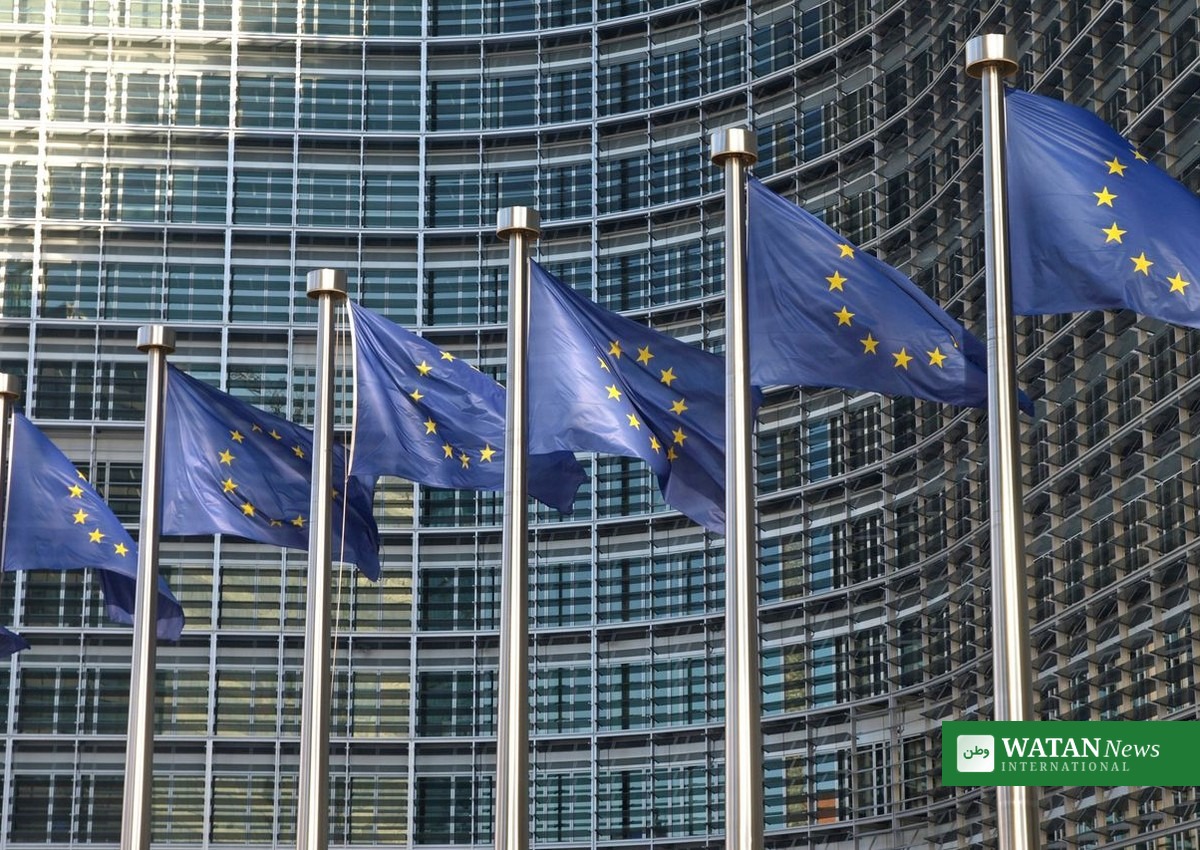
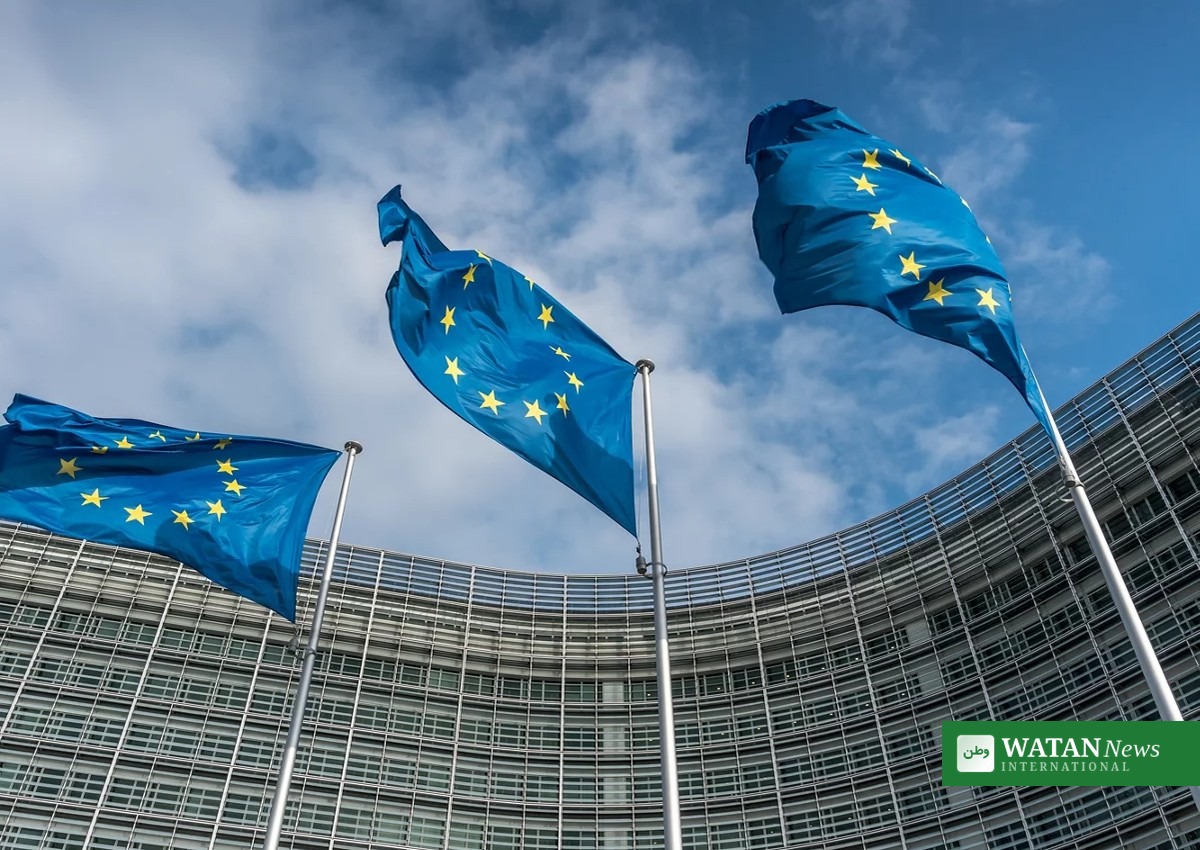
The European Commission on Monday, 23 November 2026, proposed the EU’s 22nd package of sanctions against Russia, targeting the country’s banks, cryptocurrency networks, energy sector and so-called shadow fleet, as well as tightening visa rules and barring Russian participation in European sporting events.
European Commission President Ursula von der Leyen announced the package in a video address, saying its aim was to keep pressure on Russia to end its war of aggression in Ukraine. “We will continue to propose new sanctions until Russia shows genuine intent for a lasting peace in Ukraine,” she said.
FAKTA
- Announced: Monday, 23 November 2026, by European Commission President Ursula von der Leyen.
- Banks: Transaction ban extended to about 60 Russian banks, all to be removed from the SWIFT financial messaging system.
- Crypto: Crackdown on crypto and payment networks used to evade sanctions, including in third countries.
- Energy: Ban on energy services expanded to cover electricity for the first time; no European company may help build, operate or repair Russian energy infrastructure.
- Shadow fleet: More than 70 additional vessels listed; proposed ban on all tanker vessels insured in Russia.
- Other measures: Visa ban for Russian ex-combatants; EU citizens barred from posts in Russian companies; Russian teams and athletes banned from competing under the Russian flag at EU sports events.
EU sanctions strike at how Russia finances the war
The package increases pressure in three ways, von der Leyen said: striking harder at Russia’s ways of financing the war, further isolating Russia, and doubling down on enforcement.
On financial services, the Commission is extending the transaction ban to some 60 Russian banks. All 60 banks will be removed from SWIFT, the international financial messaging system. The Commission is also cracking down on crypto and payment networks, with a new task force to work on sanctions on crypto asset platforms, and will focus on Russia but also include third countries that help Russia evade sanctions.
Energy, tankers and the shadow fleet
On the Russian energy sector, the Commission is expanding the energy services ban so that no European company can help Russia build, operate or repair its energy infrastructure, notably its refineries. For the first time, the ban also covers electricity services.
On the shadow fleet, the package lists more than 70 additional vessels and proposes to ban all tanker vessels insured in Russia. The shadow fleet of ageing tankers has been used to keep Russian oil moving despite earlier sanctions, and it has become a central target of EU enforcement.
EU foreign policy chief Kaja Kallas also announced proposed measures targeting the Russian and Belarusian military-industrial sectors, with more than 100 additional entries to the sanctions list, including companies involved in circumventing EU restrictions.
Visas, company posts and sport
The Commission is proposing a way to implement a travel visa ban on Russian ex-combatants, which was agreed pending feasibility in the previous package. It will also prohibit European citizens from continuing to occupy posts in the governing bodies of companies in Russia.
On sports and culture, von der Leyen said sports events cannot be a forum for propaganda. For any sports events in the EU, the package introduces bans on Russian teams and athletes competing under the Russian flag, and proposes to ban the display of official Russian symbols.
| Area | Measure in the 22nd package |
|---|---|
| Banks | Transaction ban extended to about 60 banks; all removed from SWIFT |
| Crypto | Crackdown on crypto and payment networks; new task force; third-country evasion targeted |
| Energy | Energy services ban extended to electricity for the first time; no help for refineries or infrastructure |
| Shadow fleet | More than 70 vessels listed; ban proposed on Russian-insured tankers |
| Visas | Visa ban for Russian ex-combatants |
| Company posts | EU citizens barred from governing bodies of companies in Russia |
| Sport | Russian teams and athletes banned from competing under the Russian flag in the EU |
What happens next
As a proposal, the package must now be approved by the EU’s member states before it takes effect. The Commission had already signalled the package in a joint statement on 12 November, when von der Leyen and European Council President António Costa said it would be presented at the European Council meeting on 26–27 November, alongside discussions on Ukraine’s financing needs for 2027.
The Council of the European Union had already tightened sanctions on 16 November, listing an additional 101 entities and 12 individuals under the EU’s Russia asset freeze framework for their roles in economic sectors that provide substantial revenue to the Russian government and support its shadow fleet.
Conclusion
The 22nd package is the EU’s broadest attempt yet to close the gaps Russia has used to keep its war economy running, from banks and crypto networks to shadow tankers and energy services. Whether it bites will depend on how quickly member states approve it and how firmly it is enforced against evasion through third countries. For now, the Commission’s message is clear: the sanctions will keep coming until Moscow shows genuine intent for a lasting peace.
Related Articles
- Denmark Proposes EU-Wide Ban on Tourist Visas for Russians
- Europe ready to enter Ukraine peace talks, leaders say after Berlin meeting
- Poland Takes Russian Missile Incursion to NATO Council in Brussels
Frequently Asked Questions
What is the EU’s 22nd sanctions package against Russia?
It is the European Commission’s latest proposed package of sanctions, announced on 23 November 2026, targeting Russian banks, crypto networks, energy services, the shadow fleet, visas and sports participation.
How many Russian banks are affected?
The package extends the transaction ban to about 60 Russian banks, all of which would be removed from the SWIFT financial messaging system.
What does the package do about cryptocurrency?
It cracks down on crypto and payment networks used to evade sanctions, creates a task force on crypto asset platforms, and targets third countries that help Russia evade the measures.
What is the shadow fleet?
The shadow fleet is a group of ageing tankers used to keep Russian oil moving despite sanctions. The package lists more than 70 additional vessels and proposes banning all tanker vessels insured in Russia.
Does the package affect Russian athletes?
Yes. It introduces bans on Russian teams and athletes competing under the Russian flag at sports events in the EU, and proposes banning the display of official Russian symbols.
When will the sanctions take effect?
As a proposal, the package must first be approved by the EU’s member states. It was announced ahead of the European Council meeting on 26–27 November 2026.
Why is the EU proposing more sanctions now?
Commission President Ursula von der Leyen said the aim is to keep pressure on Russia to end its war of aggression in Ukraine, and that new sanctions will keep coming until Russia shows genuine intent for a lasting peace.
Author

usmanch0013@gmail.com
Related Posts

IGCC Climate Leaders’ Awards 2026 Honour Amanda McKenzie, Guneet Rana and Leilani Weier
- 0
- 807 words
Five climate leaders have been honoured at the IGCC Annual Climate Finance and Investment Summit, with Climate Council chief executive Amanda McKenzie...
Read out all
Venezuela to Repeal Simón Bolívar Law That Barred Opposition From Public Office
- 0
- 593 words
Venezuela's National Assembly will begin repealing the Simón Bolívar Law, which barred opposition figures from public office and carried prison terms of...
Read out all
Serbia’s Student Movement Delays Naming Prime Minister as Deadlines Near
- 0
- 469 words
A month after its landslide election win, Serbia's student-led movement has still not named a prime minister, with budget, refinery and gas...
Read out all
CITIS 2026: New Delhi Summit to Turn Climate Innovation into Bankable Projects
- 0
- 1,014 word
New Delhi hosts the fourth CITIS summit on 14–16 December 2026, where investors and innovators will work on turning first-of-a-kind climate technologies...
Read out all
China Rehearses Amphibious Landing With Civilian Ships Near Taiwan
- 0
- 496 words
China is rehearsing amphibious landings near Taiwan, linking civilian vessels into an 800-metre floating bridge in Dacheng Bay, satellite images show.
Read out all
Pakistan’s First Astronaut Reaches China’s Tiangong Space Station Aboard Shenzhou-24
- 0
- 918 words
Muhammad Zeeshan Ali has become the first Pakistani to reach orbit and the first foreign astronaut to visit China's Tiangong space station,...
Read out all