- 0
- 593 words
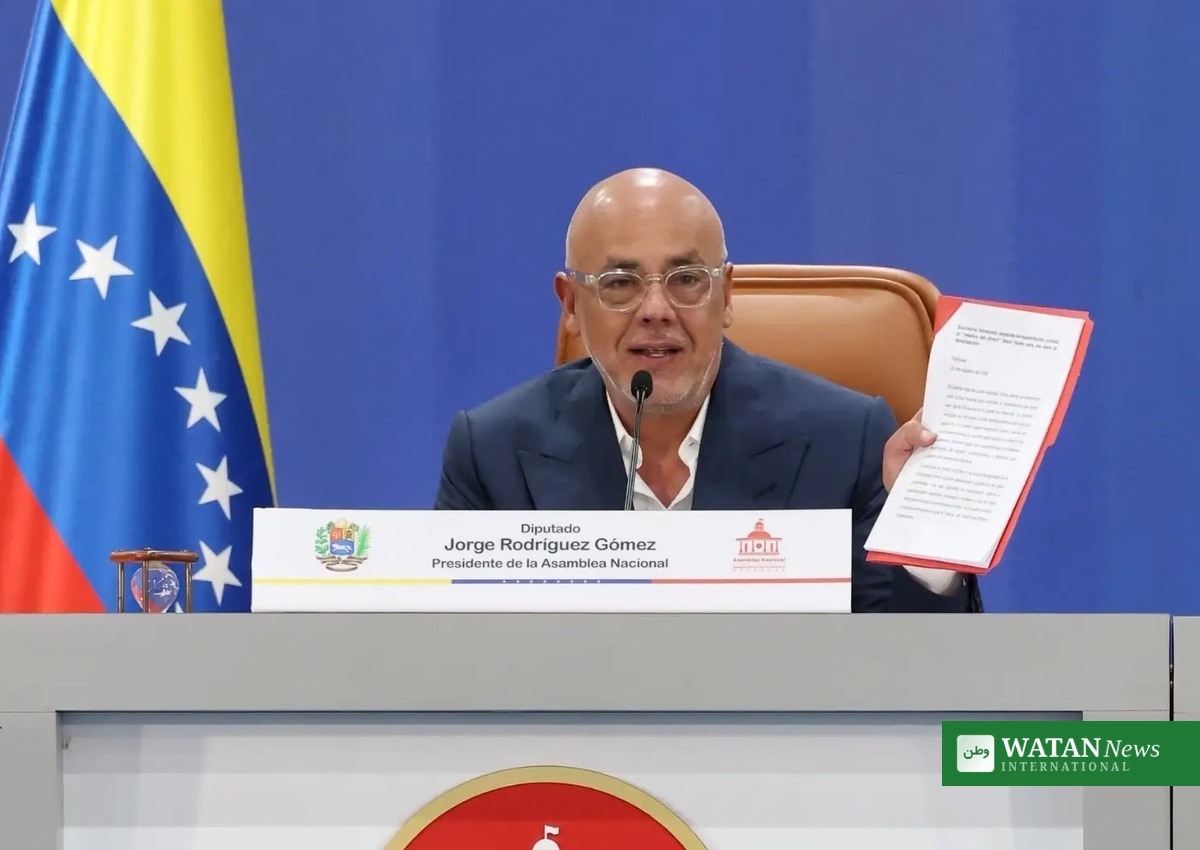
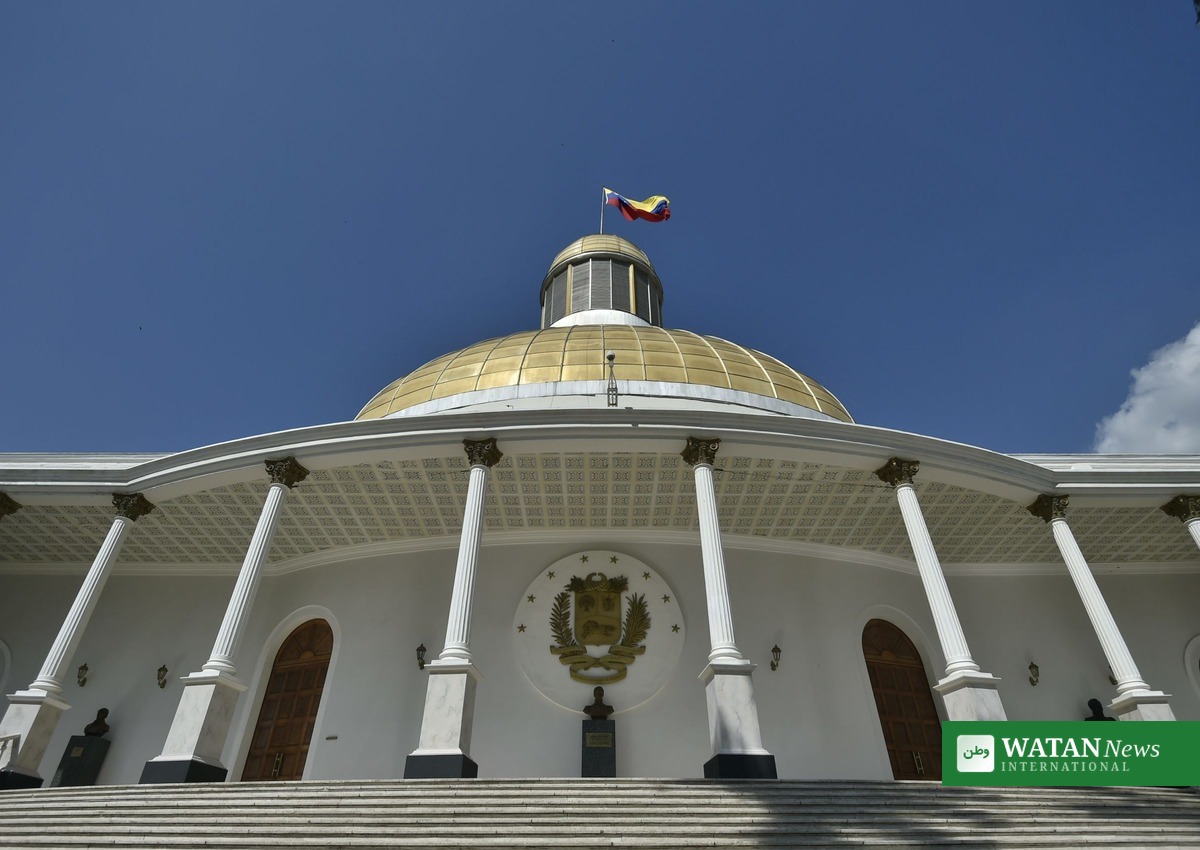
Venezuela’s National Assembly will begin next week the process of repealing the Simón Bolívar Law, the legislation that barred opposition figures from public office and punished support for international sanctions with prison terms of up to 30 years. The announcement was made on Thursday by the Assembly’s president, Jorge Rodríguez.
The move is part of agreements reached at the dialogue table between the interim government and part of the opposition, and it marks a significant step in Venezuela’s political transition after a year of upheaval.
FAKTA
- What happens next: The National Assembly will begin the repeal process on Tuesday, 1 December, and the reforms are expected to be approved next week.
- Announced by: Jorge Rodríguez, president of the National Assembly.
- The law: The Organic Law Libertador Simón Bolívar, passed in November 2024 after the disputed presidential election of July 2024. It carried prison terms of 25 to 30 years, fines, confiscation of property and political disqualifications of up to 60 years for those who promoted or backed international sanctions.
- Rodríguez’s words: He said the law “responded to a very specific moment” and that no politician had been subjected to its provisions.
- What is not changing: The Law Against Hate will not be repealed.
- Wider context: The repeal was agreed at the dialogue table between the interim government and part of the opposition, whose fourth round of talks wrapped up on Monday.
The Venezuela Simón Bolívar Law and what it did
The Simón Bolívar Law was passed shortly after the election in July 2024, in which then-incumbent Nicolás Maduro was declared the winner amid widespread allegations of fraud. Under the legislation, individuals who requested or supported foreign sanctions against Venezuela were permanently banned from political office and had their assets confiscated.
Rodríguez said the law had already served its purpose. “Legislative processes are dynamic processes. That law responded to a very specific moment in a particular situation that Venezuela was going through,” he said.
A step in the dialogue towards elections
Delcy Rodríguez’s interim government has been negotiating with opposition parties since taking over at the start of the year, when former President Nicolás Maduro was seized by the United States. During talks that began in August, the interim government and parts of the opposition agreed to review several laws as part of a “route map towards democracy”, according to an opposition statement.
Delcy Rodríguez has promised that the country will hold free and fair elections, without setting a date. The announcement comes days after opposition former candidate Edmundo González said he would return to Venezuela on 5 December.
Venezuelan opposition leader María Corina Machado is widely expected to run for office in the event of an election, despite being excluded from the transition talks. In the 2024 election, González ran in her place after she was barred from running for office by Maduro’s government. The electoral authority, which was closely aligned with the government, declared Maduro the winner without making detailed voting tallies public. The opposition argued that González won the election, uploading copies of the voting tallies as evidence.
What stays in place
Rodríguez made clear that the repeal will not extend to the separate Law Against Hate. “We still have hate installed there,” he said, explaining why that law remains in force.
Read this story on Watan News: Venezuela to Repeal Simón Bolívar Law That Barred Opposition From Public Office
Author

usmanch0013@gmail.com
Related Posts

IGCC Climate Leaders’ Awards 2026 Honour Amanda McKenzie, Guneet Rana and Leilani Weier
- 0
- 807 words
Five climate leaders have been honoured at the IGCC Annual Climate Finance and Investment Summit, with Climate Council chief executive Amanda McKenzie...
Read out all
Serbia’s Student Movement Delays Naming Prime Minister as Deadlines Near
- 0
- 469 words
A month after its landslide election win, Serbia's student-led movement has still not named a prime minister, with budget, refinery and gas...
Read out all
CITIS 2026: New Delhi Summit to Turn Climate Innovation into Bankable Projects
- 0
- 1,014 word
New Delhi hosts the fourth CITIS summit on 14–16 December 2026, where investors and innovators will work on turning first-of-a-kind climate technologies...
Read out all
China Rehearses Amphibious Landing With Civilian Ships Near Taiwan
- 0
- 496 words
China is rehearsing amphibious landings near Taiwan, linking civilian vessels into an 800-metre floating bridge in Dacheng Bay, satellite images show.
Read out all
Pakistan’s First Astronaut Reaches China’s Tiangong Space Station Aboard Shenzhou-24
- 0
- 918 words
Muhammad Zeeshan Ali has become the first Pakistani to reach orbit and the first foreign astronaut to visit China's Tiangong space station,...
Read out all
Islamabad Hosts Trilateral Defence Talks as Mecca Pact Takes Effect
- 0
- 480 words
Pakistan, Saudi Arabia and Türkiye meet in Islamabad on 27–28 November for the third session of the Strategic Political and Defence Committee...
Read out all