- 0
- 980 words
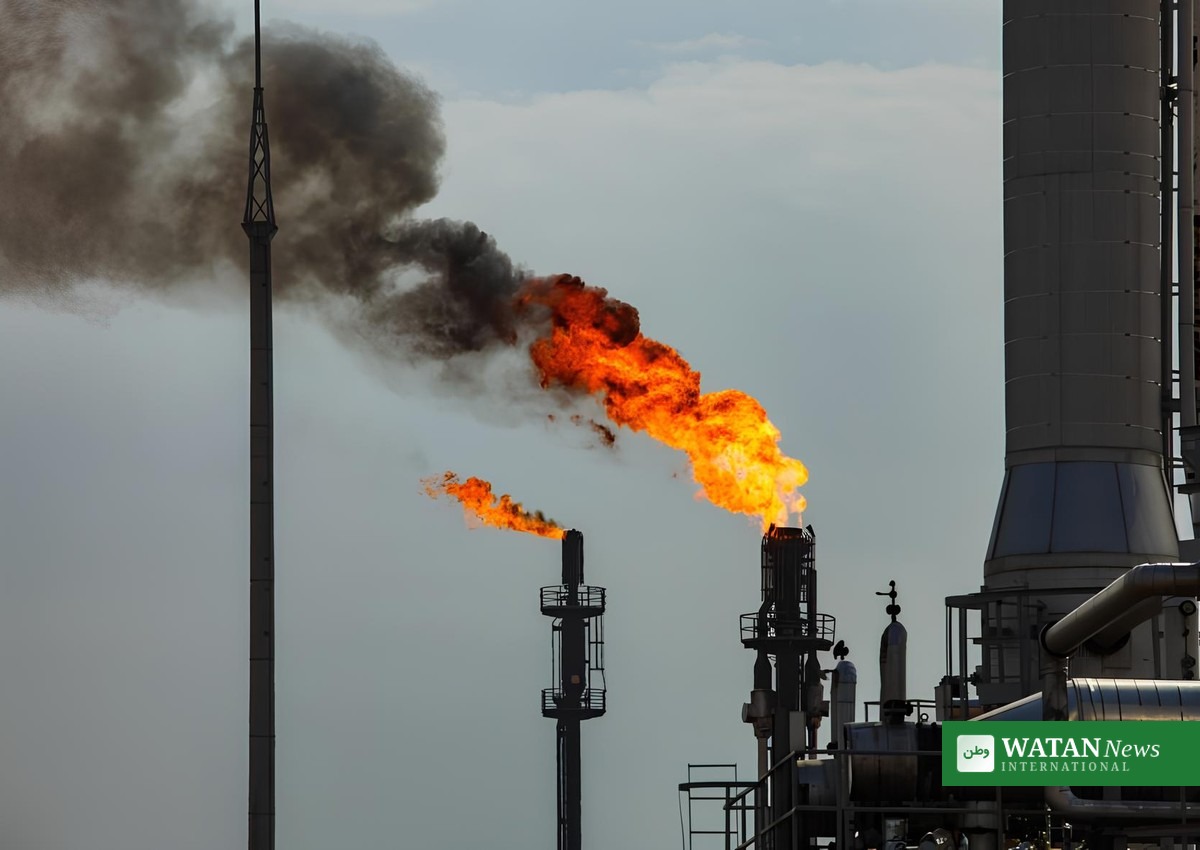
COP31 ended in Antalya on Sunday 22 November 2026 without an agreement, closing the longest climate summit on record, after nearly 40 countries rejected a final text that made no mention of moving away from fossil fuels. Yet new research published on 25 November by GlobeScan shows that the public is well ahead of its leaders: in every major oil-producing market surveyed, at least three in four people call climate change a serious problem.
The finding cuts across the very countries whose governments resisted a fossil-fuel mention at the summit. GlobeScan’s message is plain: fossil-fuel interests may have shaped the outcome in Antalya, but they do not reflect the views of the people living in those economies.
The numbers behind the gap
GlobeScan’s Business & Society Radar drew on representative online surveys conducted in 2026 across 34 markets, generally with about 1,000 respondents in each market — 500 each in Hong Kong, Kenya, Nigeria and Singapore, and 1,500 each in China and the United States. The analysis covers eight major oil-producing markets.
In all eight, at least 74 per cent of people see climate change or global warming as a serious problem. The total figures are striking: 96 per cent in Mexico and 94 per cent in Brazil call it a serious problem, and 72 per cent in each country call it a “very serious” problem. In Nigeria, nearly two-thirds — 65 per cent — call it “very serious”.
Large majorities see it as serious even in the Gulf states that led the resistance to a fossil-fuel mention: 78 per cent in Saudi Arabia and 79 per cent in the United Arab Emirates. The figures are 78 per cent in the United States and 74 per cent in China. Intensity is lower in some of these markets — about four in ten in Saudi Arabia and the UAE, fewer than half in Canada and the United States, and three in ten in China call it “very serious” — but the broad verdict is the same: climate change is a serious problem.
FAKTA
- Published: GlobeScan published the findings on 25 November 2026.
- The headline figure: in all eight major oil-producing markets surveyed, at least 74 per cent of people see climate change as a serious problem.
- Highest concern: 96 per cent in Mexico and 94 per cent in Brazil; 72 per cent in each call it “very serious”.
- The experts: 59 per cent of 610 sustainability experts in 57 countries say the current approach to sustainability needs radical revision.
- The summit: COP31 ended on 22 November 2026 without an agreement — the first United Nations climate talks to end without a deal since Copenhagen in 2009.
Experts say the approach needs radical revision
The public is not alone in judging that the current approach has hit its limits. In GlobeScan’s Sustainability at a Crossroads 2026 research, carried out with ERM and Volans among 610 sustainability experts across 57 countries, 59 per cent said the current approach to sustainability requires radical revision. Most of the experts rated the Paris Agreement as a wholly ineffective lever of progress, both in terms of its potential and its feasibility.
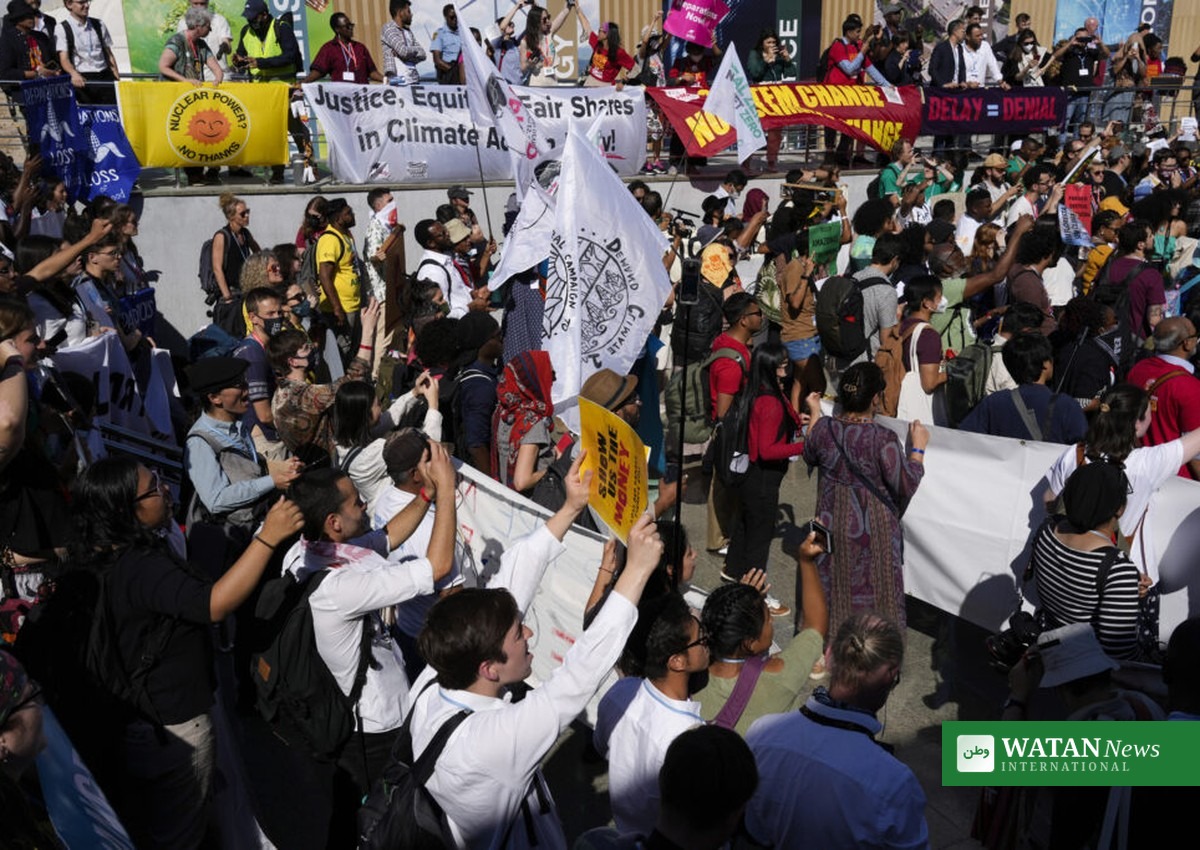
The contrast between the two sets of findings is the story of Antalya. In the negotiating rooms, a small group of energy-exporting states blocked any mention of moving away from fossil fuels, and plans to triple adaptation finance fell away. Outside them, the people of those same countries — including large majorities in Saudi Arabia and the United Arab Emirates — say climate change is a serious problem that demands action.
What happens next
GlobeScan argues that the collapse of COP31 does not mark the end of climate action. Failure has opened doors before: the Copenhagen summit of 2009, which also ended without agreement, was followed by the Paris Agreement, which helped accelerate action and investment in renewable energy and electric mobility.
But Antalya is also a reminder that the political consensus behind global climate action cannot be taken for granted. Governments, businesses and other leaders will need to find credible ways forward that respond to persistent public concern while navigating a more fragmented and contested political environment, GlobeScan says.
That gap — between what the public wants and what the negotiations delivered — was already visible before the summit. Earlier research published around COP31 found that in seven countries, most people doubted their governments were ready to respond to climate change, even as they linked it to the food prices and nature loss they see every day. The lessons of the failed summit are examined in Watan News’ COP31 failure-lessons report.
Frequently asked questions
What did GlobeScan find about public concern on climate?
In every major oil-producing market surveyed, at least 74 per cent of people see climate change as a serious problem. In Mexico, 96 per cent call it serious and 72 per cent call it “very serious”; in Brazil the figures are 94 per cent and 72 per cent.
Which countries were covered by the survey?
The analysis covers eight major oil-producing markets within GlobeScan’s Business & Society Radar, a representative survey conducted in 2026 across 34 markets. The eight include Mexico, Brazil, Nigeria, Saudi Arabia, the United Arab Emirates, Canada, the United States and China.
How was the survey carried out?
GlobeScan ran comparative, representative online surveys in 2026, generally with about 1,000 respondents in each market — 500 each in Hong Kong, Kenya, Nigeria and Singapore, and 1,500 each in China and the United States. People were asked how serious a problem they consider climate change or global warming.
What did the sustainability experts say?
In GlobeScan’s Sustainability at a Crossroads 2026 research with ERM and Volans, 59 per cent of 610 sustainability experts across 57 countries said the current approach to sustainability requires radical revision, and most rated the Paris Agreement as a wholly ineffective lever of progress.
Why does this matter after COP31?
COP31 ended on 22 November 2026 without a deal, after nearly 40 countries rejected a final text with no mention of moving away from fossil fuels. The GlobeScan findings show the breakdown does not reflect public opinion — even in the oil-producing countries whose governments resisted the fossil-fuel language, large majorities see climate change as a serious problem.
Author

usmanch0013@gmail.com
Related Posts
کاپ31 کی ناکامی کے بعد بھی عوام موسمیاتی عمل میں رہنماؤں سے آگے، گلوب اسکین سروے
گلوب اسکین کی نئی تحقیق سے معلوم ہوا ہے کہ عوام موسمیاتی عمل میں اپنے رہنماؤں سے بہت آگے ہیں: تیل پیدا...
Read out all
Offentligheden er foran lederne på klimaet efter COP31’s sammenbrud
- 0
- 990 words
Ny GlobeScan-forskning viser, at offentligheden er langt foran sine ledere på klimaet: I hvert stort olieproducerende marked, der blev undersøgt, kalder mindst...
Read out all
New Zealand Election Deadlock Leaves Centrist Newcomer as Kingmaker
- 0
- 785 words
New Zealand's final election count has left neither the right-wing incumbents nor the left-wing opposition with a parliamentary majority, handing the centrist...
Read out all
ڈبلیو ڈبلیو ایف اور امانو نے 2027 کی فیلوشپ کے لیے افریقہ کے 24 نوجوان رہنماؤں کا انتخاب کر لیا
ڈبلیو ڈبلیو ایف اور امانو نے افریقہ کے 10 ممالک سے 24 نوجوان رہنماؤں کو 2027 کی فیلوشپ کے لیے منتخب کیا...
Read out all
WWF og Amano So udnævner 24 unge ledere til 2027-fellowship i Afrika
- 0
- 1,342 word
WWF og Amano So har udnævnt 24 unge ledere fra 10 afrikanske lande til WWF-Amano Fellowship 2027, et ni måneder langt program...
Read out all
WWF and Amano So Name 24 Young Leaders for 2027 Fellowship Across Africa
- 0
- 1,331 word
WWF and Amano So have named 24 young leaders from 10 African countries for the 2027 WWF-Amano Fellowship, a nine-month programme of...
Read out all